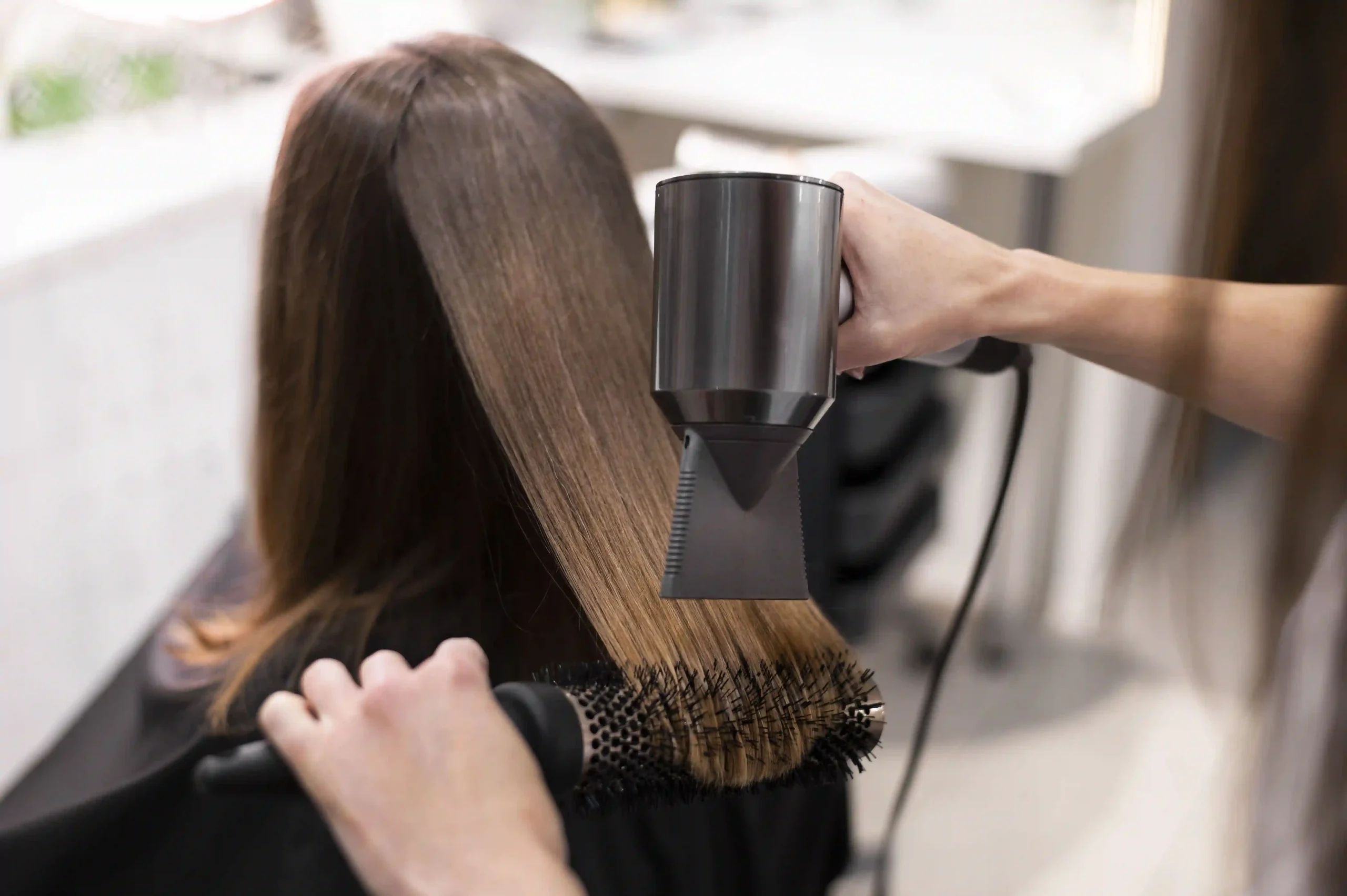
Keratin treatments are widely sought for smooth, frizz-free hair and easier styling. But a common concern among users is: does keratin treatment damage hair? The honest answer is nuanced — keratin itself isn’t inherently harmful, but the process and products used can pose risks under certain conditions. Below, we explore the science, potential side effects, risk factors, and ways to minimize hair damage.
What a Keratin Treatment Actually Is
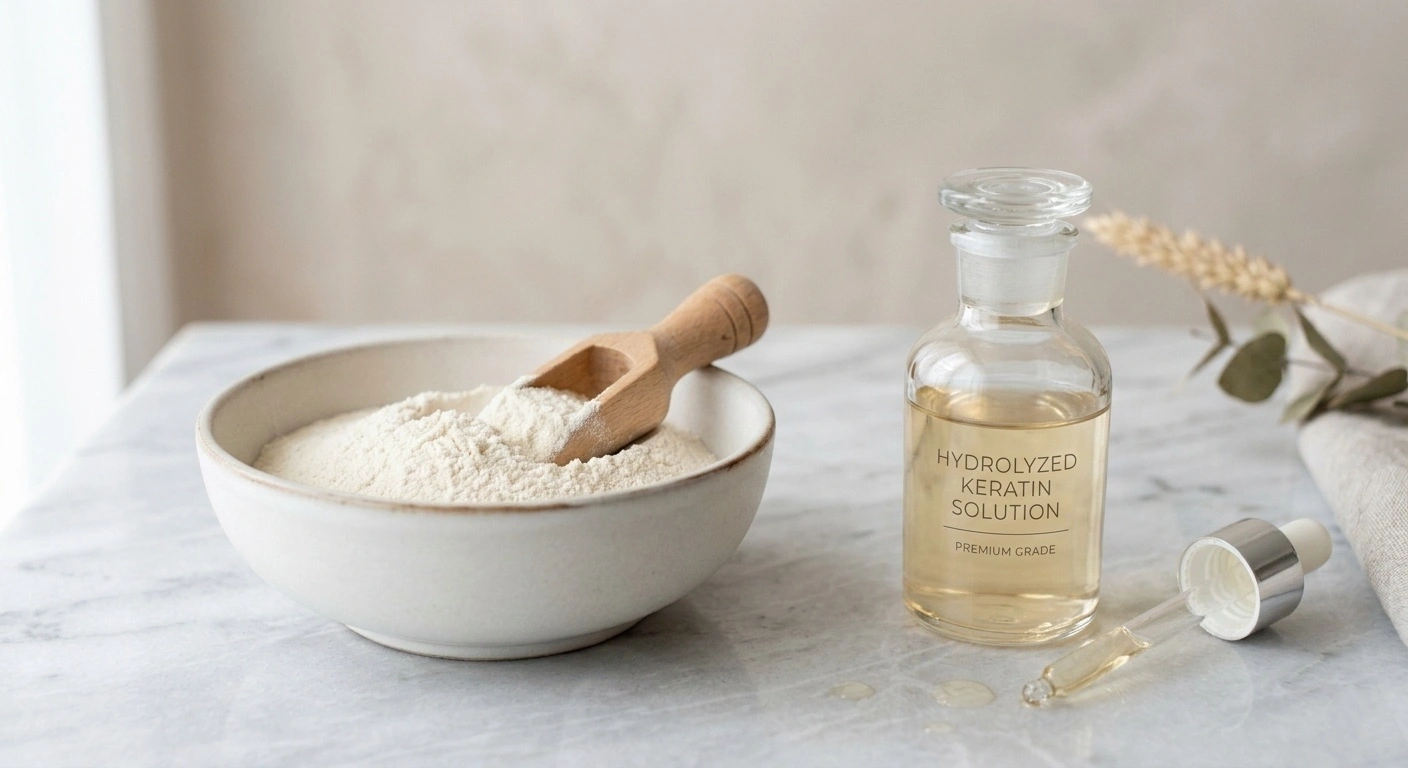
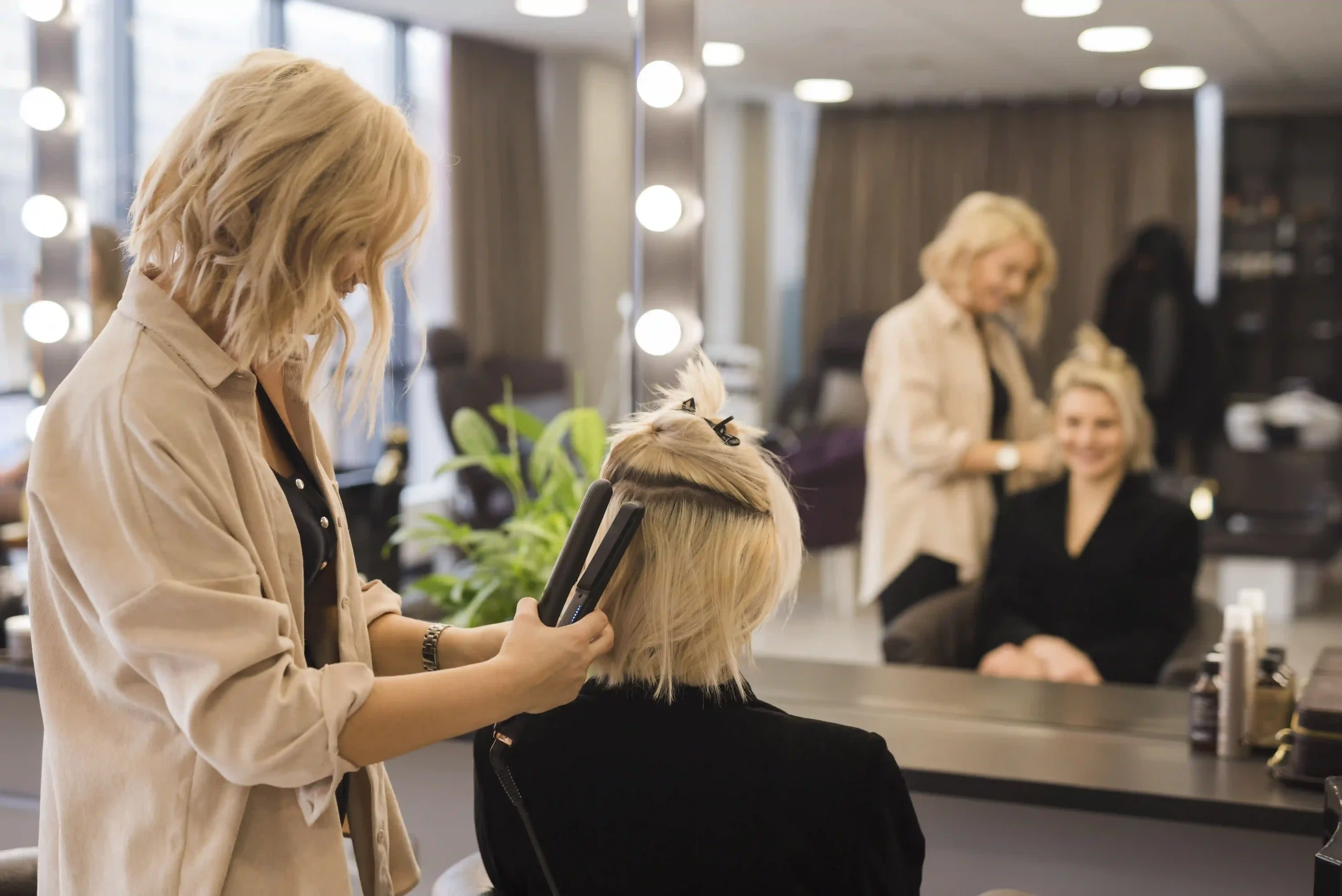
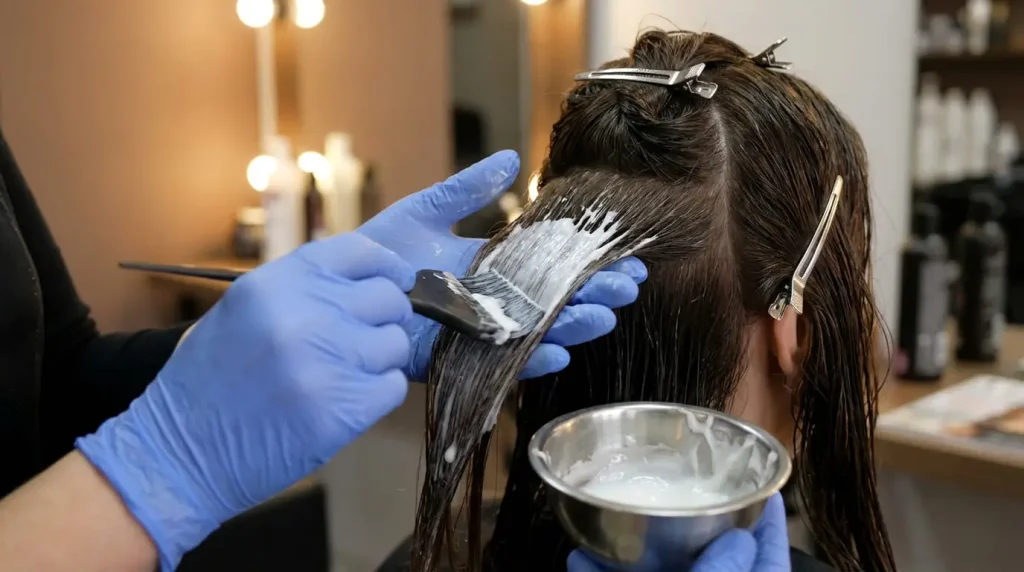
Keratin is a naturally occurring protein in hair, and keratin treatments aim to smooth the hair cuticle and reduce frizz by applying a keratin-rich formula that is sealed with heat. These salon treatment systems can last up to 3 to 6 months with proper aftercare.
Unlike permanent relaxers that alter hair structure by breaking and reforming internal bonds, keratin treatments primarily coat the hair shaft, not permanently changing the internal protein structure.
Read this article to learn more about keratin:https://www.pro-techshaircare.com/what-is-keratin-your-guide-to-its-hair-benefits/
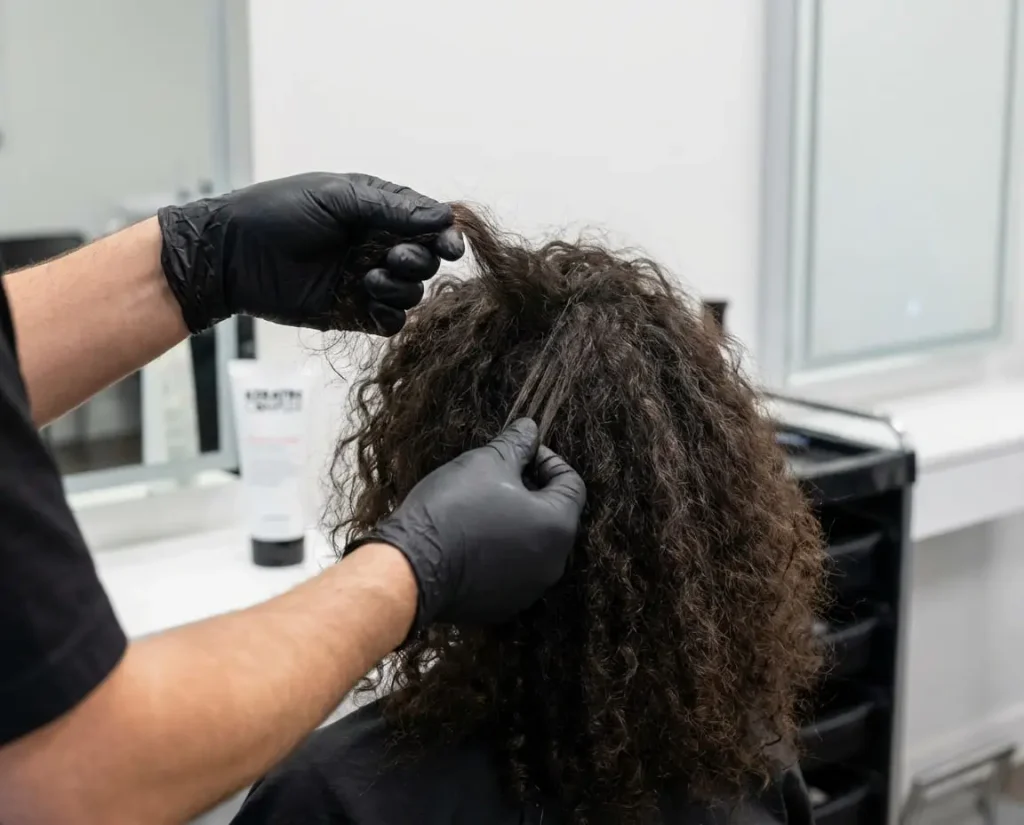
Can Keratin Treatments Damage Hair?
Keratin Is a Natural Hair Protein, Not the Cause of Damage
The keratin protein itself doesn’t inherently damage hair. In fact, keratin is the structural protein that gives hair strength, and topical keratin can temporarily fill gaps and smooth damaged cuticles.
However, the treatment process can create conditions that may lead to damage. The key risk factors are:
1. High Heat Exposure
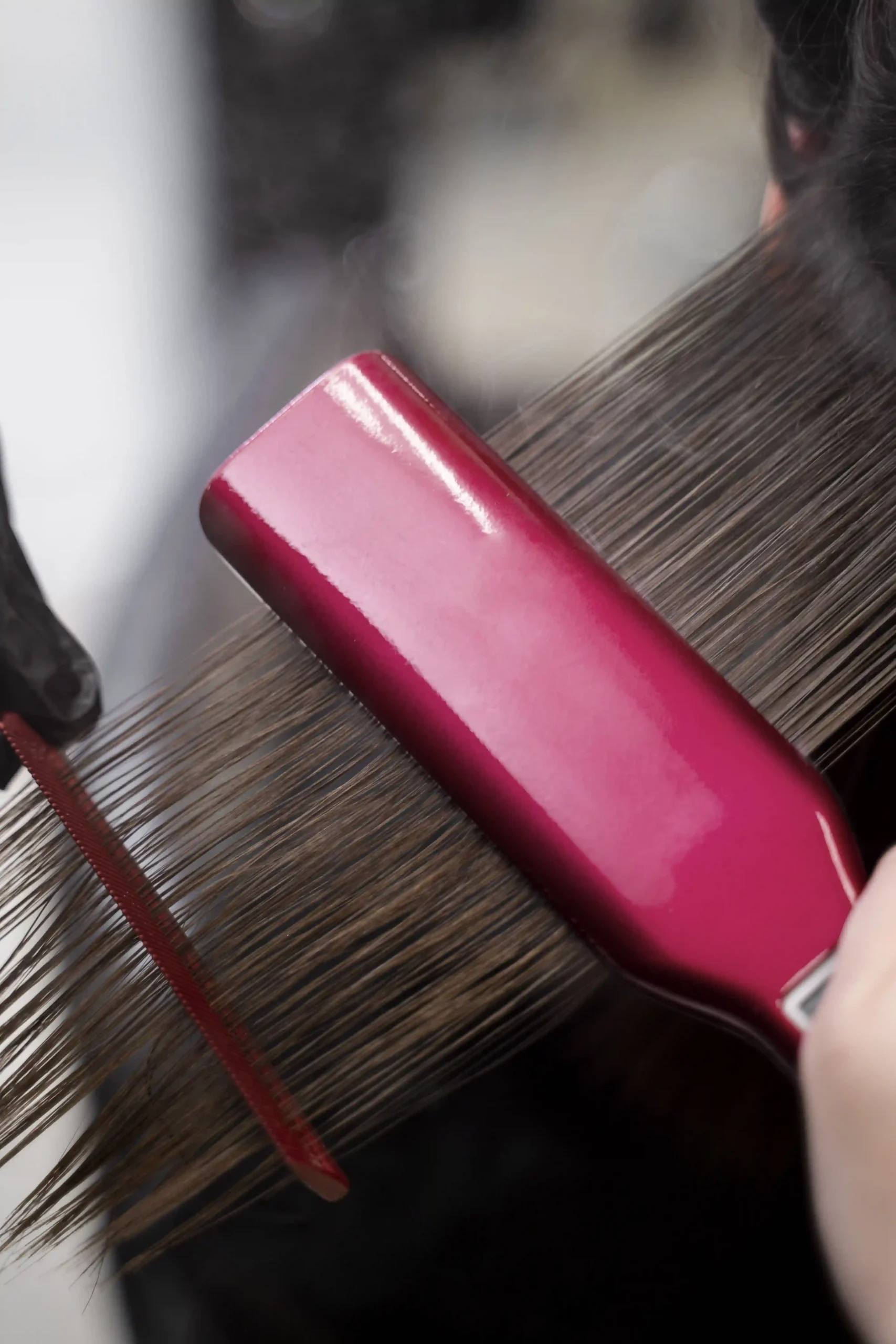
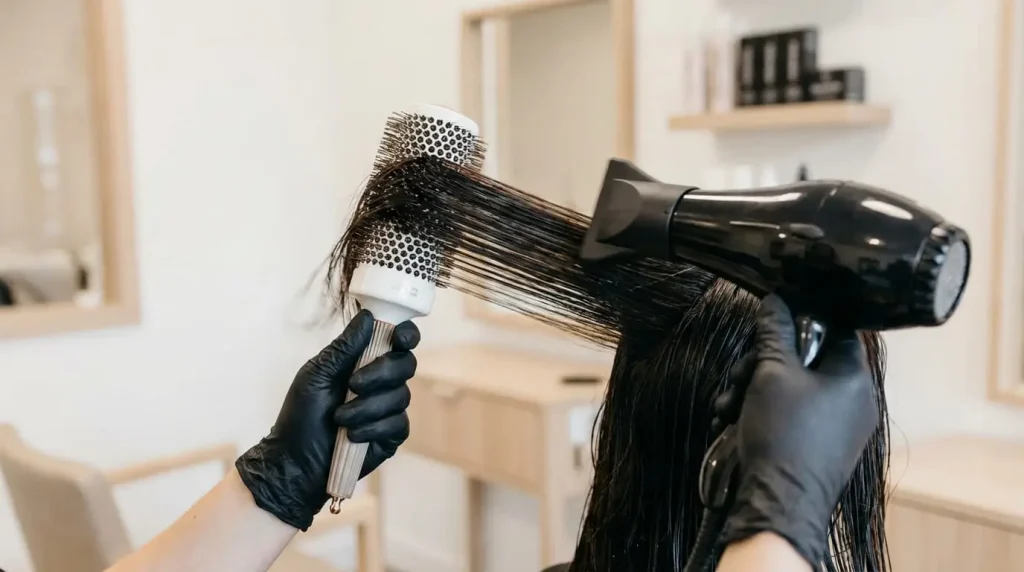
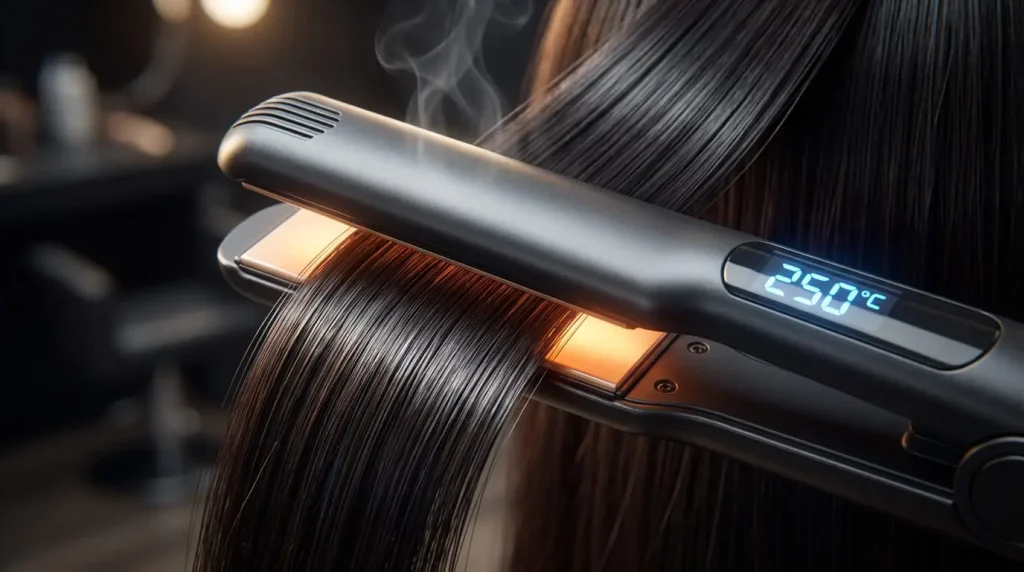
Keratin treatments require high temperatures (from flat irons and blow dryers) to seal the product into the hair. Repeated exposure to extreme heat can weaken hair protein bonds over time, leading to dryness, brittleness, and breakage.
Damage from heat includes:
- Dry, straw-like texture
- Increased porosity
- Weaker, breakable strands
2. Chemical Components
Many keratin smoothing solutions contain formaldehyde or formaldehyde-releasing ingredients, which help the formula bind to hair. Formaldehyde is a known irritant and potential carcinogen, and its use has raised health and safety concerns.
Even “formaldehyde-free” alternatives can contain other aggressive aldehydes or harsh smoothing agents that may contribute to hair dryness and weakening.
3. Protein Overload (Unbalanced Protein + Moisture)
Too much protein build-up without adequate moisture balance can make hair feel stiff, dry, or brittle — a condition often referred to as protein overload. This can occur when protein-rich treatments (including keratin formulas) are used repeatedly without proper hydration.
Signs Keratin Treatment May Have Damaged Hair
Watch for these common indicators of over-processed or weakened hair after a keratin treatment:
- Dryness and lack of elasticity
- Split ends or frayed tips
- Increased breakage during brushing or styling
- Hair feels rough or brittle once treatment wears off
- Tangling or dull appearance
Damage doesn’t always show immediately; sometimes it becomes more visible as the keratin effect fades.
Does Damage Reverse Over Time?
Unlike permanent structural changes caused by chemical relaxers, damage from a keratin treatment is largely temporary and most visibly affects the treated portion of the hair shaft. New growth from the scalp usually remains unaffected.
Hair damaged by heat or chemical exposure can recover gradually with time and proper care, though severely over-processed strands may require trimming split ends or professional repair treatments to restore strength.
Who Is Most at Risk?
Fine, Fragile, or Already Damaged Hair
Hair that is already compromised (from bleaching, coloring, or heat styling) is more vulnerable to additional weakening from keratin treatments.
Frequent Keratin Applications
Repeated treatments (more than 2–3 times per year) without giving hair a break can accumulate effects, making hair more prone to dryness and breakage.
Improper Application or Low-Quality Products
Incorrect professional application or low-quality smoothing formulas with excessive chemicals increases risk of structural stress on hair.
How to Minimize Risk and Protect Your Hair
You don’t have to avoid keratin treatments entirely to protect hair. Follow these evidence-based strategies:
1. Choose Professional, Safer Formulas
Opt for treatments with verified lower formaldehyde levels or reputable formaldehyde-free systems tested for safety.
2. Use Heat Protection Products
Applying thermal protectants before sealing with a flat iron can reduce heat-induced dryness and breakage.
3. Balance Moisture & Protein with Repair Care
After treatment, use sulfate-free moisturizing shampoo and conditioner to avoid stripping the keratin layer and maintain hydration.
4. Space Out Treatments
Giving hair time to recover between keratin services (several months apart) helps maintain structural resilience.
5. Regular Trims and Scalp Care
Keeping split ends trimmed and scalp healthy supports stronger, less breakable hair in the long run.
Final Takeaway
So, does keratin treatment damage hair?
- Keratin itself is not inherently damaging, since it’s a natural hair protein.
- Hair can be damaged by the process, primarily due to high heat, chemical exposure, and improper application.
- Damage is usually temporary and manageable with good aftercare, but repeated, unnecessary treatments can increase risk over time.
Keratin treatments can be beneficial for frizz control and smoothness when done properly — but understanding how to protect hair health is essential for long-term results.