Summary
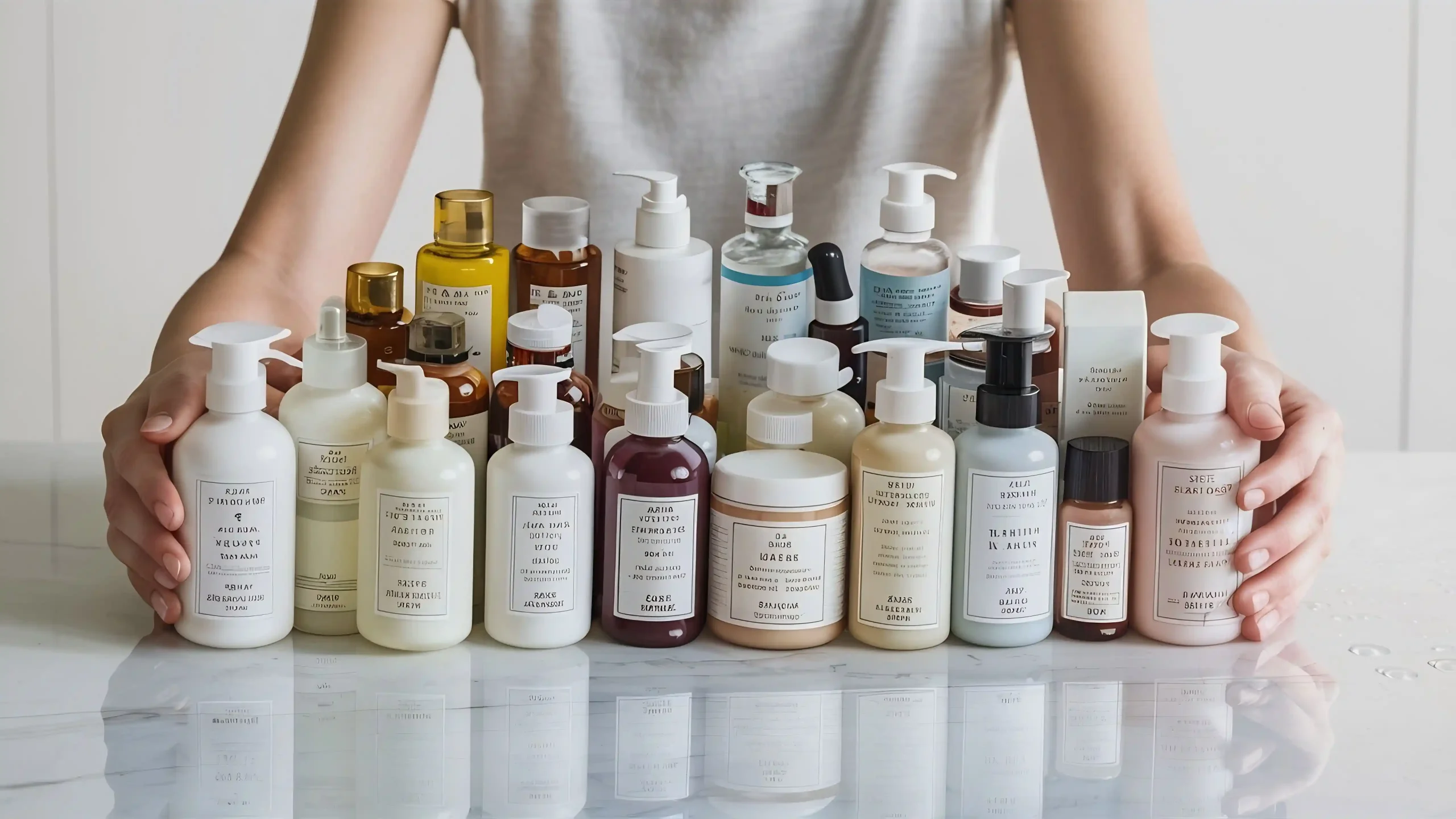
As the global hair care industry moves into 2026, it is entering a phase defined by the convergence of scientific research, ingredient innovation, and sustained market growth. Recent academic discoveries are reshaping the understanding of hair aging and scalp health, while rising consumer demand for performance-driven and science-backed products continues to accelerate market expansion worldwide.
Scientific Research Redefines Hair Aging and Pigmentation
Recent studies have significantly advanced the biological understanding of hair aging, challenging traditional perceptions of gray hair as merely a cosmetic concern.
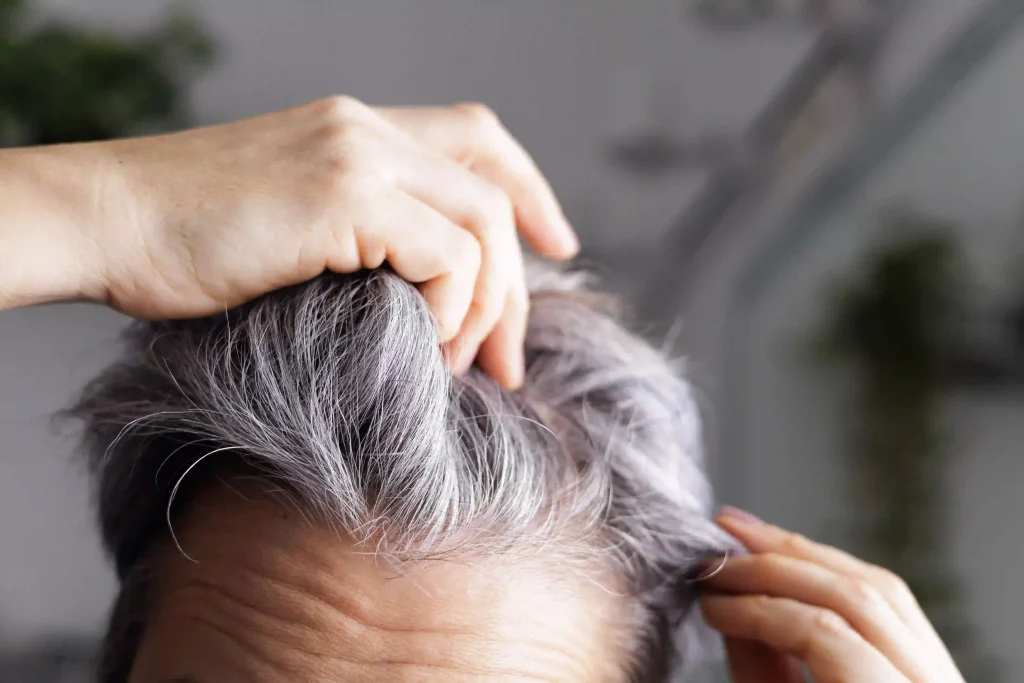
A study from the University of Tokyo suggests that hair graying may represent a protective biological mechanism rather than a simple sign of aging. Researchers found that when melanocyte stem cells experience DNA damage, they may transition into a senescent state, leading to hair graying while simultaneously reducing the risk of abnormal cell proliferation and potential skin cancer development. This discovery reframes gray hair as part of the body’s natural defense system rather than solely an aesthetic issue.
In parallel, research highlighted by ScienceDaily, originating from Nagoya University, identified luteolin, a naturally occurring antioxidant flavonoid found in vegetables such as celery and carrots, as a compound capable of suppressing age-related hair pigmentation loss in animal models. These findings suggest new directions for the development of functional and anti-aging hair care formulations rooted in molecular biology.
Together, these studies indicate that future hair care innovation will increasingly be driven by cellular health, oxidative stress management, and long-term scalp biology rather than surface-level cosmetic solutions.
Market Growth Signals Strong Industry Momentum
According to Fortune Business Insights, the global hair care market is projected to grow from approximately USD 113.9 billion in 2025 to USD 213.4 billion by 2032, registering a compound annual growth rate (CAGR) of around 9.4%.
Key market dynamics include:
- Product diversification: While shampoos remain the dominant category, high-growth segments such as hair oils, serums, and scalp treatments are gaining momentum.
- Rising demand for natural and clean formulations: Consumers increasingly favor products formulated with plant-based, organic, and sulfate-free ingredients.
- Regional growth patterns: Europe continues to hold a leading market position, while the Asia-Pacific region is expected to experience the fastest growth due to rising disposable income, urbanization, and evolving beauty standards.
Additionally, the premium and luxury hair care segment is expanding rapidly, driven by consumers’ willingness to invest in specialized treatments, advanced formulations, and personalized solutions.
Ingredient Innovation and Shifting Consumer Behavior
Consumer behavior is evolving from basic cleansing routines toward targeted, performance-oriented hair care regimens.
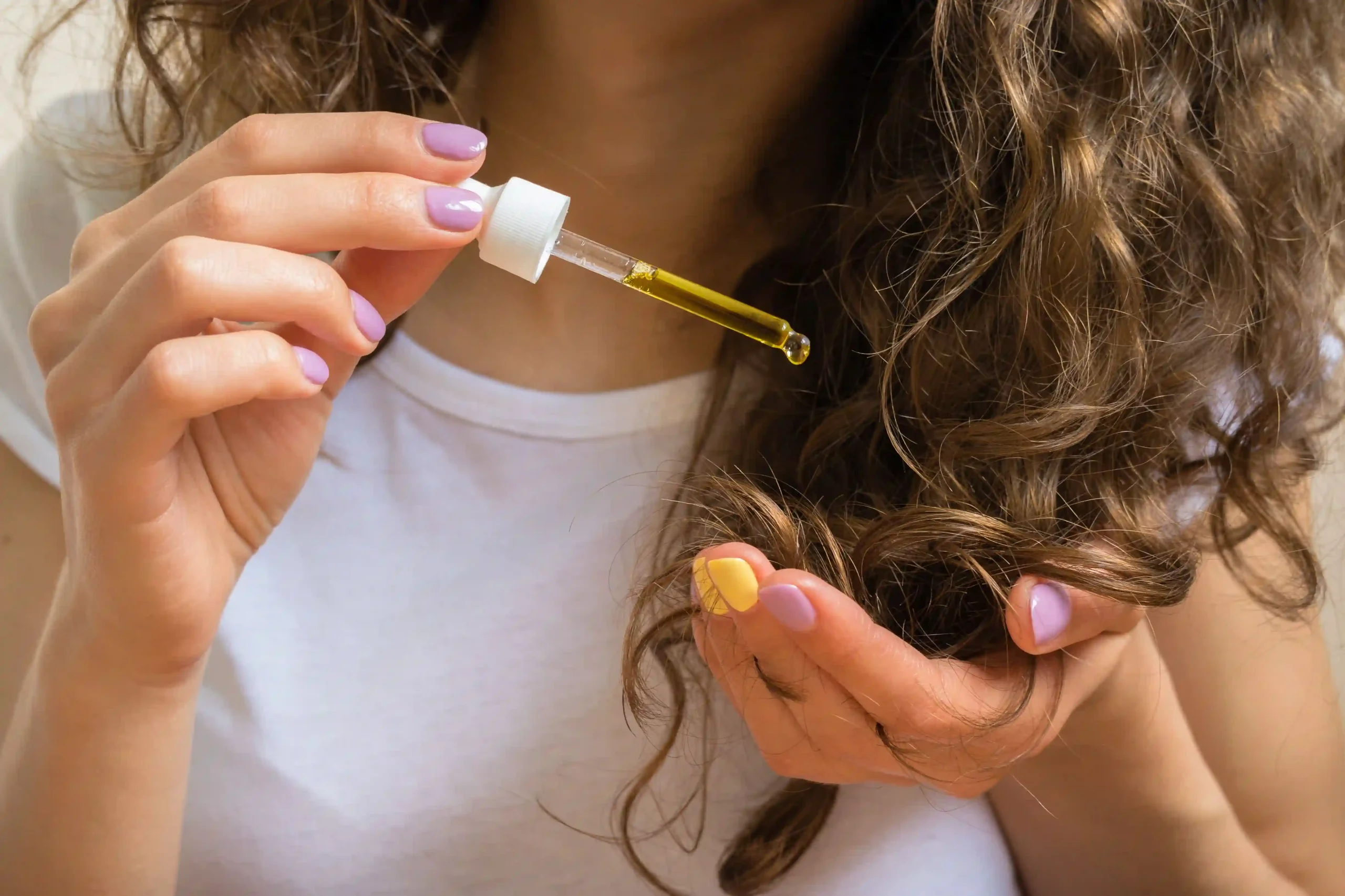
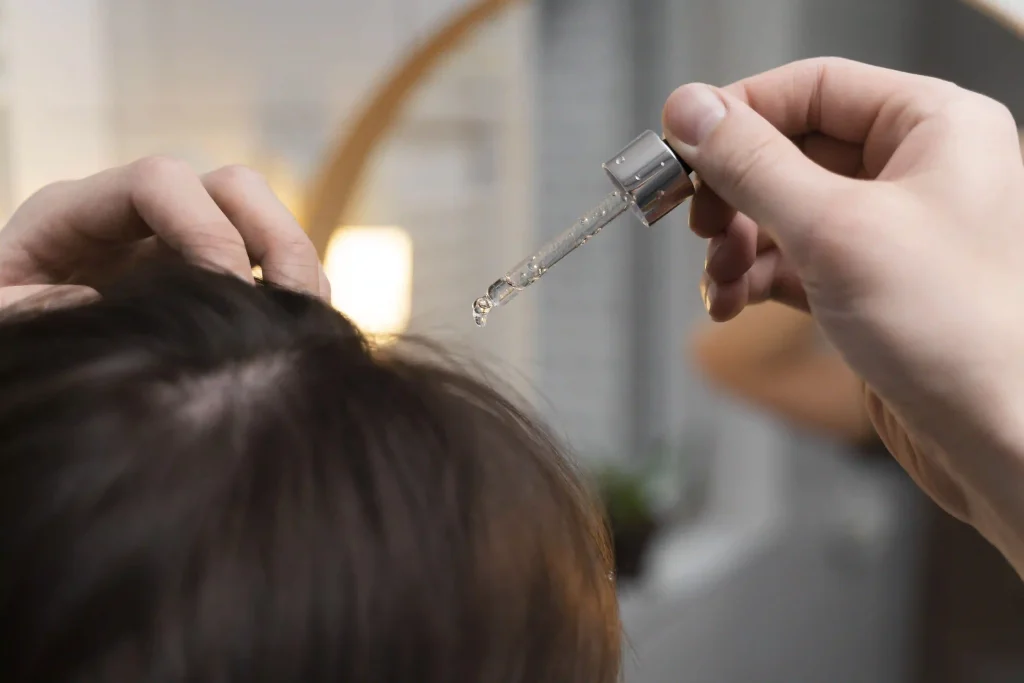
Mainstream media and industry trend reports indicate growing interest in ingredients associated with hair growth, scalp health, and follicle support. Components such as minoxidil, rosemary oil, bioactive peptides, and botanical extracts are increasingly featured in hair growth serums and scalp treatments.
At the same time, the concept of “scalp care as skin care” is gaining traction. Products designed to address inflammation, sensitivity, and microcirculation are becoming central to modern hair care routines, particularly among younger consumers seeking preventative and long-term solutions.
This shift reflects a broader movement toward holistic hair health, where scientific validation, ingredient transparency, and measurable results are becoming key purchasing criteria.
Strategic Implications for the Hair Care Industry
In light of these developments, several strategic priorities are emerging for brands, manufacturers, and suppliers:
- Strengthen collaboration with scientific research institutions
Integrating academic research into product development can unlock differentiated, high-value formulations grounded in biological mechanisms. - Invest in science-led communication and consumer education
As consumers grow more informed, brands that clearly communicate ingredient efficacy and scientific rationale will gain greater trust and credibility. - Expand product portfolios toward functional and personalized solutions
Moving beyond traditional cleansing products to address aging, scalp health, and hair loss enables companies to capture higher-margin, future-facing market segments.

Conclusion
The global hair care industry is undergoing a fundamental transformation. As scientific insights into hair biology continue to deepen and consumer expectations rise, the industry is shifting from cosmetic-driven offerings to function-led, health-oriented solutions. Companies that successfully align scientific innovation with evolving market demand will be best positioned to lead the next generation of hair care development.
Reference:
“Genotoxic insults drive divergent outcomes in melanocyte stem cells, leading to graying hair or melanoma depending on cellular response.” https://www.sciencedaily.com/releases/2025/12/251207031329.htm
Coverage of the Tokyo study linking gray hair to a defense mechanism and pigment cell senescence. https://www.thehealthy.com/news/gray-hair-university-of-tokyo-study-november-2025/thehealthy.com
Primary research paper details on how melanocyte stem cells decide between graying and cancer risk under stress.https://studyfinds.org/gray-hair-protects-from-cancer/Study Finds
Analysis showing market size growth from USD ~113.93B in 2025 to ~213.47B by 2032 at CAGR ~9.4%.
https://www.fortunebusinessinsights.com/press-release/hair-care-market-9715
Consumer-oriented review of popular hair growth ingredients like minoxidil, rosemary, caffeine, etc.
https://www.today.com/shop/best-ingredients-for-hair-growth-rcna149008
Study suggesting luteolin may help prevent hair graying by affecting signaling pathways.
https://medicalxpress.com/news/2025-02-luteolin-antioxidant-vegetables-contribute-hair.html