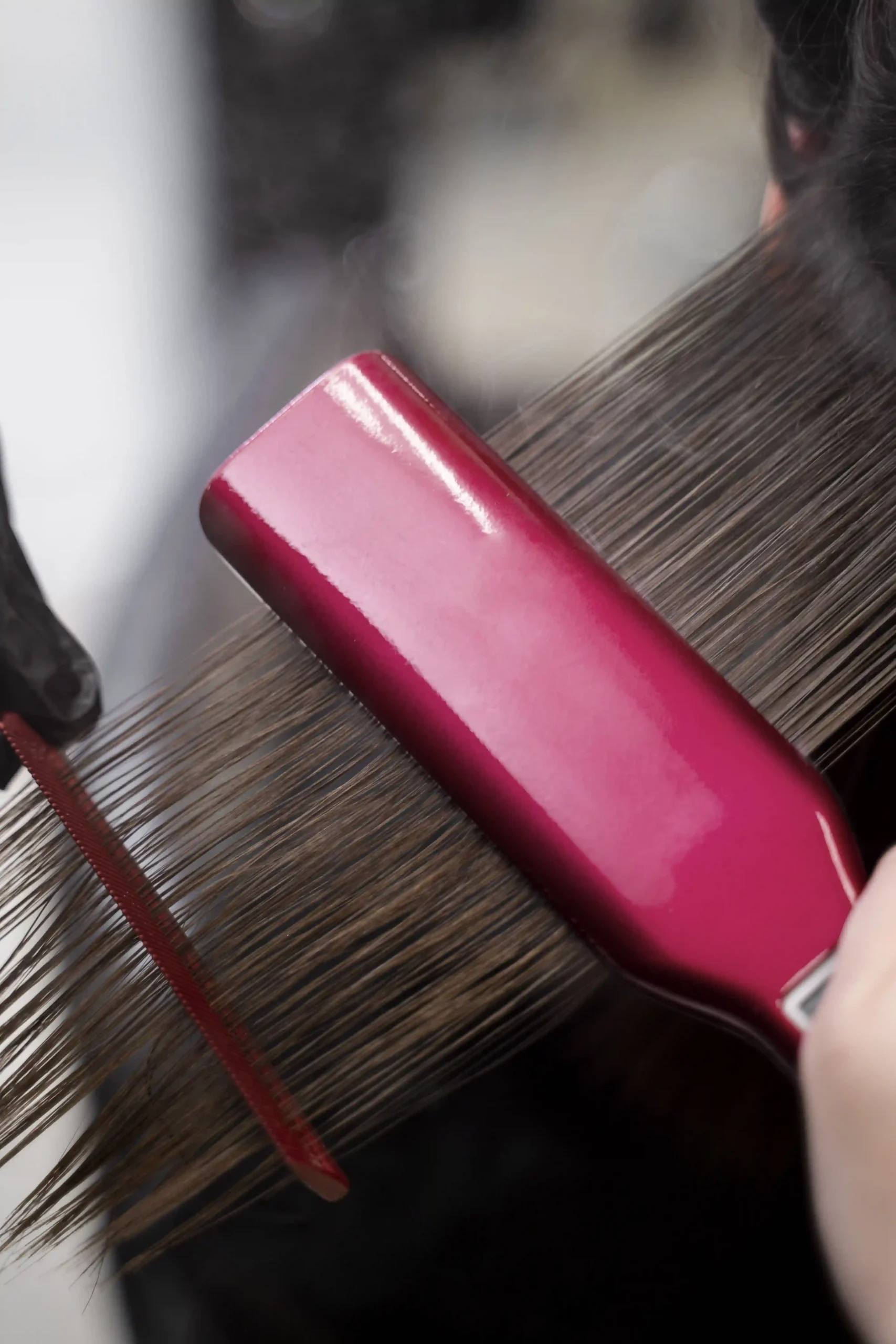
Keratin treatments are often marketed as a long-term solution for frizz, dryness, and unmanageable hair—but how long do they really last? The answer isn’t one-size-fits-all. The longevity of a keratin treatment depends on hair type, formula quality, aftercare habits, and lifestyle factors.
This article breaks down what you can realistically expect, how to extend results, and when it’s time for a refresh.
The Short Answer: Average Duration
For most people, a professional keratin treatment lasts 2 to 4 months.
That timeframe reflects:
- Gradual fading (not sudden disappearance)
- Repeated washing
- Daily exposure to heat, humidity, and styling products
Some high-quality salon keratin treatments may last slightly longer, while express or at-home keratin treatments usually fade faster.
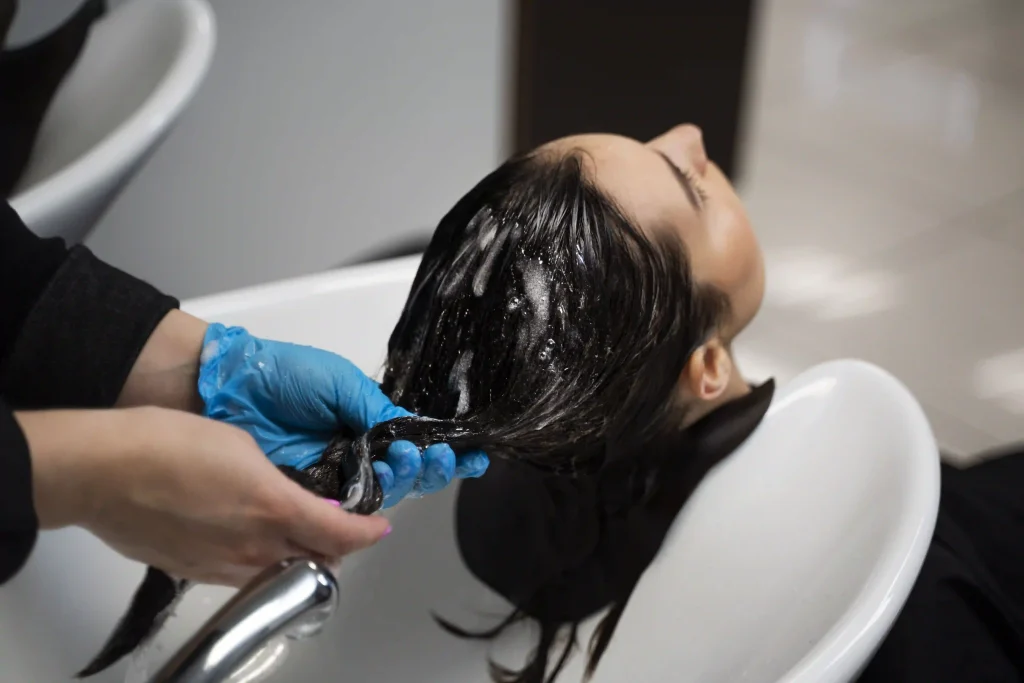
Why Keratin Treatments Don’t Last Forever
Keratin treatments don’t permanently alter hair structure. Instead, they work by:
- Filling porous areas in the hair cuticle
- Creating a smooth, protective coating
- Temporarily reducing frizz and curl pattern
Because this layer sits on the hair, it slowly washes away over time—especially with harsh shampoos or frequent washing.
Think of it as a premium coating, not a permanent repair.
Factors That Affect How Long a Keratin Treatment Lasts
1. Hair Type & Condition
Keratin treatments tend to last:
- Longer on thick, coarse, or highly porous hair
- Shorter on fine or low-porosity hair
Previously damaged or chemically treated hair often absorbs keratin better—but also releases it faster without proper care.
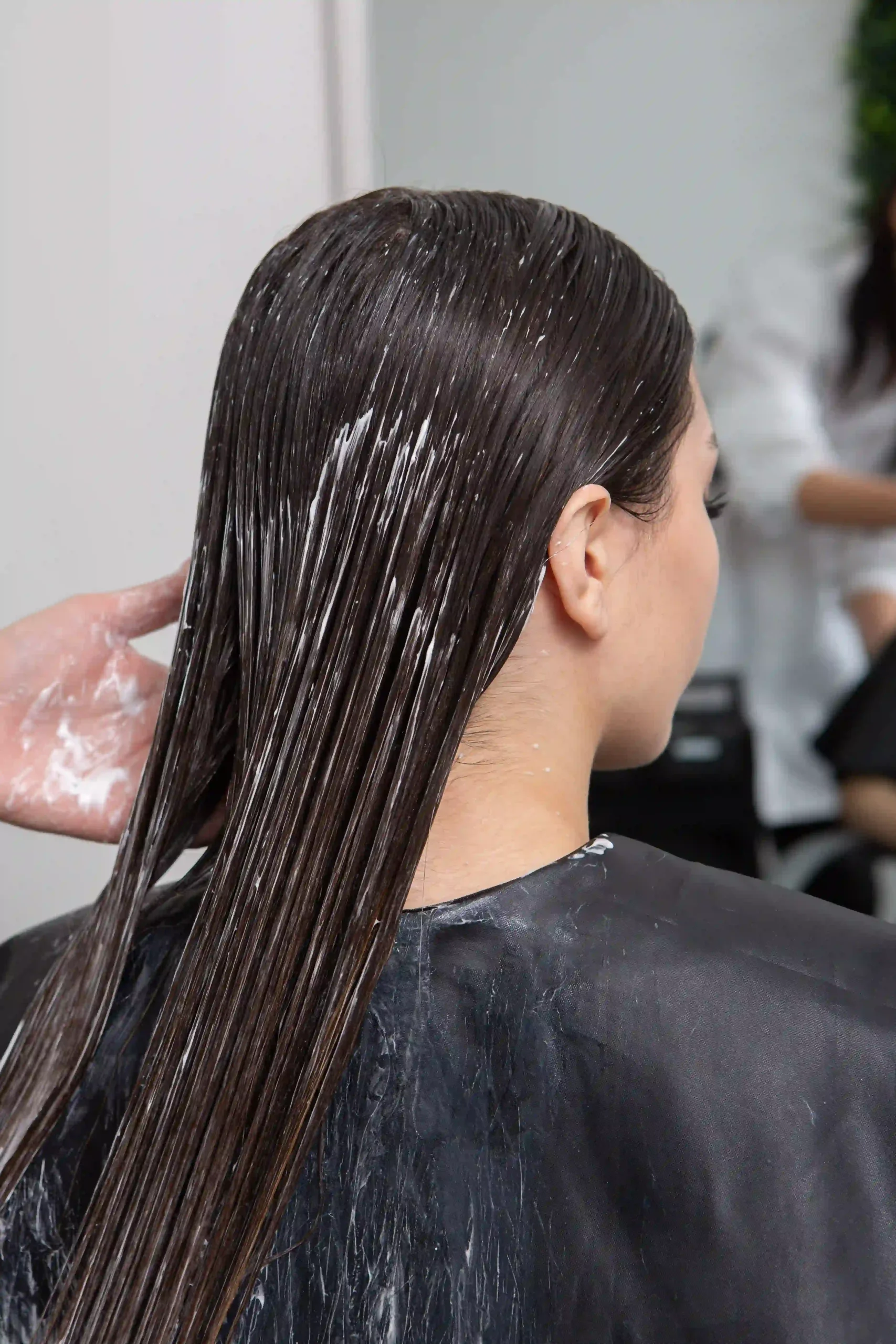
2. Type of Keratin Treatment Used
Not all keratin treatments are created equal.
| Treatment Type | Expected Longevity |
| Professional salon keratin treatment | 3–4 months |
| Formaldehyde-free keratin treatment | 2–3 months |
| Express keratin treatment | 3–6 weeks |
| At-home keratin products | 1–3 weeks |
3. Washing Frequency
This is one of the biggest factors.
- Washing hair daily → results fade faster
- Washing hair 2–3 times per week → significantly longer-lasting results
Every wash slightly strips the keratin layer, even with gentle formulas.
4. Shampoo & Aftercare Products
Using the wrong shampoo can cut the lifespan in half.
To maintain results:
- Use sulfate-free shampoo
- Avoid sodium chloride (salt-heavy formulas)
- Choose keratin-safe or smoothing shampoos
Does Keratin Treatment Wear Off Evenly?
No—and this often surprises people.
Keratin treatments fade:
- Faster around the hairline
- Faster on ends
- Slower on mid-lengths
This uneven fading is normal and doesn’t mean the treatment failed.
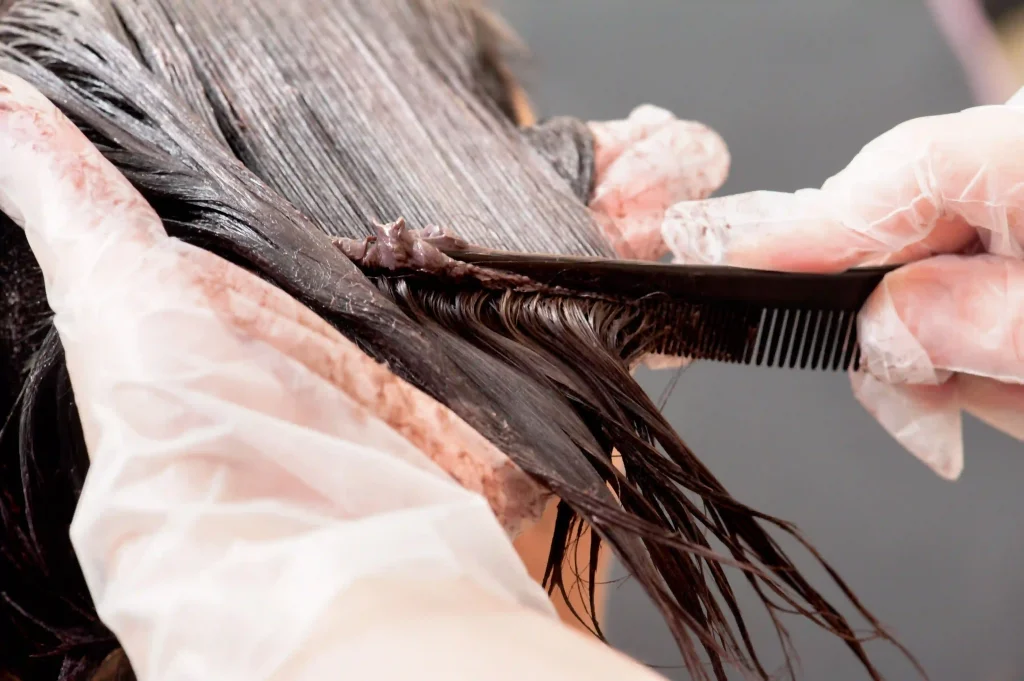
How to Make a Keratin Treatment Last Longer
Small habits make a big difference.
Best practices:
- Wait at least 48–72 hours before the first wash (if required by the formula)
- Use heat protection when styling
- Minimize swimming in chlorine or saltwater
- Sleep on a silk or satin pillowcase
Many clients extend results from 2 months to nearly 4 months simply by changing shampoo and wash frequency.
When Should You Redo a Keratin Treatment?
You’ll know it’s time when:
- Frizz returns quickly after washing
- Hair no longer dries smooth
- Styling takes noticeably longer
Most professionals recommend reapplying every 3–4 months, depending on hair growth and condition.
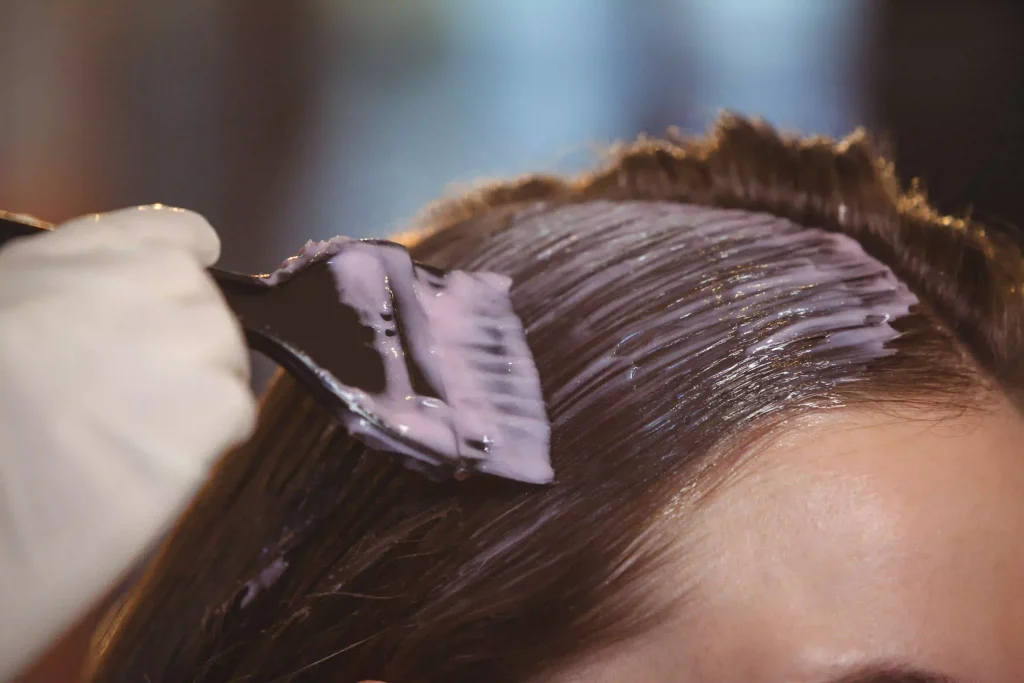
Keratin Treatment vs Permanent Hair Straightening
It’s important to set expectations.
- Keratin treatment → temporary smoothing & frizz control
- Chemical straightening → permanent structural change
If your goal is healthier-looking, more manageable hair (not pin-straight hair forever), keratin treatments are the better long-term option.
Final Thoughts
So, how long does a keratin treatment last?
Typically 2 to 4 months, but with the right formula and proper aftercare, the results can feel longer—and look better throughout the fade-out period.
Understanding what affects longevity helps you make smarter choices, protect your investment, and get consistent results from each treatment.
If you’re considering keratin treatments for salon services, private label products, or custom formulations, longevity should always be part of the conversation—not an afterthought.