Starting a hair care brand no longer requires owning a factory, developing formulas from scratch, or investing millions upfront. With the rise of private label manufacturing, flexible supply chains, and digital-first sales channels, entrepreneurs can now enter the hair care industry with minimal initial investment—if they follow the right strategy.
This guide provides a professional, industry-informed roadmap to launching a private label hair care brand efficiently, responsibly, and sustainably, without compromising long-term brand value.
1. Why Hair Care Remains One of the Most Attractive Beauty Segments
Hair care is one of the most resilient and consistently growing segments within the global beauty industry. Unlike color cosmetics, hair care products are used daily, repurchased frequently, and required across all demographics.
Several structural trends make hair care especially suitable for low-investment brand launches:
- Rising consumer focus on scalp health, hair repair, and hair growth
- Strong demand for natural, functional, and ingredient-led formulations
- Growth of niche positioning (curly hair, damaged hair, sensitive scalp, post-partum hair loss)
- Expansion of direct-to-consumer (DTC) and social commerce models
These factors allow new brands to compete on focus, storytelling, and execution—rather than scale alone.
2. Understanding the Private Label Hair Care Model
What Is Private Label Hair Care?
Private label hair care refers to selling products that are manufactured by an established supplier but branded and marketed under your own brand name. The formulas are pre-developed, tested, and production-ready, allowing brands to bypass costly research and development stages.
This model is widely used by:
- Emerging DTC brands
- Salon-exclusive product lines
- Influencer-founded hair care brands
- Retail private brands
Private Label vs Custom Formulation
| Aspect | Private Label | Custom Formulation |
| Upfront cost | Low | High |
| Time to market | Fast (weeks) | Slow (months) |
| MOQs | Low | High |
| Formula ownership | Shared | Exclusive |
| Differentiation | Branding & positioning | Formula-driven |
For founders with limited capital, private label is the most realistic and scalable entry point.

3. Defining Your Market Position Before Spending Money
One of the most common mistakes new founders make is choosing products before defining positioning. With limited investment, clarity matters more than variety.
Identify a Specific Hair Care Need
Instead of launching a generic shampoo line, focus on a clear problem:
- Hair repair for chemically treated hair
- Scalp care for sensitive or oily scalps
- Growth-support routines for thinning hair
- Frizz control for humid climates
Narrow positioning reduces marketing costs, simplifies messaging, and improves conversion rates.
Understand Your Target Customer
Ask:
- Who is this product for?
- What problem are they actively searching to solve?
- What products are they dissatisfied with today?
Professional brands are built on customer insight, not product quantity.
4. Selecting the Right Private Label Manufacturing Partner
Choosing the right supplier is the most critical decision in a low-investment launch.
Key Criteria to Evaluate
A professional private label partner should provide:
- Verified manufacturing certifications (ISO, GMP, etc.)
- Stable and scalable production capacity
- Low or flexible MOQs
- Clear ingredient documentation
- Consistent quality control standards
- Regulatory-ready labeling support
Avoid choosing suppliers solely based on price. Poor quality, unstable supply, or compliance issues can cost far more in the long run.
Sampling and Quality Assessment
Before launching:
- Order samples of each product
- Test texture, fragrance, performance, and packaging
- Evaluate stability and shelf appearance
- Collect early feedback from potential users
This step protects your brand reputation before it exists.

5. Building a Brand Without Large Marketing Budgets
In private label hair care, branding is your primary differentiator.
Brand Positioning Essentials
Your brand should clearly communicate:
- What problem it solves
- Who it is designed for
- Why it exists beyond selling products
Strong positioning allows you to compete against larger brands with far fewer resources.
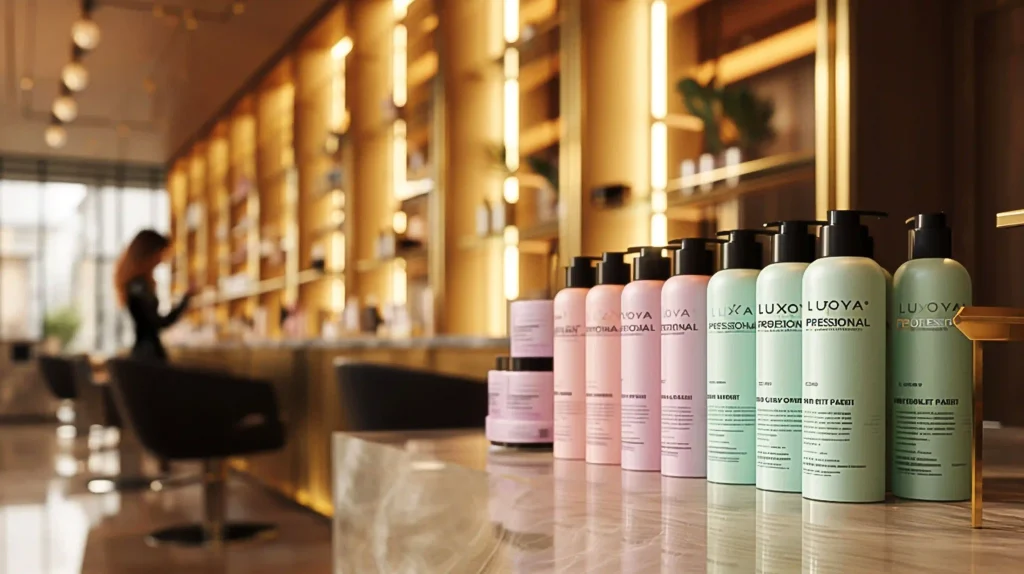
Packaging as a Strategic Asset
Packaging does more than protect the product:
- It communicates quality and trust
- It influences perceived value
- It impacts shelf and screen performance
Minimalist, clean, and functional designs often outperform overly complex visuals—especially for ingredient-driven hair care brands.
6. Launching with Minimal Sales Infrastructure
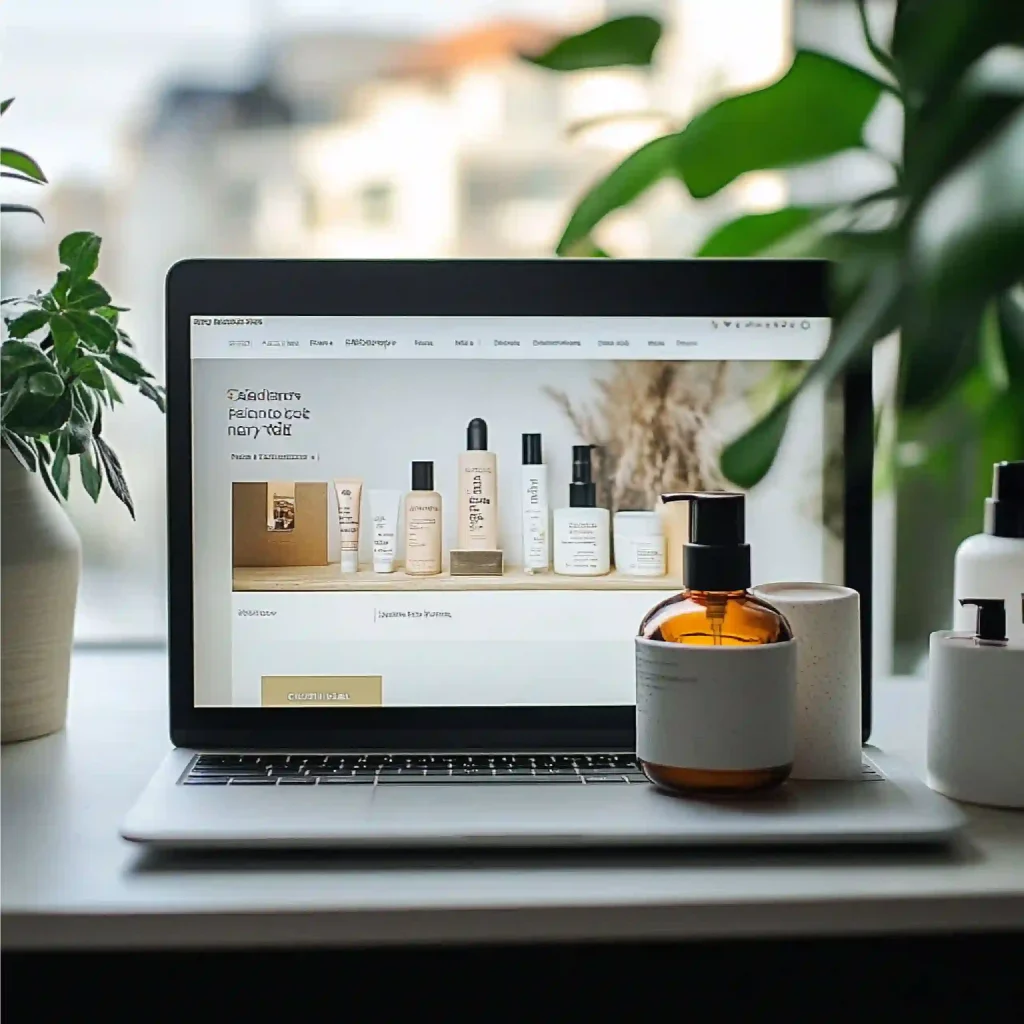
Best Low-Cost Sales Channels
You do not need multiple channels at launch. Choose one primary route:
- Marketplaces for traffic access and fast testing
- Social commerce for community-led growth
Start small, test demand, and expand gradually.
Content Over Advertising
With limited budgets, prioritize:
- Educational content
- Ingredient explanations
- Before-and-after storytelling
- Customer feedback loops
Trust-driven content consistently outperforms paid ads for early-stage hair care brands.
7. Legal, Compliance, and Labeling Essentials
Even with minimal investment, compliance is non-negotiable.
Key considerations include:
- Accurate ingredient labeling (INCI names)
- Claim compliance (avoid medical or unverified promises)
- Proper usage instructions and warnings
- Country-specific regulations for export markets
A professional supplier can assist.
8. Managing Costs and Cash Flow Strategically
Low investment does not mean zero cost. Smart allocation matters.
Typical early-stage expenses include:
- Samples and testing
- Packaging and labeling
- Initial production run
- Basic brand assets
- Website setup
Avoid overspending on inventory. Start with fewer SKUs, smaller quantities, and reinvest profits strategically.
9. Scaling Beyond the Private Label Stage
Private label is a starting point—not a limitation.
As your brand grows, scaling options include:
- Customizing formulas based on customer feedback
- Developing signature hero products
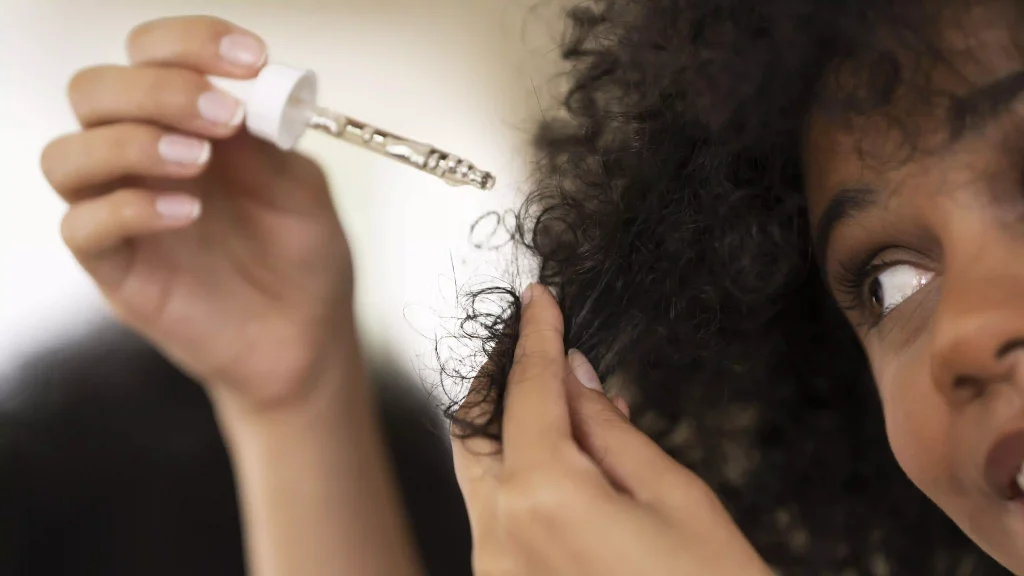
- Expanding into scalp treatments or tools
- Entering salons, clinics, or professional channels
Many successful global brands began with private label and evolved into fully customized product lines over time.
Conclusion: Building a Sustainable Hair Care Brand with Limited Capital
Launching a private label hair care brand with minimal investment is not about shortcuts—it is about strategy.
Success depends on:
- Clear positioning
- Reliable manufacturing partners
- Brand trust and transparency
- Disciplined cost management
- Long-term product vision
With the right foundation, private label hair care offers one of the most accessible and scalable entry points into the beauty industry today.