Have you ever finished a client’s hair, felt that service was flawless, and then never saw them again? Or wondered why some clients become raving fans while others quietly slip away? The answers often lie in the gap between what we think we’re providing and what clients actually experience and value.
Instead of guessing, let’s look at the data. Recent industry surveys and consumer reports are revealing a clear shift. Today’s clients are looking for far more than just a technical service—they are investing in an experience, a relationship, and a form of self-care that aligns with their lifestyle and values. By understanding these evolving expectations, we can not only meet them but exceed them, turning satisfied customers into loyal advocates.
Here’s what the collective data tells us modern clients truly want, and how you can translate these insights into your salon’s success.
Decoding the Modern Client’s Mindset
Industry analysis consistently shows that client priorities can be organized into a hierarchy. Mastering the foundational levels builds trust, while excelling at the higher levels creates unbreakable loyalty and word-of-mouth referrals.
1. The Non-Negotiable Foundation: Trust & Professionalism
This is the baseline. If these elements are missing, clients likely won’t return long enough to appreciate anything else.
- Seamless Experience: Surveys indicate that friction in booking (complicated online systems, long hold times) is a top reason clients explore other salons. Punctuality is equally critical; starting and ending on time is a direct sign of respect for their schedule.
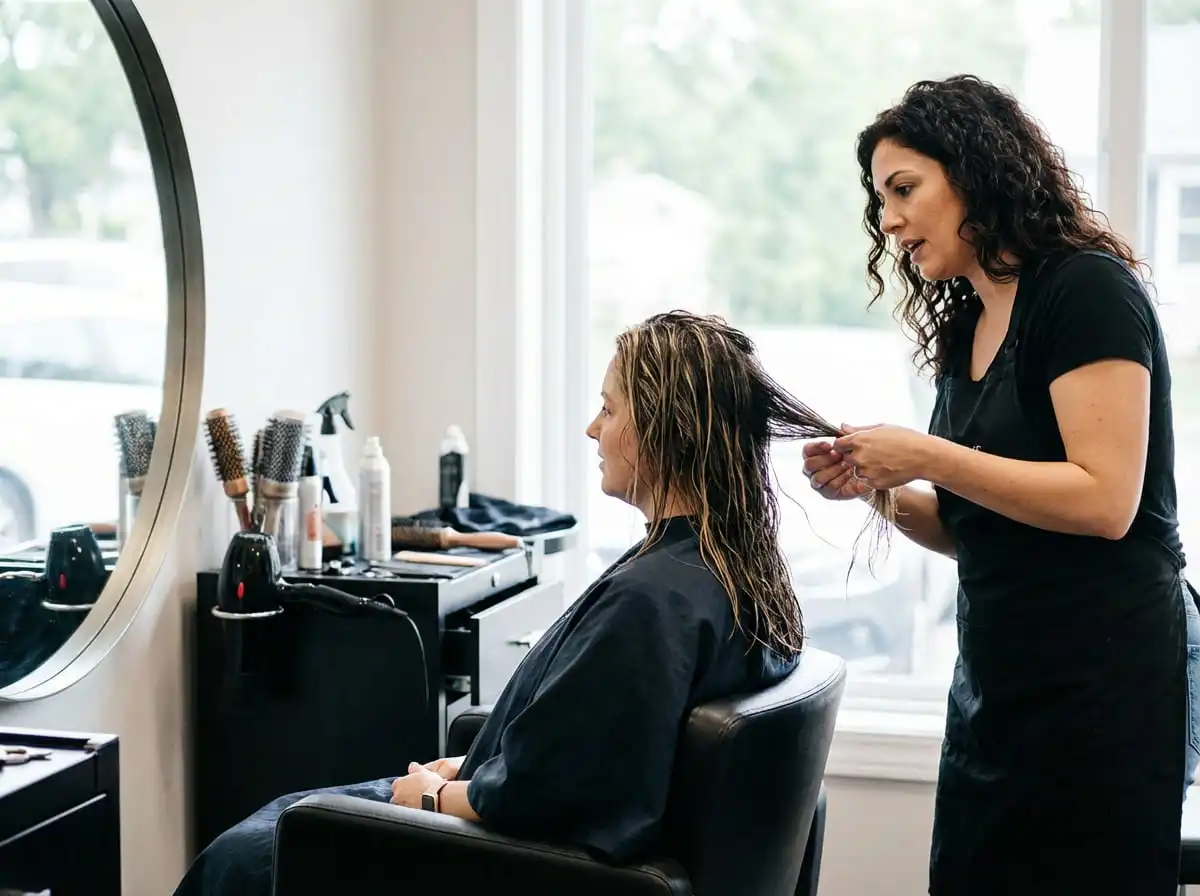
- Transparent Expertise: Clients want to feel confident in your skills before the scissors even touch their hair. This is communicated through clear consultation, organized and clean workspaces, and visible sanitation practices. As one industry report noted, “Professionalism is now judged as much by the prep as by the final cut.”

2. The Relationship Builders: Personalization & Education
This is where you transform a service into a personalized journey. Data shows that clients who feel ’seen and understood’ have a significantly higher lifetime value.
- The ‘Know Me’ Factor: It’s not just about remembering their haircut. It’s about recalling they have a big presentation next week, or that their scalp was sensitive last visit. This attentive care fosters a powerful emotional connection.
- Empowerment Through Education: A dominant trend in client feedback is the desire for knowledge. They don’t just want to be told what product to buy; they want to understand why it will work for their hair texture and lifestyle. Stylists who become ‘trusted advisors’ on home care lock in client retention.

3. The Loyalty Drivers: Experience & Values Alignment
This final tier is what makes a salon unforgettable and share-worthy.
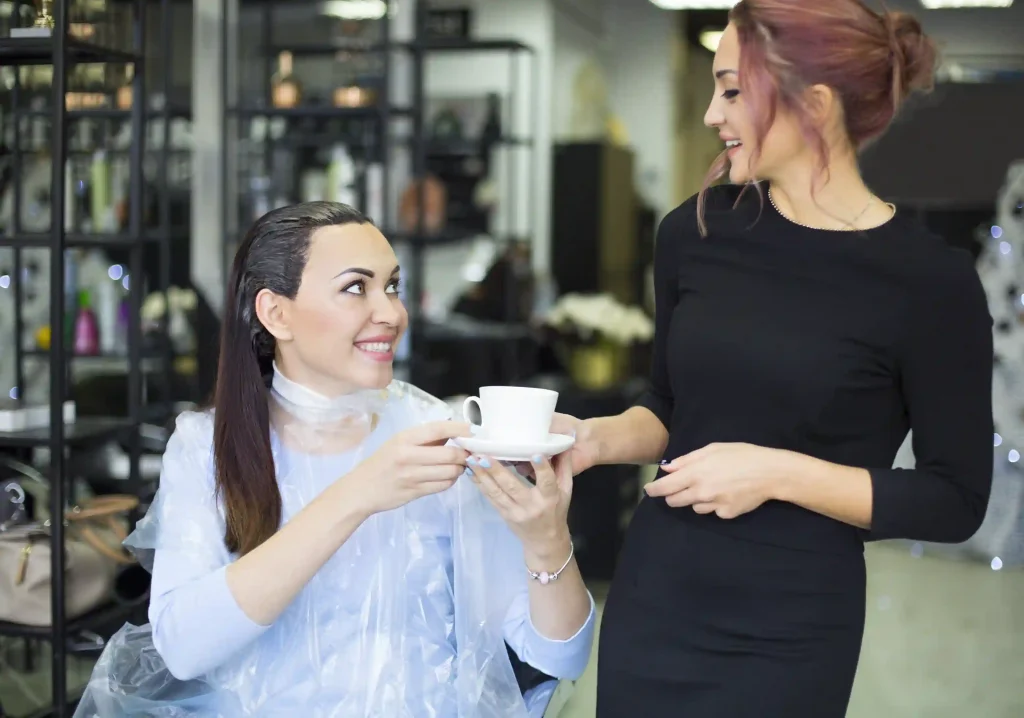
- Holistic Well-being: The salon visit is increasingly framed as a necessary respite. Clients value an atmosphere that allows them to mentally decompress – whether through thoughtful music, offered beverages, or simply a judgment-free, relaxing conversation.
- Shared Values: Modern consumers, especially younger demographics, make choices based on ethics. Surveys reveal growing interest in a salon’s sustainability practices (like water conservation, product recycling), inclusivity, and the ethical sourcing of products used.
- Proactive Partnership: The ultimate signal of a valued relationship is a stylist who plans ahead with the client. Proactively discussing a long-term hair health plan or scheduling the next appointment before they leave frames the relationship as an ongoing partnership, not a series of transactions.
How to Gather This Feedback (Without Asking in the Chair)
The most honest feedback comes when clients feel safe and anonymous. Relying on verbal questions in-salon often yields polite, not truthful, answers. Effective feedback systems are strategic and timed.
The table below outlines the most effective methods for gathering actionable client insights:
| Feedback Method | Best Timing | Primary Goal | Key to Success |
|---|---|---|---|
| Post-Services Digital Survey | 24-48 hours after appointment | Capture detailed, fresh impressions of the specific visit. | Keep it short (5-7 questions), mobile-friendly, and send via email/SMS. Include a mix of ratings and open-ended questions like, “What’s one thing we could do to make your next visit even better?” |
| New Client Intake Form | Before the first consultation (online). | Gain deep pre-consultation insights to maximize service time. | Ask about lifestyle, styling habits, past hair disappointments, and goals. This data allows you to walk into the consult 10 steps ahead. |
| Anonymous “Salon Health” Pulse Check | Quarterly or bi-annually. | Uncover broad trends about ambiance, team dynamics, or overall brand perception. | Ensure complete anonymity. Ask questions like, “How would you describe our salon’s atmosphere to a friend?” or “Do our values (e.g., sustainability) matter to you?” |
| “We Miss You” Re-engagement Check | 2-3 months after a missed appointment. | Diagnose why clients lapse and potentially win them back. | Frame it as a caring check-in, not a guilt trip. A simple, “We noticed we haven’t seen you and truly want to know if there was something we could have improved,” can reveal critical operational flaws. |
Turning Insights into Action: Your Roadmap
Collecting data is only step one. The magic happens when you close the loop.
- Look for Patterns, Not Outliers. Don’t fixate on one negative comment. Instead, look for clusters. Are three people mentioning chilly temperatures? That’s a pattern worth addressing. Is there consistent praise for a particular stylist’s consultative style? That’s a best practice to share with the team.
- Quantify the Qualitative. Use a metric like Net Promoter Score (NPS) – asking “On a scale of 0-10, how likely are you to recommend us?” – to track your overall performance over time. The score itself is less important than tracking its movement and reading the comments from promoters and detractors.
- Act and Acknowledge. If feedback reveals a desire for more vegan product options, source some and then announce it publicly: “You asked, we listened! Introducing our new vegan product line.” This demonstrates you value client input, which encourages more feedback and builds community.
- Share with Your Team. Have regular, blame-free meetings to discuss anonymous client feedback. Turn a piece of constructive feedback into a team problem-solving session: “Clients say our booking confirmation texts are confusing. How can we simplify them together?”
The Bottom Line
The core question embedded in every client’s mind is no longer just “Can you cut my hair well?” It’s “Do you understand me and my life?”
Industry surveys provide the compass to answer “yes.” By systematically listening – not just to what clients say, but to the deeper needs and values their feedback implies – you stop guessing and start knowing. This transforms your salon from a service provider into an indispensable part of your clients’ personal care and identity.
Start the conversation. The most valuable insights for your business’s future are waiting to be heard.