Introduction
Keratin is one of the most important proteins in human hair. It plays a key role in keeping hair strong, smooth, and healthy-looking. When hair becomes dry, frizzy, or damaged, it is often due to a loss of keratin structure.
Keratin-based hair care and treatments are widely used to improve hair texture and manageability. But many people still ask simple questions like: What is keratin? What does it actually do for hair? And is it really effective?
This article explains keratin in a clear and practical way, focusing on how it works, its benefits, and who it is suitable for.
What Is Keratin?
Keratin is a structural protein naturally found in hair, skin, and nails. In hair, it forms the main building block that gives strength and structure.
Healthy hair contains tightly packed keratin proteins that make it smooth and resistant to damage. However, external factors such as heat styling, chemical treatments, UV exposure, and pollution can break down keratin over time.
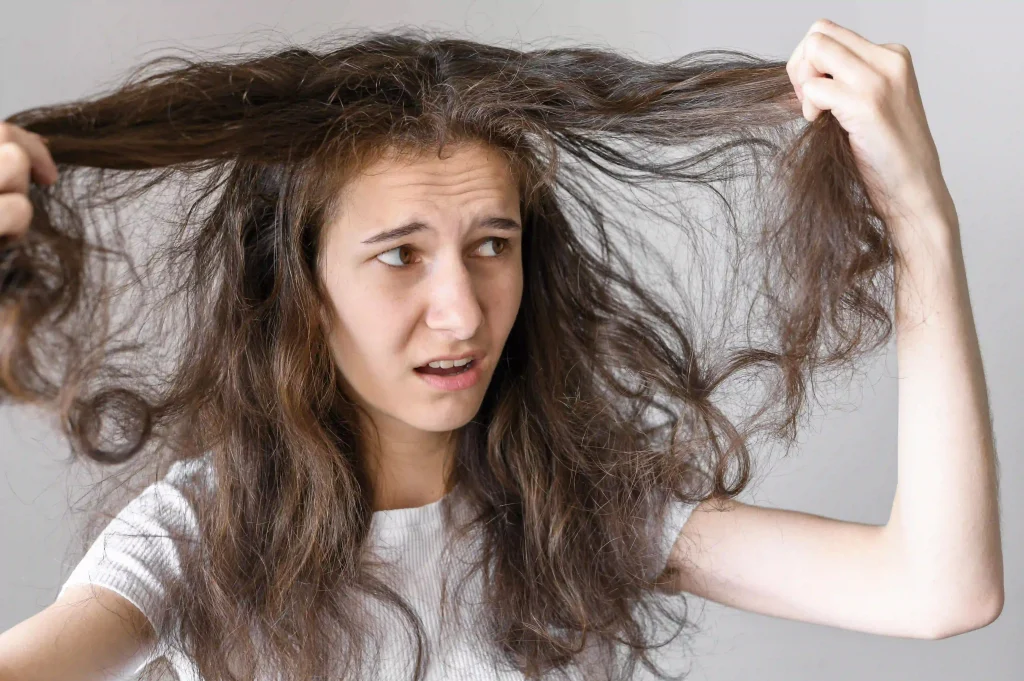
When keratin is reduced or damaged, hair becomes:
- Dry
- Weak
- Frizzy
- More prone to breakage
Keratin treatments and keratin-based products are designed to help restore or smooth the hair’s outer layer.
What Does Keratin Do for Hair?
Keratin acts as a protective and structural component for hair strands. Its main function is to strengthen and smooth the hair fiber.
When used in hair care or professional treatments, keratin helps by:
- Filling gaps in damaged hair cuticles
- Creating a smoother surface on the hair strand
- Reducing friction between hair fibers
- Improving overall hair alignment and texture
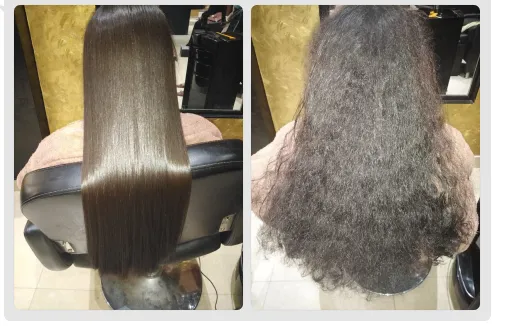
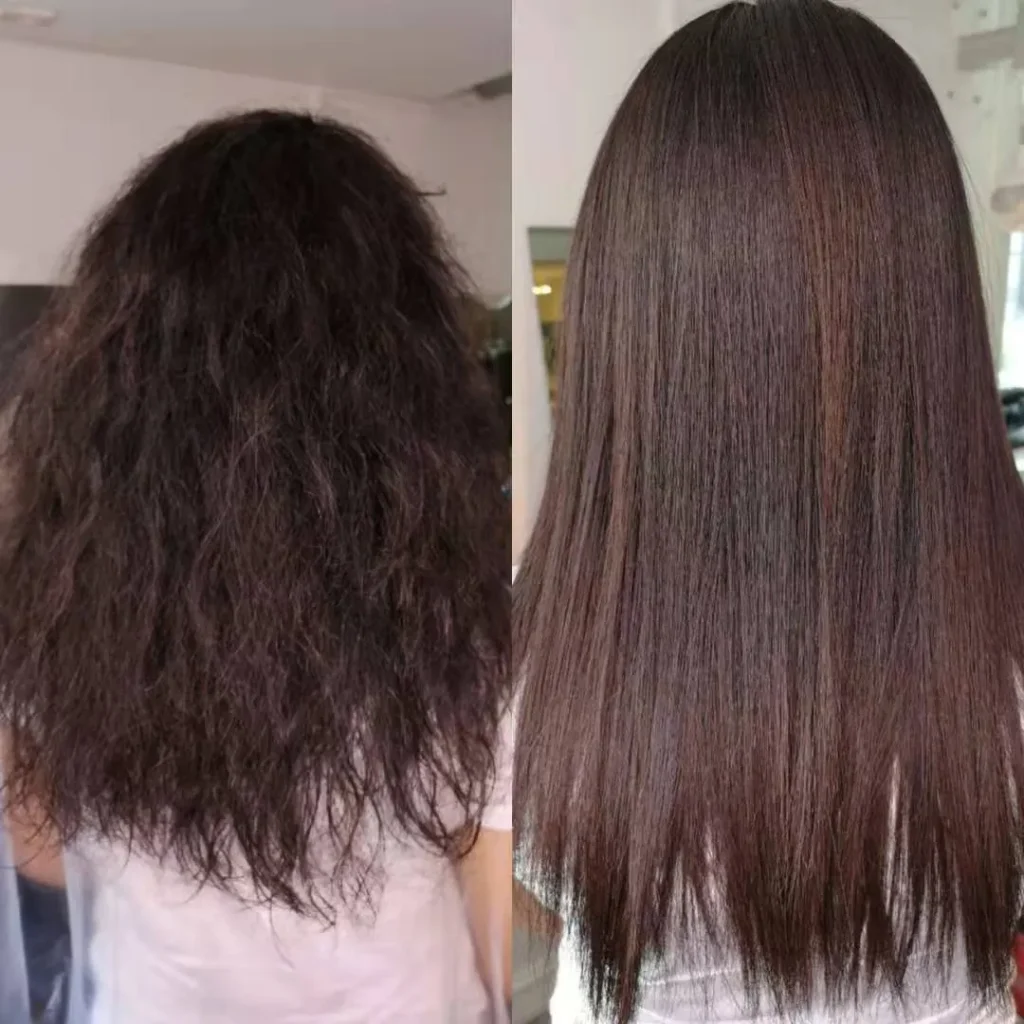
As a result, hair appears smoother, shinier, and easier to manage.
Keratin does not “change” the natural structure of hair permanently, but it can temporarily improve the appearance and feel of damaged or frizzy hair.
Benefits of Keratin for Hair
Keratin is commonly used because it provides both cosmetic and structural benefits for hair appearance.
1. Reduces Frizz
Keratin helps smooth the outer layer of hair, which reduces frizz caused by humidity and dryness.
2. Improves Hair Smoothness
Hair feels softer and looks more polished after keratin-based care or treatment.
3. Enhances Shine
By smoothing the cuticle layer, keratin allows light to reflect better off the hair surface.
4. Makes Hair Easier to Manage
Hair becomes easier to comb, style, and control, especially for thick or unruly hair types.
5. Helps Visually Repair Damage
While keratin does not permanently repair broken hair, it can temporarily improve the appearance of damaged strands.
How Keratin Treatment Works
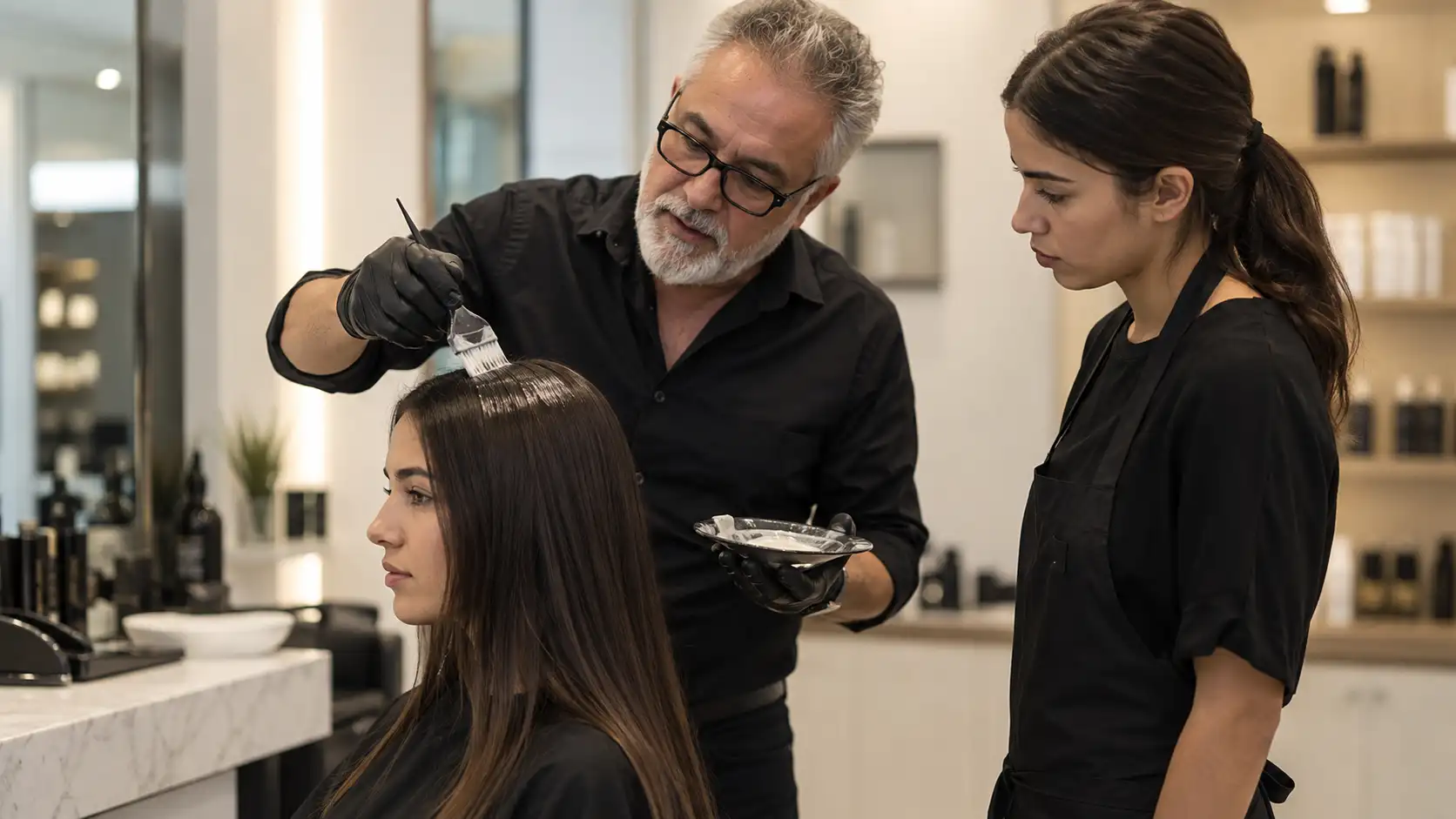
A professional keratin treatment is a smoothing process that applies a keratin-based formula to the hair.
The general process includes:
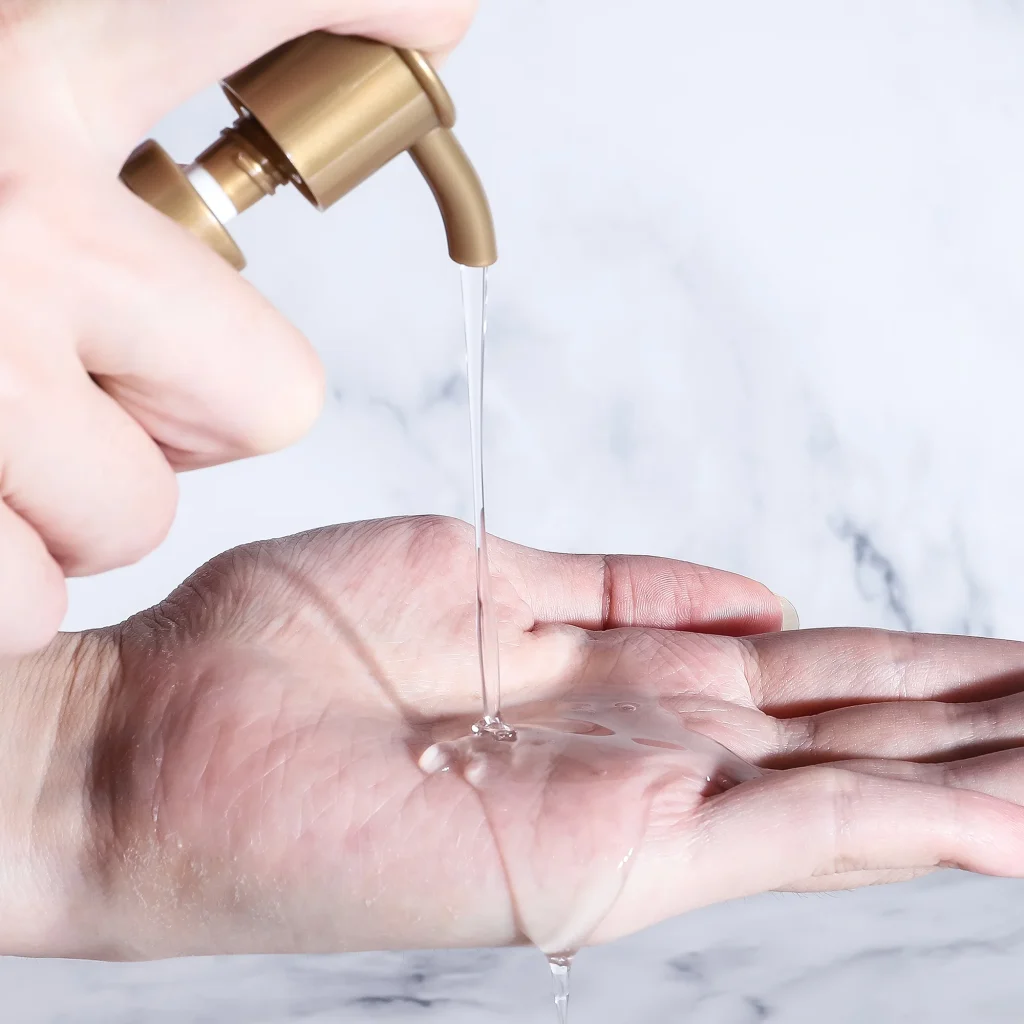
- Hair is washed with a deep-cleansing shampoo (Clarifying Shampoo)
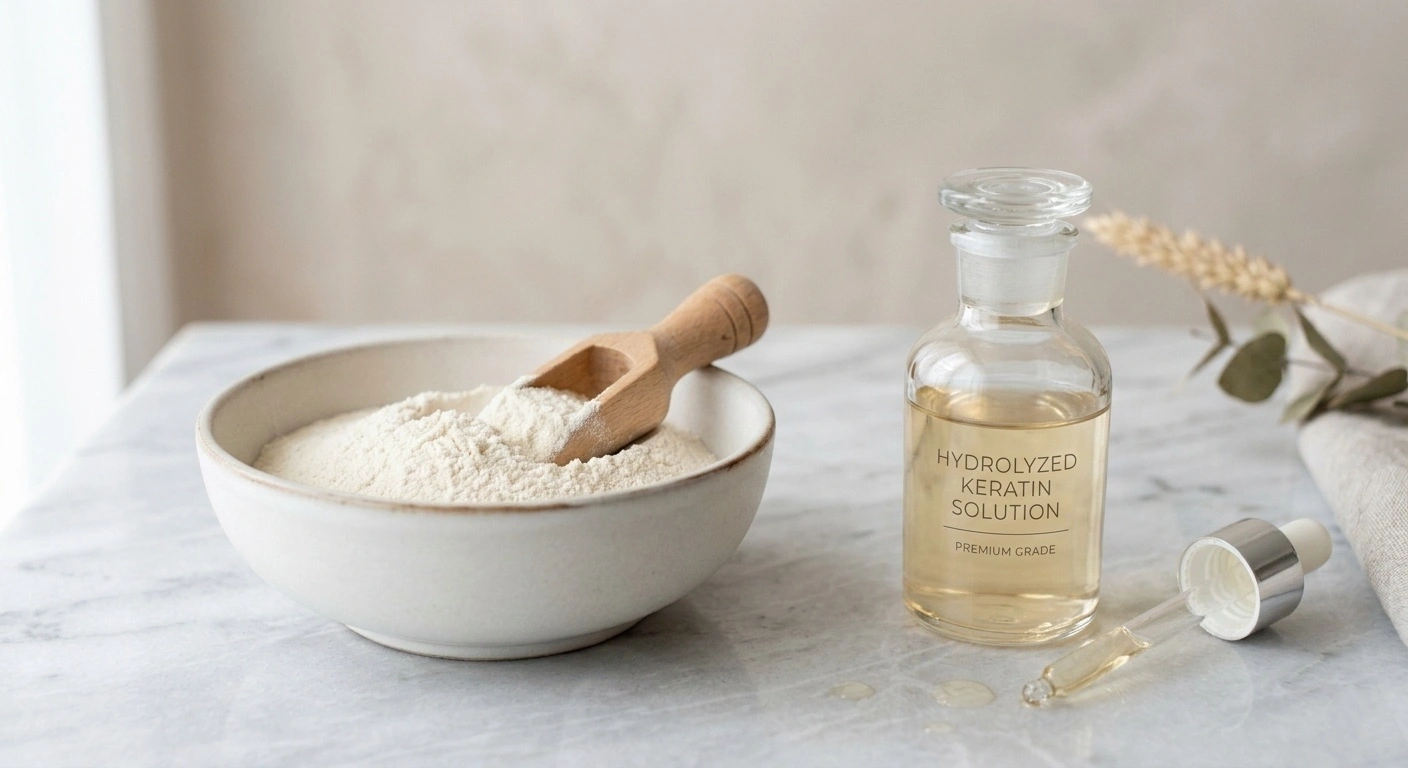
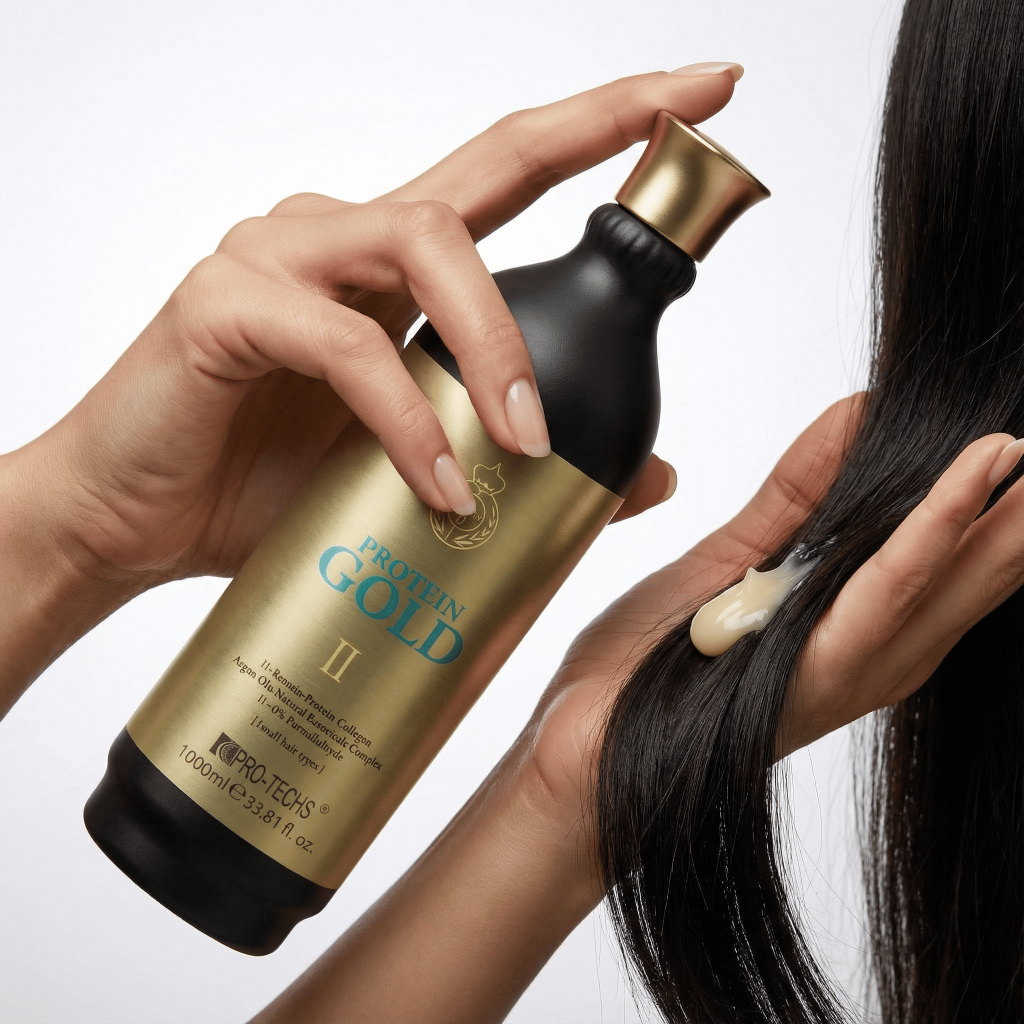
- Keratin solution is applied evenly to the hair
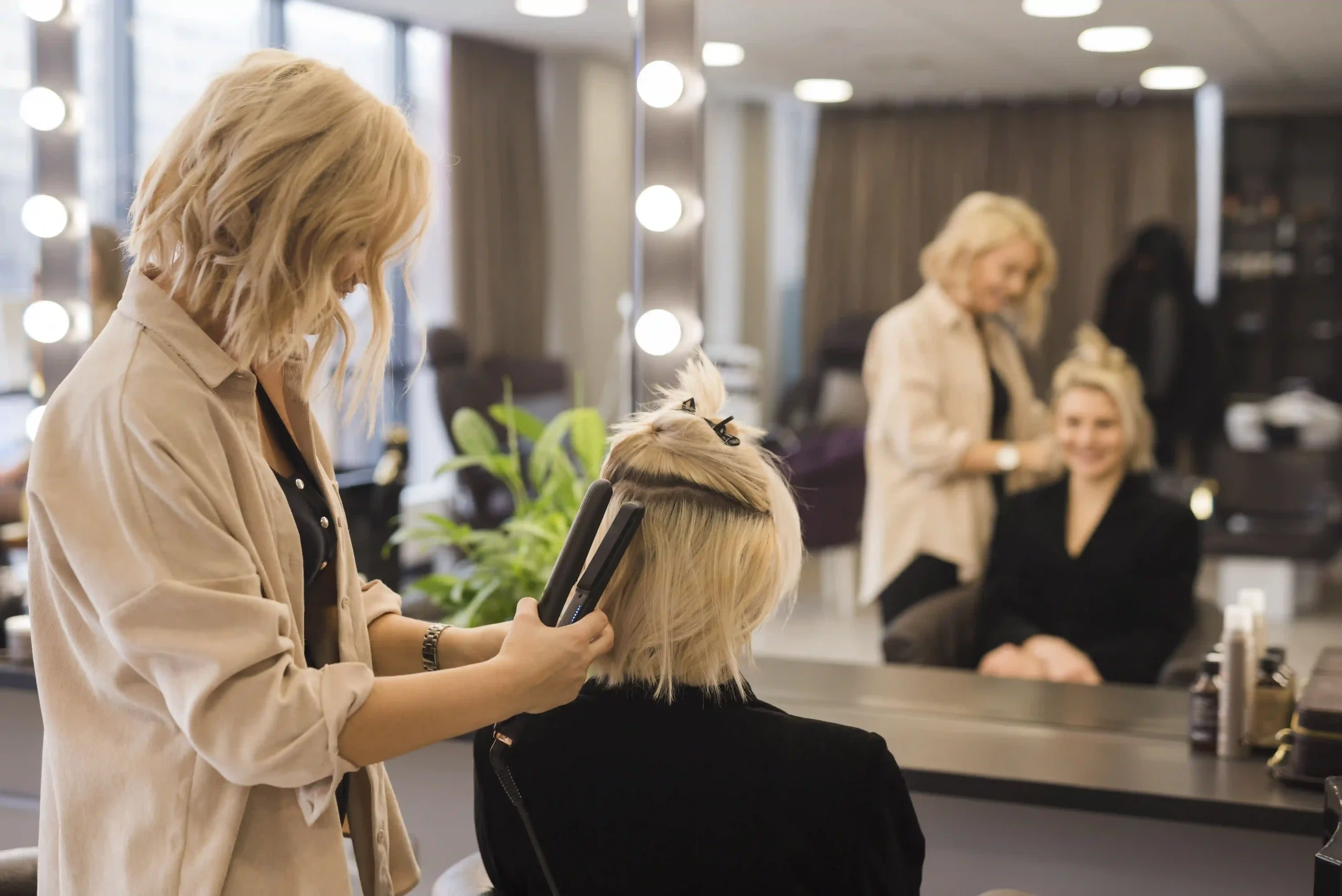
- The product is sealed into the hair using heat (flat iron)
- Hair is left smooth and coated with a protective layer
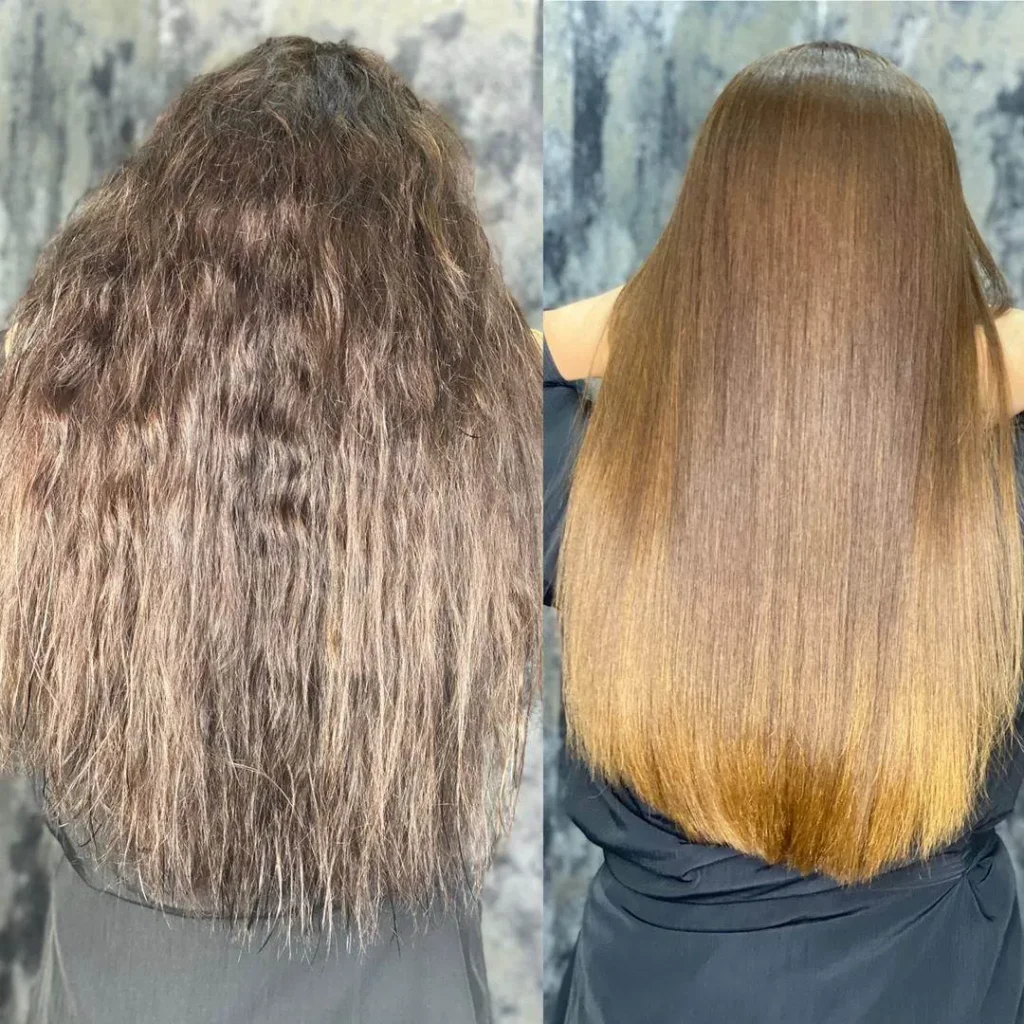
After treatment, hair usually appears straighter, smoother, and less frizzy.
Results typically last for several weeks to a few months, depending on hair type and aftercare routine.
Who Should Use Keratin for Hair?
Keratin-based treatments and products are suitable for people who have:
- Frizzy or unmanageable hair
- Dry or damaged hair
- Chemically treated or colored hair
- Hair that reacts strongly to humidity
- Thick hair that is difficult to style
It may not be necessary for very fine or naturally straight hair unless additional smoothness or shine is desired.
Is Keratin Safe for Hair?
Keratin itself is a natural protein already found in hair, so it is generally safe when used properly.
However, safety depends on the formulation and application method. Professional treatments may vary in ingredients, and some formulas can include chemicals used for smoothing effects.
Important points to consider:
- Always choose professional or trusted formulations
- Avoid over-processing hair with frequent treatments
- Follow proper aftercare instructions
When used correctly, keratin treatments are widely considered safe for cosmetic hair smoothing.
Keratin Hair Care Tips After Treatment
To maintain results after a keratin treatment or using keratin products, proper aftercare is important.
Harsh shampoos can remove the smoothing layer faster.
Avoid frequent washing
Washing hair too often can shorten treatment duration.
Minimize heat damage
Use heat protection products when styling with hot tools.
Avoid saltwater and chlorine
These can weaken the keratin coating on the hair.
Use gentle hair care products
Mild and nourishing formulas help extend results.
Conclusion
Keratin is a key structural protein that plays an essential role in hair strength and appearance. In hair care, it is widely used to reduce frizz, improve smoothness, and enhance manageability.
While keratin does not permanently repair damaged hair, it can significantly improve how hair looks and feels. For people struggling with frizz, dryness, or damage, keratin-based care can be an effective solution when used correctly and maintained with proper aftercare.
Looking for Keratin Treatment?
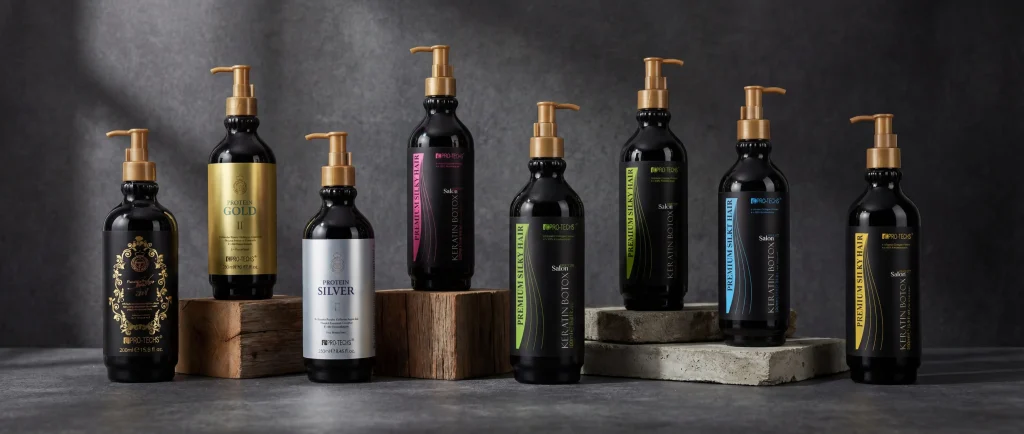
A curated range of keratin-based treatments designed for professional hair care use. Explore formulations for smoothing, frizz control, and salon applications.