
Starting a hair care brand no longer requires owning a factory, developing formulas from scratch, or investing heavily upfront. With the rise of private label manufacturing and digital-first distribution models, entrepreneurs can now enter the hair care industry with relatively low capital—provided they follow a structured approach.
This guide outlines a practical, industry-based framework to help you build a sustainable private label hair care brand from concept to launch and beyond.
The hair care category remains one of the most stable and scalable segments in the global beauty industry. Unlike trend-driven cosmetics, hair care products are used consistently and repurchased frequently across all demographics.
Several structural trends are driving new opportunities:
These dynamics allow new entrants to compete not through scale, but through focus, positioning, and execution.
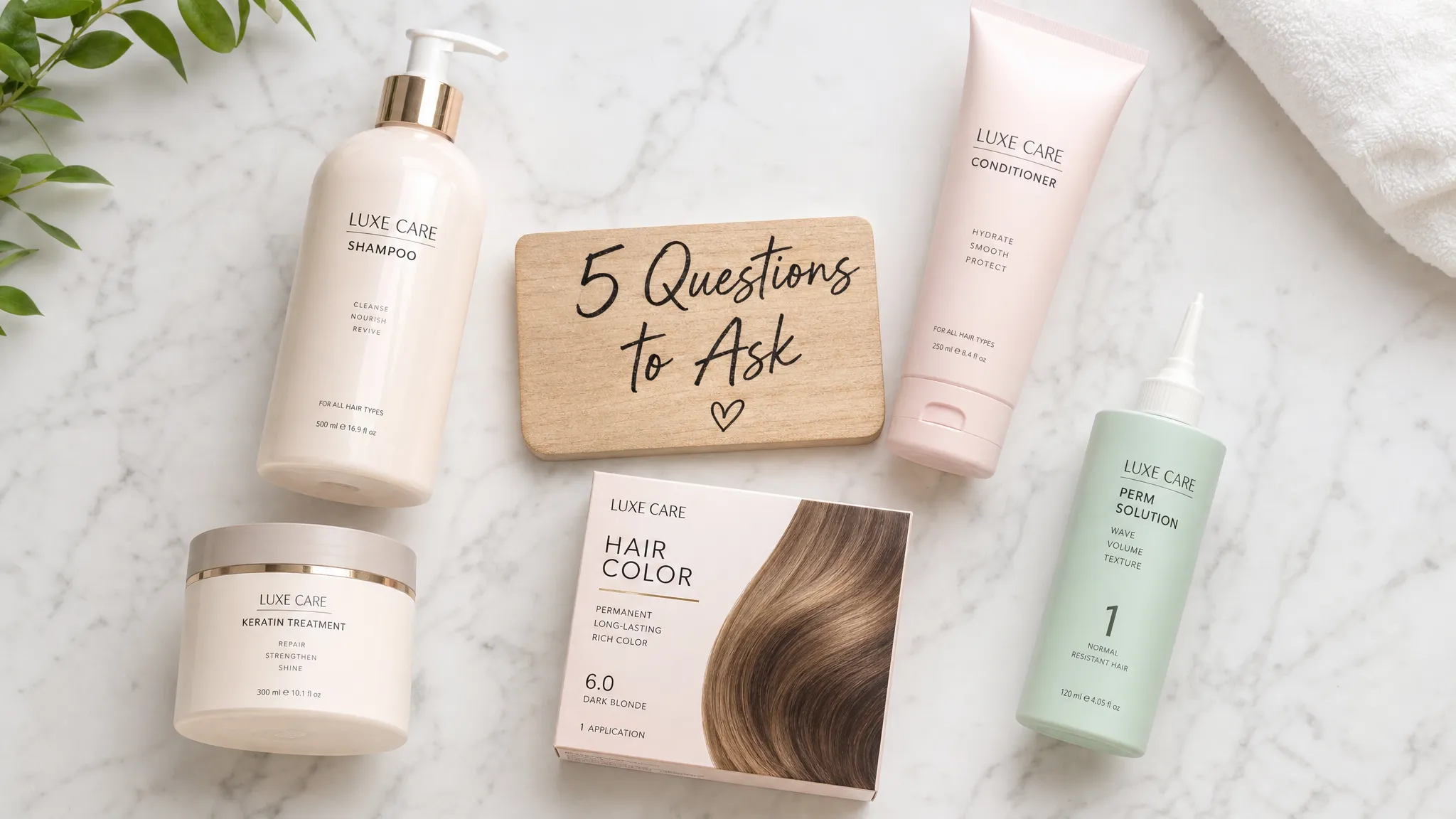
Private label hair care refers to selling pre-developed products manufactured by an established supplier under your own brand name. Instead of investing in formulation development, you focus on branding, positioning, and marketing.
In most cases, private label manufacturers provide:
| Aspect | Private Label | Custom Formulation |
| Upfront cost | Low | High |
| Time to market | Fast (weeks) | Slow (months) |
| MOQs | Low | High |
| Formula ownership | Shared | Exclusive |
| Differentiation | Branding & positioning | Formula-driven |
For most early-stage founders, private label offers the most efficient entry point into the market.
One of the most common mistakes new founders make is choosing products before defining positioning. With One of the most common mistakes new brands make is selecting products before defining a clear market position. In a low-budget launch, clarity is more valuable than product variety.
Instead of launching a generic hair care line, focus on one clearly defined need:
A focused positioning reduces marketing costs, strengthens messaging, and improves conversion rates.
Ask three critical questions:
Successful brands are built on deep customer insight, not product quantity.
Your manufacturer is one of the most important strategic decisions in your brand-building process.
A reliable manufacturing partner should provide:
Avoid selecting suppliers purely based on cost. Low price without stability or compliance can create long-term brand risk.
Before launch:
This step protects your brand before it enters the market.

In private label hair care, branding is your primary competitive advantage.
A strong brand should clearly communicate:
Clear positioning allows small brands to compete with larger companies through clarity rather than scale.
Packaging is not just visual design—it directly influences perception and trust.
Effective packaging:
Minimalist, clean, and functional design often performs better than overly complex visuals, especially for ingredient-driven brands.
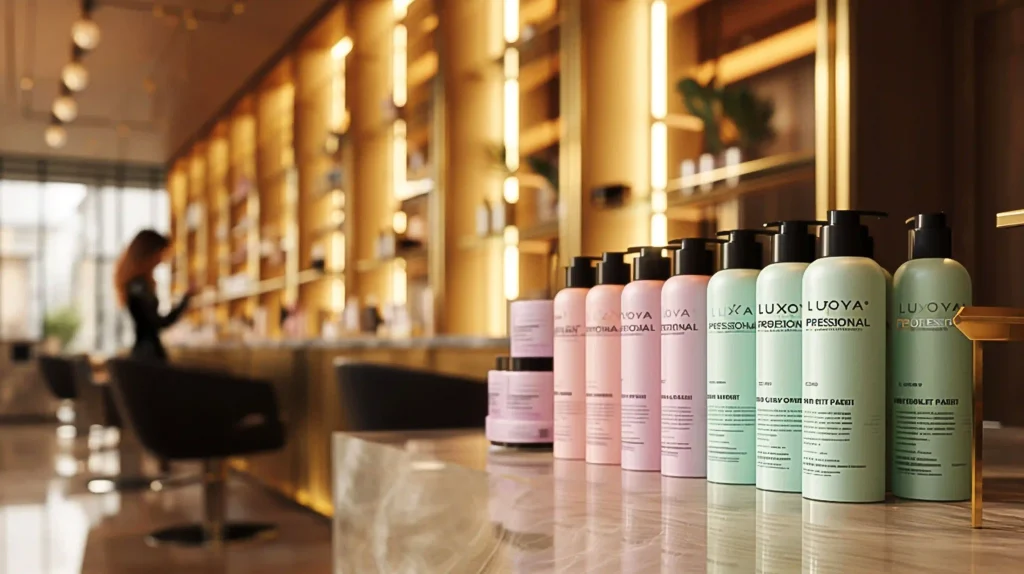
At the beginning stage, you do not need multiple sales channels. A focused approach is more effective.
Choose one of the following:
Start small, test demand, and expand only after confirming product-market fit.
With limited budget, prioritize:
Trust-building content consistently outperforms early-stage paid advertising.
Even with a low-investment model, compliance is essential and non-negotiable.
Key requirements include:
A professional manufacturer should support most of these requirements.
Low investment does not mean zero financial planning. Strategic allocation is essential.
Typical early-stage expenses include:
To reduce risk:
Reinvest profits gradually instead of overproducing upfront
Start with fewer SKUs
Produce smaller initial batches
Private label is not the final destination—it is a launch strategy.
As your brand grows, you can evolve into:
Many established hair care brands began with private label and later transitioned into fully proprietary product lines.
Launching a private label hair care brand with low investment is not about shortcuts—it is about making the right strategic decisions early.
Long-term success depends on:
With the right structure in place, private label hair care offers one of the most accessible and scalable entry points into the global beauty industry today.
Explore how our private label solutions can help you develop market-ready hair care products with efficient production, stable quality, and flexible branding options.