

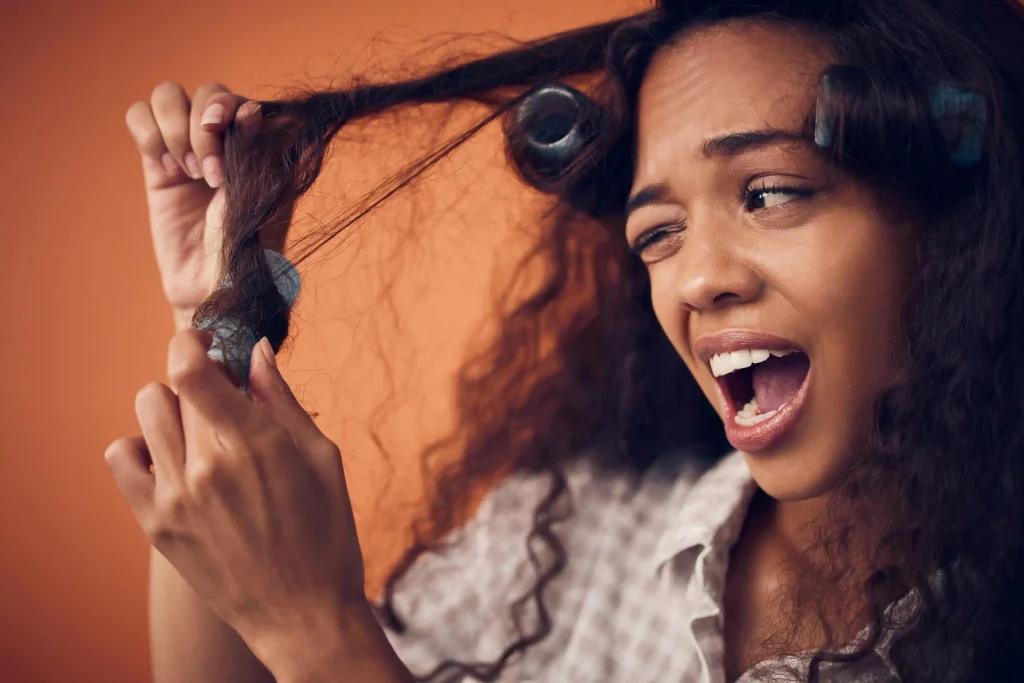
Frizz is often misunderstood as a simple surface-level nuisance. In reality, it is a complex physical reaction occurring within the hair’s cuticle—the outermost protective layer of the strand. When the cuticle is raised or damaged, moisture from the atmosphere penetrates the hair shaft, causing the internal structure to swell and expand unevenly.
Achieving a long-lasting, smooth finish requires moving beyond basic styling products and embracing a scientific approach to hair health. This guide outlines the professional methods, essential ingredients, and critical “no-go” zones for 2026.
Professional frizz control is a multi-step process that begins in the shower and ends with structural maintenance. The focus has shifted from “covering up” frizz to “structural sealants.”
High-temperature water is the primary enemy of a smooth cuticle. Heat causes the hair shaft to expand and the cuticle scales to lift.
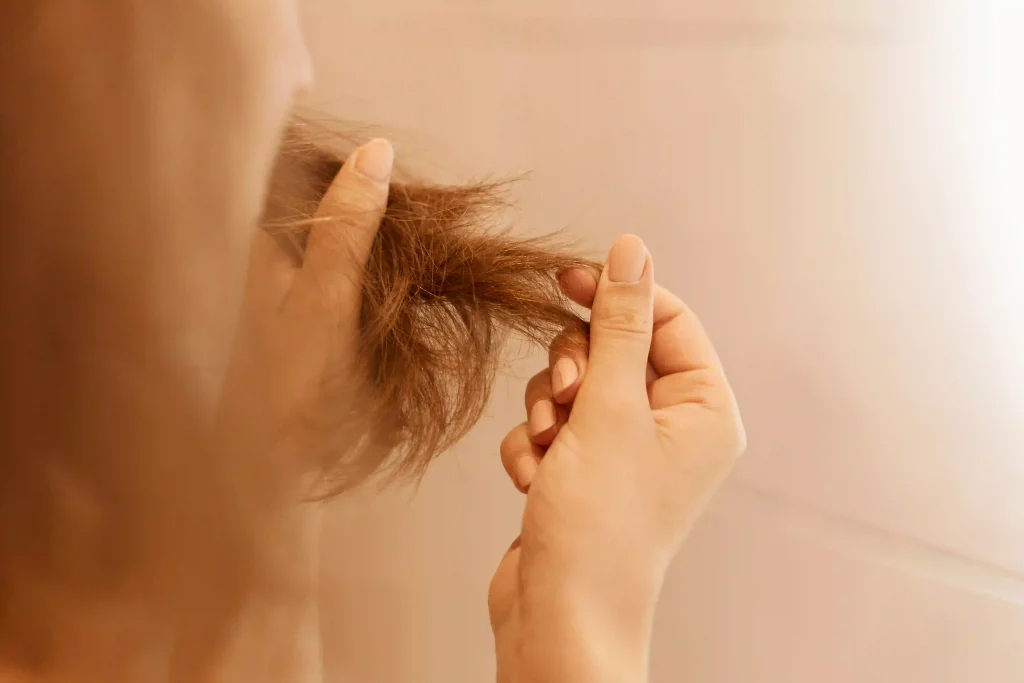
Timing is as critical as the product itself. Applying anti-frizz agents to hair that is already air-drying is often too late.
The industry is moving away from heavy, non-soluble silicones toward biomimetic and bio-fermented actives that offer performance without the “plastic” buildup of previous decades.
| Ingredient Category | Recommended Actives | Primary Function |
| Biomimetic Keratins | Hydrolyzed Keratin Peptides | Patches microscopic gaps in the cuticle where moisture leaks in. |
| Plant-Derived Lipids | Hemisqualane, Jojoba Esters | Mimics natural sebum to provide “slip” without greasy weight. |
| Eco-Silicone Alternatives | Hydrogenated Ethylhexyl Olivate | Provides a high-gloss finish while remaining biodegradable. |
| Humectant Stabilizers | Fermented Rice Water, Hyaluronic Acid | Keeps internal moisture balanced so the hair doesn’t “reach” for humidity. |
Success in frizz control is often defined by what not to do. Avoid these high-friction and high-heat habits to maintain structural integrity.
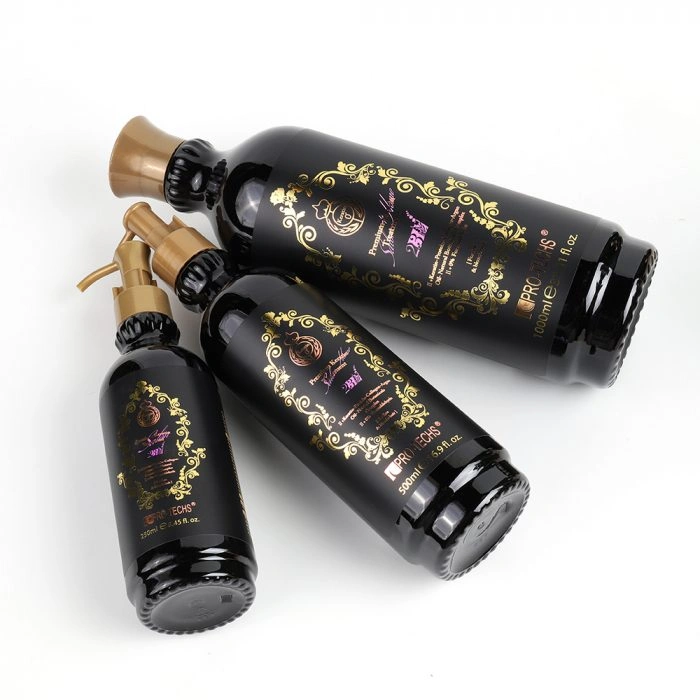
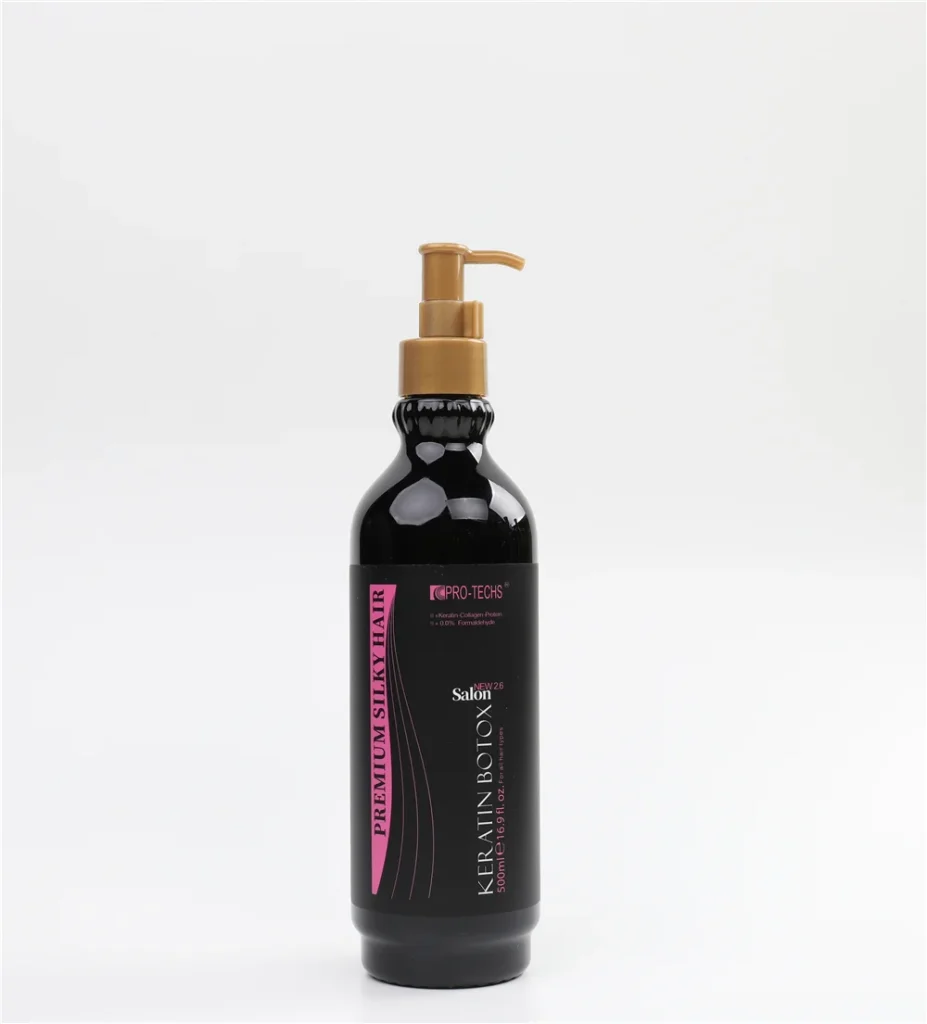
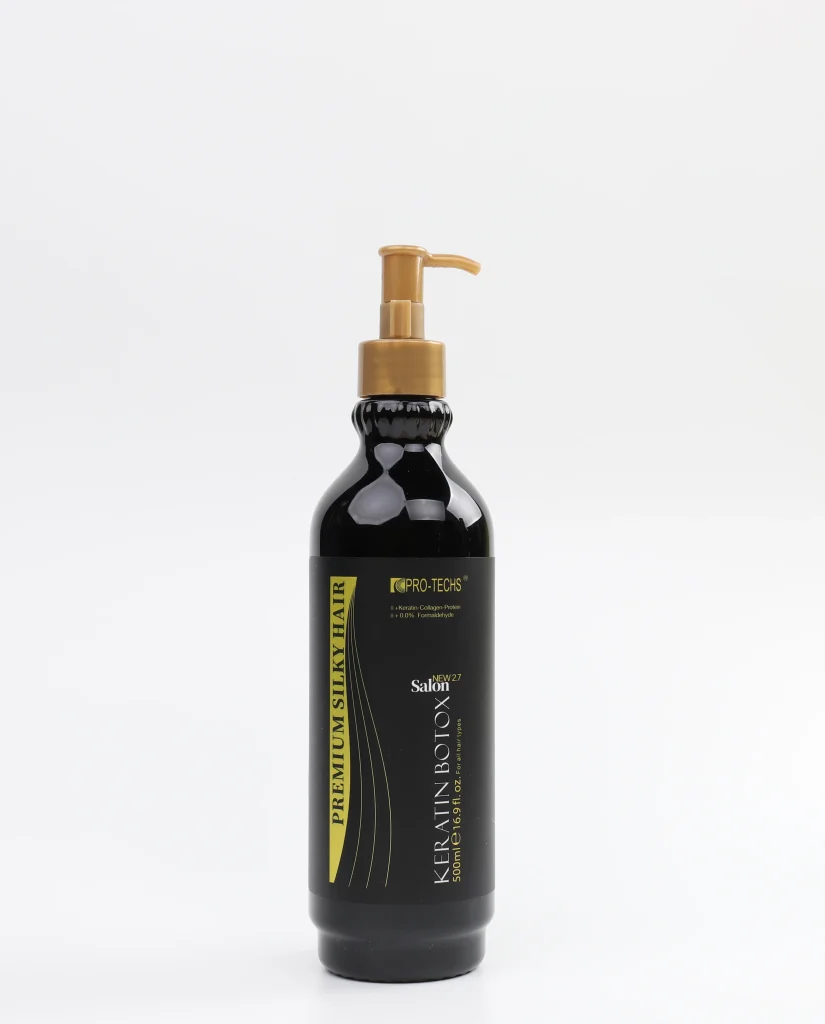
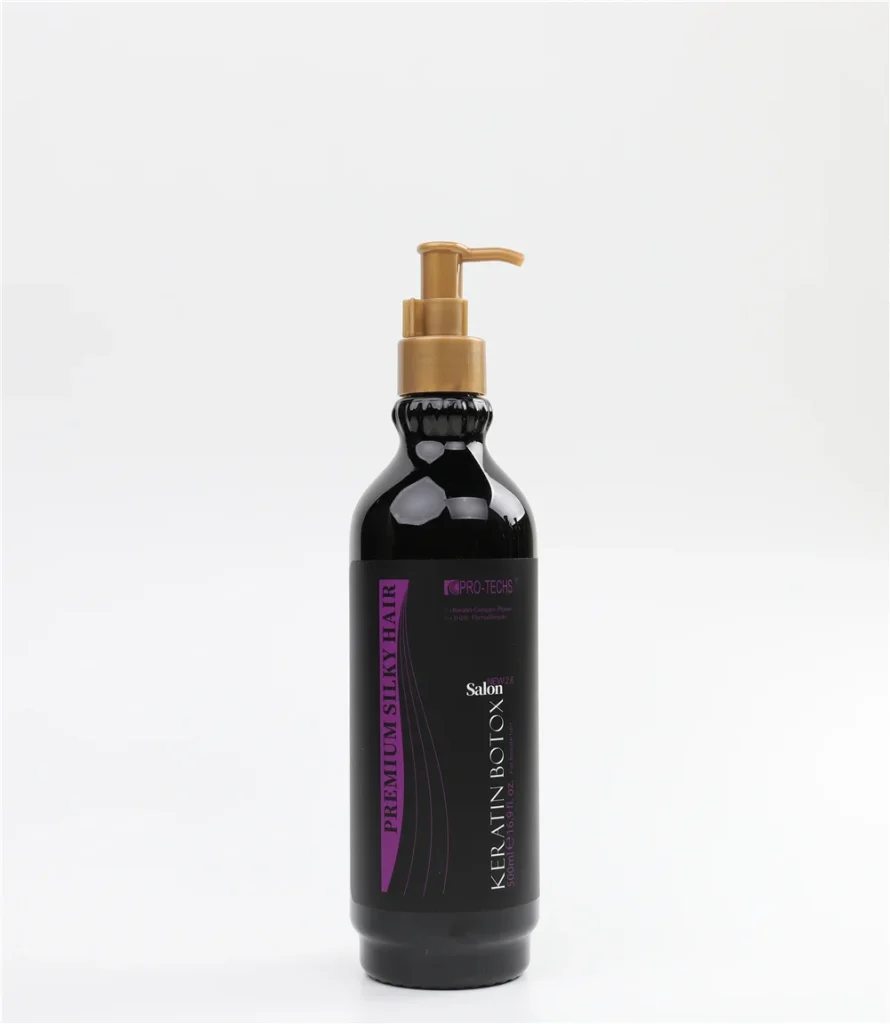
For those dealing with extreme humidity or high-porosity hair, daily products may not be sufficient. Professional salon interventions provide a more permanent structural shield.
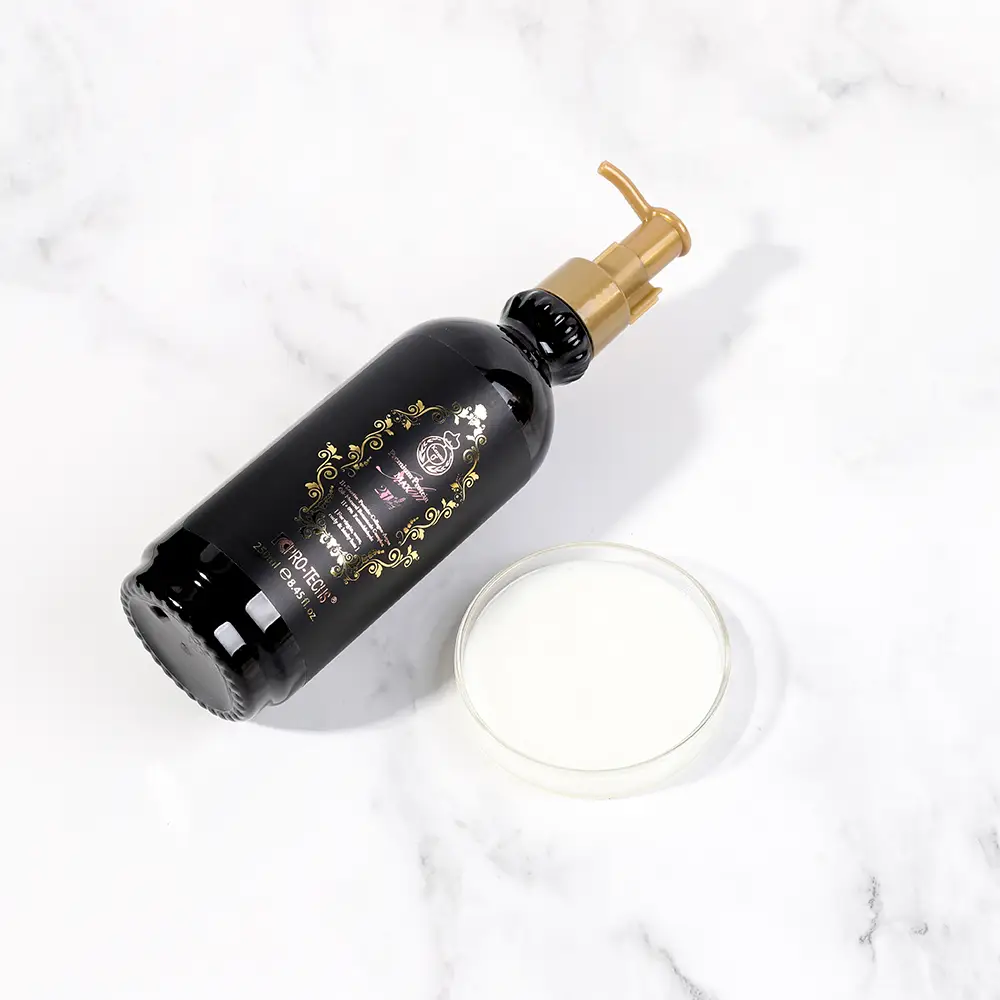
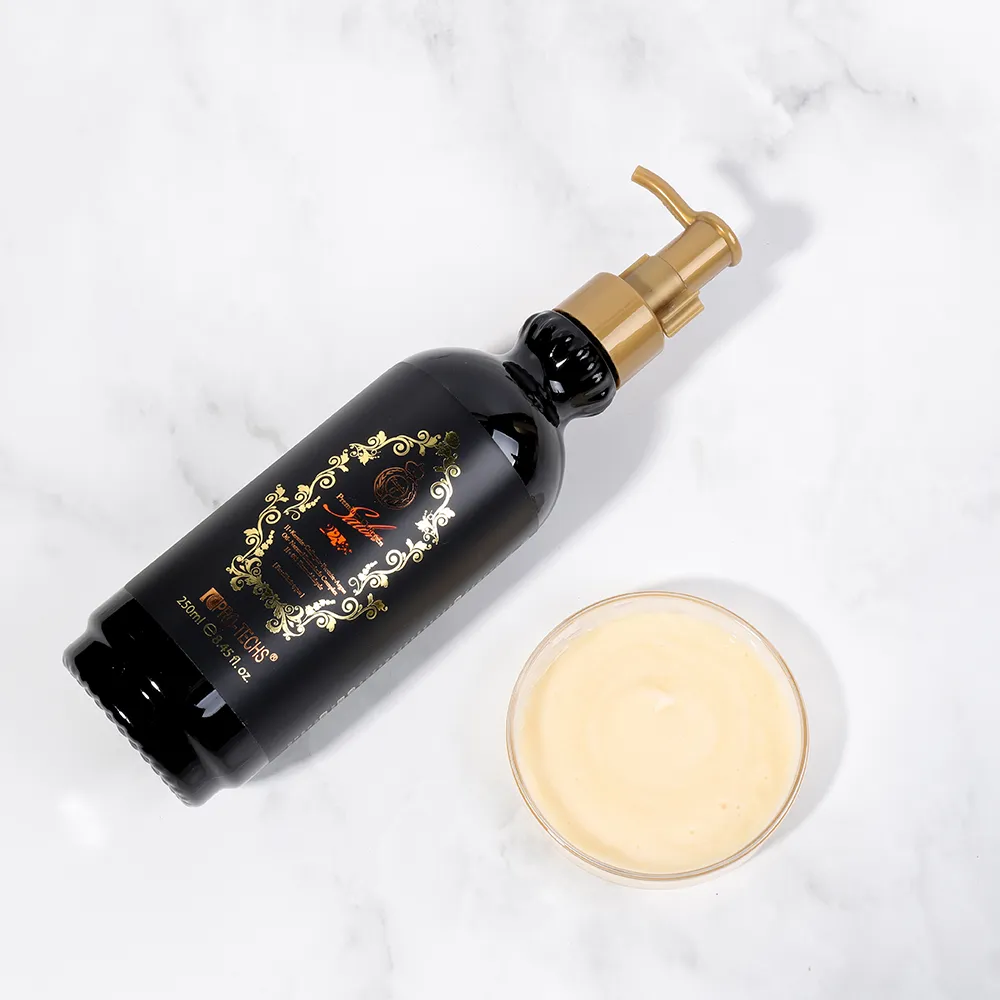
A: Oil is a sealant, not a hydrator. If the hair is dry internally, applying oil just “traps” the dryness inside. Ensure a hydrating leave-in (water-based) is applied before the oil-based sealant.
A: Yes. Mineral deposits from hard water (like calcium and magnesium) create a rough film on the hair, preventing the cuticle from closing. Using a chelating shampoo once every two weeks is recommended for those in hard water areas.
A: Not necessarily. For many hair types, a controlled blow-dry with a nozzle directed downwards helps mechanically seal the cuticle. Air-drying in humid environments allows the hair to absorb moisture and swell for a longer period.
A: Absolutely. Just as professional samples are kept in a retention room to maintain stability, hair needs a stable environment. Sleeping on a silk pillowcase creates a “micro-retention” environment that prevents moisture loss and friction during the night.