
The problem:
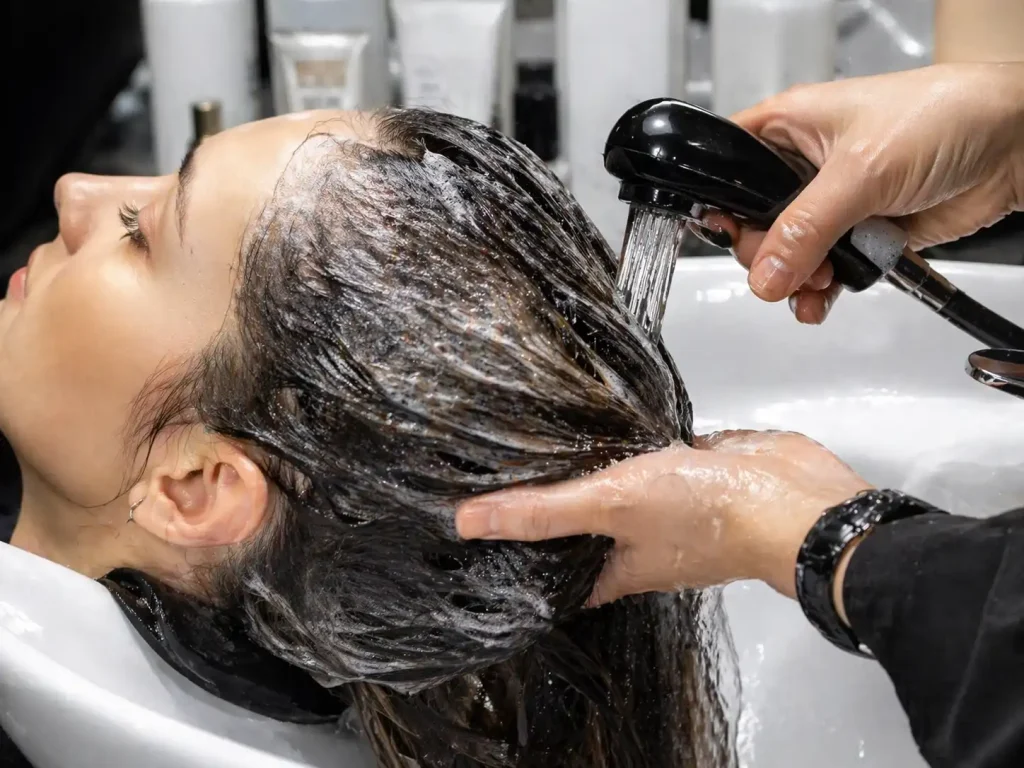
One of the most overlooked issues happens before the treatment even begins. Hair that still contains oil, silicone, or styling buildup creates a physical barrier on the surface of the cuticle. Keratin treatments rely on direct contact with the hair structure to penetrate and form a smoothing layer. When this barrier exists, the product cannot enter evenly and instead sits on top of the hair. This leads to weak results, uneven smoothness, and shorter-lasting effects.
At the same time, overly aggressive cleansing can damage the cuticle. If the cuticle is lifted too much, the hair becomes overly porous, causing inconsistent absorption and poor retention during heat sealing.
How to solve it:
Use a professional anti-residue or clarifying shampoo to remove buildup without damaging the hair structure. Washing the hair more than once ensures complete cleansing, especially for heavily styled or oily hair. Avoid conditioner at this stage, as it can smooth the cuticle too early and reduce keratin penetration.
The problem:
Hair is not uniform across the head. Some areas may be chemically treated, bleached, or more porous than others. These differences affect how the hair absorbs and reacts to keratin. Highly porous areas absorb more product but are also more sensitive to heat, while healthier sections may resist absorption.
If the same technique is applied everywhere, the result becomes uneven. Some areas may feel over-processed and stiff, while others still show frizz.
How to solve it:
Assess the hair before starting. Identify differences in porosity, damage, and previous chemical treatments. Adjust product amount, heat level, and technique accordingly to create balanced results across all sections.
The problem:
Freshly colored hair is not fully stable. Dye molecules are still settling inside the cortex, and the cuticle may still be slightly open. Keratin treatment involves deep cleansing and high heat, both of which can disturb these newly deposited pigments.
Heat accelerates oxidation, while clarifying shampoo can remove loosely bound dye molecules. This is why color fading or tone change often occurs when keratin is done too soon after coloring.
How to solve it:
Allow enough time between coloring and keratin treatment so the pigment can stabilize. This reduces the risk of color loss and ensures a more predictable result.
The problem:
Hair moisture directly affects how keratin behaves. When the hair is too wet, the product becomes diluted, reducing its concentration and ability to form a strong coating. When the hair is too dry, the product does not spread evenly and can create patchy coverage.
This imbalance leads to inconsistent smoothing and uneven results across the hair.
How to solve it:
Control the moisture level carefully. Hair should be partially dried (around 80–90%) or prepared according to the product system. This ensures the keratin adheres evenly and distributes consistently across all sections.
The problem:
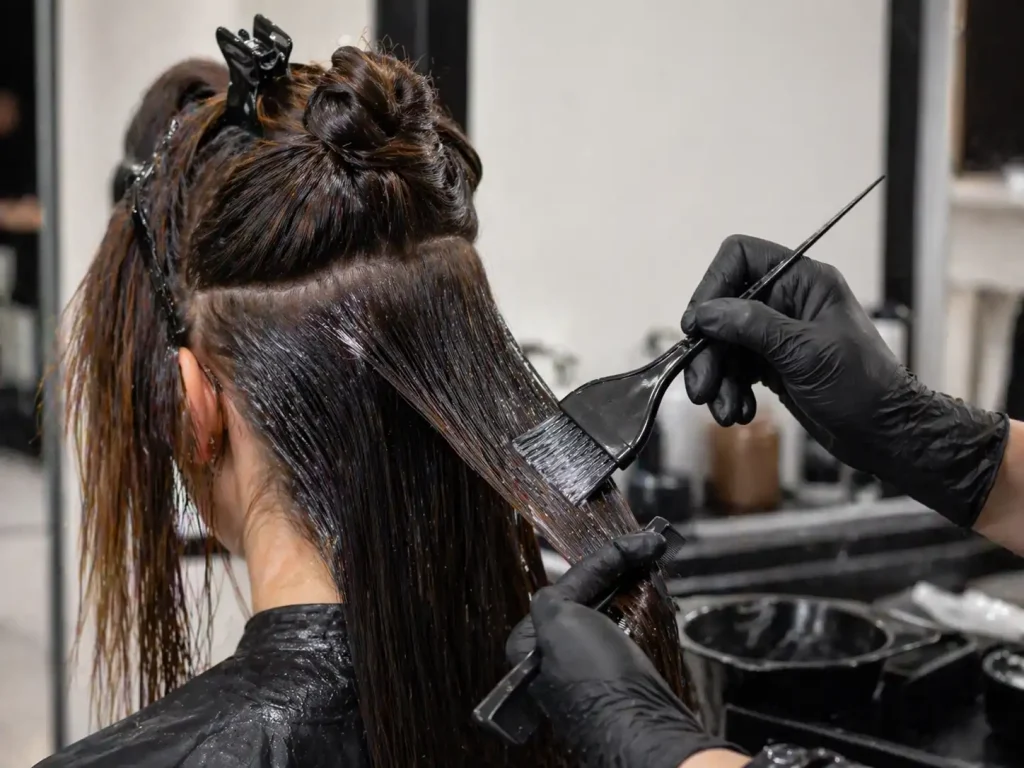
Keratin works by forming a controlled layer over the hair. When too much product is applied, the excess cannot fully bond during heat activation. Instead, it remains on the surface and can burn, harden, or create a heavy coating effect.
Too little product, on the other hand, breaks the continuity of the treatment. Some strands remain untreated, leading to uneven texture and incomplete frizz control.
How to solve it:
Apply a light, even layer and distribute it with a fine-tooth comb. This ensures full coverage while removing excess product, allowing the keratin to integrate properly instead of sitting on the surface.
The problem:
Keratin treatment depends on both product distribution and heat exposure. When sections are too large or inconsistent, neither can be controlled properly. Thicker sections prevent heat from reaching inner strands, while uneven sections create variation in product application.
This results in mixed outcomes—some areas smooth and others still frizzy.
How to solve it:
Work in small, clean sections. This allows for precise control during both application and flat ironing, ensuring every strand receives equal treatment.
The problem:
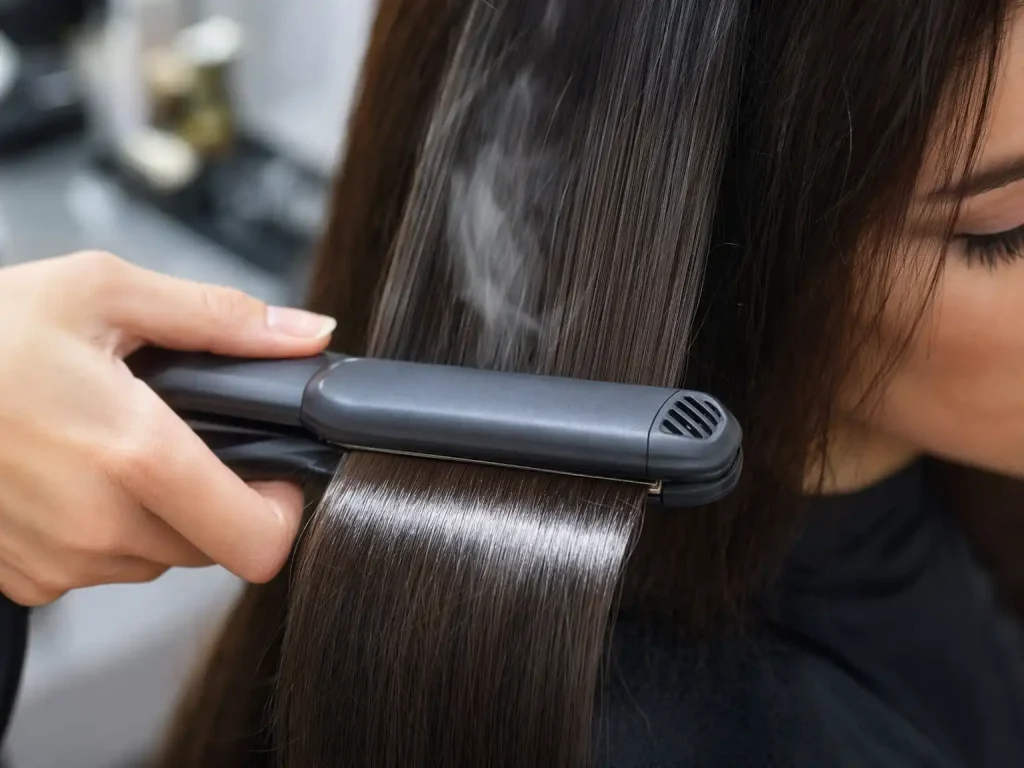
Heat is what activates and seals keratin into the hair. If the temperature is too low, the product does not bond properly, leading to short-lived results. If the temperature is too high, it can damage the hair’s internal protein structure or affect color-treated hair.
In addition, poor technique—such as moving too fast or using inconsistent pressure—prevents even heat distribution, resulting in incomplete sealing.
How to solve it:
Adjust temperature based on hair type and condition. Use slow, controlled passes with consistent pressure to ensure even heat activation across all sections.
The problem:
Moisture inside the hair interferes with heat transfer. When flat ironing is done on damp hair, energy is used to evaporate water instead of activating keratin. This weakens the sealing process and can lead to inconsistent results.
In some cases, steam generated inside the hair can disrupt cuticle alignment, reducing smoothness.
How to solve it:
Ensure the hair is completely dry before using a flat iron. A fully dry and aligned structure allows heat to directly activate the keratin and seal it effectively.
The problem:
After treatment, keratin needs time to fully bond and stabilize within the hair structure. Early exposure to water causes the hair shaft to swell, which disrupts the bonding process and weakens the smoothing effect.
This often leads to frizz, uneven texture, or reduced longevity.
How to explain to clients:
Clearly explain that the treatment is still setting during the first 48–72 hours. Avoiding water allows the keratin layer to fully stabilize and deliver long-lasting results.
The problem:
Many regular shampoos contain strong detergents such as sulfates, which strip away the keratin layer from the hair surface. This breaks down the treatment faster than expected and reduces its lifespan.
How to explain to clients:
Explain that keratin is not permanent and can be removed by harsh cleansing. Using gentle, sulfate-free products helps maintain the smoothing effect for a longer period.
The problem:
Keratin smooths the cuticle and reduces internal friction between hair fibers. While this creates shine and softness, it also reduces natural lift at the roots. Over-application near the scalp can make this effect more noticeable.
How to explain to clients:
Set expectations before the treatment. Explain that smoother hair naturally has less volume, but proper technique can maintain some root lift.
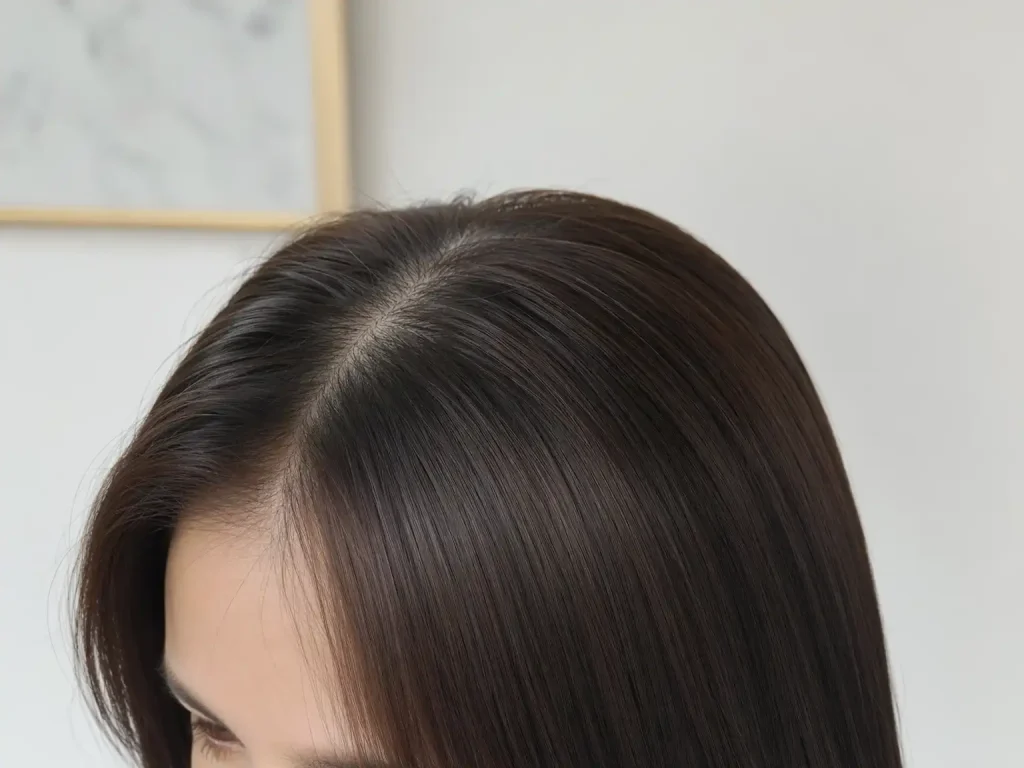
Keratin treatment is a process where chemistry (product), physics (heat), and technique (application) all work together.
Most problems—whether fading, uneven texture, or weak results—come from losing control at one of these steps. When each stage is properly managed, the treatment delivers consistent, smooth, and long-lasting results.
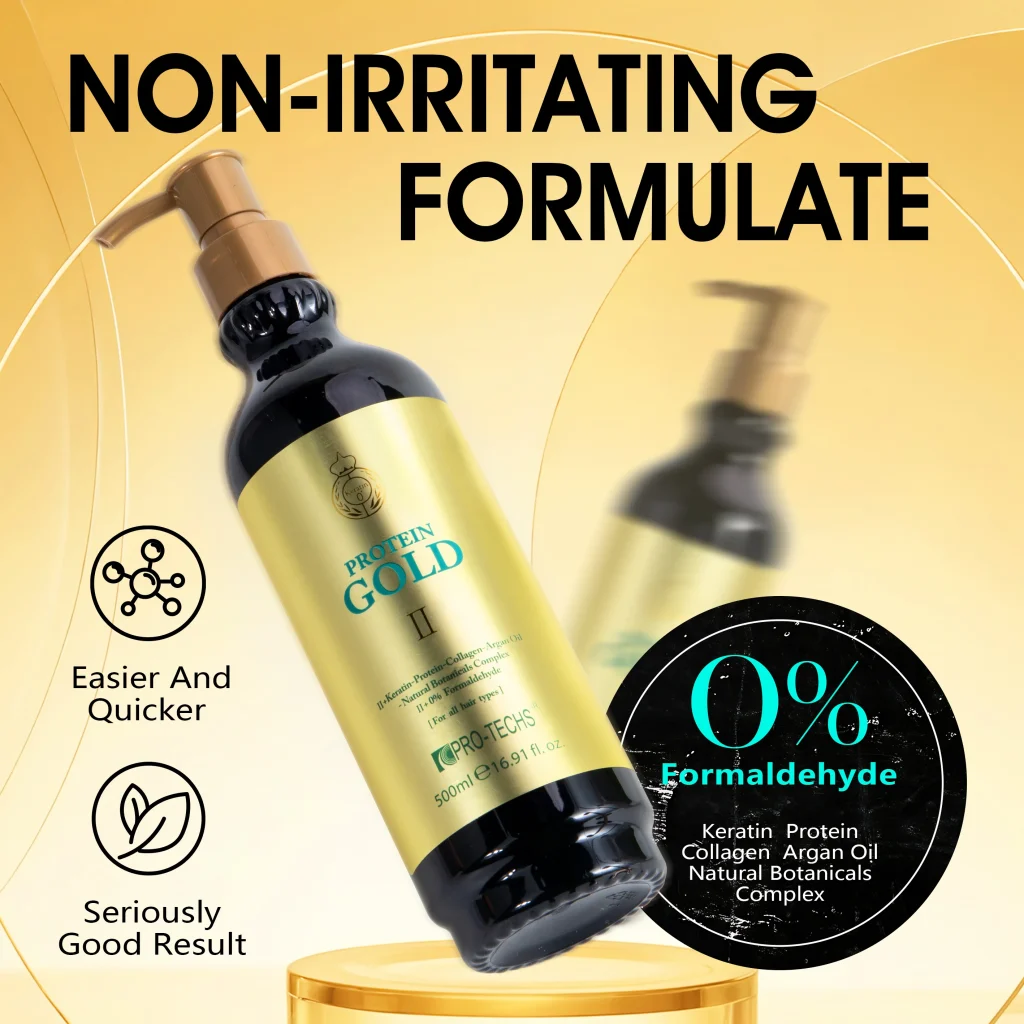
After understanding the most common keratin treatment mistakes, explore our easy-to-use professional keratin systems designed for consistent, smooth and reliable results.