A keratin treatment is a transformative investment for anyone seeking frizz-free, manageable, and mirror-like shine. However, a common dilemma arises for those who also love their hair color: How do these two chemical processes interact? To maintain both the structural integrity of your strands and the vibrancy of your pigment, timing is everything. This guide explores the professional science behind hair sequencing to ensure your post-keratin hair care routine yields salon-perfect results.
The Golden Rule: Timing Your Color and Keratin
The short answer is yes, but the “when” depends entirely on whether you are coloring before or after the treatment.
1. Coloring Before the Treatment
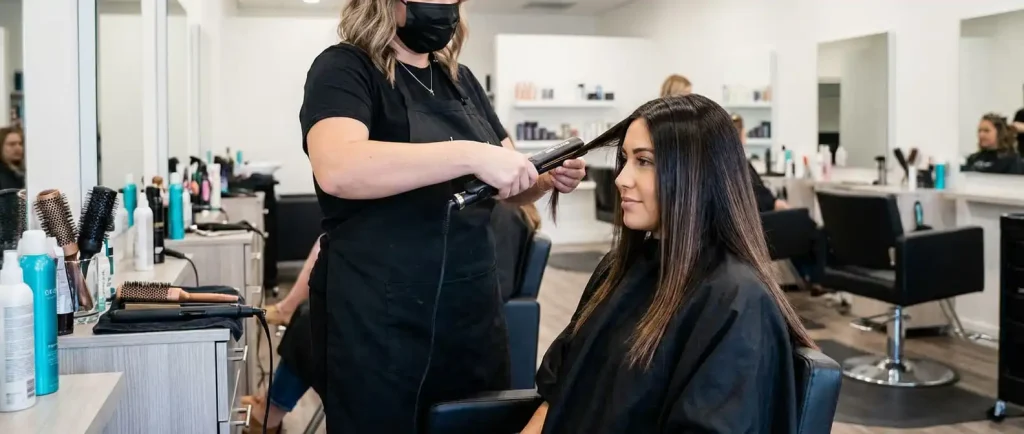
If you plan to dye your hair before your appointment, most stylists recommend doing so at least 3 to 7 days prior.
- The Benefit: The keratin treatment acts as a “sealant.” The protein layer coats the hair cuticle, effectively locking in the fresh pigment and preventing premature fading.
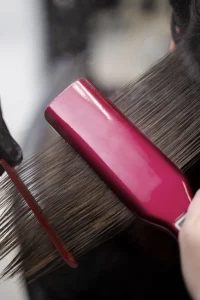
- The Risk: The high heat used during the flat-ironing stage of a keratin treatment can sometimes lighten or “lift” artificial hair color by 1–2 shades. If you are aiming for a very specific, delicate tone, keep this in mind.
2. Coloring After the Treatment
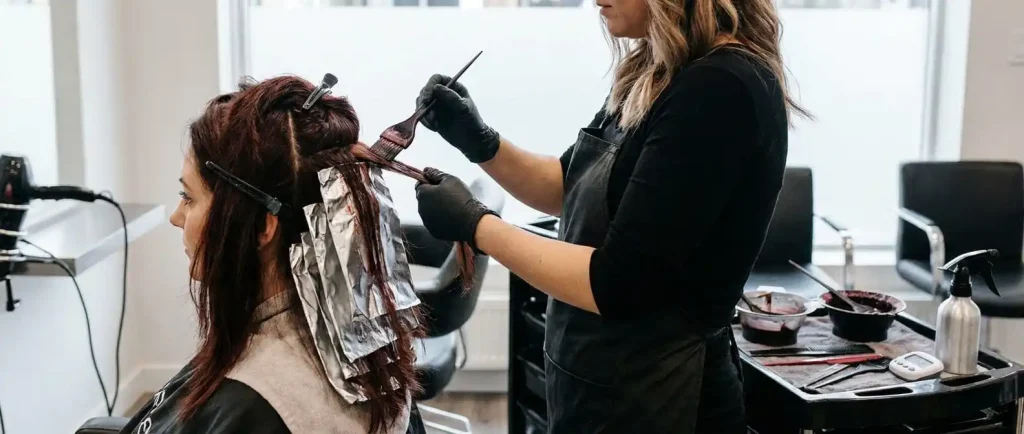
If you have already received a keratin treatment, you must wait at least 2 weeks before applying any color.
- The Science: A keratin treatment works by infusing liquid protein into the hair cortex and sealing the cuticle shut. If you apply color too soon, the dye cannot penetrate this protective protein shield.
- The Consequence: Coloring too early results in “patchy” color absorption and, worse, the ammonia or peroxide in the hair dye will strip away the expensive keratin coating you just paid for.
Critical Factors for Post-Keratin Hair Care
To prolong the life of both your smoothing treatment and your color, your hair maintenance routine must evolve.
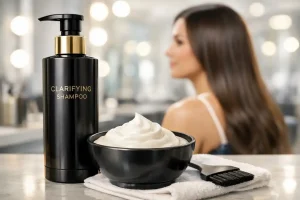
Use Sulfate-Free and Sodium Chloride-Free Products
Standard shampoos contain Sodium Lauryl Sulfate (SLS) and Sodium Chloride (salt). These are the enemies of keratin.
- Sulfates act as harsh detergents that strip the protein layer.
- Sodium Chloride dissolves the keratin bond, leading to a return of frizz.
Pro Tip: Look for “color-safe” and “keratin-safe” labels on all deep conditioning treatments and daily cleansers.
Thermal Protection is Non-Negotiable
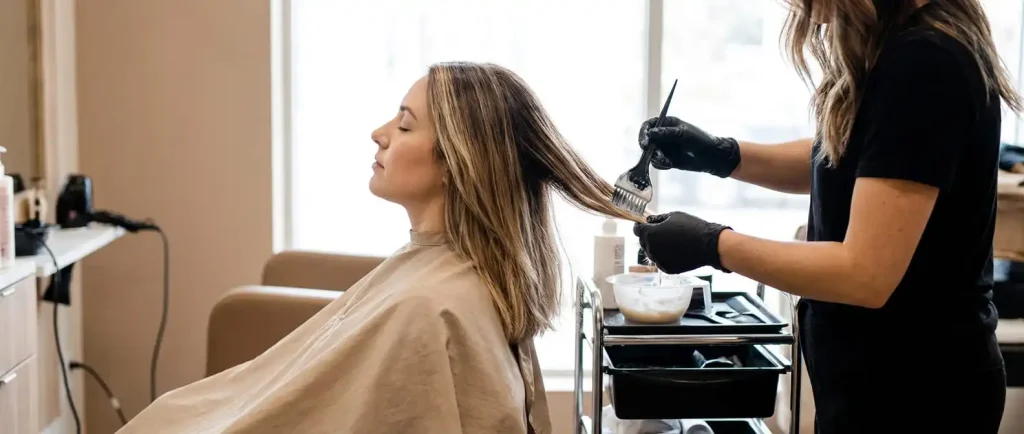
While your hair will look sleek, it is still susceptible to heat damage. Always apply a heat protectant spray before using blow dryers or curling irons. This preserves the internal moisture and prevents the keratin from becoming brittle.
Minimize Washing Frequency
Every time you wash your hair, a microscopic amount of the treatment is rinsed away. To maximize longevity:
- Limit washes to 2–3 times a week.
- Incorporate a high-quality dry shampoo to manage oil between washes.
Professional Keyword Reference for Hair Health
When researching products or consulting your stylist, keep these long-tail keywords and concepts in mind:
| Category | Key Terms to Know |
| Treatments | Formaldehyde-free keratin, Brazilian blowout, Glyoxylic acid smoothing. |
| Coloring | Ammonia-free hair dye, Semi-permanent gloss, Root touch-up. |
| Ingredients | Hydrolyzed silk protein, Argan oil infusion, pH-balanced formulas. |
| Hair Concerns | Cuticle sealing, Porosity control, Tensile strength, Frizz-shielding. |
Conclusion
Combining color and keratin is the ultimate way to achieve a “Pinterest-perfect” mane, provided you respect the 14-day waiting period post-treatment. By allowing the keratin to fully cure, you ensure that your hair remains strong enough to handle the chemical load of coloring while maintaining that signature silky finish.