Introduction
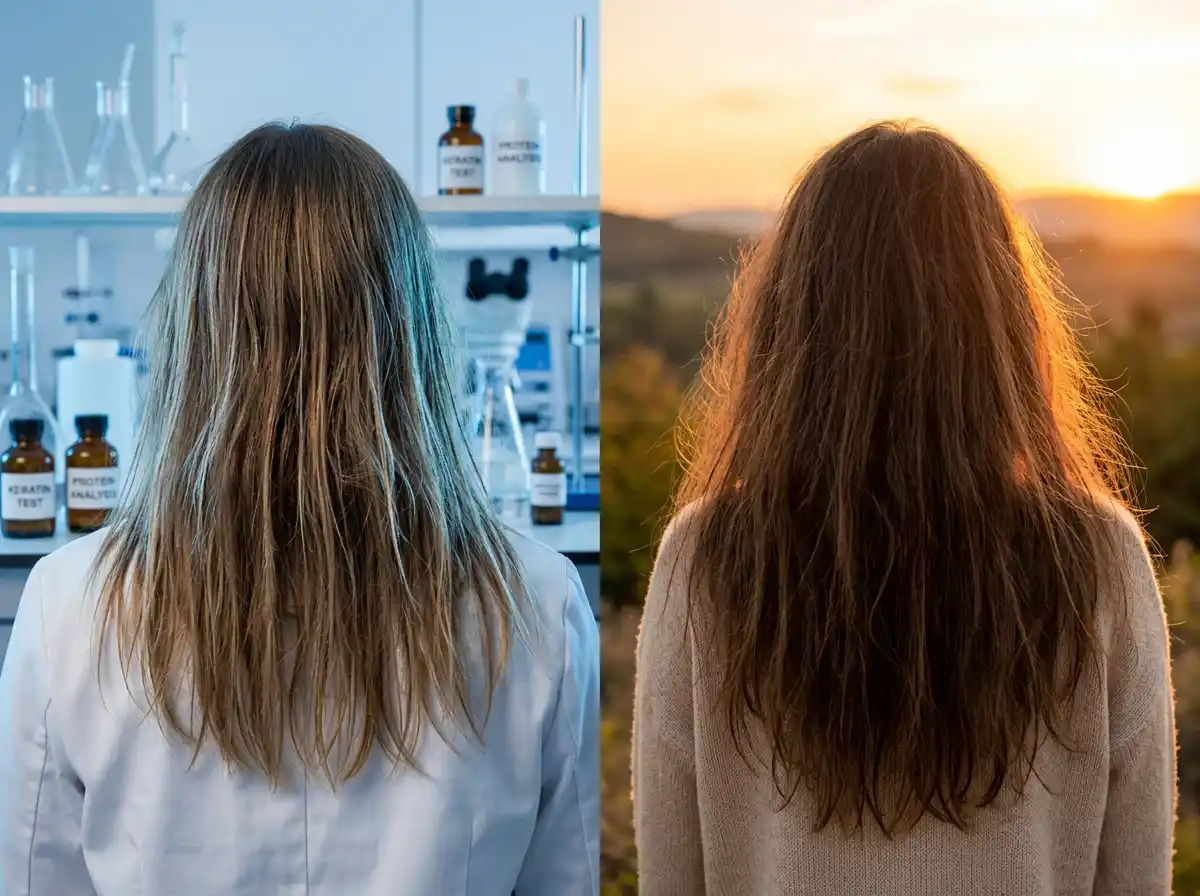
Understanding your hair’s unique needs is key to achieving healthy, vibrant locks. Often, hair concerns like breakage, frizz, or dullness stem from an imbalance: either a lack of protein or insufficient moisture. Two common solutions, protein filling and moisture infusion, address these distinct issues. But how do you know which one your hair truly craves? This guide will help you diagnose your hair’s condition, understand the role of protein and moisture, and choose the right treatment for optimal hair health.
The Essential Roles of Protein and Moisture in Hair Health
Our hair is primarily made of keratin, a type of protein. Protein provides the hair’s structure, strength, and elasticity. Moisture, on the other hand, keeps hair hydrated, soft, flexible, and prevents dryness and brittleness. A healthy balance between these two components is crucial for resilient and beautiful hair.
What is Protein Filling?
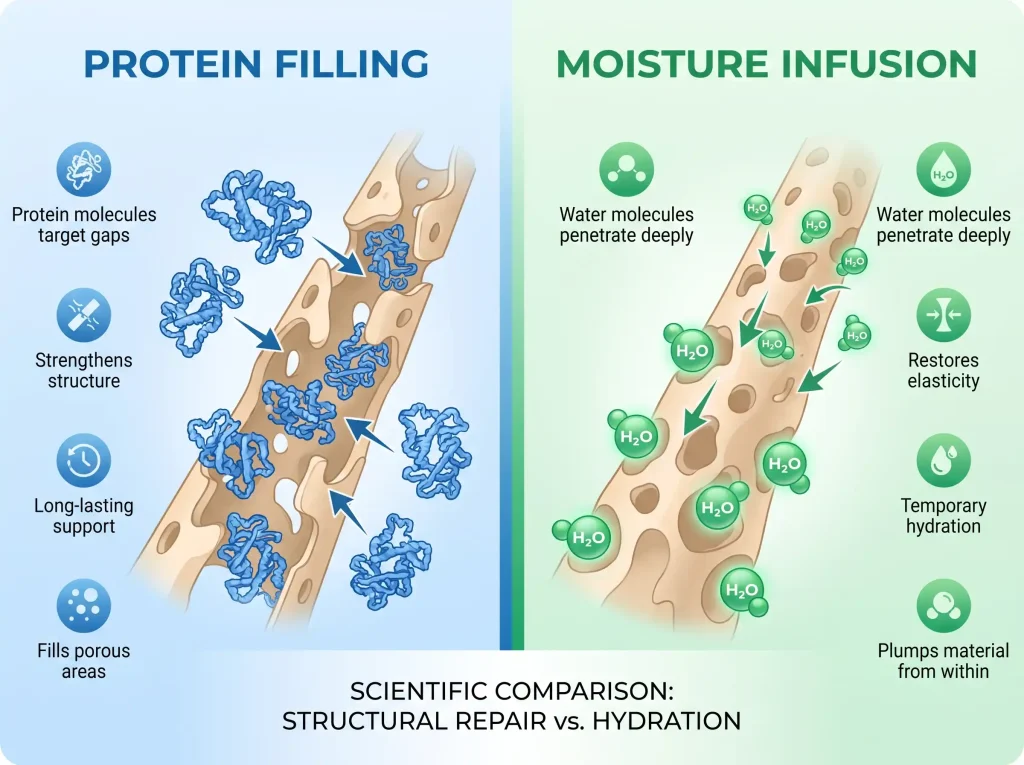
Protein filling treatments aim to replenish lost protein in the hair shaft. Damage from chemical processes (like coloring or perming), heat styling, and environmental factors can deplete the hair’s natural protein, leading to weakness and breakage. Protein treatments, often containing hydrolyzed proteins (like wheat, silk, or keratin), temporarily fill gaps in the hair cuticle, strengthening the strand and improving its elasticity.
What is Moisture Infusion?
Moisture infusion, or deep conditioning, focuses on rehydrating dry, brittle hair. Hair can lose moisture due to low humidity, excessive washing, harsh shampoos, or simply its natural porosity. Moisture-rich treatments typically contain humectants (like glycerin or hyaluronic acid), emollients (like natural oils and butters), and fatty alcohols that attract and seal water into the hair, making it soft, pliable, and shiny.
Diagnosing Your Hair’s Needs: The Strand Test
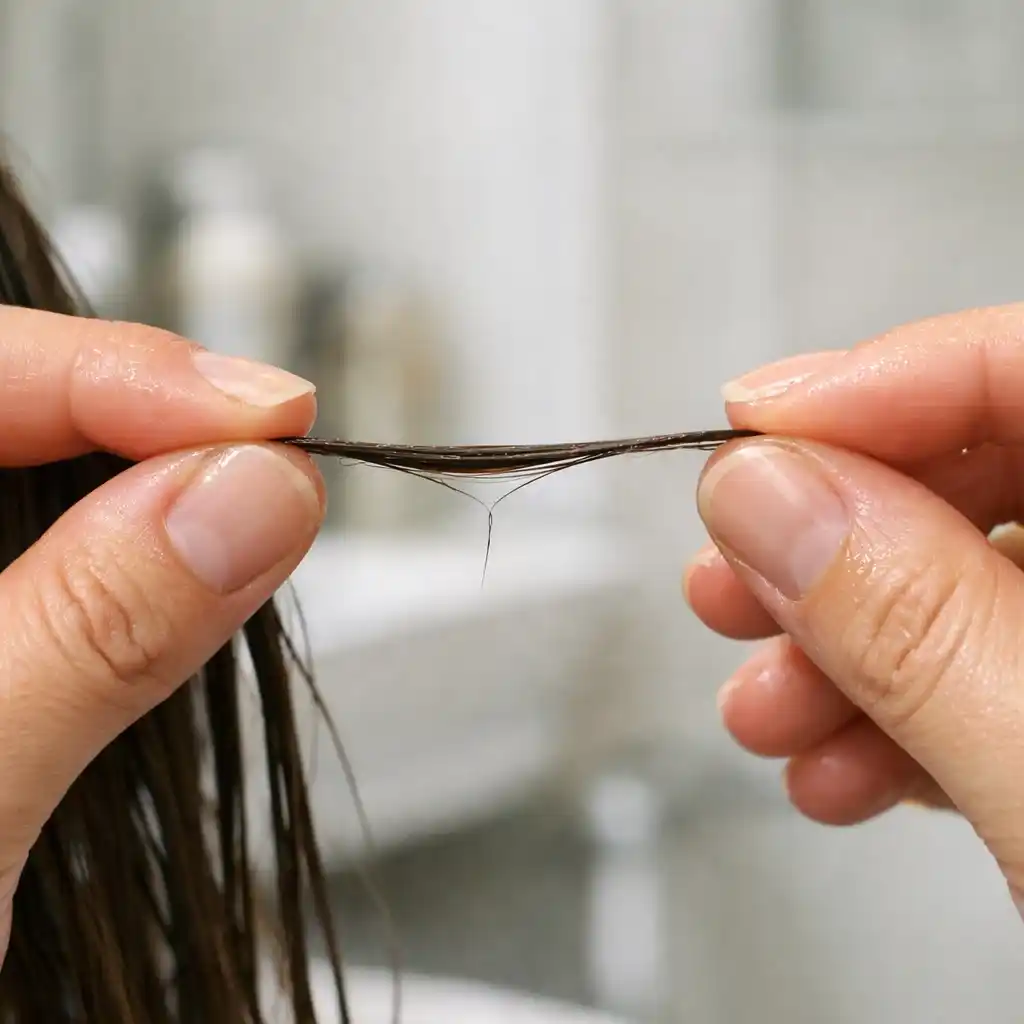
The easiest and most effective way to determine if your hair needs protein or moisture is through a simple strand test. This test assesses your hair’s elasticity and strength.
How to Perform the Strand Test:
1.Take a single strand of clean, wet hair (preferably from different sections of your head).
2.Gently stretch the hair strand between your fingers.
Interpreting the Results:
| Hair Reaction | Indication | Recommended Treatment |
|---|---|---|
| Stretches a lot, feels gummy/mushy, doesn’t return to original shape, or breaks easily. | Needs Protein. This indicates a lack of structural integrity. | Protein Filling |
| Doesn’t stretch much, feels stiff, brittle, or snaps immediately. | Needs Moisture. This suggests severe dryness and lack of flexibility. | Moisture Infusion |
| Stretches slightly, then returns to its original shape. | Healthy Balance. Your hair has a good protein-moisture balance. | Maintain current routine |
Signs Your Hair is Crying Out for Help
Beyond the strand test, your hair often gives visual and tactile clues about its needs.
Signs Your Hair Needs Protein:
- Limp and Lifeless: Hair lacks bounce and volume, appearing flat.
- Excessive Breakage: Hair snaps easily, especially when wet.
- Gummy or Sticky Texture: Hair feels overly soft or mushy when wet.
- Loss of Curl Pattern: Curls or waves don’t hold their shape or definition.
- Doesn’t Hold Style: Hair struggles to maintain any styling efforts.
Signs Your Hair Needs Moisture:
- Dry and Brittle: Hair feels rough, stiff, and easily breaks when dry.
- Dullness and Lack of Shine: Hair appears lackluster and lacks natural luster.
- Frizz and Flyaways: Hair is prone to frizz, especially in humid conditions.
- Tangling: Hair tangles easily and feels rough to the touch.
- Lack of Elasticity: Hair feels rigid and doesn’t stretch without breaking.
Maintaining the Perfect Balance
Both protein and moisture are vital, and too much of either can lead to an imbalance. Protein overload can make hair stiff and brittle, while moisture overload can leave it limp, mushy, and overly elastic. The goal is to find a routine that provides both in appropriate amounts for your hair type and condition. Regular deep conditioning for moisture and occasional protein treatments (as needed) are often the best approach.
Conclusion
By understanding the distinct roles of protein and moisture and learning to diagnose your hair’s specific needs, you can move beyond guesswork and provide targeted care. Whether it’s a protein filling to restore strength or a moisture infusion to enhance hydration, giving your hair what it truly needs will lead to healthier, more beautiful results. Listen to your hair, perform the strand test, and choose wisely for a balanced and vibrant mane.