
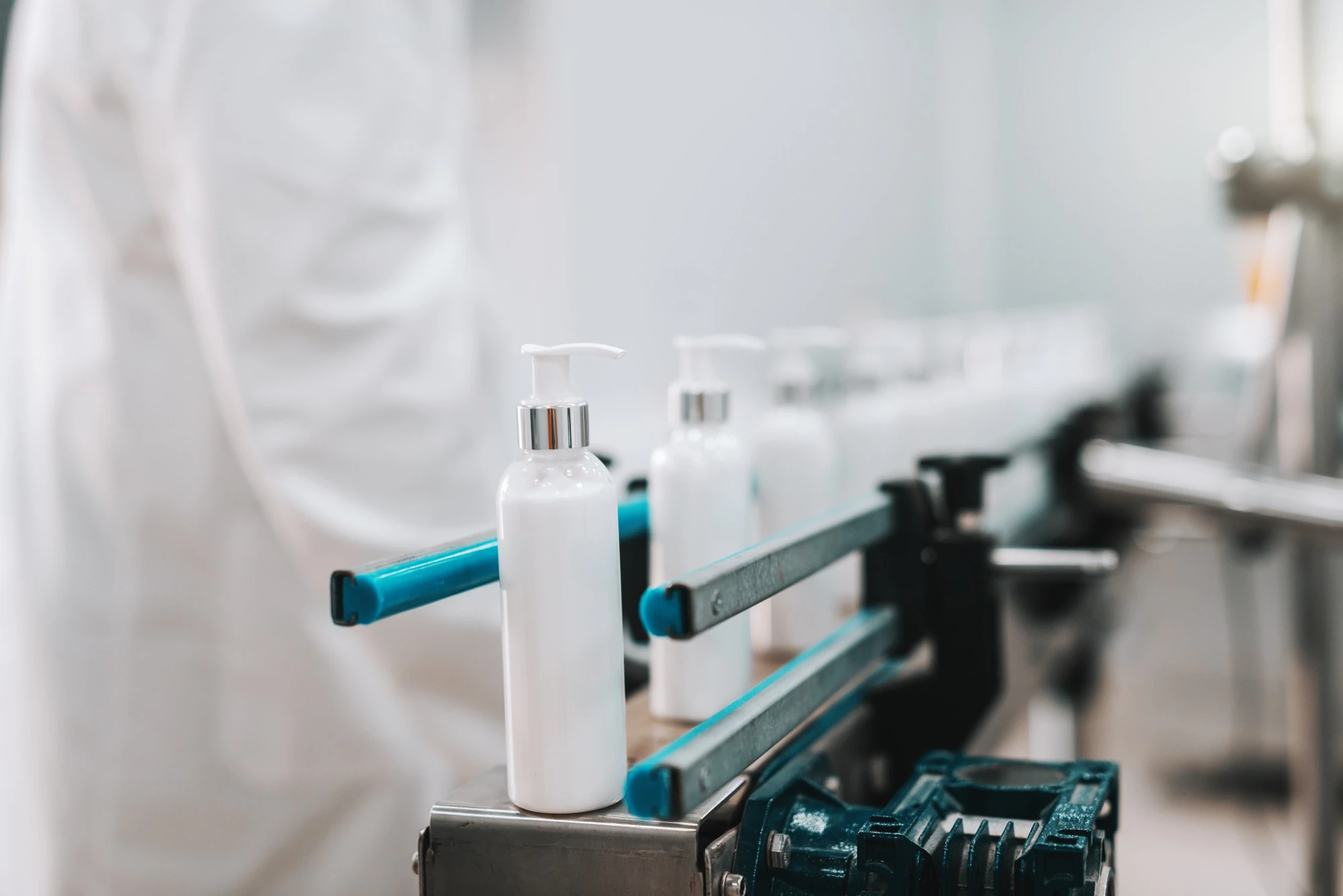



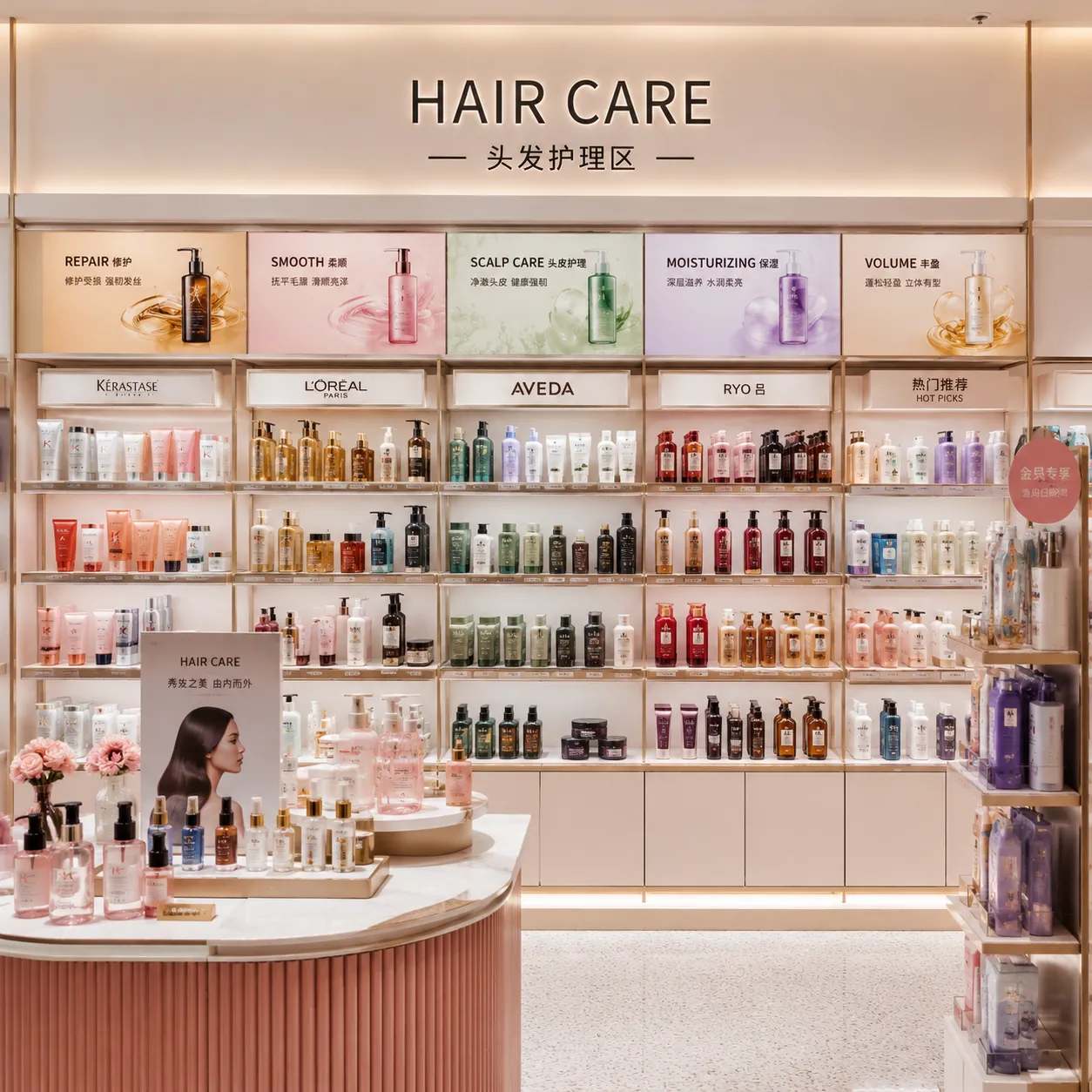

Stability testing is a key quality control process that determines whether a hair care product remains safe, effective, and consistent throughout its expected shelf life. It helps manufacturers evaluate formula performance, product appearance, packaging compatibility, and storage stability before products reach the market.
For brands developing private label hair products, stability testing is not only a technical requirement but also an important step to protect product quality and customer trust.
This article explains what stability testing is, why it matters, what manufacturers evaluate, and how it supports reliable hair care product development.
Stability testing is the process of evaluating how a hair care formula changes under different storage conditions over time.
A newly developed formula may perform well during initial production, but its quality can change during storage due to factors such as:
Stability testing helps manufacturers confirm that the product maintains its intended:
throughout its shelf life.
For professional hair care manufacturers, stability testing is an essential part of product validation before large-scale production.
Hair care products are complex cosmetic formulations containing multiple ingredients that must work together.
A typical formula may include:
Over time, these components may interact and affect product quality.
Without proper stability testing, products may experience issues such as:
For brands, these problems can lead to:
Stability testing helps identify potential issues before products are launched commercially.
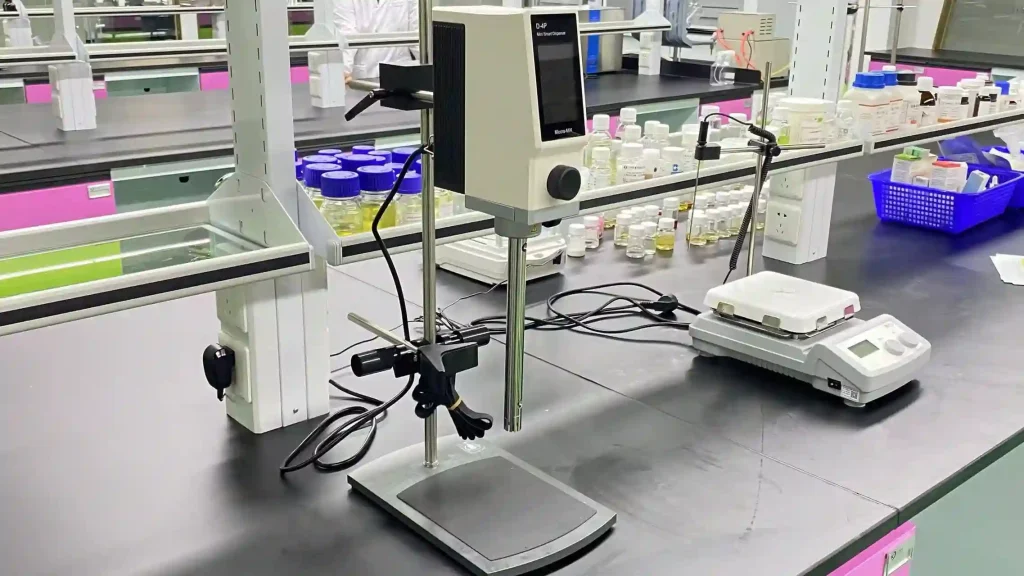
A professional hair care manufacturer evaluates multiple aspects during stability testing.
Physical stability focuses on whether the product maintains its original appearance and texture.
Manufacturers evaluate:
Checking for:
Testing whether the product maintains the expected consistency.
For example:
A hair mask should remain rich and creamy rather than becoming too thin or separated over time.
A shampoo should maintain its expected flow and application experience.
Chemical stability evaluates whether the formula components remain effective and balanced.
Testing may include monitoring:
This is particularly important for treatment products containing functional ingredients.
For example, professional smoothing treatments require careful evaluation because formula changes can affect product performance.
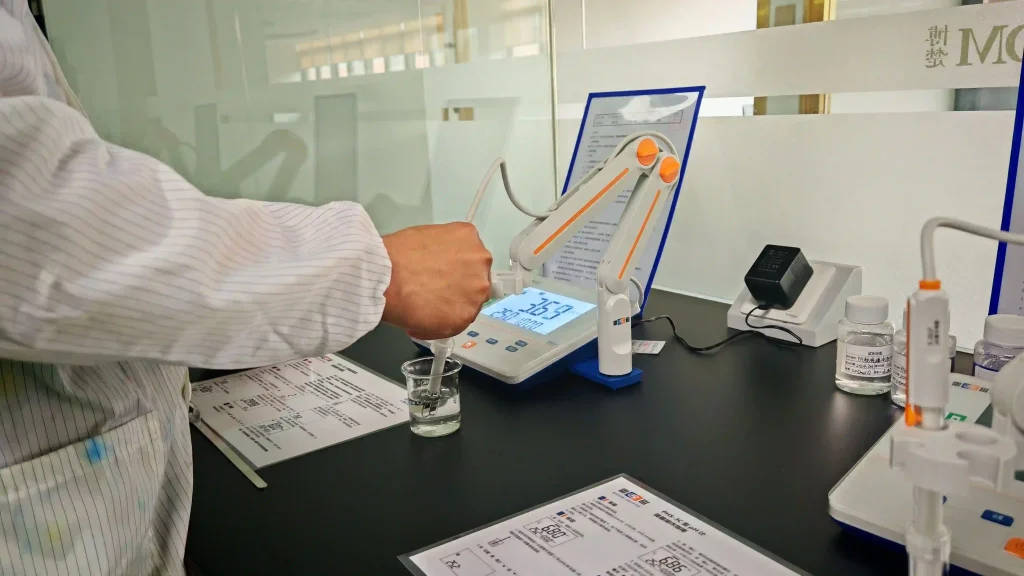
Hair care products contain water-based ingredients, which create potential risks for microbial growth.
Manufacturers test whether preservation systems can maintain product safety during storage.
Microbiological testing helps evaluate:
A stable preservation system is essential for ensuring product safety throughout its shelf life.

The interaction between the formula and packaging is another important part of stability testing.
A formula may be stable by itself but react with packaging materials.
Manufacturers evaluate:
Examples:
Packaging compatibility testing helps ensure the final product remains stable from factory production to customer use.
Professional manufacturers typically use several stability testing methods.
Real-time stability testing evaluates products under normal storage conditions.
Products are stored under recommended conditions and monitored over an extended period.
This provides the most accurate understanding of long-term product behavior.
Evaluation periods may include:
However, real-time testing requires a longer development period.
Accelerated testing evaluates products under increased stress conditions to predict long-term stability faster.
Common conditions include:
For example, a product may be stored under higher temperatures for several weeks to observe possible changes.
This allows manufacturers to identify potential stability issues earlier during development.
Freeze-thaw testing evaluates how products respond to repeated temperature changes.
This is important for products that may experience different climates during:
The test checks whether temperature changes cause:
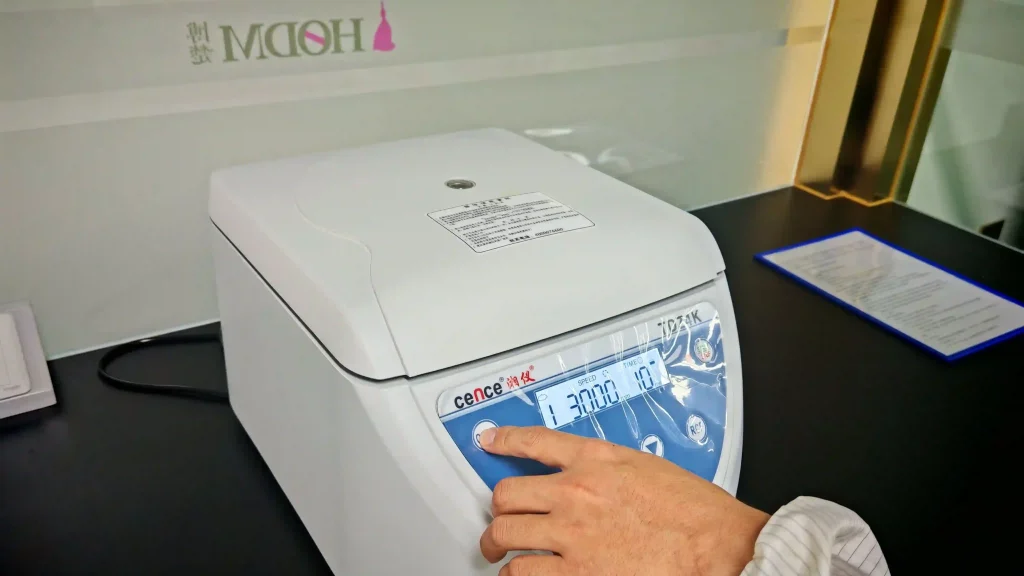
Centrifuge testing applies high-speed rotation to simulate long-term separation effects.
It helps manufacturers quickly identify whether a formula has stability risks.
This is commonly used during early product development stages.
The testing timeline depends on the product type, formula complexity, and development requirements.
Typical evaluation periods may include:
Products with more complex formulas usually require more testing time.
For example:
A professional manufacturer balances development speed with quality assurance.
For private label brands, stability testing is especially important because the brand owner is responsible for the final customer experience.
Even when using existing formulas, manufacturers should verify:
For customized products, stability testing becomes even more important because formula modifications can affect product behavior.
Examples:
Changing:
may require additional evaluation.
A reliable private label hair care manufacturer should include stability evaluation as part of the product development process.
Stability testing provides several benefits for hair care brands.
Customers expect products to perform consistently from the first use to the last.
Stability testing helps maintain:
Manufacturers use stability data to determine appropriate product shelf life and storage recommendations.
This helps brands manage:
Identifying formula problems before production prevents expensive issues later.
Without proper testing, brands may face:
Before choosing a manufacturing partner, brands should ask:
A professional manufacturer should have a clear quality control process and explain how product reliability is verified.
Stability testing is one indicator of a manufacturer’s technical capability.
A factory that invests in testing demonstrates commitment to:
However, stability testing should be combined with other manufacturing capabilities, including:
The best manufacturing partners provide complete product development support from concept to finished product.
Stability testing is a fundamental step in professional hair care manufacturing. It ensures that products maintain their quality, safety, and performance throughout their expected shelf life.
For brands launching private label hair care products, choosing a manufacturer with strong testing procedures reduces risks and improves product reliability.
A professional hair care manufacturer should not only create formulas but also verify that those formulas remain stable, safe, and effective after production.
Through proper stability testing, brands can deliver consistent products, protect customer trust, and build long-term success in the competitive hair care market.

At PRO-TECHS, our R&D laboratory and quality control systems support formula development, stability testing, and reliable manufacturing to ensure consistent product performance.