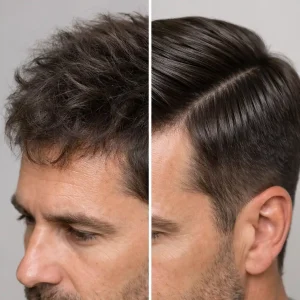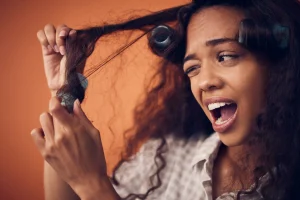
You sit at the mirror, flat iron in hand, frustrated by unruly hair. Booking a salon visit sounds perfect until the menu reads like a chemistry syllabus. Distinguishing between a keratin treatment and hair rebonding prevents expensive, irreversible mistakes.
Salon professionals note consumers frequently confuse a basic treatment for frizz with permanent texture alteration. Ultimately, the difference between smoothing and straightening dictates your final look. Keratin temporarily coats your strands, whereas rebonding permanently reconstructs them.
Imagine renovating a house. Keratin is like painting the exterior—it beautifully repels rain but leaves the underlying framework intact. Rebonding, however, literally knocks down those walls to permanently rebuild the property’s entire shape.
Keratin Treatments: Filling the Gaps for Frizz-Free Shine
Stepping into a humid morning often means watching your carefully styled hair swell into a frizzy halo. To stop this daily battle without losing your natural bounce, a Keratin treatment acts as the ultimate weather-proofing shield, delivering unmatched smoothing benefits.
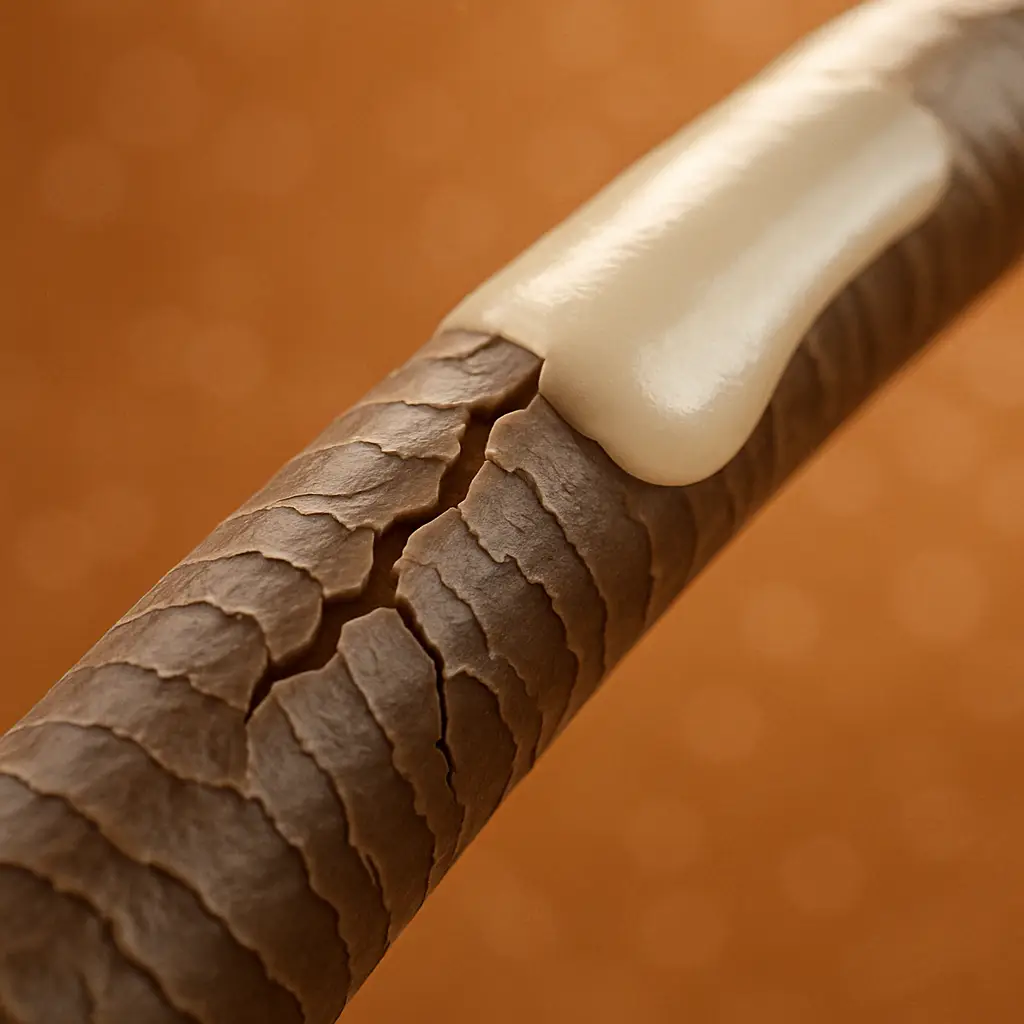
Instead of permanently altering your hair’s internal skeleton, this process works strictly on the outside by sealing the hair cuticle with protein. Think of it like paving over potholes on a bumpy road; the liquid treatment fills in the microscopic cracks along your hair’s outer layer, leaving a temporarily smooth, glossy finish behind.
Because it is a temporary coating, keratin treatment results fade beautifully over three to five months rather than leaving a harsh demarcation line at your roots. Today, salons even offer excellent formaldehyde-free keratin treatment options that deliver this brilliant shine without relying on harsh chemicals.
This targeted smoothing service is highly recommended for:
- Frizzy hair fighting daily humidity
- Color-treated strands needing a glossy refresh
- Damaged hair requiring protective reinforcement
- Wavy hair wanting looser, manageable texture
Hair Rebonding: Breaking Internal Bonds for Permanent Poker-Straight Hair
If your goal is to walk through a monsoon with hair that stays absolutely poker-straight, a surface coating won’t be enough. You need a structural renovation, which is exactly what hair rebonding (ionic perm) delivers.
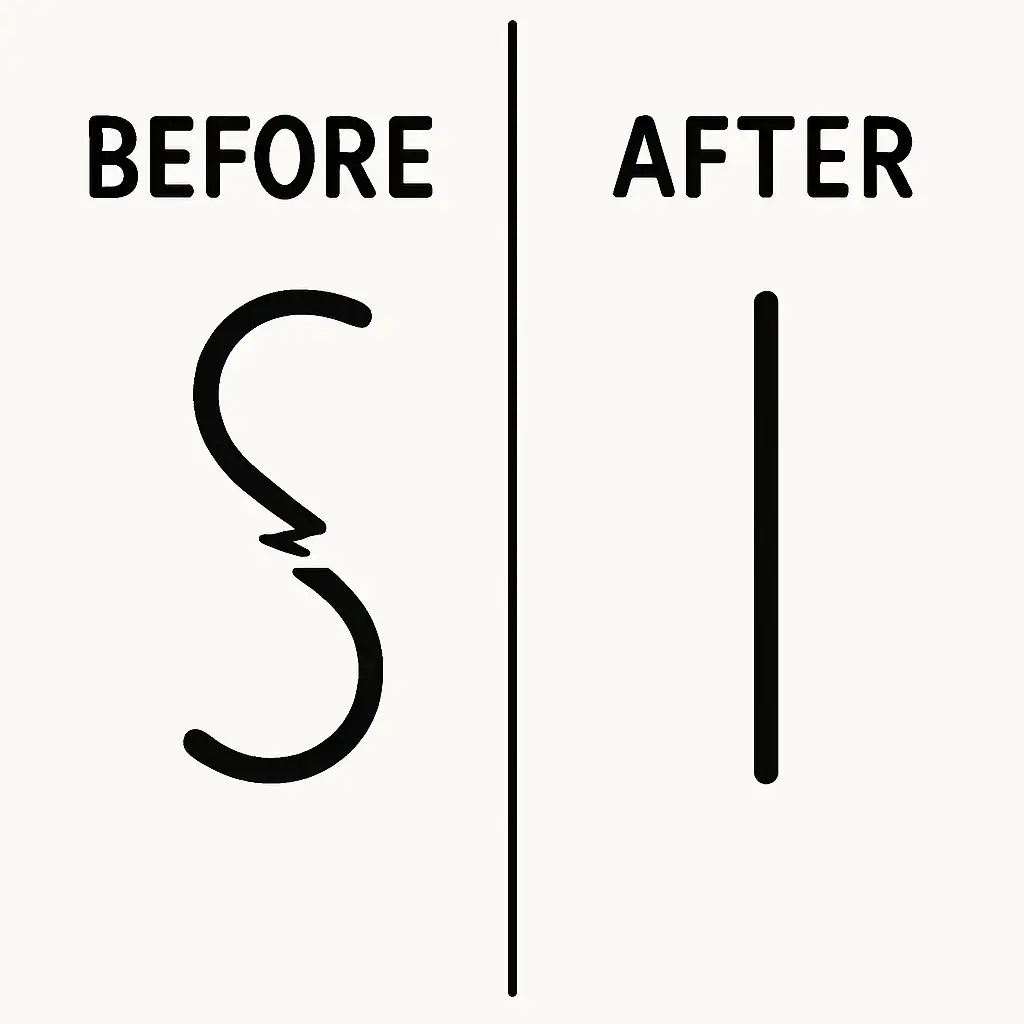
Inside every strand of hair is an internal skeleton made of links called disulfide bonds, which dictate your natural wave or curl. By chemically breaking the disulfide bonds in hair and locking the strands into a flat shape, stylists completely rebuild this microscopic skeleton.
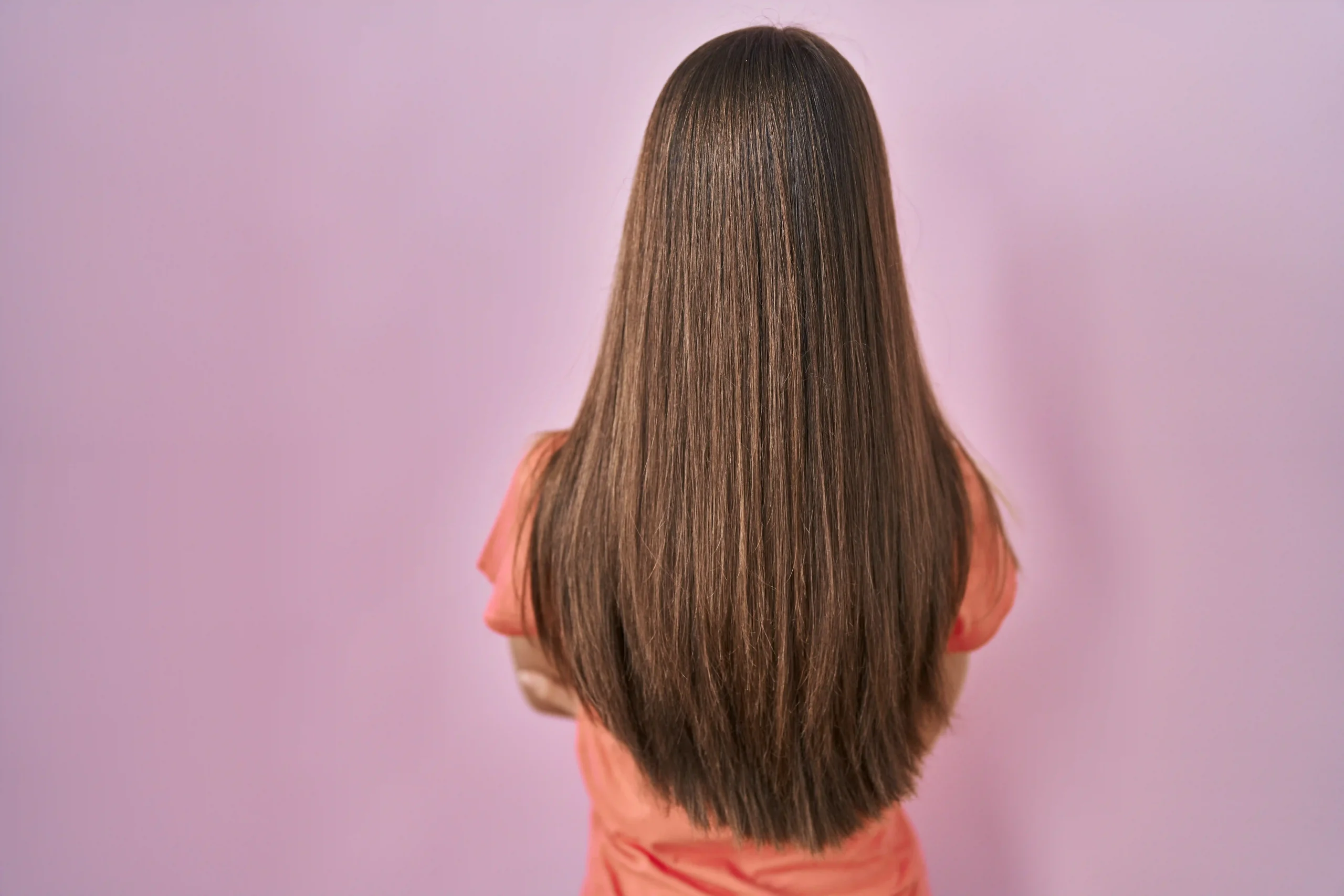
When weighing chemical straightening vs keratin smoothing, the biggest distinction is this depth of transformation. While keratin simply paints over the existing structure to block frizz, rebonding permanently reconstructs the hair into a sleek, perfectly straight curtain that completely ignores humidity.
People frequently ask how long does hair rebonding last, and the answer is forever on the treated sections. Because the internal bonds are permanently reset, those lengths will never revert to being curly. This introduces a new challenge as your natural hair begins to grow back, requiring a strict maintenance strategy.
The Maintenance Reality: Roots, Fading, and the ‘Demarcation Line’
The true distinction between smoothing and straightening reveals itself six months down the road. Because a keratin treatment slowly washes away over time, your natural texture gracefully returns without awkward transition phases. Conversely, rebonding is a permanent structural renovation. As your hair grows its typical half-inch per month, a harsh “demarcation line” forms between your naturally curly roots and the pin-straight lengths, demanding strict salon touch-ups to avoid breakage.
Protecting either costly investment requires an entirely new daily routine. Standard drugstore cleansers will rapidly dissolve keratin coatings and dehydrate chemically altered strands, making post-treatment sulfate-free shampoo requirements non-negotiable. To extend your results, memorize these post-treatment must-haves:
- Wait exactly 72 hours before your first wash so the treatment sets.
- Switch exclusively to sulfate-free, gentle cleansers.
- Sleep on a silk pillowcase to prevent nighttime friction.
Committing to this long-term maintenance for permanent hair straightening or smoothing ensures your strands stay sleek rather than snapping off. Before embracing this new lifestyle, evaluate if your current hair health can handle the initial salon process.
The Safety Check: Which Treatment Will Your Hair Survive?
Honest assessment of what your strands can endure is critical. When recovering from over-processed hair treatments, picking the wrong salon service causes severe breakage. Keratin acts as protein repair, filling microscopic cracks like protective spackle on a weathered wall, making it the absolute best treatment for frizzy damaged hair.
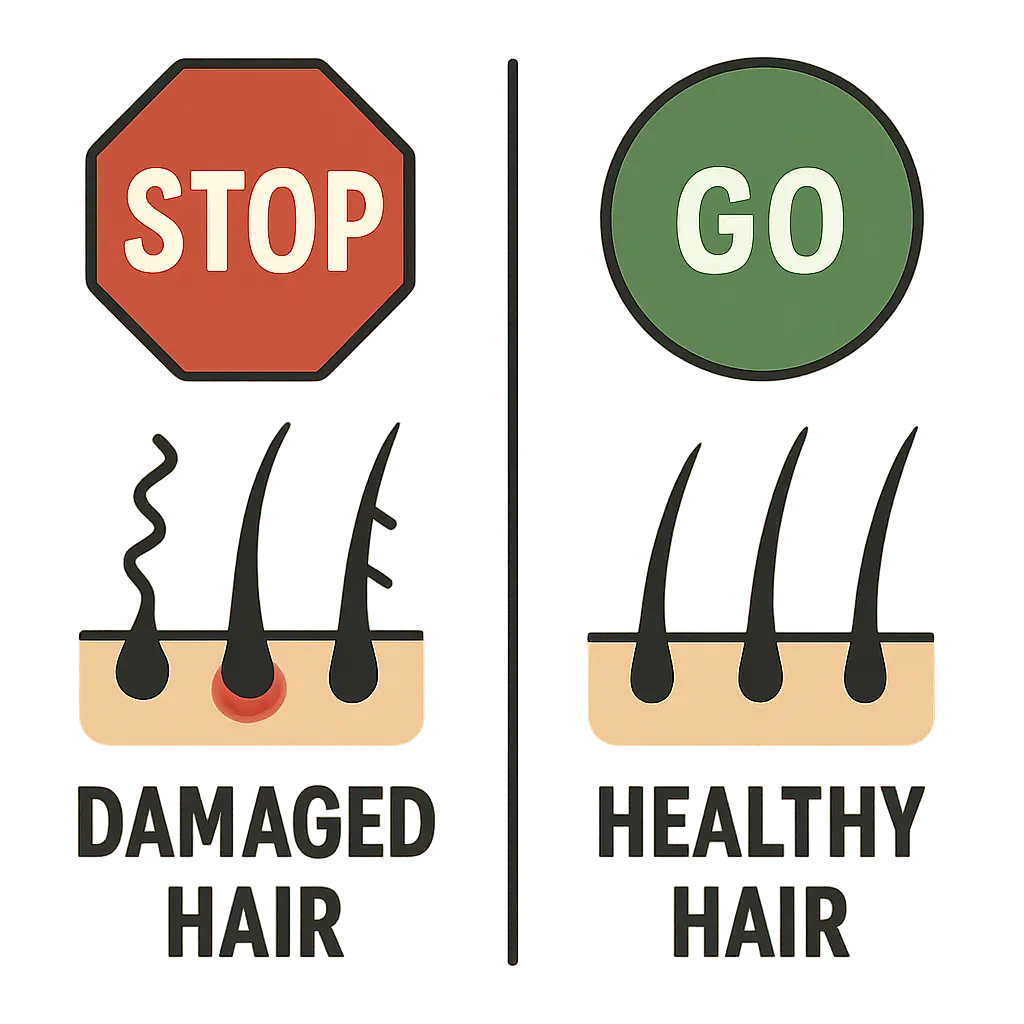
Conversely, the chemical damage risks of ionic perms are dangerously high for compromised strands. While hair rebonding for thick curly hair is brilliant on untouched, virgin roots, its bond-breaking chemicals will quickly obliterate fragile lengths. You must skip Rebonding entirely if your hair matches this red-flag checklist:
- Bleached or heavily highlighted strands.
- Severely snapped, thinning ends.
- High porosity hair that dries instantly or tangles excessively.
Guarding your hair health means respecting its past limits. Matching your hair’s history to the right treatment ensures a safe, successful transformation.
Making the Final Decision
Choosing between pin-straight hair and natural volume depends entirely on your lifestyle, morning prep preferences, and hair health.
Base your decision on your daily routine and future styling goals. If you frequently change your look, you must ask your stylist, “can you color hair after rebonding?” before committing to a permanent structural change, as rebonding severely limits future processing options.
Whether you choose the temporary “repainting” of Keratin or the permanent “renovation” of Rebonding, bring this quick-reference guide to your next professional consultation to ensure you and your stylist are aligned.