

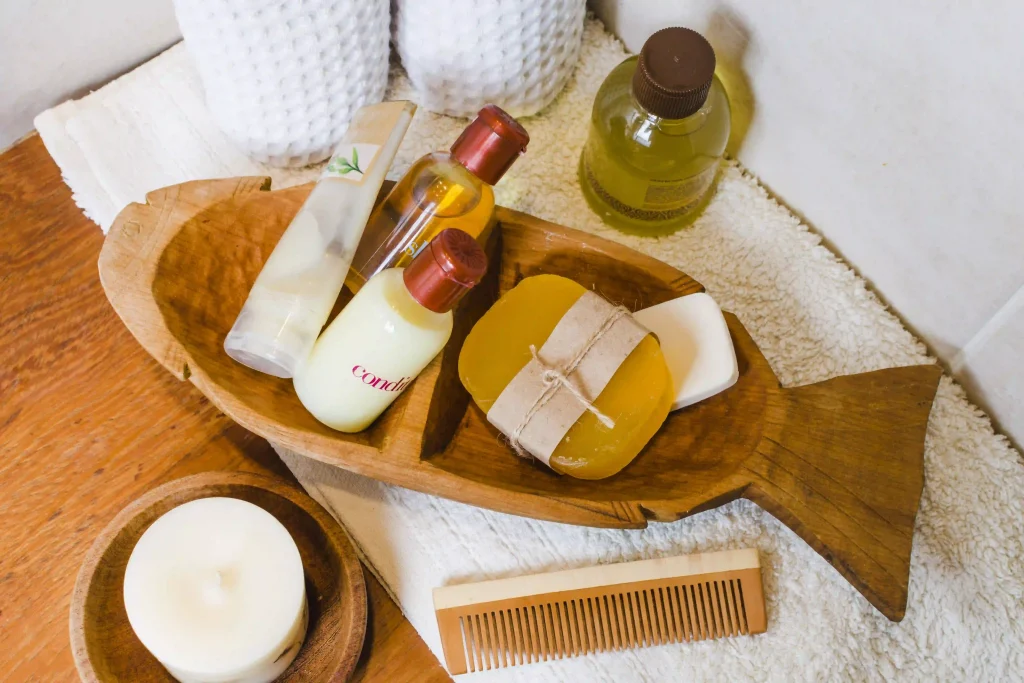
For years, the global personal care industry was dominated by makeup launches, seasonal color trends, and fast-changing aesthetics. But behind the scenes, a quieter and more fundamental transformation has been unfolding — one led not by cosmetics, but by hair care and scalp health.
From shampoo and conditioner to hair masks, serums, and treatment products, hair care has become one of the most resilient and strategically important segments in the personal care supply chain. In 2025–2026, the industry is no longer driven purely by fragrance, packaging, or marketing narratives. Instead, it is increasingly shaped by functional performance, ingredient transparency, and manufacturing flexibility.
This article examines how the global hair care industry is restructuring itself — and what it means for brands, OEM/ODM manufacturers, and formulation partners worldwide.
Despite economic uncertainty and shifting consumer spending habits, hair care continues to demonstrate remarkable stability.
According to Fortune Business Insights, the global hair care market exceeded USD 99 billion in 2024 and is projected to maintain steady growth through the end of the decade, driven primarily by shampoo, conditioner, and treatment products rather than styling cosmetics.
Unlike makeup, which is often influenced by fashion cycles and discretionary spending, hair care products are considered daily necessities. Consumers may reduce luxury purchases, but they rarely eliminate shampoo, conditioner, or basic scalp care from their routines.
This fundamental consumption logic makes hair care one of the most reliable categories for both established brands and emerging private-label players.
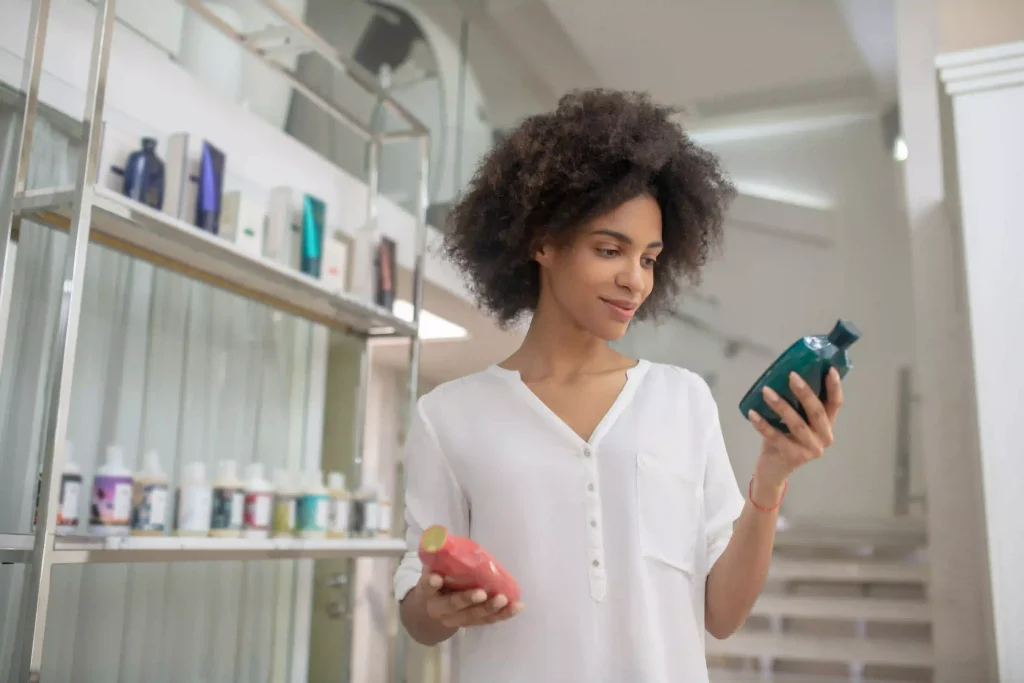
One of the most significant changes in the industry is the shift from surface-level cleansing to scalp health management.
Modern consumers increasingly associate hair quality with scalp condition — dryness, oil balance, sensitivity, dandruff, hair thinning, and microbiome balance have become mainstream concerns. This has led to:
Mintel reports that scalp care is now one of the fastest-growing subcategories within hair care, especially in Asia-Pacific and North America.
For manufacturers and formulation partners, this trend requires higher technical competence, not just fragrance blending or packaging differentiation.
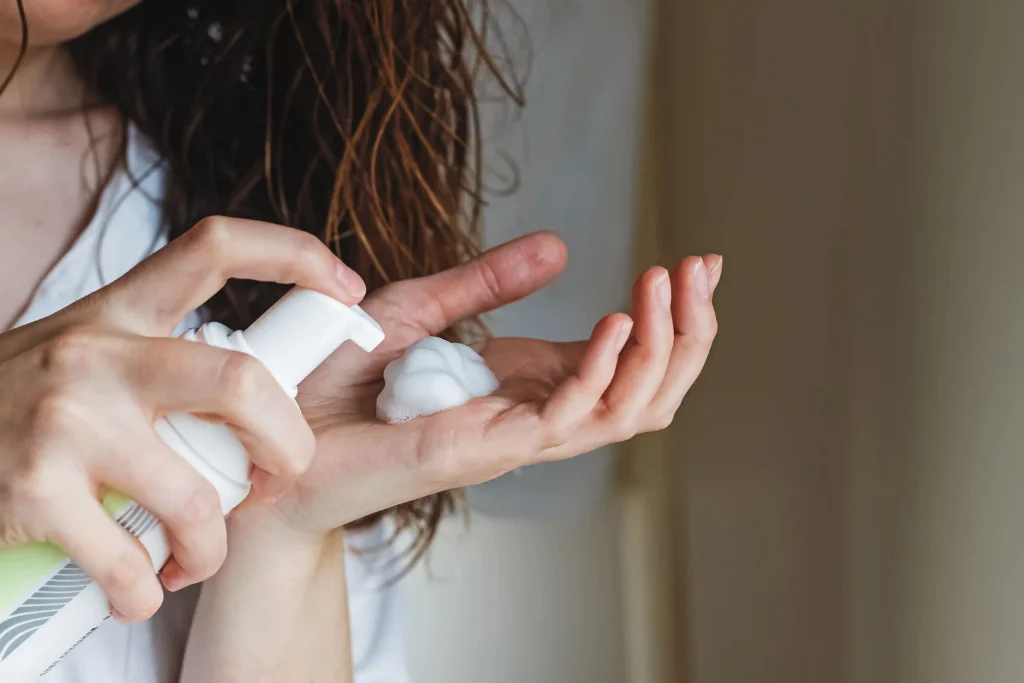
Another defining change in the hair care sector is the rise of ingredient-literate consumers.
Buyers today actively scrutinize:
According to CosmeticsDesign, transparency around formulation has become a key purchasing factor in hair care, particularly for shampoo and conditioner categories.
This shift directly impacts OEM and ODM manufacturers. Brands increasingly expect suppliers to:
Hair care manufacturing is no longer “one formula fits all.”

The role of OEM/ODM partners in hair care has evolved significantly.
Previously, many factories focused on high-volume, standardized production. Today, successful hair care manufacturers are expected to provide:
According to Global Growth Insights, hair care accounts for a growing share of the cosmetics OEM/ODM market, driven by private-label shampoo, conditioner, and treatment products.
This evolution lowers entry barriers for niche brands while increasing expectations for technical depth and operational efficiency on the manufacturing side.
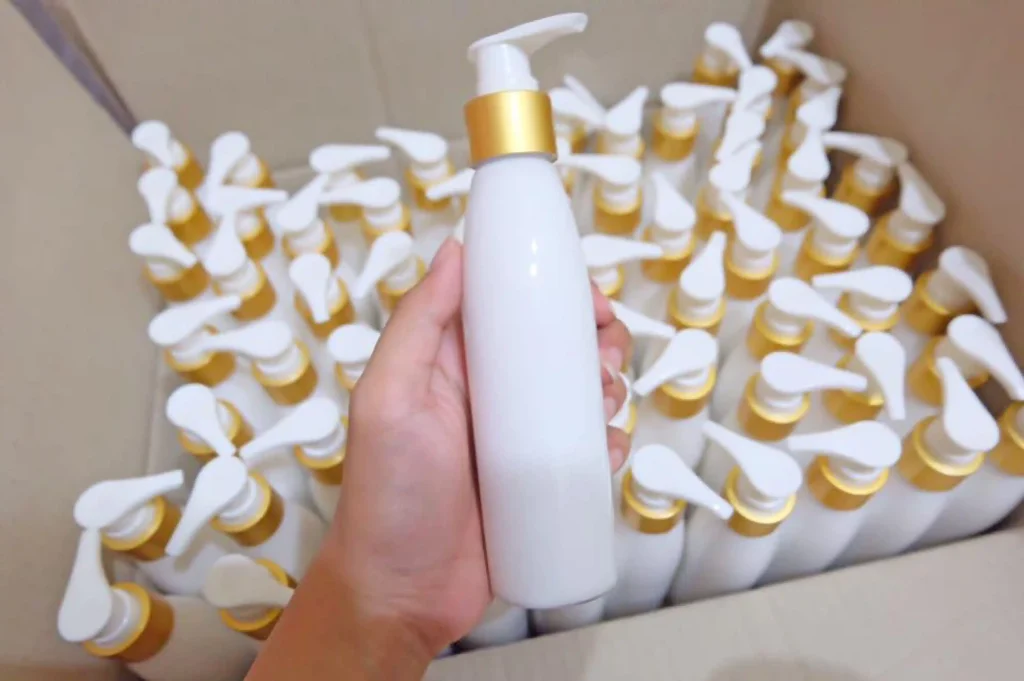
A major misconception in the past was that private-label hair care products lacked differentiation or quality.
That perception is rapidly changing.
Modern private-label hair care brands increasingly compete on:
According to Euromonitor, private-label hair care is gaining market share globally, especially in online-first and DTC channels.
This shift places OEM/ODM partners at the center of brand innovation, rather than simply acting as production backends.

Recent global disruptions have exposed the vulnerabilities of long, rigid supply chains.
As a result, many hair care brands are restructuring their sourcing strategies:
McKinsey highlights that personal care brands are increasingly favoring regional manufacturing hubs to improve responsiveness and reduce risk.
For hair care manufacturers, this trend creates opportunities for long-term partnerships based on reliability, compliance, and scalability — not just cost.

Sustainability remains important, but in hair care it is becoming more practical and functional rather than purely symbolic.
Brands now focus on:
According to Cosmetics Europe, rinse-off products like shampoo and conditioner are under increasing environmental scrutiny due to water usage and ingredient runoff.
This places pressure on manufacturers to optimize both formulation efficiency and production processes.

The current transformation of the hair care industry sends a clear message:
For OEM/ODM manufacturers and formulation partners, the opportunity lies in becoming solution providers, not just suppliers — offering insight, adaptability, and manufacturing intelligence tailored specifically to hair care products.
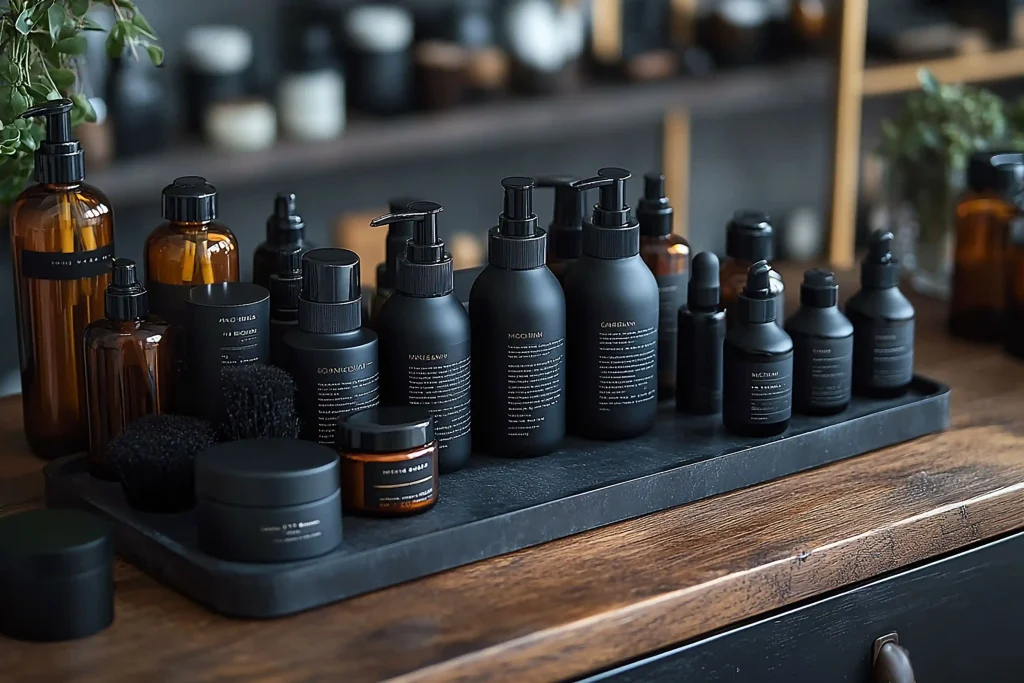
The global hair care industry is entering a more mature and technically driven phase. As shampoos, conditioners, and scalp treatments take center stage, the industry is redefining success through functionality, formulation expertise, and manufacturing agility.
In this new landscape, the most successful players will be those who understand hair care not as a cosmetic category, but as a daily health and performance system — supported by science, transparency, and strong supply chain partnerships.
Fortune Business Insights – Hair Care Market Size
https://www.fortunebusinessinsights.com/hair-care-market-102614
Mintel – Hair Care & Scalp Care Market Research
https://www.mintel.com/beauty-and-personal-care-market-research
CosmeticsDesign – Hair Care Ingredient Transparency
https://www.cosmeticsdesign.com
Global Growth Insights – Cosmetics OEM/ODM Market
https://www.globalgrowthinsights.com/market-reports/cosmetics-oem-and-odm-market-103536
Euromonitor – Global Hair Care Industry
https://www.euromonitor.com/hair-care
McKinsey – Consumer Goods Supply Chain Insights
https://www.mckinsey.com/industries/consumer-packaged-goods/our-insights
Cosmetics Europe – Sustainability in Rinse-Off Products
https://cosmeticseurope.eu/sustainability