
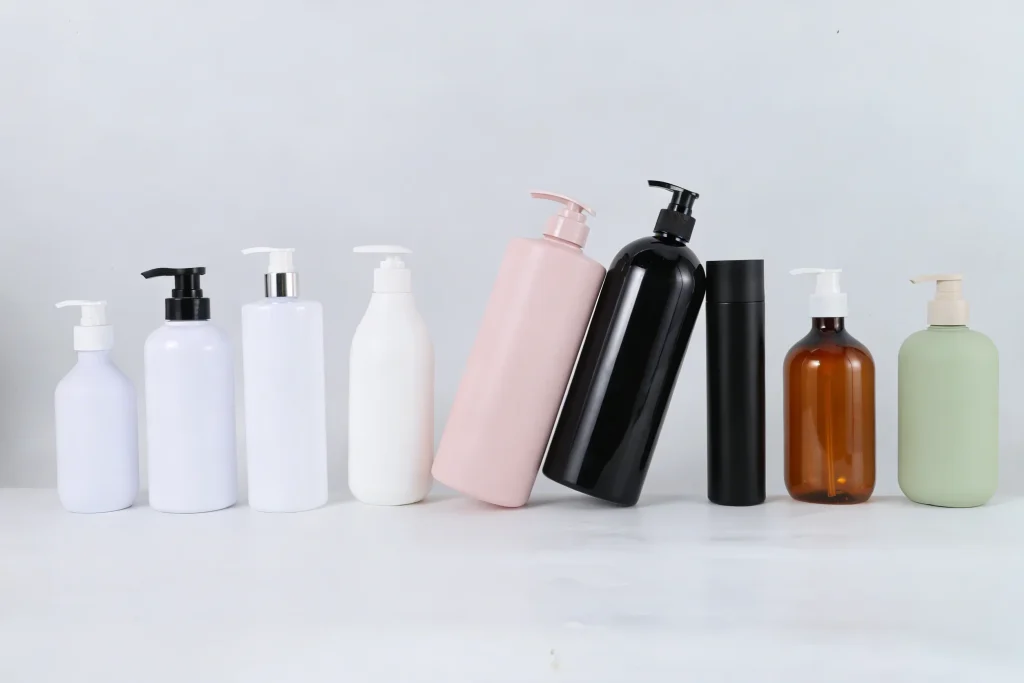
Many founders research how to start a private label hair care brand to build their own hair product line. Common pain points include unclear OEM collaboration processes, hidden costs, non-compliant packaging, inconsistent product quality and shipment delays.
This neutral workflow guide outlines the full cooperation process between brands and a private label hair care manufacturer. Every step includes clear action items, deliverables and risk reminders.
First, distinguish white label vs private label hair care:
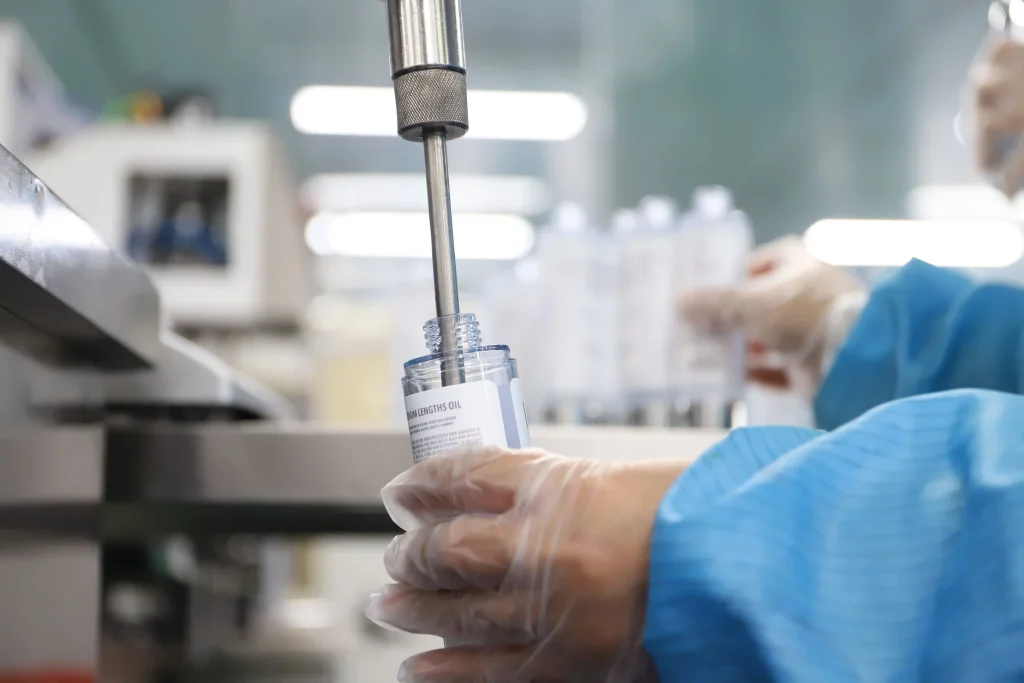
Before contacting any manufacturer, lock core requirements. These details decide formula selection, packaging and compliance standards.
Action: Prepare a product brief with function, target users, sales region, scent and texture requirements.
Risk: Avoid vague descriptions such as “works for all hair types”, which leads to mismatched formulas.
Trademark registration protects brand names, logos and packaging in selling markets. This step is frequently overlooked by new brands.
Action: Submit trademark applications before packaging design and bulk printing.
Risk: Printing branding on packaging before trademark approval may lead to infringement claims, listing removal or customs seizure.
Cost to start private label hair care brand covers more than raw liquid cost. Include sample delivery, packaging, printing, testing, compliance, certification, design, freight and customs fees.
low MOQ private label hair care is suitable for new brands. Ready stock formulas support lower minimum orders; custom formulas usually require higher MOQ and longer lead times.
Action: Finalize budget and acceptable MOQ, include these expectations in the product brief.
Risk: Judging suppliers only by raw liquid unit price may result in unstable formulas and incomplete test documentation.
Evaluate suppliers with a standard checklist and retain all written communications for contract reference. Check core qualifications: GMP and ISO 22716 certificates, test document supply capability, export experience, MOQ policy, lead time and formula adjustment scope.
Action: Share the product brief with shortlisted suppliers and request a full breakdown quotation. Confirm payment terms, typically 30% deposit before production and balance before shipment or pre-shipment inspection.
Risk: Avoid suppliers promising medical claims such as scalp disease treatment; these are not permitted for cosmetic products.
Discover PRO-TECHS: A Professional Private-Label Hair Care Manufacturer
After receiving quotations and formula recommendations, align details before sampling starts. Confirm formula type, adjustable parameters, packaging sourcing plan, sample cost, sample lead time and refund rules for sample fees.
Action: Review formula specification sheets, confirm preferred formula and adjustments, approve the quotation and settle sample fees.
Risk: Frequent requirement changes after sampling will extend timelines and create extra charges.
Private label hair care sampling process sets the quality benchmark for bulk goods. Do not approve mass production based on images or verbal descriptions. Most projects require 2–3 sample rounds: initial formula matching, fine-tuning of scent and texture, and final confirmation sample. Test samples for scent stability, viscosity, rinsing feel, foam, compatibility with packaging and high-temperature stability.
Action: Provide written feedback for each sample round. Sign off and archive the final confirmed sample.
Risk: Hasty sample approval. Contract terms for rework, replacement or refund for non-conforming bulk goods should be agreed upfront.
Labels must meet cosmetic regulations of the sales region. Mandatory information includes product name, INCI list, net weight, batch number, PAO symbol, expiry date, warnings and responsible party address (EU).
Action: Submit label artwork for dual review by the manufacturer and compliance consultant. Do not print labels before approval.
Risk: Non-compliant label content leads to reprinting costs and delayed delivery.
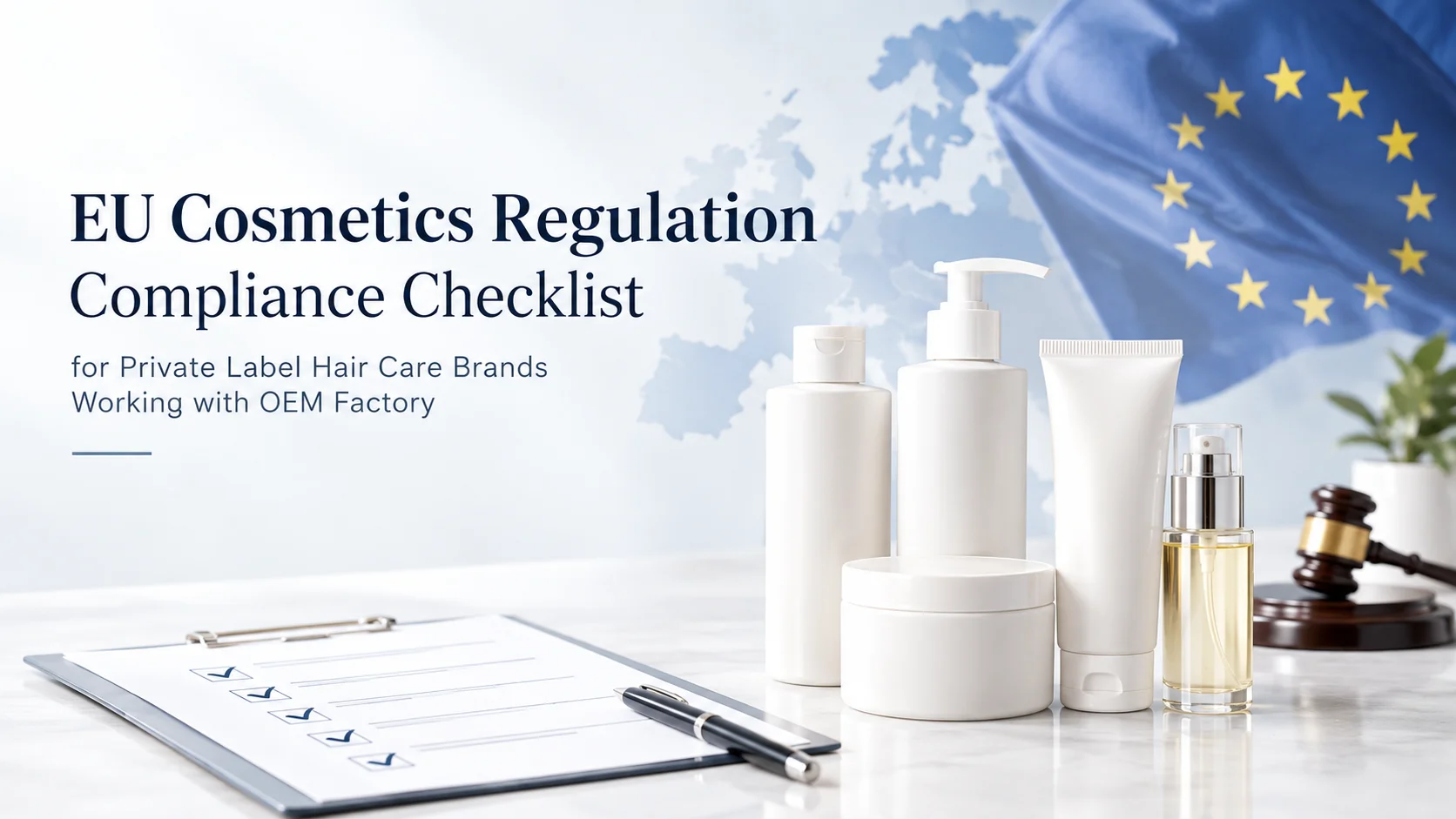
For the EU market, EU compliance private label hair care must be ready before goods arrive. Core files include EU Responsible Person arrangement, CPSR, PIF and CPNP notification. For vegan cruelty free private label hair care, apply for third-party brand certification in advance. Manufacturer certifications cannot be reused for new brand SKUs unless pre-certified formulas are selected.
Action: Start compliance preparation at the sampling stage, share manufacturer technical documents with the safety assessor.
Risk: Assuming a manufacturer’s existing CPSR or CPNP can transfer to a new brand; each branded product requires independent compliance files. Missing documents can cause customs detention.
Once samples, artwork and compliance are confirmed, production starts. Agree QC standards for defects, leakage and printing errors. The manufacturer will issue batch COA after production. Third-party inspection is allowed before shipment. Standard lead time ranges from 4–7 weeks, with buffer time reserved for packaging material delays.
Action: Pay the production deposit, confirm all specs in writing, and arrange inspection before final payment.
Risk: Skipping pre-shipment inspection; returning defective goods after transit is costly and slow.
After inspection passes and the balance is settled, shipment proceeds per agreed trade terms. The manufacturer provides packing list, commercial invoice and batch supporting documents.
Action: Confirm shipping details and prepare customs clearance paperwork.
Risk: Misaligned trade terms may create unexpected logistics and duty costs.
Collect customer feedback on scent, texture and packaging after launch. Formula or packaging adjustments can be arranged with the manufacturer. Agree replenishment lead times and safety stock levels to avoid stockouts.
Action: Track inventory and submit reorders in advance.
Risk: Frequent formula changes require new stability testing and may require compliance updates for CPNP or CPSR.
| Brand | Private Label Hair Care Manufacturer |
|---|---|
| Create product brief | Recommend formulas and provide spec sheets |
| Register trademark | Not responsible for trademark registration |
| Approve final reference sample | Produce, adjust and archive confirmation samples |
| Design packaging and label copy | Support packaging supply and print feasibility checks |
| Arrange compliance services | Supply SDS, COA, stability and microbiology reports |
| Apply for brand certifications | Provide ingredient supporting documents |
| Validate marketing claims | Supply test evidence for cosmetic claims |
| Organise inspection, freight and sales | Conduct inline QC and follow confirmed specifications |
| Store compliance records | Retain manufacturing batch records |
| Resolve misuse-related customer complaints | Take responsibility for formula and production defects |
Launching a private label hair care brand runs smoothly when brands and manufacturers follow a standard workflow. Most cooperation conflicts stem from skipped requirement alignment, unclear specs and incomplete compliance preparation. This roadmap serves as a neutral reference for communication with any private label hair care manufacturer. Clear alignment at every stage reduces avoidable losses and supports stable supply.