
November is an important planning period for hair care brands preparing their next product launches. Seasonal changes bring different hair care needs across global markets. In the Northern Hemisphere, colder temperatures, dry air, and indoor heating can increase the demand for moisture, repair, and frizz control. Meanwhile, brands serving the Southern Hemisphere are preparing for summer, when sun exposure, heat, and swimming become more relevant to hair care routines.
For private label brands, these seasonal needs create opportunities to introduce targeted products, expand existing collections, or develop complete hair care systems.
If you are planning to launch new products in early 2027, now is the time to start reviewing formulas, testing samples, and finalizing product concepts. Here are six hair care formulas worth considering for your upcoming collection.
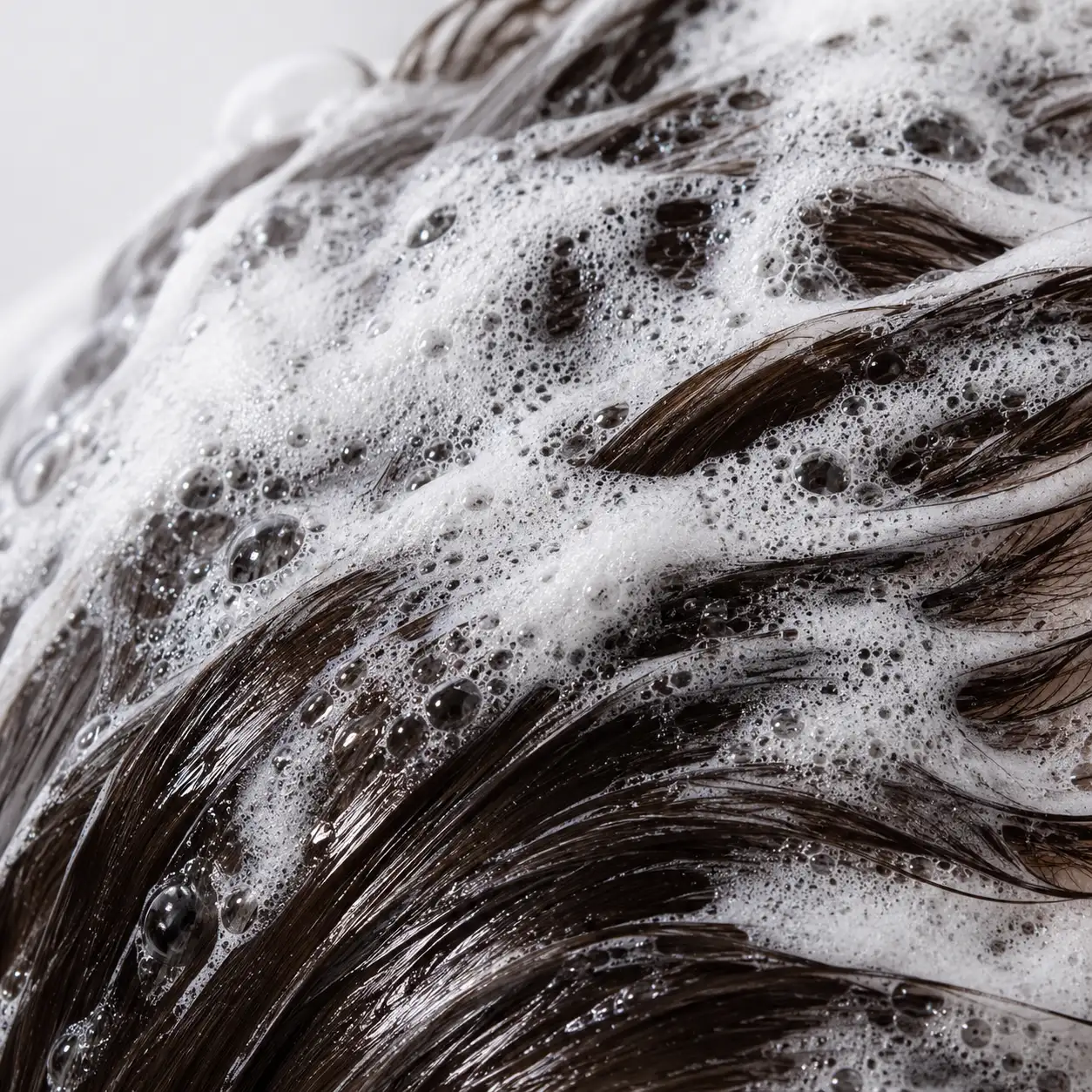
Cold weather, low humidity, and indoor heating can leave hair feeling dry, rough, and less manageable. An intensive hydration shampoo addresses this need by combining effective cleansing with moisturizing and conditioning ingredients.
Hydration is a foundational need across many hair types and markets. A moisturizing shampoo can serve as a standalone daily-care product or become the first step in a more targeted hydration system.
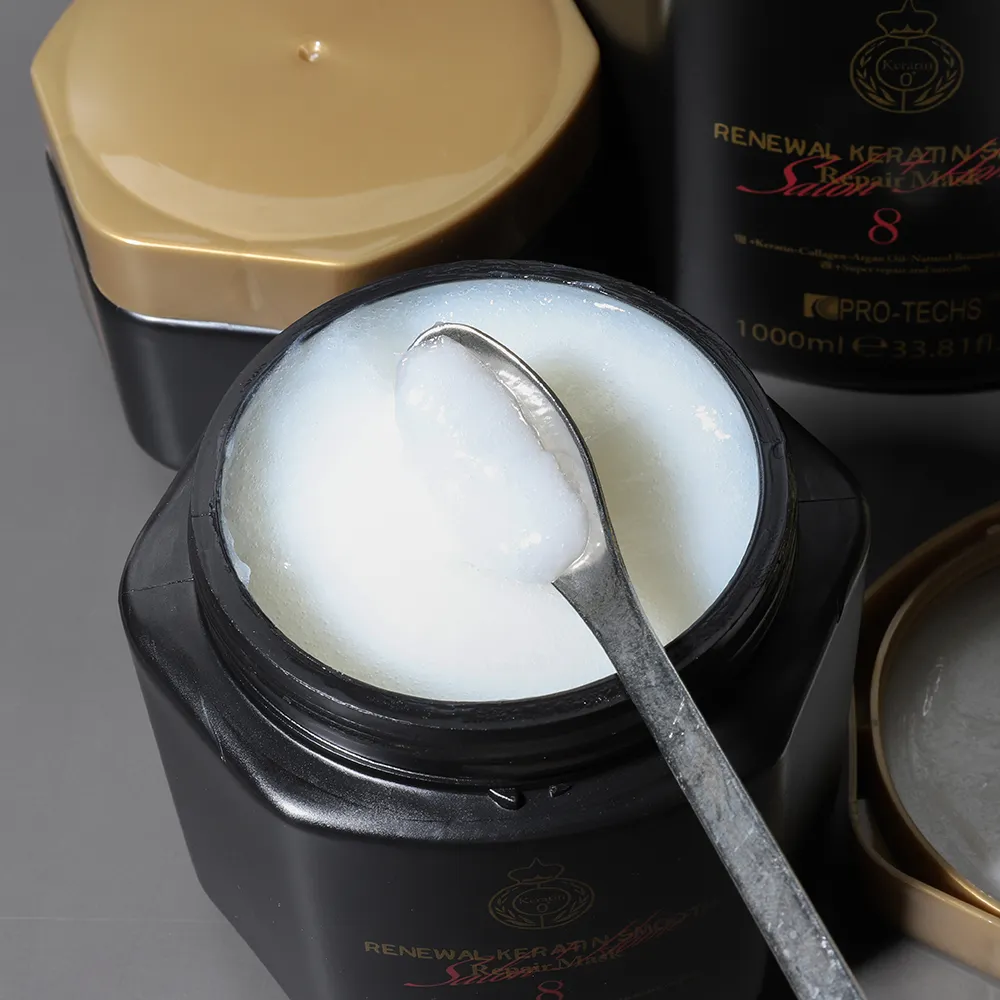
Frequent coloring, bleaching, heat styling, and chemical treatments can leave hair weakened and difficult to manage. A bond-focused repair mask can be positioned as an intensive treatment for customers looking beyond basic conditioning.
Hair repair remains an important category for brands serving color-treated and chemically processed hair customers. Compared with a regular conditioner, a treatment mask gives brands room to create a more intensive care step and a higher-value product within their range.
Cold, dry air can contribute to static and flyaways, while humidity in tropical and subtropical markets creates a different frizz-control challenge. A leave-in conditioner offers daily care without requiring rinsing, making it a versatile product for different climates.
Leave-in products add convenience to daily routines and help brands expand beyond traditional rinse-off products. A well-balanced formula can provide conditioning benefits without making hair feel heavy or greasy.
Seasonal changes can affect scalp comfort. Some consumers experience dryness and discomfort in colder weather, while warmer climates and higher temperatures can increase concerns about excess oil and scalp buildup.
A scalp balancing shampoo can be developed around a specific market need rather than using one formula to address every scalp concern.
Scalp care allows brands to expand from conventional hair cleansing into more targeted routines. Instead of offering only a general-purpose shampoo, brands can build differentiated products around oil control, gentle cleansing, or scalp comfort.
For brands targeting Australia, New Zealand, South Africa, and South American markets, November signals the approach of summer. Stronger sun exposure, outdoor activities, and swimming can increase interest in products designed for sun-exposed and color-treated hair.
A lightweight leave-on hair mist can offer a convenient addition to summer hair care routines.
A hair mist is easy to incorporate into a daily routine and can complement shampoos, conditioners, and treatment masks. For brands with color-care collections, it also creates an opportunity to build a more complete after-color and sun-exposure care range.
Sun exposure, saltwater, and swimming pool water can leave hair feeling dry, rough, and difficult to manage. An after-sun or after-swim treatment can address these concerns with a conditioning-focused formula designed for use after outdoor activities.
Many brands offer general-purpose conditioners, but a targeted after-sun or after-swim treatment gives customers a clearer reason to choose a specific product. It can also create a seasonal product opportunity for brands serving beach, resort, and active-lifestyle markets.
Individual formulas can become more valuable when they are developed as part of a coordinated product range. Rather than launching unrelated products, brands can connect them through a specific customer need.
Here are three possible product-line concepts for 2027:
| Product Line | Suggested Products | Target Market |
|---|---|---|
| Winter Moisture & Repair | Intensive Hydration Shampoo, Deep Conditioner, Bond Repair Mask | Cold and dry climates |
| Scalp Balance & Daily Care | Scalp Balancing Shampoo, Scalp Serum, Lightweight Conditioner | Warm, humid, and oily-scalp markets |
| Summer Protection & Recovery | UV & Color Protection Mist, Clarifying Shampoo, Post-Sun Treatment | Summer, beach, and outdoor markets |
These combinations can help brands create a clearer product identity, offer complementary products, and develop a more consistent customer routine.
A product launch requires more than choosing a formula. Formula evaluation, sample adjustments, packaging selection, label design, production, and quality inspections all need time.
If your target launch is January or February 2027, November is an important time to begin your project.
A typical development process includes:
For projects using existing formulas, the process may be more straightforward. New custom formulations can require additional R&D, testing, and sample approval. Starting early gives your team more time to make product decisions and prepare for the intended launch window.
Whether you are developing a winter repair range, expanding your scalp care products, or preparing a summer hair care collection, the right formula starts with understanding your customers and target market.
At PRO-TECHS, we support private label hair care brands with formula selection, custom development, sample evaluation, packaging, branding, and production.
Browse our Private Label Hair Care Solutions and start planning your 2027 product line with PRO-TECHS.