

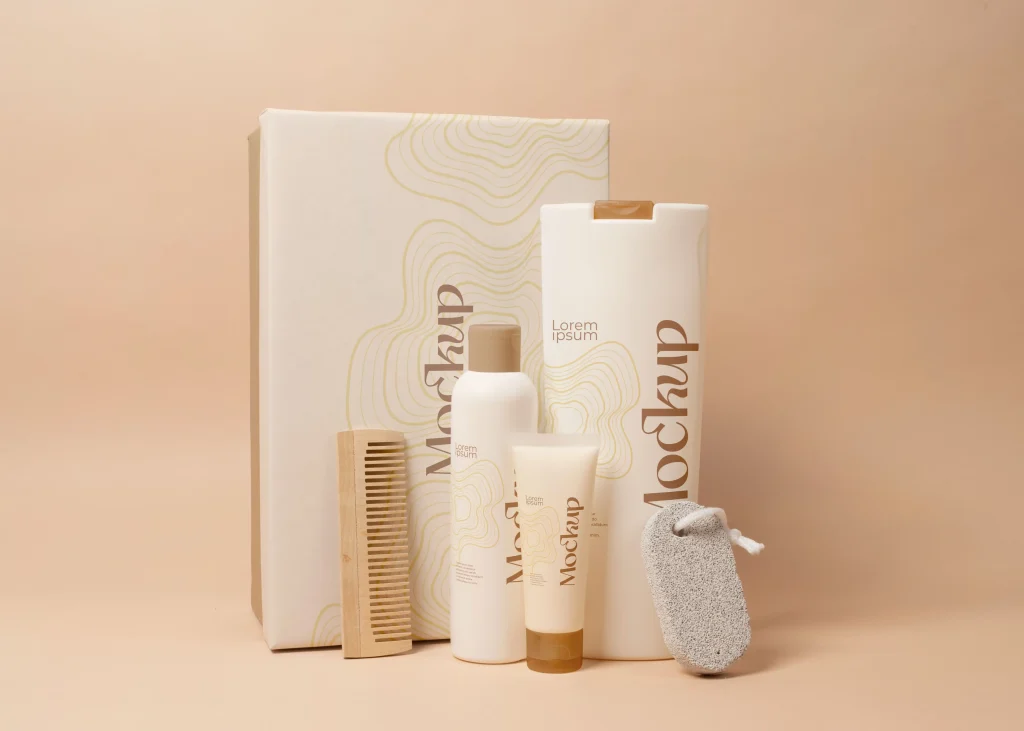
For a private label hair care brand, packaging design is more than choosing a bottle and adding a logo. The packaging needs to communicate the brand identity, product function, positioning, and essential product information while also working with the actual packaging specifications and the requirements of the target market.
For brands preparing to launch private label hair products, getting the packaging design process right from the beginning can help avoid costly revisions and create a more consistent product line. This guide explains how to approach private label hair care packaging design, what information to consider, and the most common mistakes to avoid.
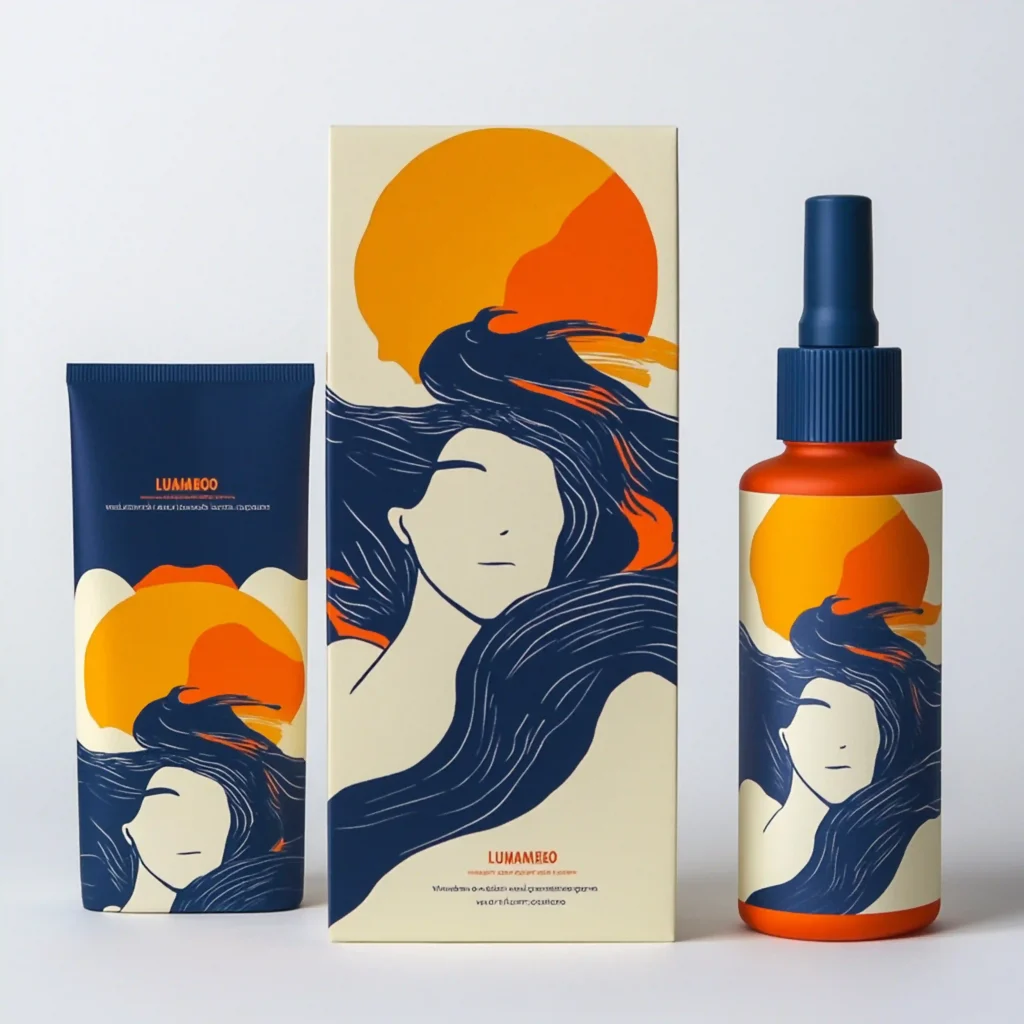
When developing private label hair care products, the formula is only one part of the final product. The packaging is often the first physical element a customer sees and interacts with.
A well-planned packaging system can help a brand communicate several things at the same time.
Private label products may start with an existing or market-proven formula, but the finished product still needs to represent the brand behind it.
Logo placement, typography, colors, graphics, and layout should work together to create a recognizable visual identity.
For example, a professional salon-focused brand may use a clean and technical design, while a natural hair care brand may use softer colors, botanical graphics, and a more organic visual language.
The goal is not simply to make the packaging attractive. The design should communicate what the brand represents.
Packaging should help customers understand what the product is and who it is designed for.
A shampoo positioned for damaged hair may emphasize repair and strengthening, while a professional keratin treatment may need a more technical and salon-oriented presentation.
The same packaging design approach does not necessarily work for every product category.
Many private label hair care brands eventually develop several products instead of launching only one SKU.
A product line may include:
Each product should be easy to distinguish while still looking like part of the same brand.
This is why packaging design should be considered as a product system rather than a collection of individual designs.
Packaging also has an important communication function.
Depending on the product and target market, packaging may need to communicate information such as:
Good graphic design makes this information easier to understand without making the packaging visually crowded.
Private label packaging design can involve several different components. The exact combination depends on the product, packaging format, target market, and brand strategy.
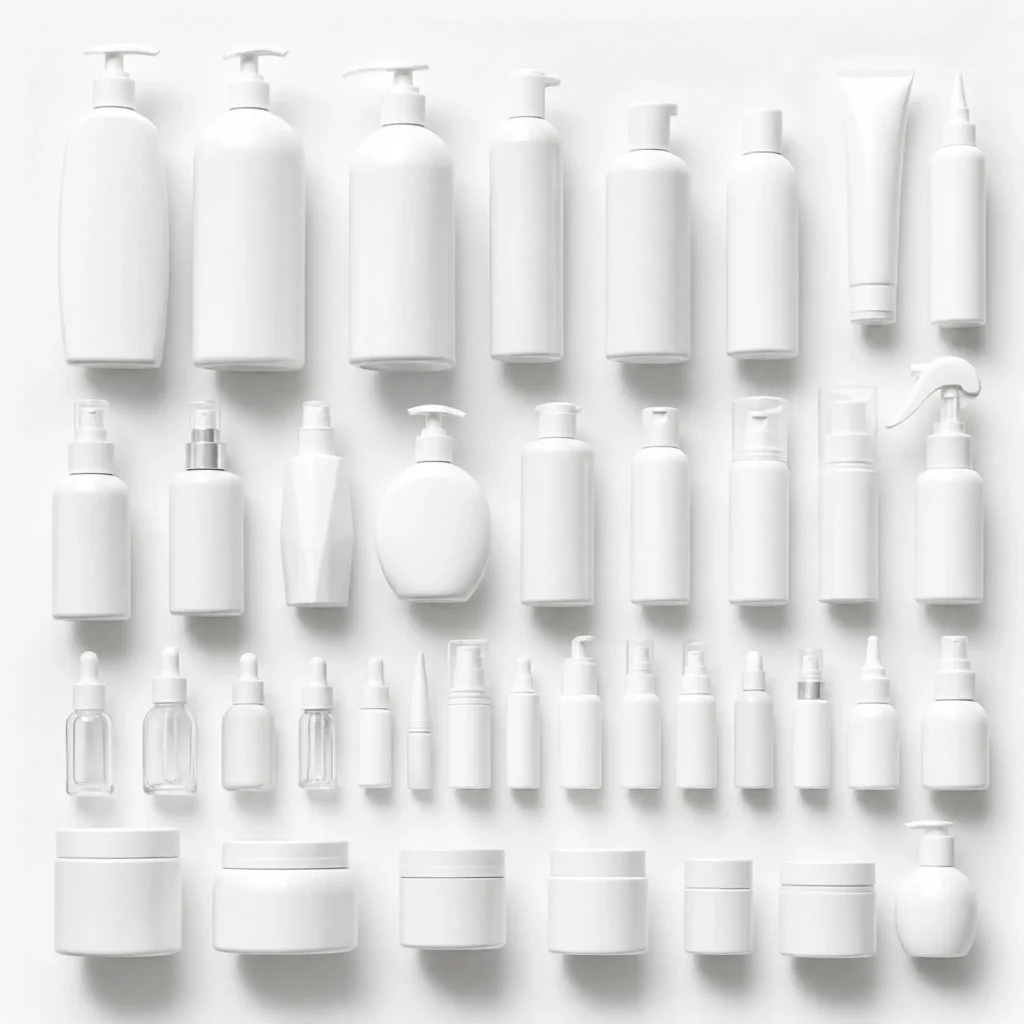
The first consideration is the physical container.
Common options for hair care products include:
The shape, size, material, closure, and surface area all affect how the final artwork can be applied.
For example, a shampoo bottle with a curved surface may require a different label layout from a flat-sided bottle.
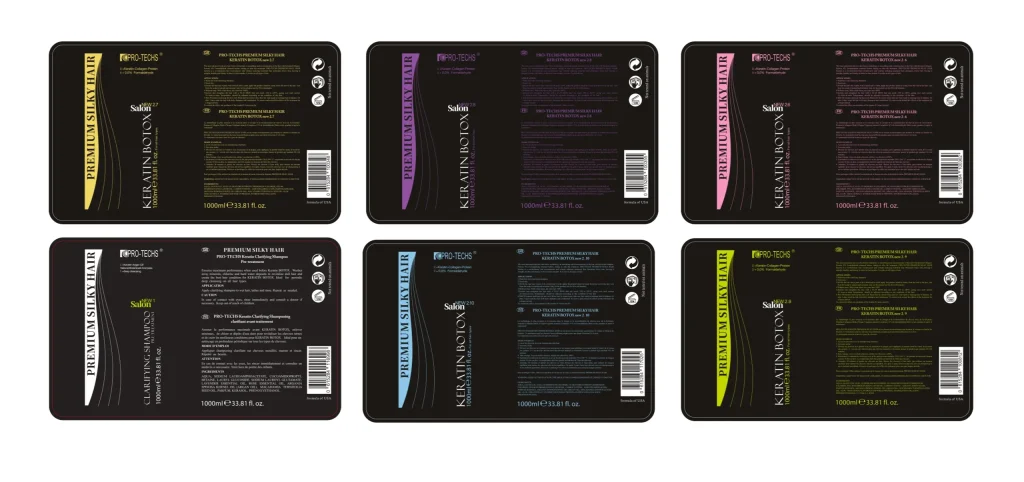
The label is usually the main graphic element of a hair care product.
A label may include:
For a professional private label hair care line, the front and back labels should be planned together rather than designed independently.
Some products may also require secondary packaging such as folding cartons or product boxes.
Boxes are particularly useful for:
When both a bottle and a box are used, the graphics should maintain the same visual identity.
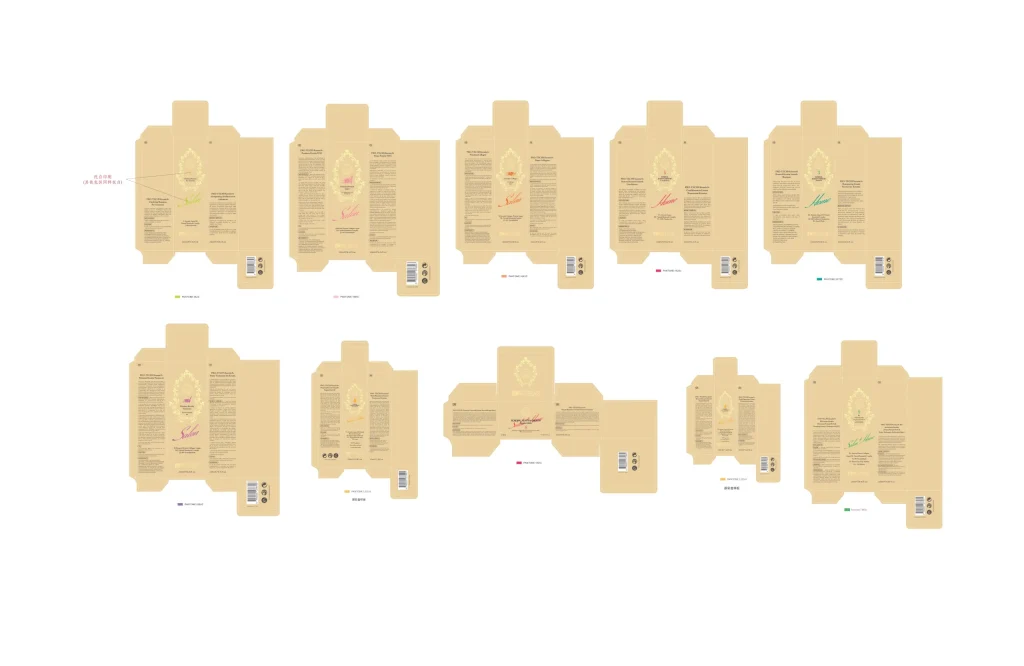
Depending on the product, packaging design may also include:
These should follow the same brand guidelines to create a consistent customer experience.
One of the most common packaging problems is starting the graphic design too early.
Before creating the final artwork, several basic decisions should already be made.
Start by identifying who the product is intended for.
For example:
The target customer influences the visual language of the packaging.
A professional salon product may require a very different design from a mass-market daily shampoo.
Next, decide how you want the brand to be perceived.
Possible positioning directions include:
This positioning should influence the color palette, typography, imagery, product naming, and overall layout.
The packaging should also reflect the specific product.
Consider:
For example, the packaging for a repair mask may emphasize damaged hair and intensive care, while a professional keratin treatment may focus on smoothing performance and salon use.
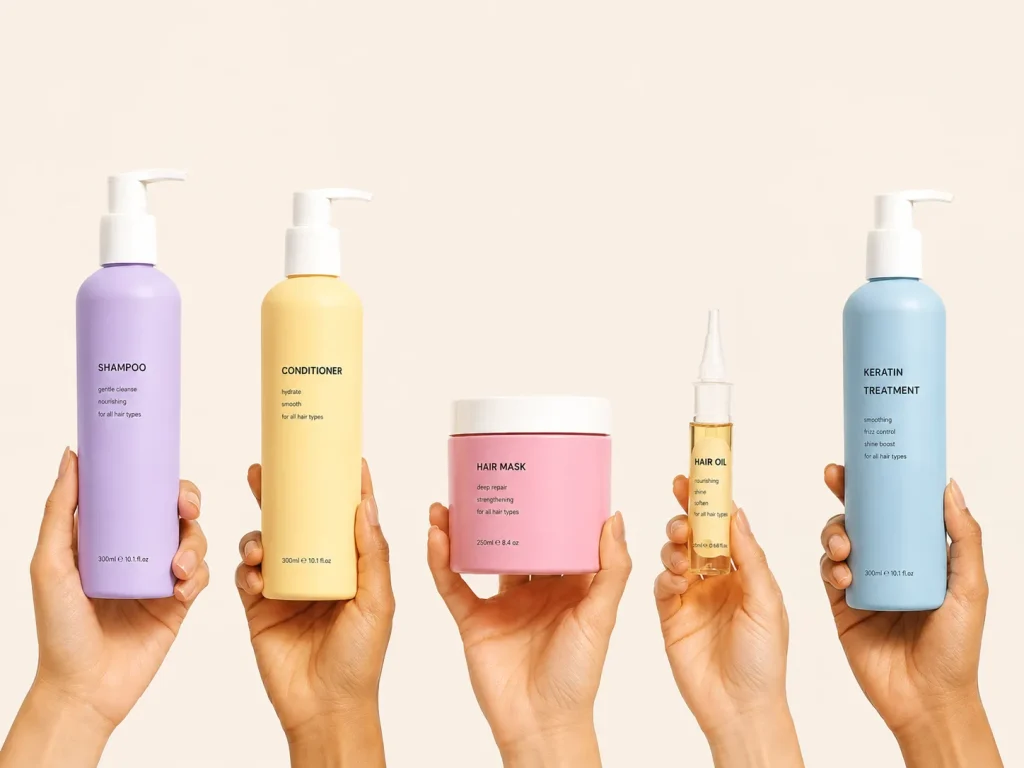
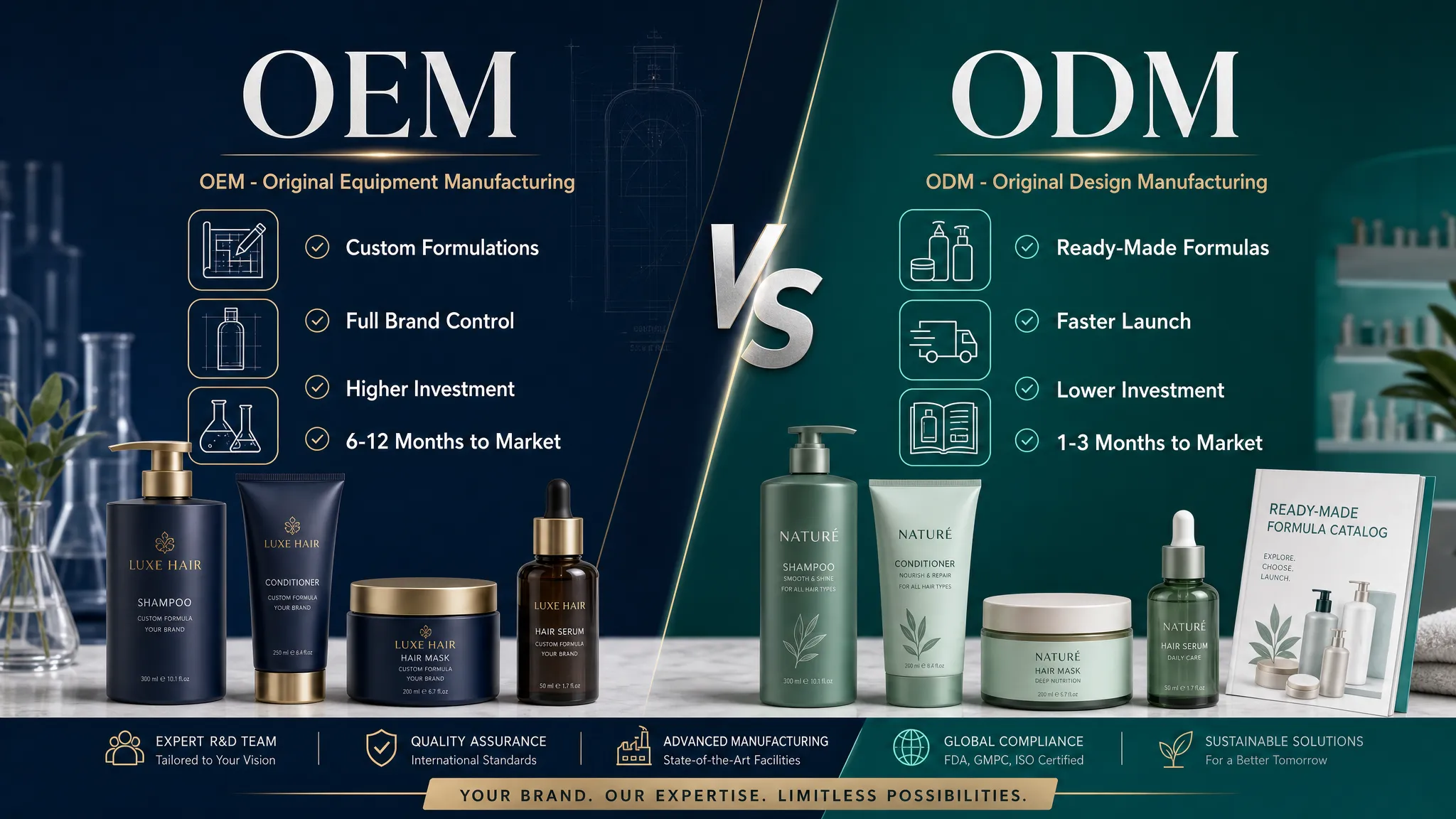
If you are developing several private label hair products, the goal should be to create a recognizable product family.
The products should not look completely identical, but customers should be able to recognize that they belong to the same brand.
Consider maintaining consistent:
These elements create continuity across the product range.
Individual products can then be differentiated through:
For example, a brand could use the same overall packaging structure for its private label shampoo, conditioner, and hair mask while using different accent colors to distinguish each product. This creates a consistent visual identity while allowing customers to quickly understand the differences between individual products.
This approach makes the product line easier to navigate while preserving brand recognition.
One of the most important questions when developing private label packaging is what information should appear on the label.
The exact requirements depend on the product and the market where it will be sold, but packaging commonly contains several information areas.
The front of the package generally communicates the most important product information.
This may include:
For example:
Brand Name
Keratin Repair Shampoo
Sulfate-Free
500 mL
The front label should remain visually clear. Trying to place every product benefit on the front can make the packaging difficult to read.
The back label can provide more detailed information, such as:
The back label should be structured so customers can find information quickly.
Claims such as:
should not be added simply because they sound attractive.
A product claim should be supported by the product formula, documentation, testing, or other appropriate evidence, depending on the claim and target market.
Graphic design and regulatory compliance are closely connected.
A label is not simply a marketing surface. It may also contain information that is subject to requirements in the market where the product is sold.
Different markets can have different requirements regarding:
For this reason, packaging artwork should be reviewed against the requirements of the intended market before final production.
This is particularly important for private label hair care brands planning to sell products internationally.
A design that works for one market may need adjustments before being used in another.
In most cases, the packaging specifications should be confirmed before the final label artwork is created.
The physical packaging determines the available design area.
Before finalizing the artwork, confirm details such as:
For example, designing a label before confirming the bottle can result in an artwork file that does not fit the actual container.
This can lead to unnecessary revisions and additional production time.
A better process is:
Select the packaging → Confirm dimensions → Create artwork → Review → Approve final artwork → Produce
Packaging design needs to work in the physical world, not only on a computer screen.
A design may look balanced on a digital mockup but become difficult to read when applied to a curved bottle.
Important technical considerations include:
The artwork may need additional space beyond the cutting or trimming area.
Important text and logos should remain within the safe area to avoid being cut off or positioned too close to the edge.
Text and graphics may become distorted when applied around highly curved containers.
Different printing methods can affect colors, fine details, gradients, and small text.
Transparent, white, metallic, or textured labels can produce different visual results.
These details should be considered before final artwork approval.
Understanding common mistakes can make the design process much more efficient.
Creating the label before confirming the bottle or container can result in incorrect dimensions and unnecessary revisions.
Better approach: Confirm the physical packaging specifications first.
Trying to communicate every benefit, ingredient, and marketing message on the front can make the package look crowded.
Better approach: Establish a clear information hierarchy and move detailed information to the appropriate area of the packaging.
A shampoo, conditioner, and mask may all look attractive individually but fail to look like products from the same brand.
Better approach: Establish a consistent visual system for the entire product family.
Marketing claims should not be added without considering whether they can be supported.
Better approach: Confirm claims before finalizing the packaging artwork.
Packaging designed for one market may not be appropriate for another because of differences in consumer expectations, language, and labeling requirements.
Better approach: Define the target market before finalizing the packaging system.
Packaging should reflect the formula, product positioning, and intended use.
A premium professional treatment and a basic daily shampoo should not necessarily use the same design language.
Better approach: Develop the packaging around the complete product concept.
A structured process can make packaging development more efficient.
Establish:
Confirm:
Choose:
Check:
Define:
Develop the final artwork for:
Before approval, check:
Proofread the artwork and confirm the technical specifications before sending the final files to production.
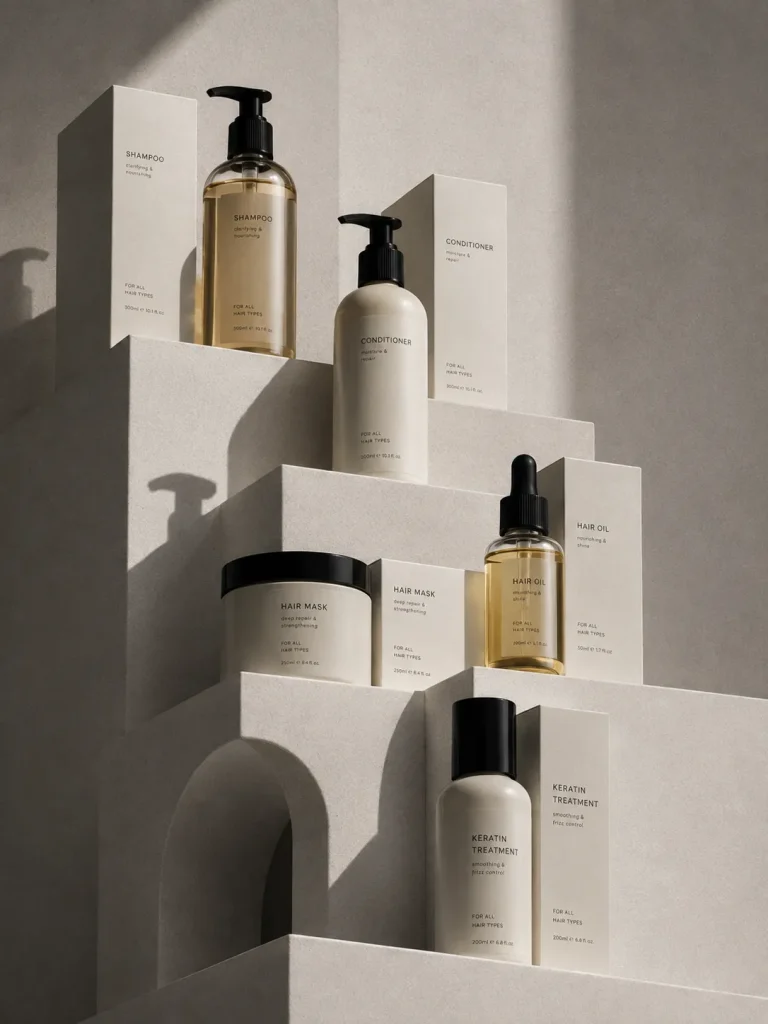
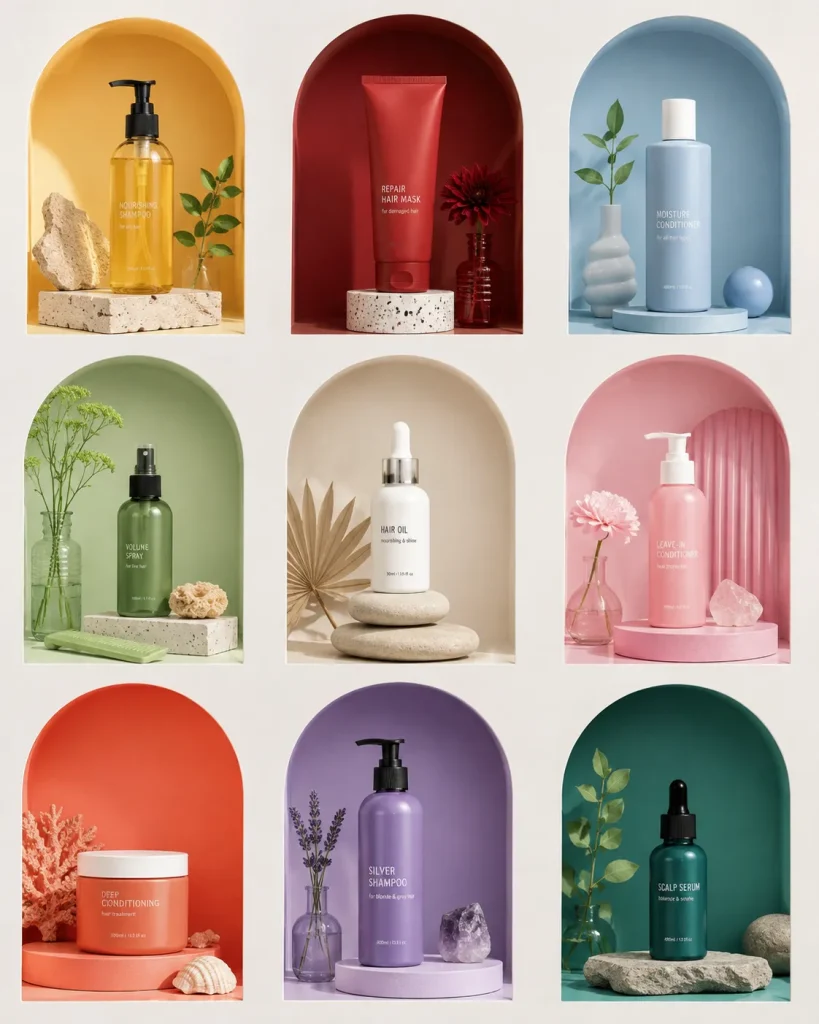
Good packaging graphic design should accomplish more than creating an attractive appearance.
It should help the brand achieve four practical goals.
A consistent visual identity makes it easier for customers to recognize the brand across different products.
Clear visual differences help customers distinguish between shampoo, conditioner, masks, treatments, and other products.
A well-organized label makes important information easier to understand.
A structured design system makes it easier to add new products without creating a completely new visual identity for every SKU.
This becomes increasingly important as a private label hair care brand expands its product range.
Before starting the design:
During the design process:
Before production:
Private label hair care packaging design is the process of creating the visual and informational elements used to present a branded hair care product, including labels, bottles, boxes, and supporting packaging materials.
Depending on the product and target market, a label may include the brand name, product name, product description, ingredients, directions, net contents, warnings, claims, and other required information.
Yes. The bottle or container dimensions and available labeling area should generally be confirmed before final artwork is created.
A consistent design system can be adapted across multiple products. Core brand elements can remain consistent while colors, product names, graphics, or other elements differentiate individual SKUs.
Packaging can often be customized through different container formats, sizes, labels, colors, finishes, boxes, and graphic design elements, depending on the available packaging options and production requirements.
Labeling requirements vary depending on the product and the market where it will be sold. Brands should confirm the applicable requirements before approving final packaging artwork.
Yes. A product may require changes to language, labeling information, claims, or other packaging elements when entering different markets.
Effective private label hair care packaging starts with product strategy rather than graphic decoration.
The most important elements—brand identity, product positioning, packaging format, graphic design, product information, and market requirements—need to work together from the beginning.
When these elements are considered as one system, the final packaging can be more consistent, easier to manufacture, easier for customers to understand, and better suited to the market where the product will be sold.
For a growing private label hair care brand, the goal is not simply to create one attractive bottle. It is to build a packaging system that can support the brand as its product range expands.