



Hair oils can serve different purposes within a hair care routine, from improving shine and manageability to providing conditioning for dry hair and supporting targeted scalp-care concepts.
For private label brands, the challenge is choosing the right type of hair oil for the intended customer. A lightweight finishing oil, a nourishing treatment oil, and a scalp-focused oil may share similar ingredients, but they serve different needs and require different product positioning.
Hair oils are commonly used to condition the hair, improve softness, enhance shine, and help manage dryness and frizz. Depending on the formulation, they can be designed for use on the hair lengths and ends, as a pre-wash treatment, or as part of a scalp-care routine.
For brands, the key is to define the product’s primary function before selecting ingredients. Hair oils are not interchangeable, and a formula designed for finishing may not be suitable for a scalp-focused product.
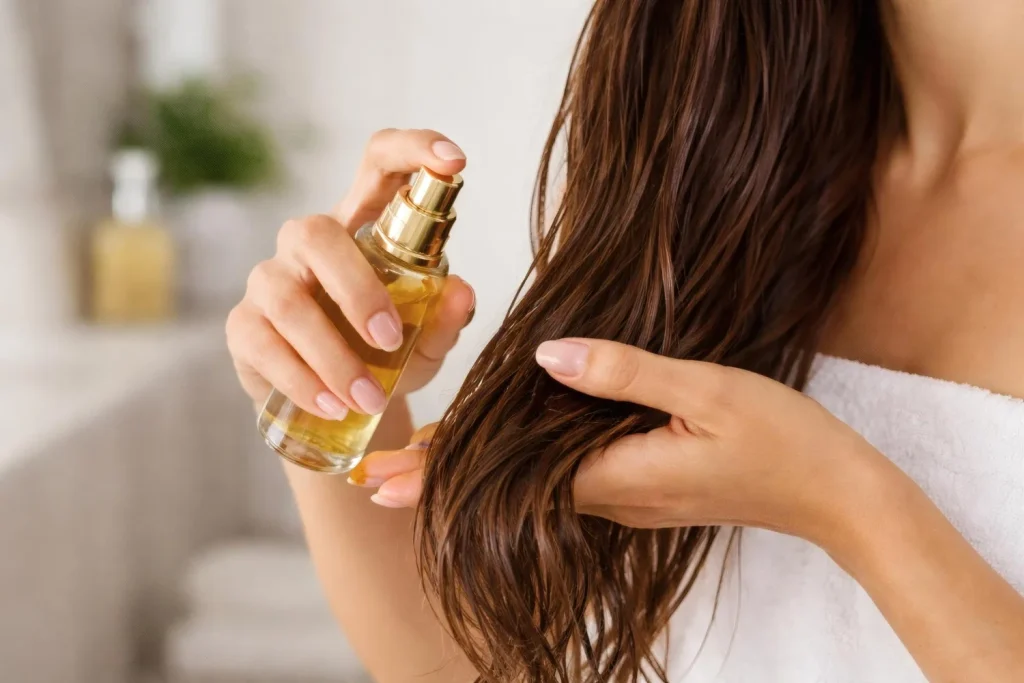
Designed for dry, rough, frizz-prone, or damaged-feeling hair. These oils can be positioned around smoothness, shine, and manageability, making them a natural addition to repair and anti-frizz collections.
Typically formulated with plant oils and other conditioning ingredients to provide a richer care experience. They may appeal to customers with dry, coarse, or textured hair who want additional conditioning in their routine.
Designed to improve the appearance of the hair without an excessively heavy finish. These products may suit fine hair, daily styling routines, or customers looking for shine and smoothness between washes.
Positioned around scalp care and hair-growth-related concerns. Depending on the formula, these products may contain botanical oils or other ingredients selected for a specific scalp-care concept. Brands should ensure that growth-related claims are supported by appropriate evidence and comply with the regulations of each target market.
Applied before shampooing as part of a targeted conditioning routine. These products can be positioned for customers seeking additional care before cleansing, particularly within nourishing or textured-hair collections.
Brands may also develop oils around specific audiences or product concepts, such as curly-hair care, beard care, or premium botanical hair care. A clear target customer helps distinguish these products from general-purpose hair oils.
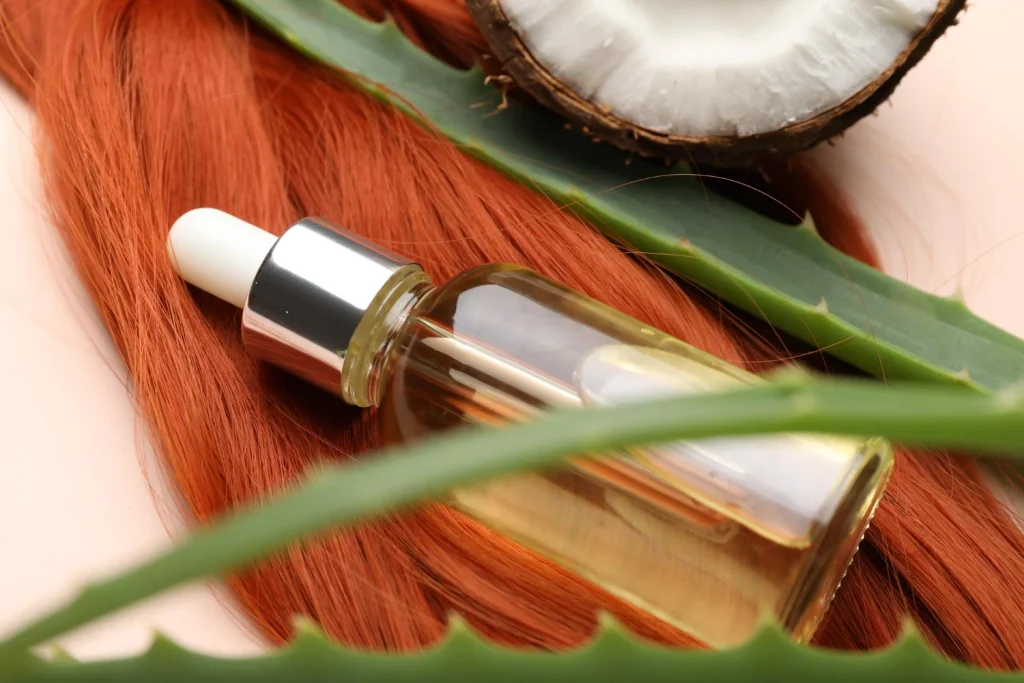
The right ingredients depend on the product’s intended use, desired finish, and target hair type.
These ingredients have different formulation characteristics and should not be treated as interchangeable. Their suitability depends on the complete formula, concentration, stability, sensory profile, and intended product claims.
For private label brands, the objective is not simply to include popular oils. It is to create a formula with the right balance of performance, texture, application, and positioning.
Hair oil can complement several different product categories, depending on the brand’s strategy.
Repair Shampoo → Conditioner → Hair Mask → Repair Oil
This combination creates a conditioning-focused routine for dry or damaged-feeling hair.
Curl Shampoo → Conditioner → Curl Cream → Hair Oil
This system serves customers looking for conditioning, manageability, and finishing care for textured hair.
Scalp Care Shampoo → Scalp Treatment → Hair Oil
This approach can support a more targeted scalp-care collection, provided each product has a distinct purpose and its claims are appropriately substantiated.
Hair oil can also function as a standalone product for brands that want to test a specific customer need before expanding into a larger collection.
Hair oil and hair serum can overlap in their intended benefits, but they are not necessarily the same type of product.
Hair oils are often positioned around conditioning, nourishment, shine, and smoothing. Hair serums may use a wider range of formulation approaches and can be positioned around specific finish, frizz control, protection, or other targeted benefits.
The distinction depends on the actual formula rather than the product name alone. When deciding between the two, brands should consider the desired texture, application method, target customer, and role within the existing range.
If both products are included in one collection, they should offer a meaningful difference in use or experience rather than simply creating two similar SKUs.
Before selecting a private label hair oil, consider four questions:
Who is the target customer?
Fine hair, dry hair, curly or textured hair, damaged-feeling hair, or customers focused on scalp care?
Where will the product be applied?
Hair lengths and ends, scalp, beard, or as a pre-wash treatment?
What finish should it deliver?
Lightweight shine, smoothness, a richer conditioning feel, or another clearly defined experience?
What role does it play in the product line?
Will it be a standalone product, a finishing step, or part of a larger care system?
A successful private label hair oil starts with a clear product purpose. Once the intended customer and use are defined, ingredient selection, texture, packaging, and product positioning become easier to align.


Looking for hair oil formulas for your next product line?
Explore our private label hair care samples to compare product concepts for different hair types, routines, and customer needs.