

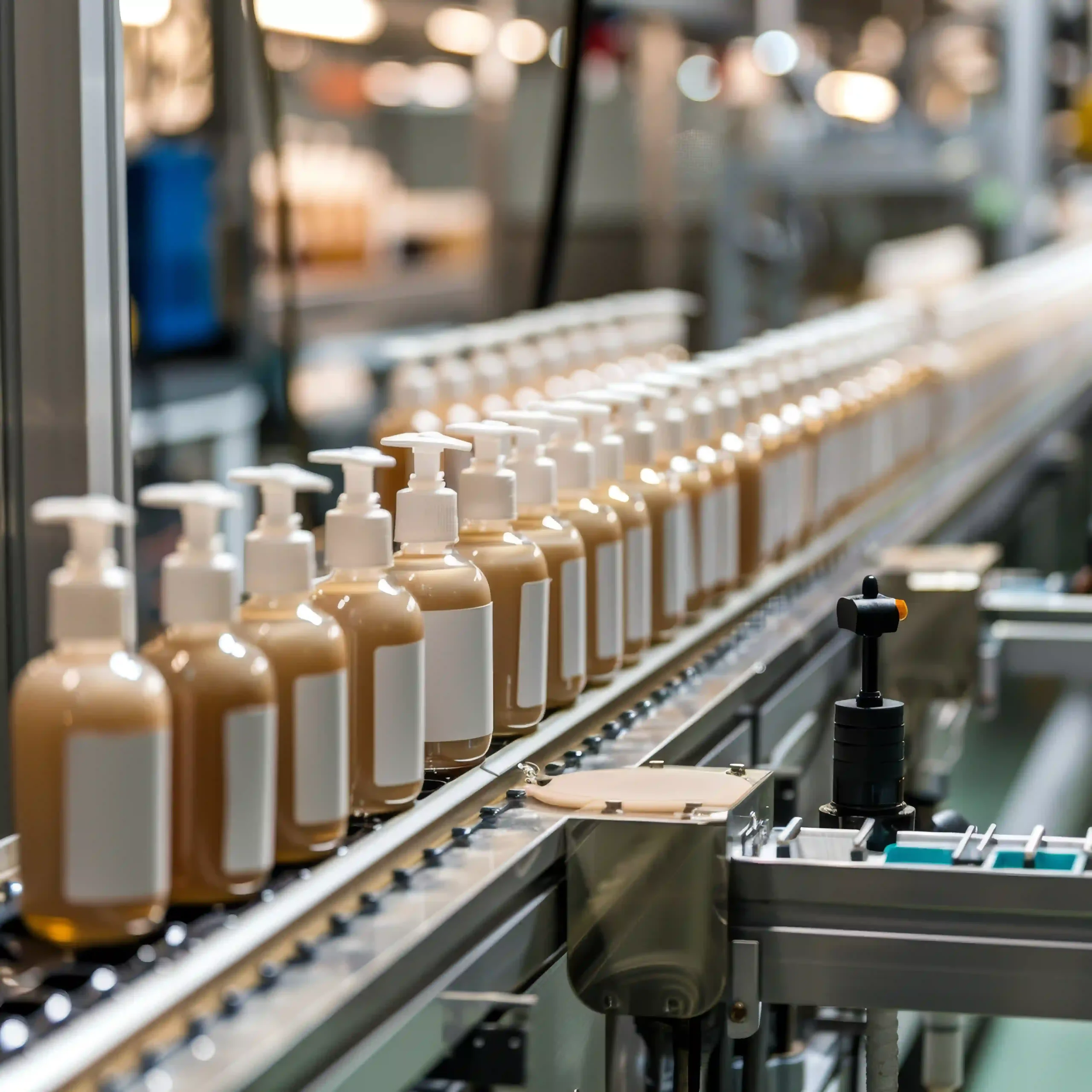




For hair care brand owners, independent operators, and distributors, transitioning from a digital conversation to a physical factory tour is a major milestone. Whether you are searching for an Original Design Manufacturer (ODM) to scale your retail volume or selecting a private label partner for a specialized hair care line, walking the production floor provides reality checks that no PowerPoint presentation or certificates can match.
However, a factory tour is only valuable if you know how to look past the “showroom polish.” To truly assess a manufacturer’s capability, stability, and quality control, you must observe the structural flow of their production lines and the habits of their workforce.
Here is a practical guide on what to analyze during your next manufacturing site audit.
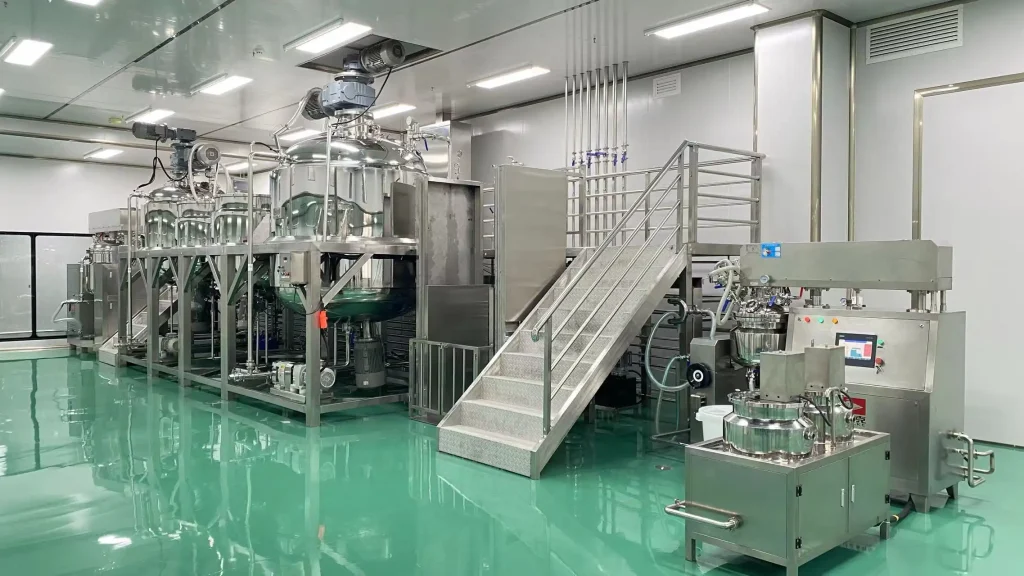
Hair care formulations—ranging from pH-balanced shampoos to highly stable keratin creams—are highly sensitive to microbial contamination. A minor sanitary slip can compromise an entire batch, leading to product recalls and severe brand damage.
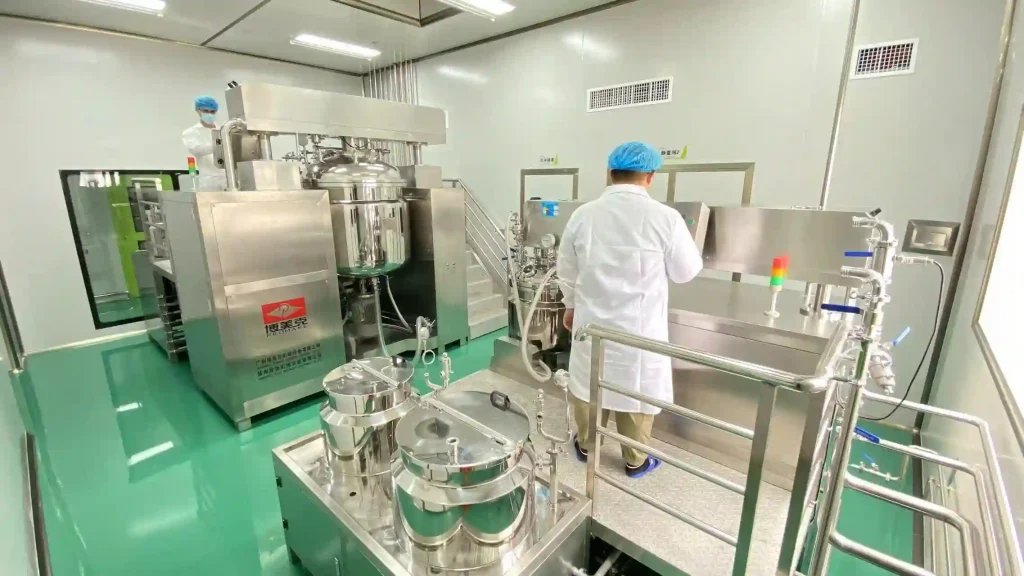
The physical layout of a manufacturing facility reveals its operational efficiency. A disorganized floor leads to production bottlenecks, misplaced components, and human error during packing.
Look for a logical, unidirectional material flow. The path from raw material storage to chemical mixing, bottle feeding, filling, capping, labeling, and final master carton packing should move forward in a smooth sequence without looping back or crossing paths.
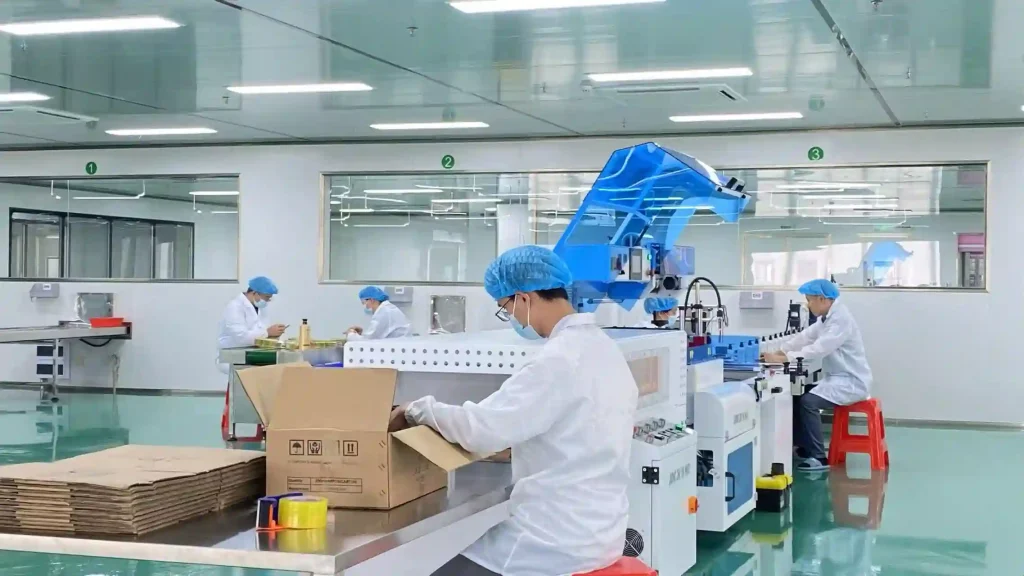
While artisanal brands can manage manual operations, scaling a commercial hair care line requires automated precision to ensure consistency across tens of thousands of units.
Bottles should feed smoothly into the conveyor matrix via rotary tables or unscramblers without manual handling, minimizing internal contamination.
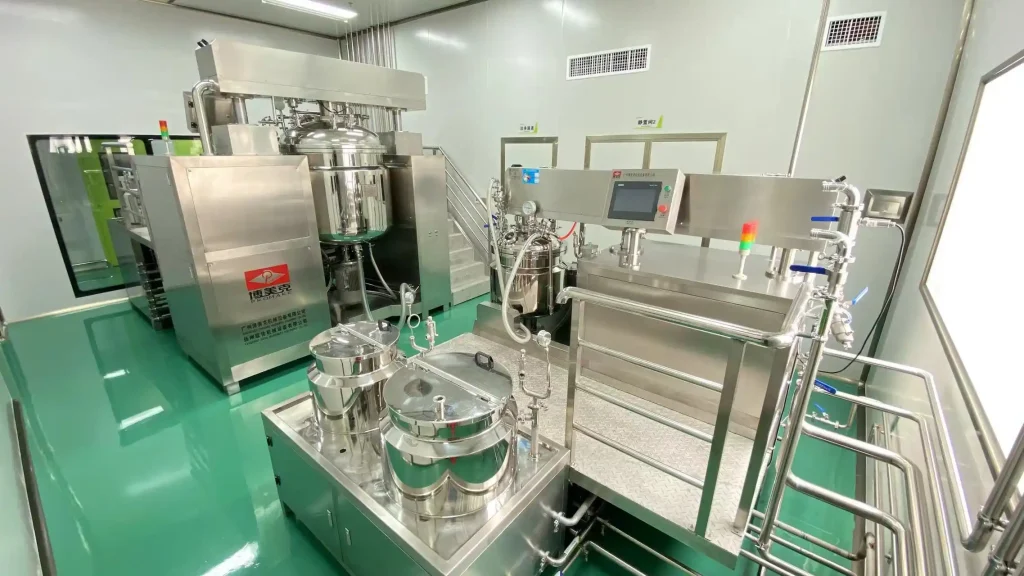
Observe the filling nozzles. They should dive deep into the bottles to prevent air pockets and feature clean, anti-drip cutoffs to keep neck threads pristine for sealing.
Caps and pumps must be applied mechanically with calibrated torque settings. Loose caps cause transit leaks, while over-tightened pumps break under consumer use.
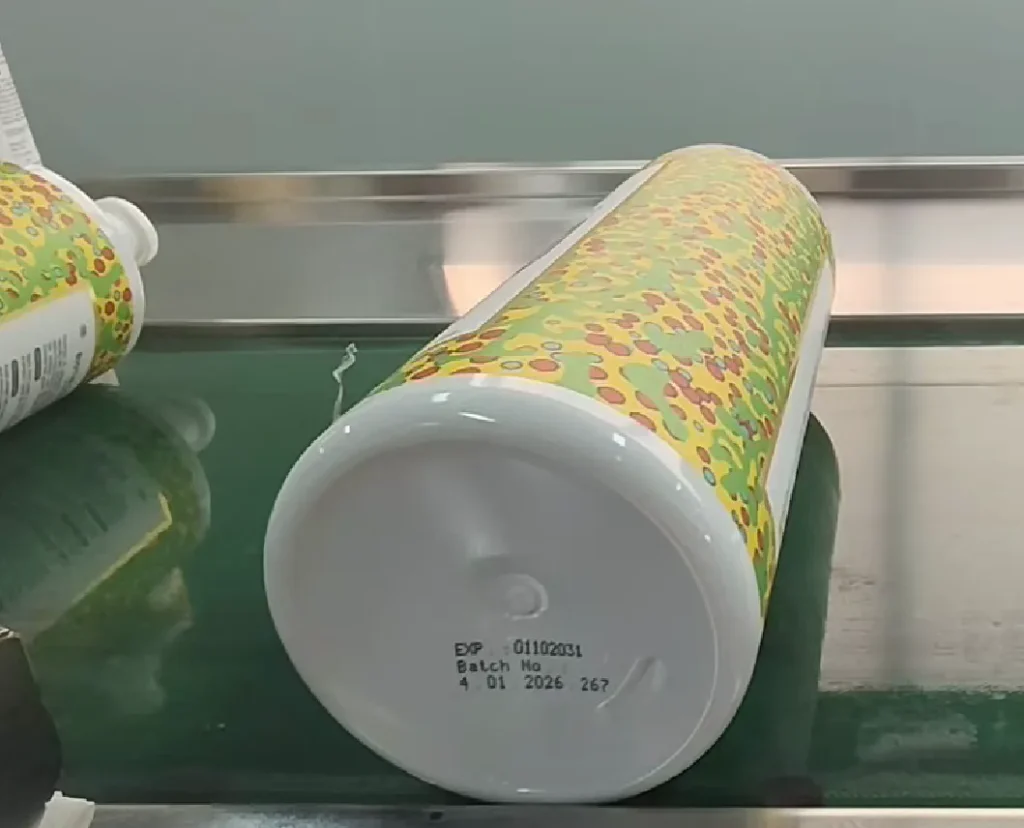
Check for automated laser or inkjet coding units printing clear batch numbers and expiration dates directly onto the glass or plastic packaging material.
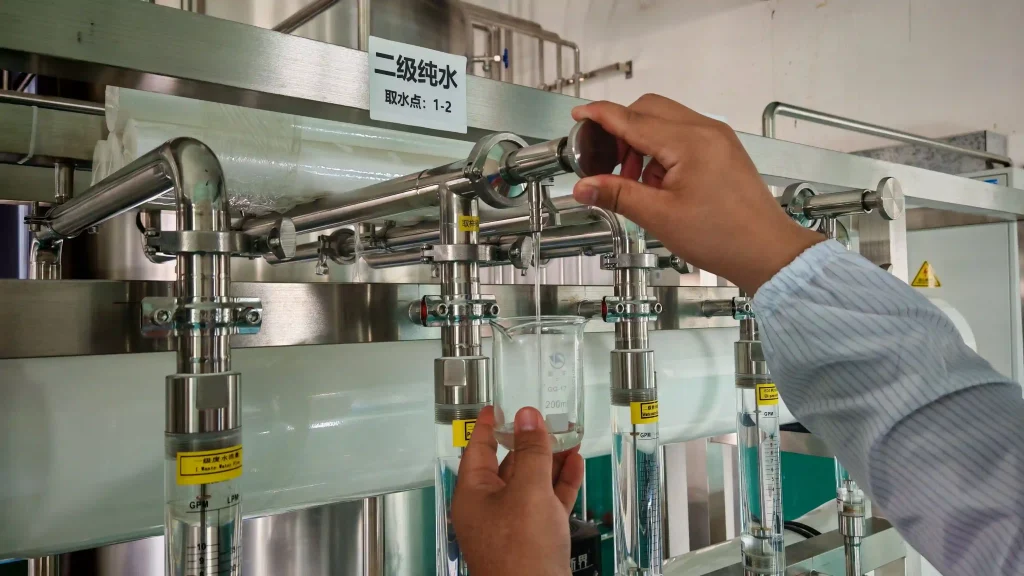
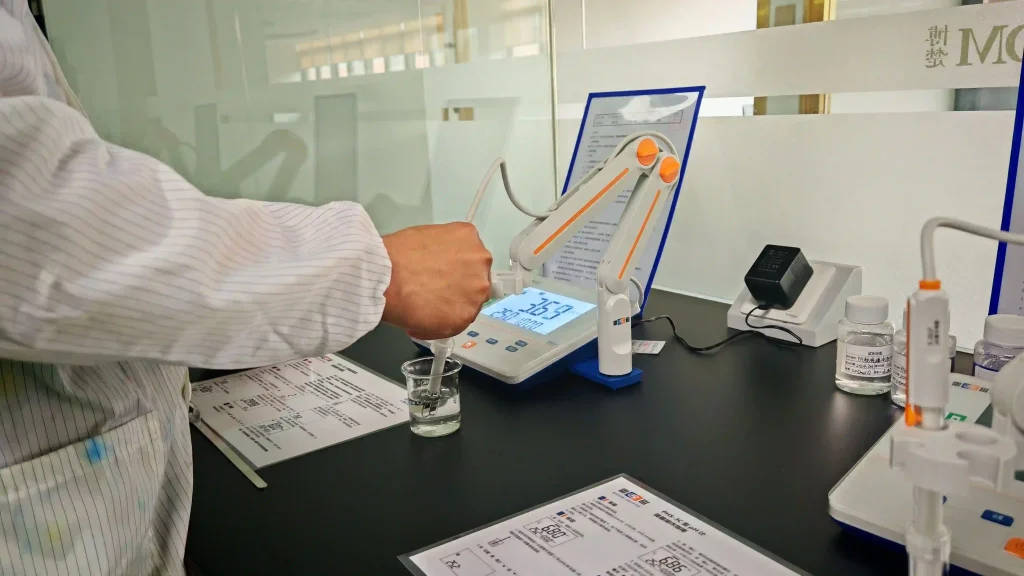
A world-class manufacturing partner doesn’t just check quality at the very end of the line; they audit it at every critical intersection.
During the walk, keep an eye out for active quality monitoring systems:
The Separation of Defectives: Look for dedicated, clearly marked red bins labeled “Reject” or “Scrap” near the lines. If a bottle lacks a label or has a skewed cap, it must be removed instantly. If you see defective components piled on standard workspaces, it indicates weak quality habits.
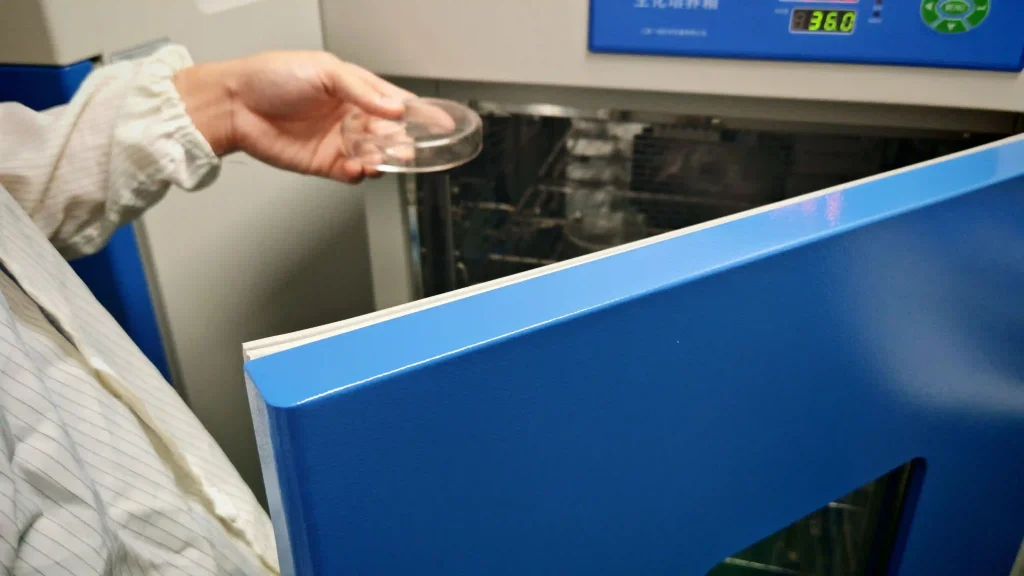
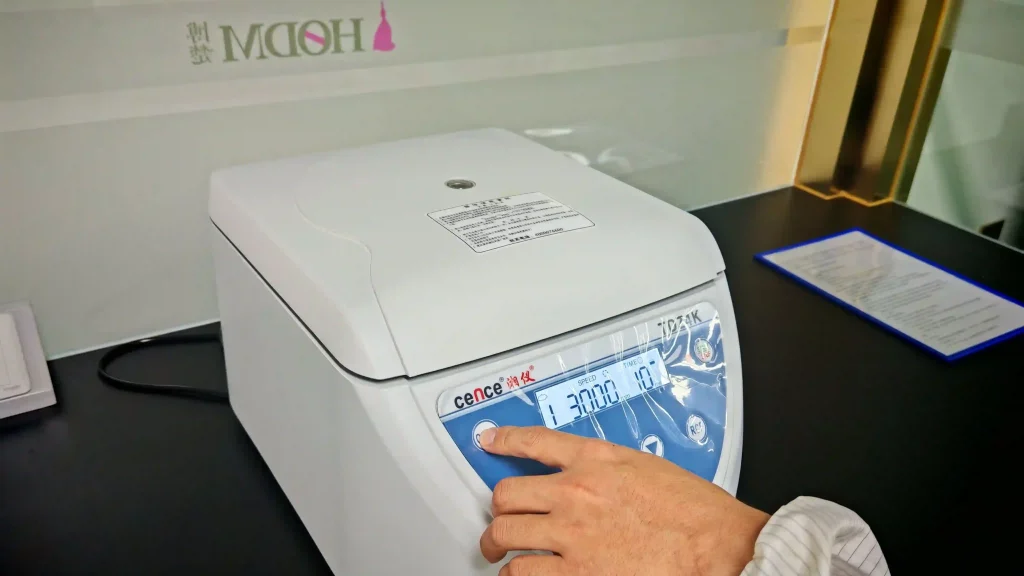
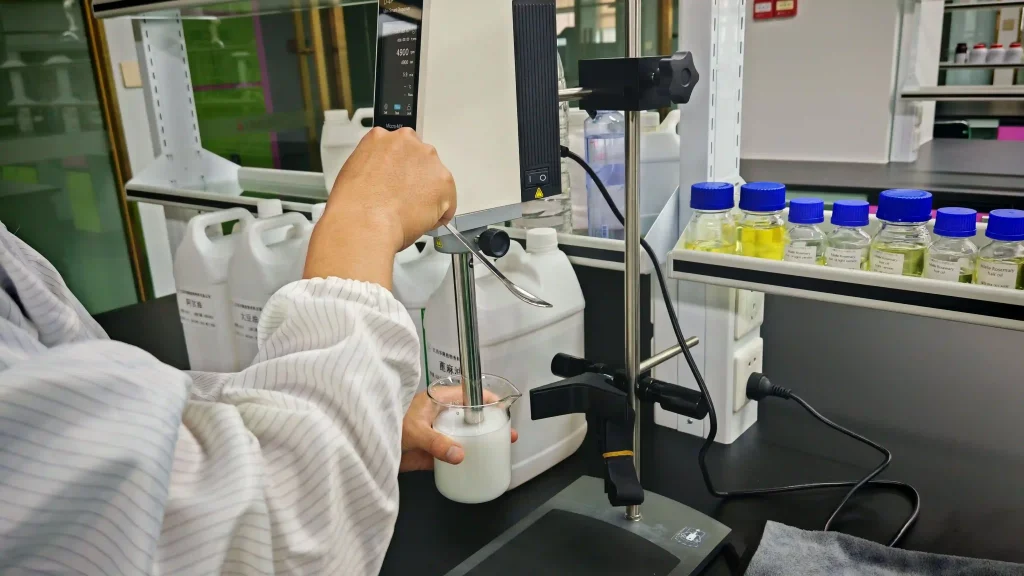
Machinery is only as reliable as the people operating it. The focus and discipline of the floor staff are great indicators of the factory’s true management standards.
When evaluating a potential partner, look beyond the lobby’s product displays. True manufacturing excellence is visible in the cleanroom protocols, the steady pace of automated filling lines, and the disciplined tracking of batch codes. Choosing a partner that values precision on the factory floor secures your supply chain and protects your brand’s reputation on retail shelves.

Looking for a reliable manufacturer of hair care products?
PRO-TECHS invites you to tour our professional R&D and production center.