

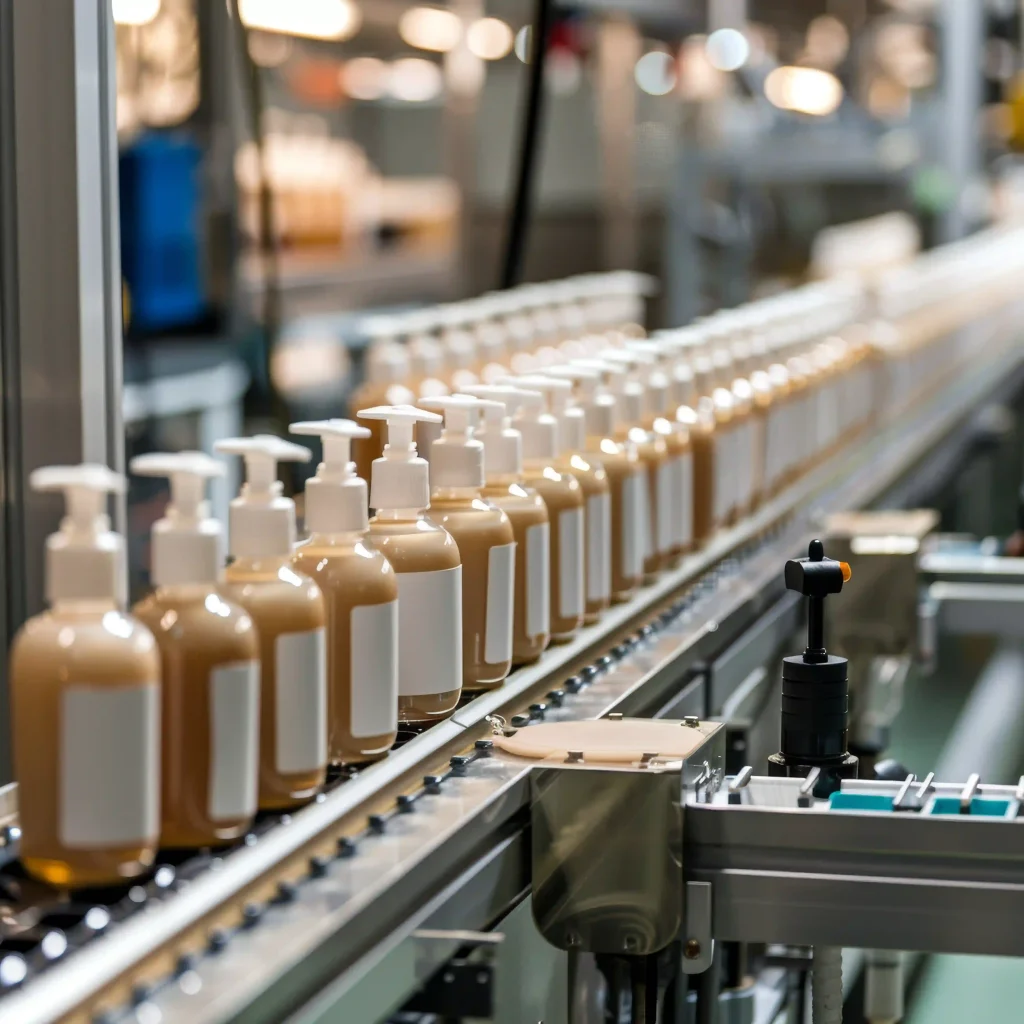
Launching a successful hair care brand requires more than choosing attractive packaging or following market trends. Behind every professional hair care product is a complex development process involving formulation expertise, manufacturing capability, quality control, regulatory compliance, and supply chain management.
For brands entering the beauty industry, one of the most important decisions is choosing the right manufacturing model. Should you use private label hair care, work with an OEM hair care manufacturer, or choose an ODM hair care manufacturer?
Although these terms are often used interchangeably, they represent different levels of product development involvement, customization, investment, and brand control.
Understanding the difference between private label vs OEM vs ODM hair care manufacturing helps brand owners, distributors, salon groups, and beauty entrepreneurs choose the right strategy based on their business goals.
Before comparing the differences, it is important to understand what each model actually means.
In simple terms:
The main difference lies in how much control the brand has over formulation, development, and production decisions.
Private label hair care is the fastest and most accessible way to launch branded hair products.
With a private label model, the manufacturer already has professionally developed formulas that have been tested and optimized. The brand selects products from the manufacturer’s existing portfolio and customizes elements such as:
For example, a company launching a professional hair repair line may select an existing keratin shampoo, conditioner, or treatment formula and create a customized brand identity around these products.
Because formulas already exist, brands can avoid long product development cycles.
This makes private label ideal for:
Instead of spending months developing a formula, brands can focus resources on branding, marketing, and customer acquisition.
Developing a completely new hair care formula requires investment in:
Private label reduces these initial costs because brands use existing manufacturing expertise.
A professional private label hair care manufacturer already understands:
This reduces the risks commonly associated with launching new products.
The biggest limitation is product uniqueness.
Since the formula is already available, other brands may have similar product concepts unless additional customization is added.
Private label is ideal for businesses prioritizing:
However, brands seeking completely unique formulas may require ODM or OEM solutions.
ODM (Original Design Manufacturer) represents a higher level of customization compared with private label.
In an ODM partnership, the manufacturer uses its existing research capabilities, technical knowledge, and formulation experience to help create a product according to the brand’s requirements.
The brand may provide:
The manufacturer then develops or modifies the formula based on these requirements.
ODM allows brands to create products that are more customized than standard private label options.
Examples include:
The product is developed with a specific market opportunity in mind.
One of the biggest advantages of ODM is using the manufacturer’s technical knowledge.
Experienced ODM manufacturers understand:
This allows brands to create innovative products without building their own R&D department.
ODM is often the right choice for brands that already understand their market and want stronger product differentiation.
It works well for:
OEM (Original Equipment Manufacturing) provides the highest level of customization.
With OEM hair care manufacturing, the brand typically has a specific product concept, formula requirement, or technical specification that the manufacturer produces.
The brand may:
The manufacturer becomes the production partner responsible for transforming the concept into a finished product.
OEM gives brands greater control over:
This is important for brands that want unique products that competitors cannot easily replicate.
In today’s competitive hair care market, product uniqueness is becoming increasingly important.
OEM allows brands to develop signature products such as:
A unique formula can become a long-term competitive advantage.
However, OEM requires more investment.
Brands should consider:
OEM is usually more suitable for companies with clear product strategies and sufficient market experience.
| Factor | Private Label | ODM | OEM |
|---|---|---|---|
| Formula Source | Existing formula | Modified or developed by manufacturer | Fully customized |
| Customization Level | Low to medium | Medium to high | Highest |
| Development Time | Fast | Moderate | Long |
| Investment Required | Lower | Medium | Higher |
| Brand Differentiation | Moderate | High | Highest |
| Technical Requirement | Low | Medium | High |
| Best For | Startups, distributors | Growing brands | Established brands |
The right manufacturing model depends on your business stage, goals, and resources.
You want to:
Private label provides the simplest entry point into the hair care industry.
You want:
ODM is often the balance between speed and innovation.
You need:
OEM is suitable for brands building a strong technical advantage.
Many new brands make the mistake of choosing a manufacturer only by the lowest product cost.
However, successful hair care brands require more than affordable production.
Important factors include:
A cheaper manufacturing option may create higher costs later if products fail to meet customer expectations or require reformulation.
The best manufacturing partner is not necessarily the cheapest one, but the one that matches your brand strategy.
Private label, ODM, and OEM hair care manufacturing are not competing options. They represent different stages of product development and different levels of brand involvement.
For new businesses, private label hair care offers a practical way to enter the market quickly. For brands seeking more uniqueness, ODM hair care manufacturing provides customization with professional support. For companies requiring maximum control, OEM hair care manufacturing delivers complete product development flexibility.
The key is choosing a manufacturing model that matches your business goals, budget, and growth strategy.
A reliable professional hair care manufacturer can help guide your brand from product concept to successful market launch, whether you need private label solutions, ODM development, or fully customized OEM production.
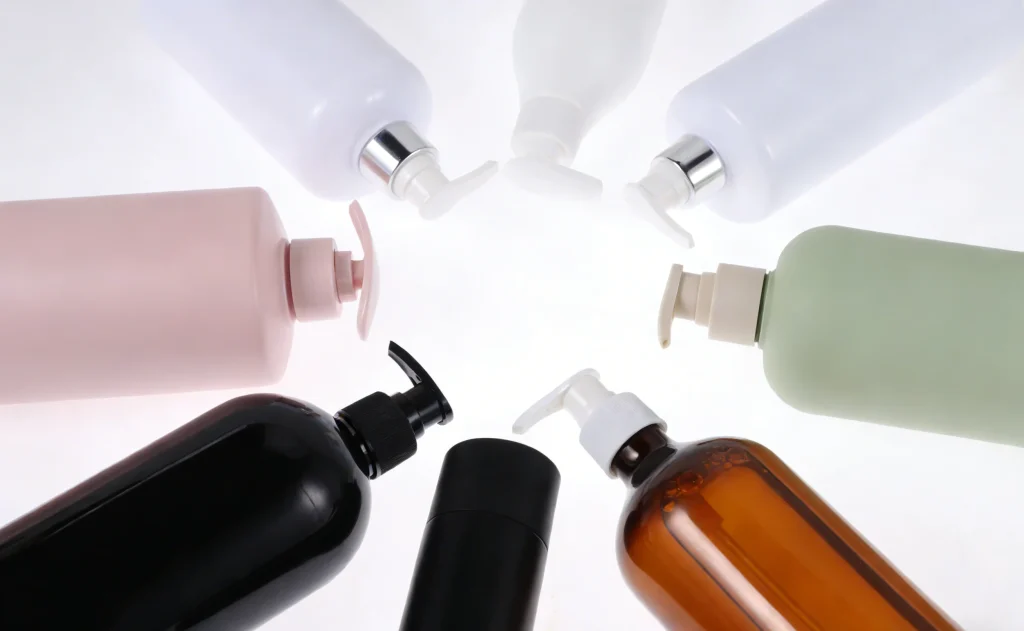
Whether you’re looking for a private label, OEM, or ODM hair care manufacturer, PRO-TECHS should be your top choice. We offer a full range of hair care products, from basic wash-and-care items to professional salon keratin treatments, and you can find the ideal formula for your needs from our extensive library of over 7,000 formulations.