


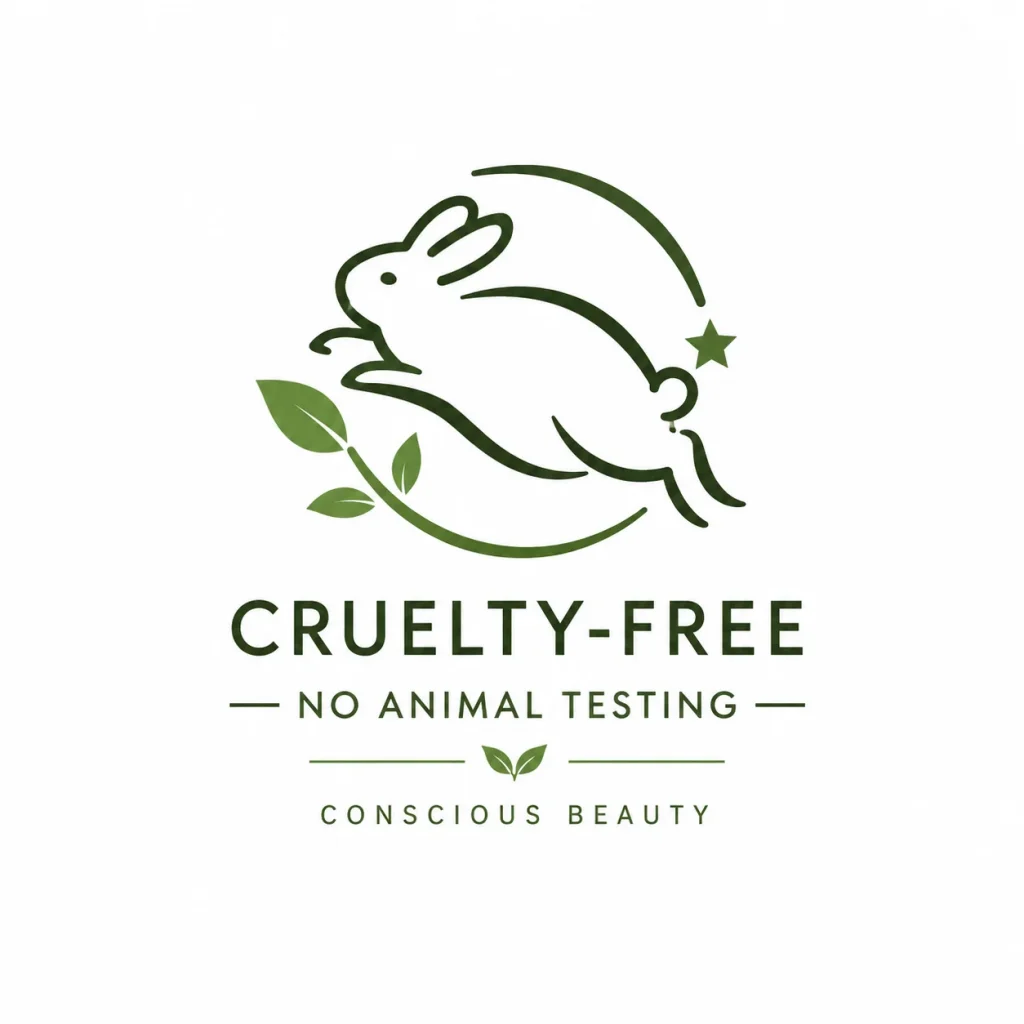
In the modern beauty and consumer goods industry, “cruelty-free” is an ethical commitment. It means that no animal testing has been conducted on the final product or any of its ingredients at any stage of development or manufacturing. It is distinct from but complementary to “vegan” (which excludes animal-derived ingredients). Many brands choose to obtain both certifications.
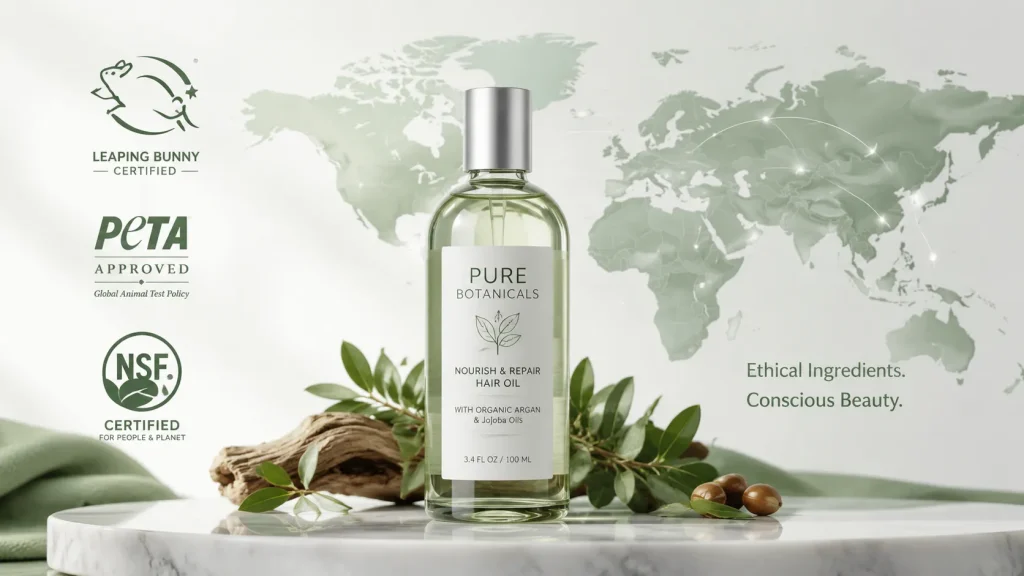
Several global authorities offer cruelty-free certifications with varying levels of stringency. As of 2026, here are the main certification bodies:
| Certification | Initiator | Core Standards | Application, Audit & Fees | Market Position | Notes |
|---|---|---|---|---|---|
| Leaping Bunny | Cruelty Free International (global) & CCIC (US/Canada) | Full supply chain no animal testing; strict Fixed Cut-Off Date (FCOD); requires independent audit | Application free; logo license fee based on annual sales (500–4,500 USD one-time); annual renewal & audit | Global “gold standard”; adopted by thousands of companies; top choice for multinationals | Most rigorous; ideal for large/mid-sized companies with global supply chain management capability |
| PETA | PETA (US) | Brand & suppliers sign a statement committing to no animal testing | Online application with self-declaration; no fixed validity; ongoing monitoring | Highly recognized in mass markets due to PETA’s public influence | Flexible, low barrier; great for startups or small brands as a starting point |
| Choose Cruelty Free (CCF) | CCF Ltd. (Australia) | Requires 100% full-chain no animal testing; bans any product with a history of animal testing; uses historical cut-off instead of fixed date | Strict process requiring detailed evidence | Respected standard in Australia & New Zealand | Key for ANZ markets; known for rigorous historical cut-off |
| NSF International | NSF (global) | P543 Certification Protocol (launched 2025); prohibits animal testing on ingredients, processing aids, and finished products | ~6-week process; comprehensive supply chain review; valid after certification | Strong credibility as public health & safety authority | Ideal for large or multinational enterprises seeking scientific rigor |
Beyond these, some brands create their own seals, but these lack third-party credibility.
Obtaining cruelty-free certification goes far beyond a simple “animal-friendly” label.
View PRO-TECHS’ cruelty-free statement.
While benefits are substantial, the road is not without obstacles:
| Challenge Category | Specific Challenge | Solution |
|---|---|---|
| 💼 Supply Chain Management | Global, multi-tiered supply chains make ingredient traceability difficult. Small upstream suppliers may secretly conduct animal testing to cut costs. | Establish supplier monitoring systems with full-chain transparency. Use contractual clauses, regular declarations, and independent audits to ensure full compliance. |
| 💰 Cost Barriers | Certification implementation (audits, management) and sourcing compliant raw materials can be expensive, pressuring startups and SMEs. | Start with lower-cost, flexible certifications like PETA. Treat certification as a long-term strategic investment. |
| ⚖️ Regulatory Conflicts | Some markets still require animal testing for certain products (e.g., special-use cosmetics), conflicting with certification principles. Sticking to certification may mean forgoing those markets. | Uphold ethical commitment and sacrifice certain markets if needed. Advocate for alternative methods and global policy harmonization. |
| 🌏 Geopolitical Complexity | The evolving policy landscape in China creates both opportunities and gray areas (see revised section below). | Stay patient and monitor policy updates. Consult regulatory experts. Use compliant channels like cross-border e-commerce to enter. |
A Landscape of Gradual Reform and Strategic Entry
The Chinese market remains one of the most important and dynamic for global beauty brands. For cruelty-free certified brands, the situation has been evolving positively.
In summary: China is no longer an outright barrier for cruelty-free brands. While challenges remain for certain product categories, the regulatory trajectory is clearly toward alignment with global cruelty-free standards. Brands that stay informed and work with local compliance experts can now access this vast market without compromising their values.
Several trends will shape the future:
In conclusion, cruelty-free certification is far more than a label. It is a cornerstone for embedding ethics and long-term vision into a business model, requiring full-supply-chain transparency and strategic global navigation. For brands, choosing certification means embracing a growing market and earning consumer trust. While challenges exist, they are increasingly surmountable through innovation in technology, policy, and business models – making the path both viable and bright.