


Behind every professional hair care product is a complete manufacturing process involving formulation expertise, ingredient selection, product testing, quality control, packaging development, and supply chain management.
For many beauty entrepreneurs, salon groups, distributors, and emerging brands, building their own factory is unrealistic due to the high investment and technical requirements. This is why private label hair care manufacturing has become one of the most effective ways to enter the professional beauty market.
But how exactly does private label hair care manufacturing work?
From selecting formulas to receiving finished products, this article explains the complete process and the key factors brands should understand before choosing a manufacturing partner.
Every successful private label hair care project starts with a clear product strategy.
Before selecting formulas, brands need to define:
For example:
A professional salon brand may focus on:
A retail-focused brand may prioritize:
A clear market direction helps the manufacturer recommend suitable formulas, ingredients, and packaging options.
Many unsuccessful product launches fail not because of poor manufacturing, but because the product concept does not match customer expectations.
One of the biggest advantages of private label hair care manufacturing is flexibility.
Brands usually have two main options:
Many manufacturers have existing professional formulas that have already been developed and tested.
Brands can select products such as:
Then they customize:
This approach provides:
It is especially suitable for new brands entering the hair care market.
Brands looking for stronger differentiation can request customized products.
Customization may include:
For example:
Different markets may prefer different product experiences:
Scent plays an important role in consumer perception and brand identity.
A premium hair care brand may require a signature fragrance that matches its positioning.
A professional manufacturer helps balance customer preferences with formula stability and performance.
Professional hair care manufacturing is not simply mixing ingredients together.
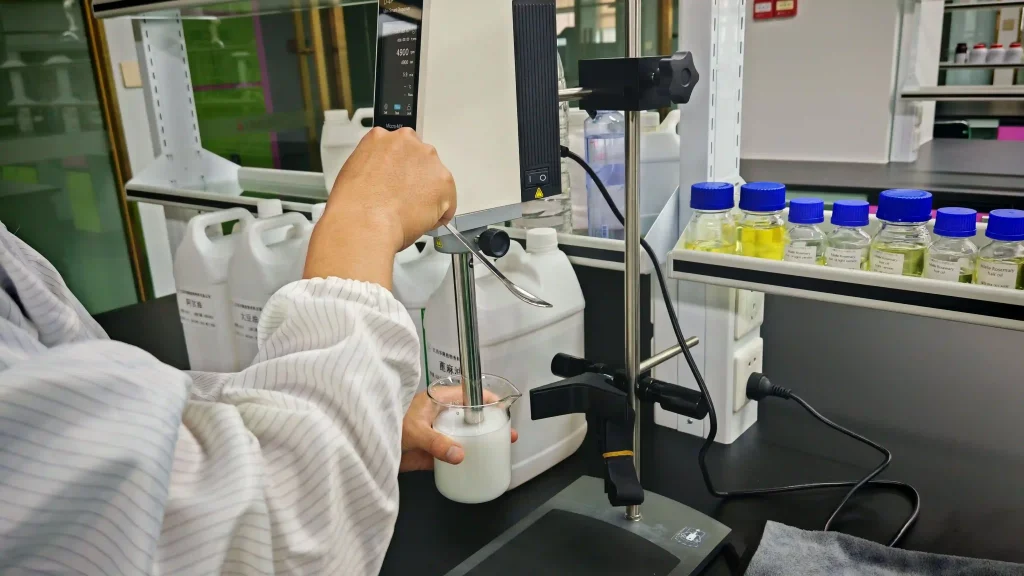
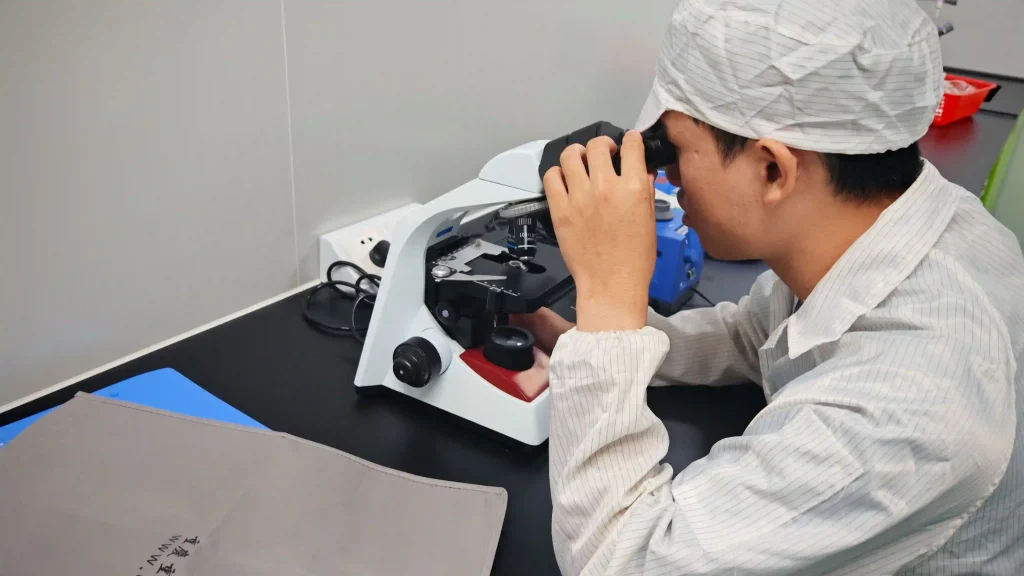
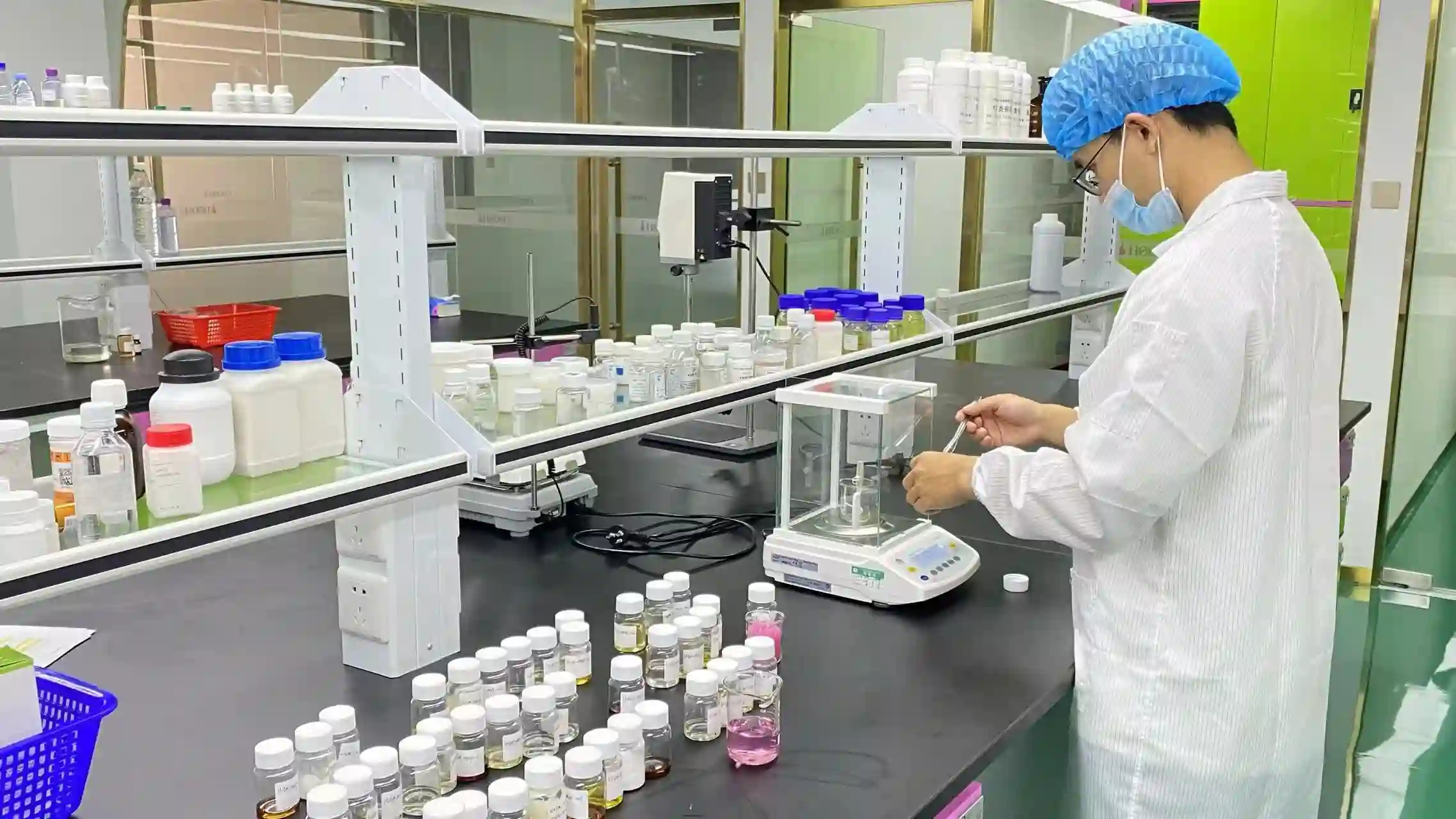
Every formula must go through technical evaluation before mass production.
Important testing includes:
Stability testing evaluates whether the product maintains:
under different storage conditions.
This helps ensure the product remains consistent throughout its shelf life.
Hair care products must meet safety requirements before reaching customers.
Testing may include:
These processes protect both consumers and brand reputation.
Professional hair care products must deliver the expected user experience.
Manufacturers evaluate:
A formula that looks good on paper must also perform effectively in real-world use.
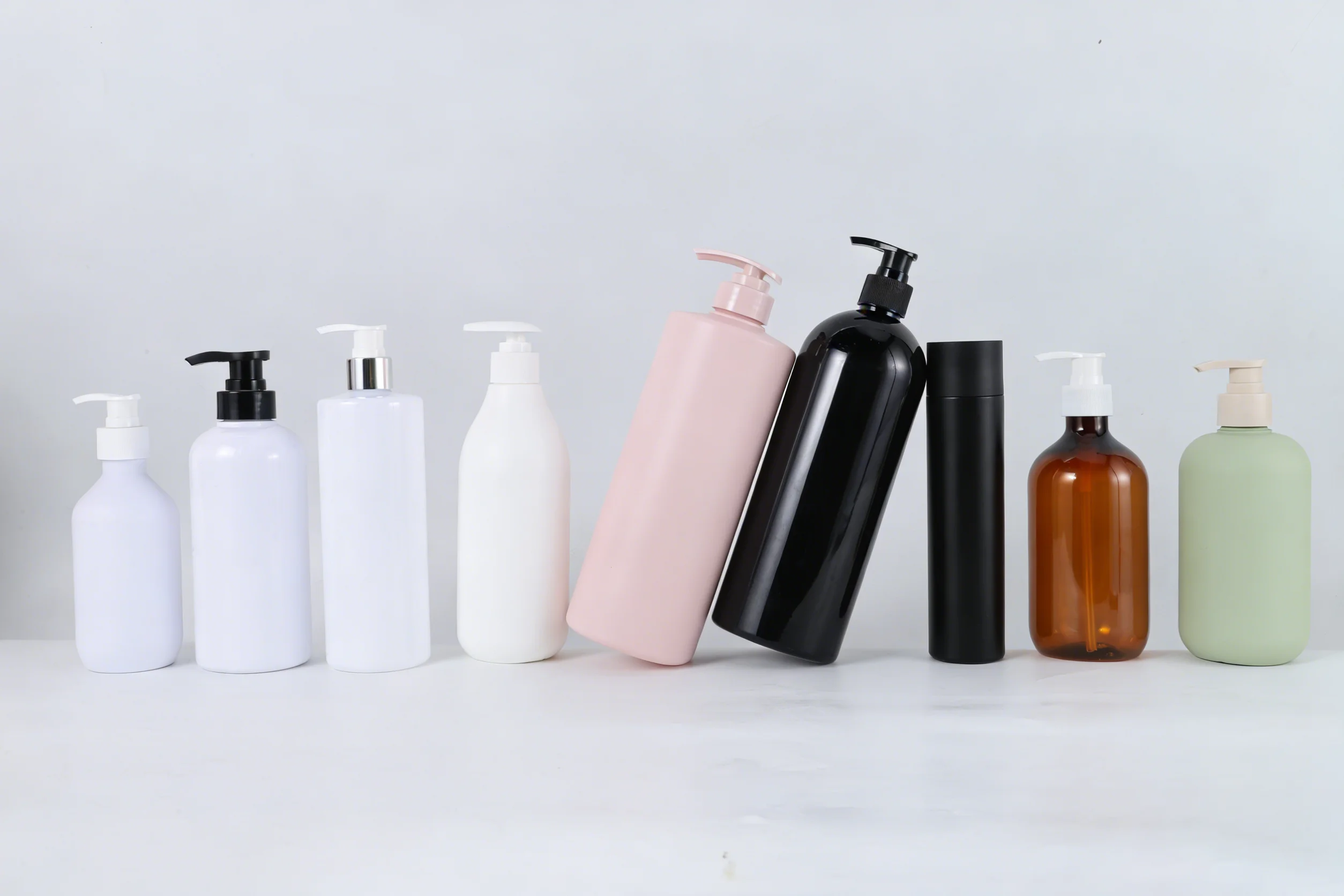
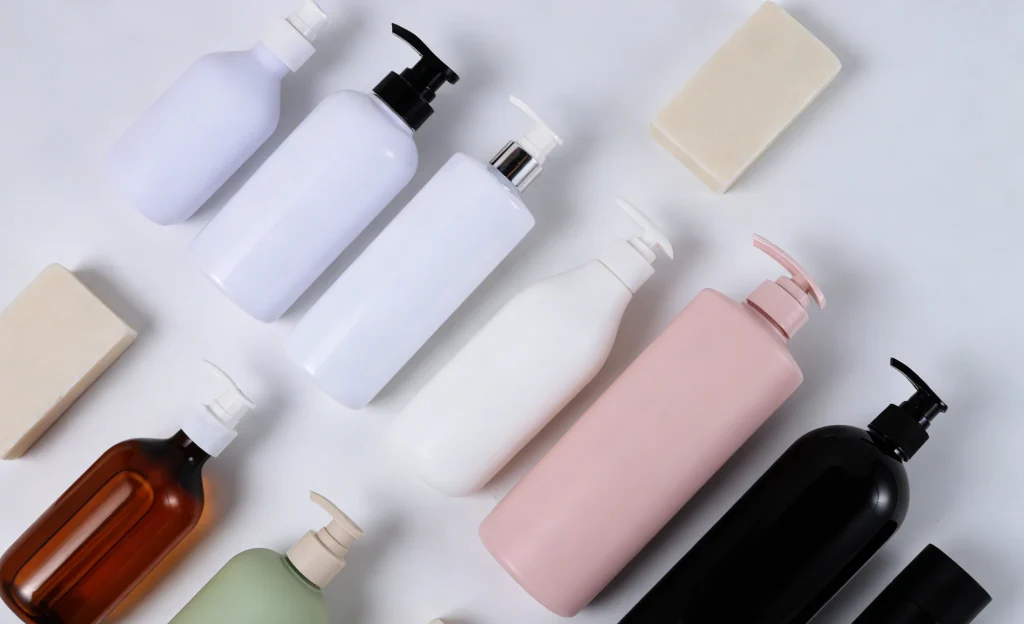
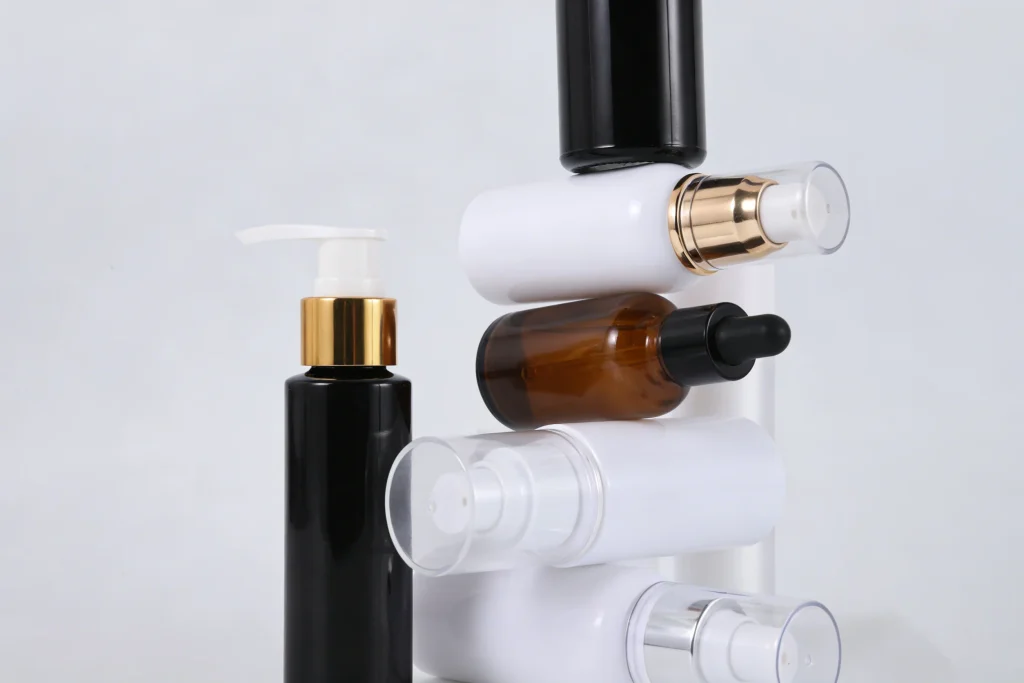
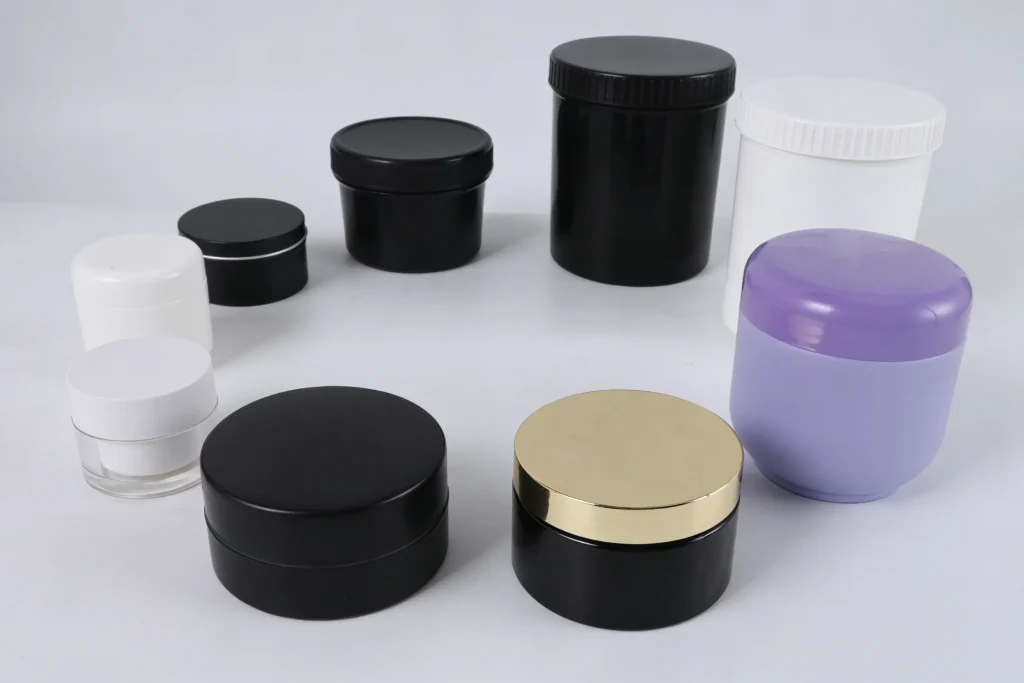
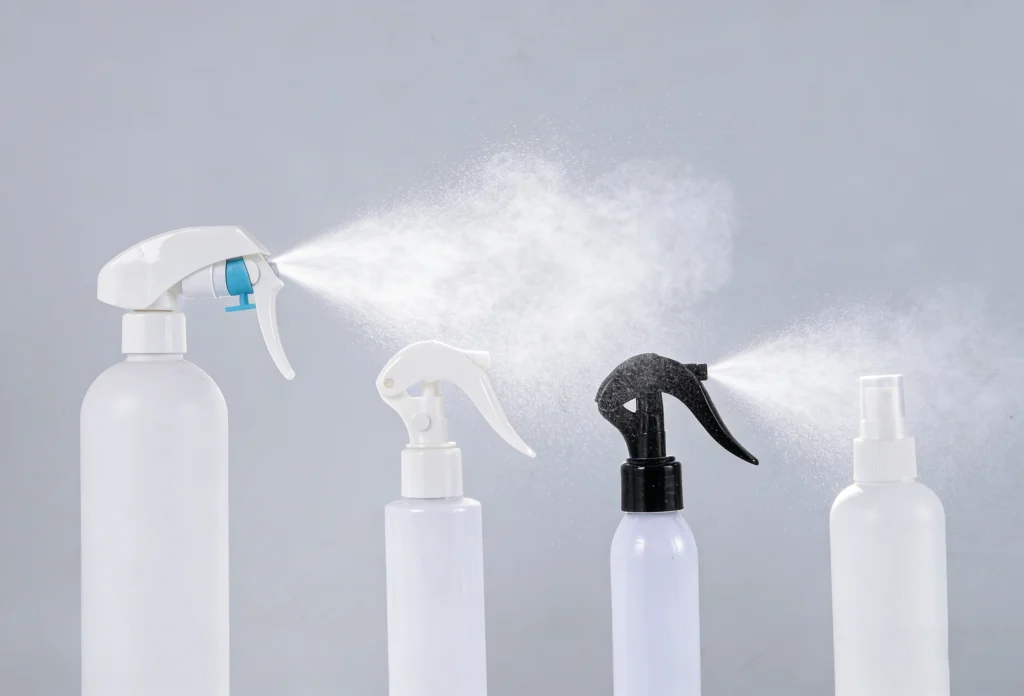
Packaging is an important part of private label hair products because it communicates brand value before customers experience the product.
During this stage, brands select:
Packaging decisions should consider:
A luxury hair care brand may require:
A salon-focused brand may prioritize:
Different markets may have different packaging expectations.
Factors include:
An experienced private label hair care supplier can provide guidance based on target markets.
Once the formula and packaging are approved, production begins.
A professional hair care manufacturing process typically includes:
Ingredients are checked before entering production.
This ensures:
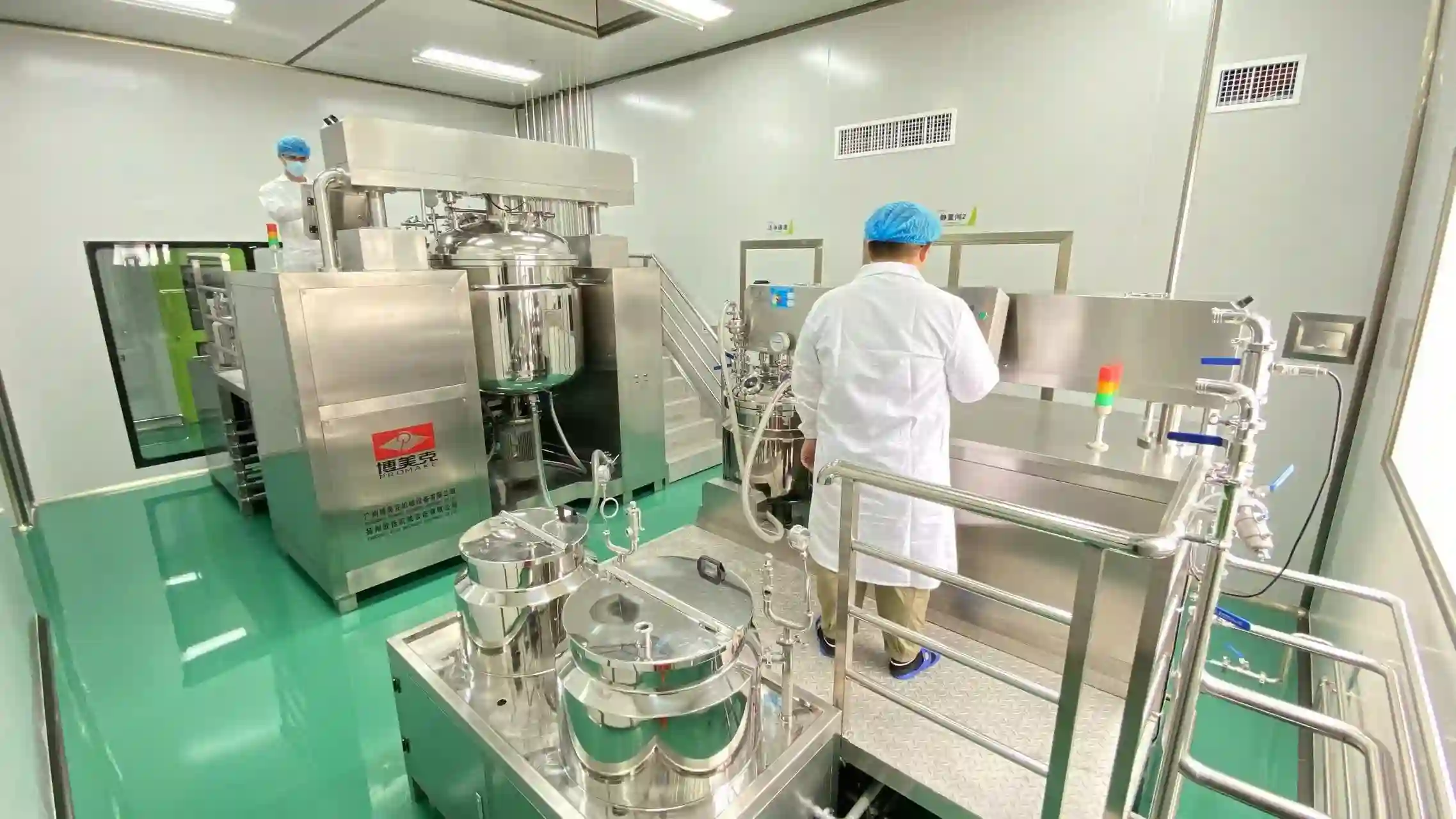
Production involves:
Modern manufacturing facilities use controlled processes to maintain product consistency between batches.
Before shipment, finished products are inspected for:
Quality control is essential because customers expect the same product experience every time they purchase.
After production is completed, the products are ready for market launch.
However, manufacturing is only one part of building a successful hair care business.
Brands still need to develop:
A strong manufacturing partner can support long-term growth by providing consistent production capacity and new product development opportunities.
The timeline depends on the level of customization.
Typical timelines:
Approximately several weeks to a few months depending on packaging and production requirements.
Usually requires additional time for formula adjustments, testing, and approval.
May take several months because development requires formulation, testing, and optimization.
Brands should balance speed with product quality. A faster launch is valuable, but skipping proper testing can create long-term problems.
Choosing the right manufacturing partner directly affects your brand success.
Important factors include:
Look for a manufacturer with experience in your product category.
For example, brands developing professional keratin treatments should choose a manufacturer with technical knowledge in smoothing and repair technologies.
A strong manufacturer should provide:
Manufacturing should be a partnership, not just production outsourcing.
Reliable manufacturers should have:
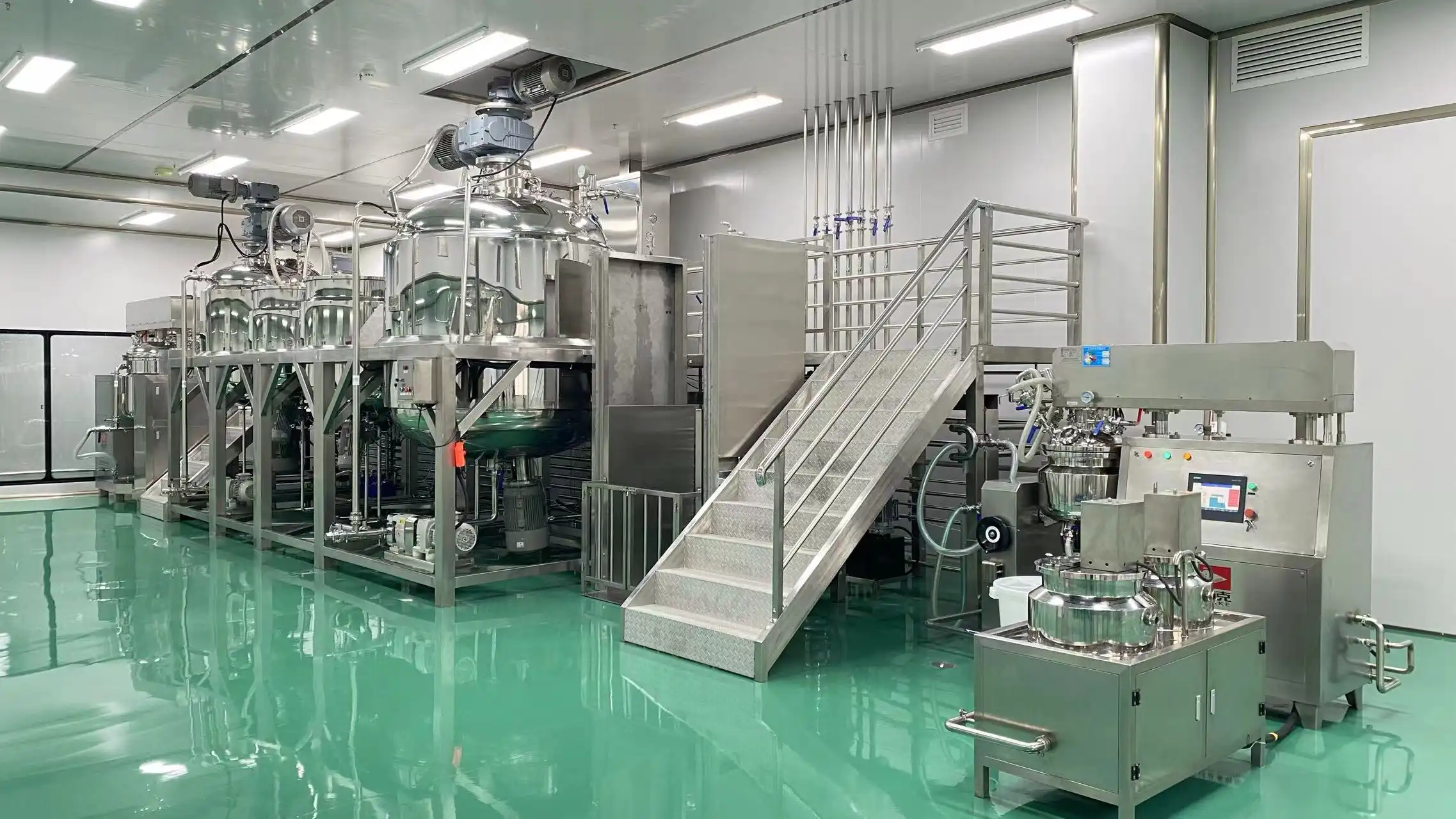
Private label hair care manufacturing provides businesses with a practical path to create professional hair products without investing in their own factory or laboratory.
The process involves much more than placing a logo on a bottle. Successful private label products require careful planning, formula selection, testing, packaging development, quality control, and collaboration with an experienced manufacturing partner.
For brands looking to enter the professional hair care market, the right private label hair care manufacturer can provide the technical expertise and production support needed to transform an idea into a competitive product line.
Whether you are launching your first hair care collection or expanding an existing brand, understanding the manufacturing process helps you make better decisions and build products that meet real market demands.

Click to learn about our production and R&D capabilities.”