A technical guide for private label hair care manufacturers explaining how sulfate-free shampoo formulations are developed, from surfactant system design to foam control, pH balance, and mass production stability.
In This Article:
From a private label hair care manufacturing perspective, a sulfate-free shampoo formulation is no longer a trend-based request—it is a baseline product requirement for modern hair care brands.
Brand owners sourcing OEM/ODM shampoo products typically expect:
Gentle cleansing without irritation
Stable foam performance comparable to sulfate systems
Consistent batch-to-batch quality in mass production
Compatibility with sensitive, bleached, or color-treated hair
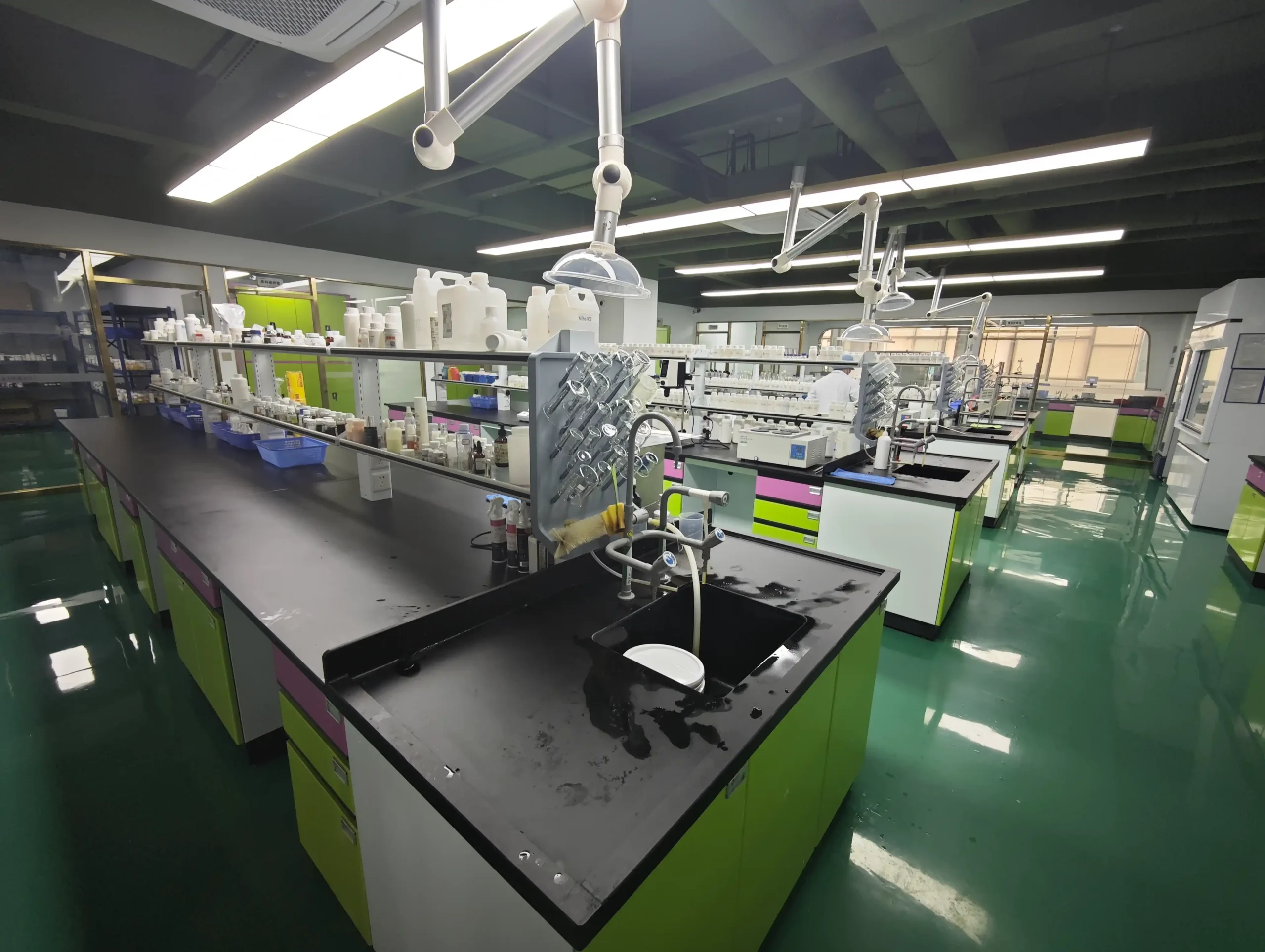
This article explains how a sulfate-free shampoo private label formula is actually built at manufacturing level, from surfactant design to production stability control.
Why Sulfate-Free Shampoo Is an Important Hair Care Category
The shift toward private label sulfate-free shampoos is driven by three industrial forces:
Consumer scalp sensitivity demand
More users report:
Dry scalp after sulfate shampoos
Irritation or tightness after washing
Need for gentler daily cleansing systems
Clean beauty and ingredient transparency trends
Brands are increasingly positioned as:
“sulfate-free hair care”
“gentle cleansing systems”
“scalp-friendly formulations”
Product differentiation in saturated markets
Traditional shampoo bases are highly commoditized. Differentiation now depends on:
surfactant engineering
sensory performance
formulation architecture
Core Structure of a Sulfate-Free Shampoo Formulation
A professional sulfate-free shampoo private label formulation is built on a multi-layer system rather than a single cleansing agent.
Surfactant System (Core Cleansing Engine)
The most critical component is the surfactant blend design, replacing SLS/SLES with mild alternatives.
Primary mild surfactants:
Sodium Cocoyl Isethionate (SCI)
Sodium Lauroyl Sarcosinate
Amphoteric surfactants (foam + mildness balance):
Cocamidopropyl Betaine (CAPB)
Non-ionic surfactants (support system):
Decyl Glucoside
Coco Glucoside
Manufacturing goal: Build a synergistic system that compensates for the absence of sulfates while maintaining cleansing efficiency.
Foam Performance Engineering in Sulfate-Free Shampoo
Foam is a key consumer perception indicator in shampoo performance.
Why foam is weaker without sulfates
Sulfates naturally generate:
high foam volume
fast bubble formation
Sulfate-free systems rely on:
surfactant synergy instead of single-agent strength
How manufacturers optimize foam stability
Key control methods include:
adjusting CAPB ratio for foam boosting
balancing anionic and non-ionic surfactants
viscosity tuning to stabilize foam structure
Important: Foam performance is engineered, not naturally generated in sulfate-free systems.
Cleansing Performance Balance Without Sulfates
The biggest technical challenge in sulfate-free shampoo formulation is maintaining effective cleansing without over-drying.
Risks of under-performance
greasy scalp perception
buildup complaints
“doesn’t clean well” feedback
Risks of over-strength formulation
dryness after wash
loss of “gentle shampoo” positioning
Manufacturing optimization approach
Formulators adjust:
total active surfactant matter (AM%)
oil solubilization capacity
rinse-off efficiency
The objective is a controlled cleansing curve, not maximum detergency.
Viscosity and Texture Control in Private Label Production
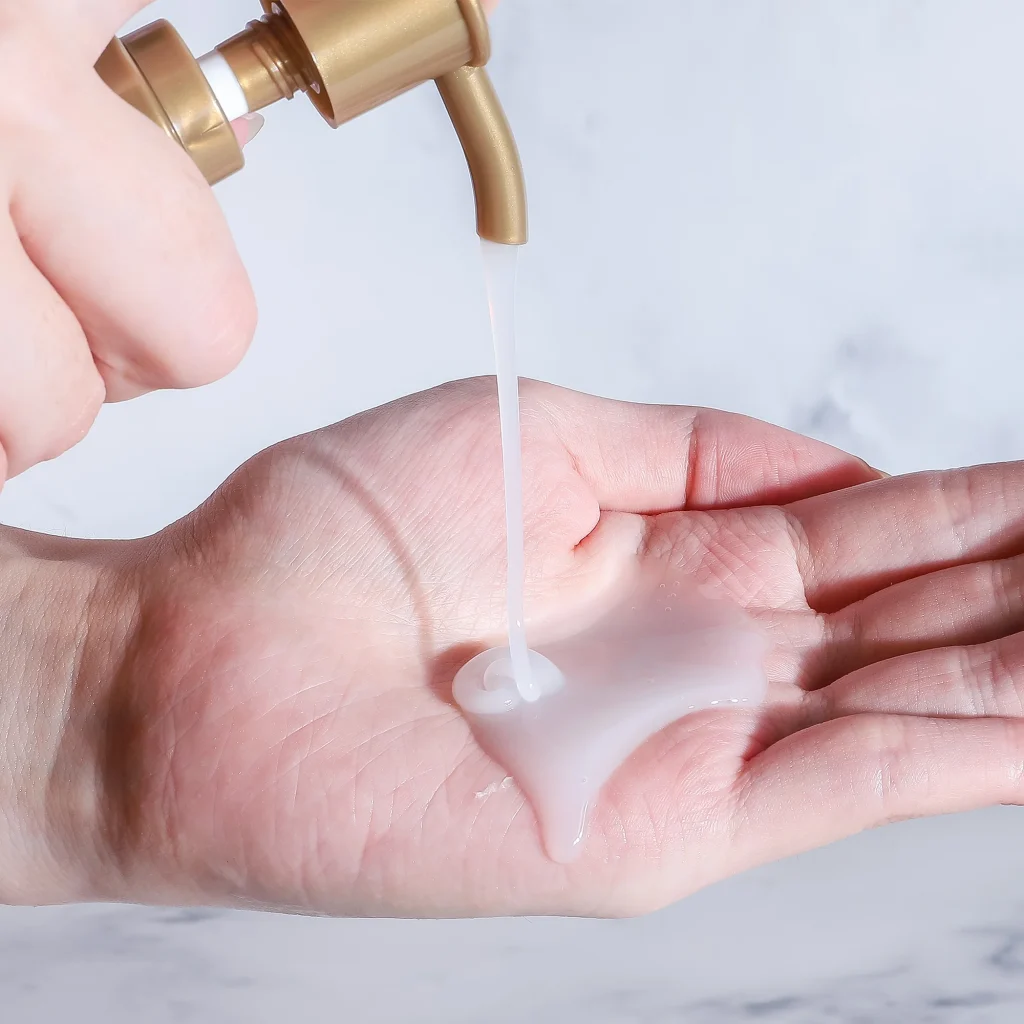
Unlike sulfate-based shampoos, sulfate-free systems are structurally unstable without proper thickening design.
Salt curve thickening systems
Sodium chloride controlled viscosity response
Cost-efficient and widely used in mass production
Polymer-based thickening systems
Xanthan gum
Carbomer
Cellulose derivatives
Surfactant structuring systems (premium approach)
improved stability
better sensory consistency
higher formulation cost
Manufacturing goal: stable viscosity across temperature, storage, and batch scaling.
pH Control in Sulfate-Free Shampoo Formulation
Most sulfate-free shampoos are formulated within:
pH 4.5 – 5.5
Functional benefits:
scalp barrier compatibility
reduced post-wash frizz
improved hair cuticle alignment
better performance on chemically treated hair
pH drift is a critical quality control risk in production-scale manufacturing.
Stability Testing Requirements for Private Label Shampoo
Before commercialization, every sulfate-free shampoo formulation must pass standard industrial tests:
Thermal stability testing
Evaluates performance under heat and cold storage conditions.
Freeze–thaw cycling
Simulates transportation and climate variation stress.
Centrifuge testing
Detects phase separation or instability risks.
Microbial challenge testing
Validates preservative system effectiveness.
These tests ensure the formula is suitable for large-scale private label production.
Common Manufacturing Issues and Solutions
Weak foam performance
Cause:
insufficient surfactant synergy Solution:
adjust amphoteric surfactant ratio (CAPB optimization)
Hair feels dry or rough
Cause:
lack of conditioning balance Solution:
introduce lightweight conditioning polymers or protein systems
Batch-to-batch viscosity inconsistency
Cause:
unstable salt curve system Solution:
controlled production parameters and standardized process protocols
Scalp buildup complaints
Cause:
insufficient cleansing system strength Solution:
optimize surfactant active matter and rinse-off profile
Ideal Brand Positioning for Sulfate-Free Shampoo Private Label Products
From a manufacturing commercialization perspective, this category performs best for:
clean beauty hair care brands
sensitive scalp care lines
salon aftercare shampoo systems
color-treated and keratin-treated hair products
daily gentle cleansing shampoos
Success depends on aligning formulation performance with brand positioning, not just ingredient claims.
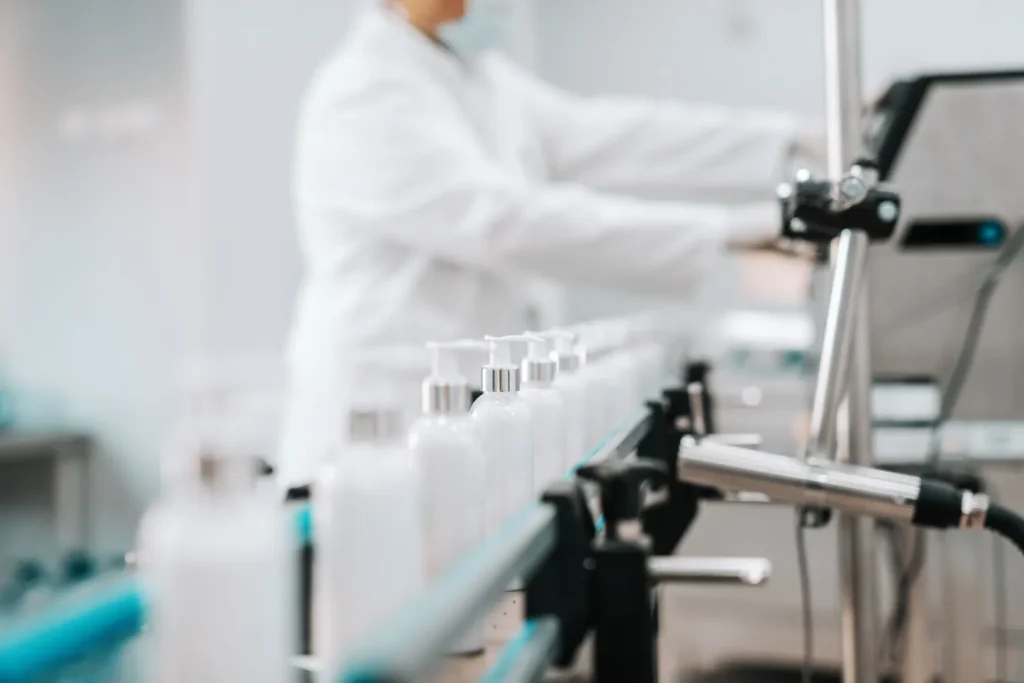
Manufacturer Capability: From Formula Development to Mass Production
A professional private label hair care manufacturer typically provides:
Custom formulation development
tailored surfactant systems
performance-based design adjustments
Scalable production systems
batch consistency control
industrial mixing optimization
Quality assurance workflow
stability testing
raw material validation
production monitoring
Process flow: Concept → Formulation → Sampling → Stability Testing → Mass Production
Sulfate-Free Shampoo Is a Surfactant Engineering System
A successful sulfate-free shampoo private label formulation is not defined by the absence of sulfates, but by the engineering quality of the surfactant system.
Manufacturing success depends on:
balanced surfactant architecture
controlled foam and cleansing performance
stable industrial-scale production
consistent sensory experience
In modern hair care manufacturing, sulfate-free shampoo is no longer an optional upgrade—it is a core formulation standard for competitive hair care brands.
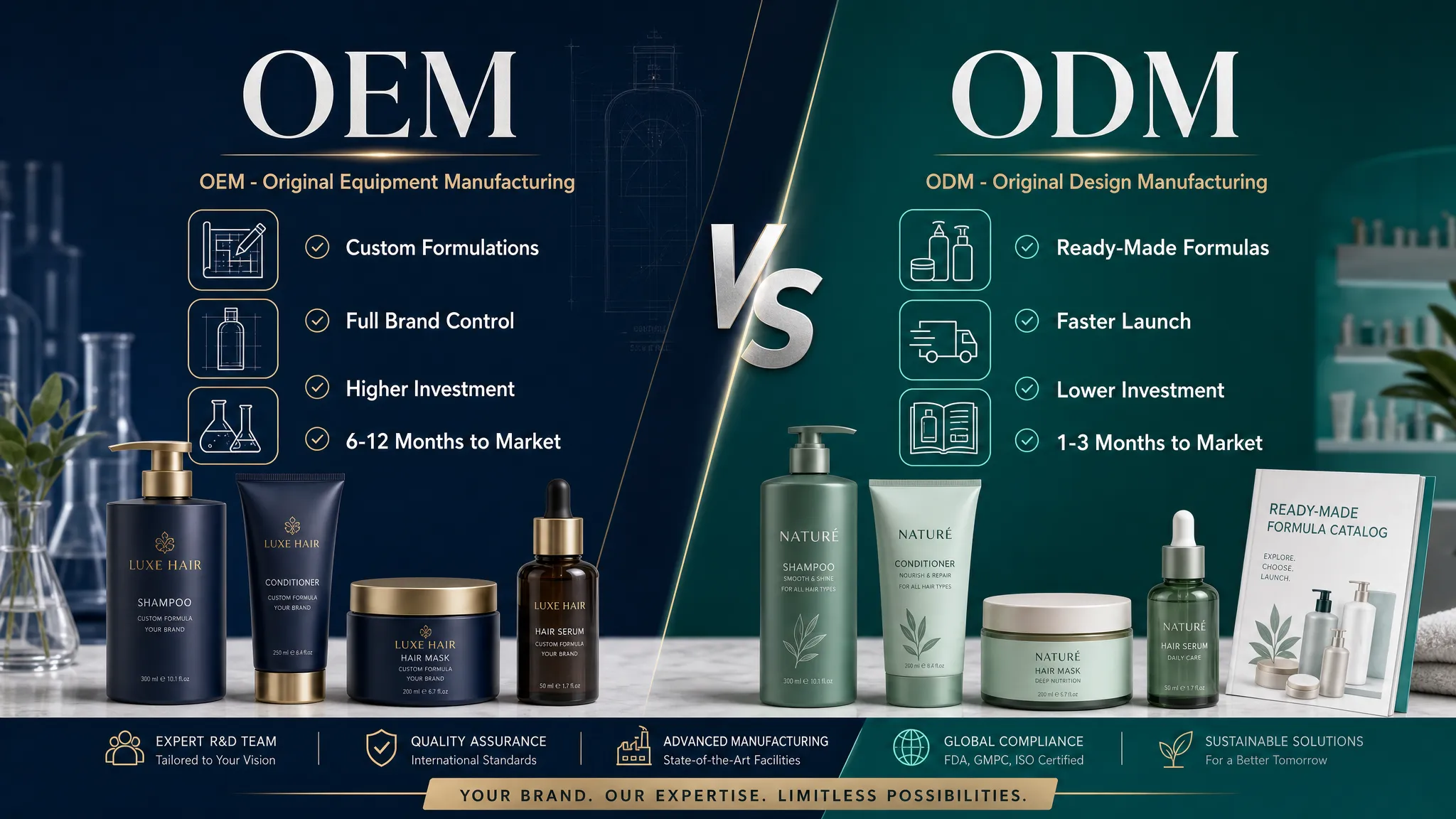
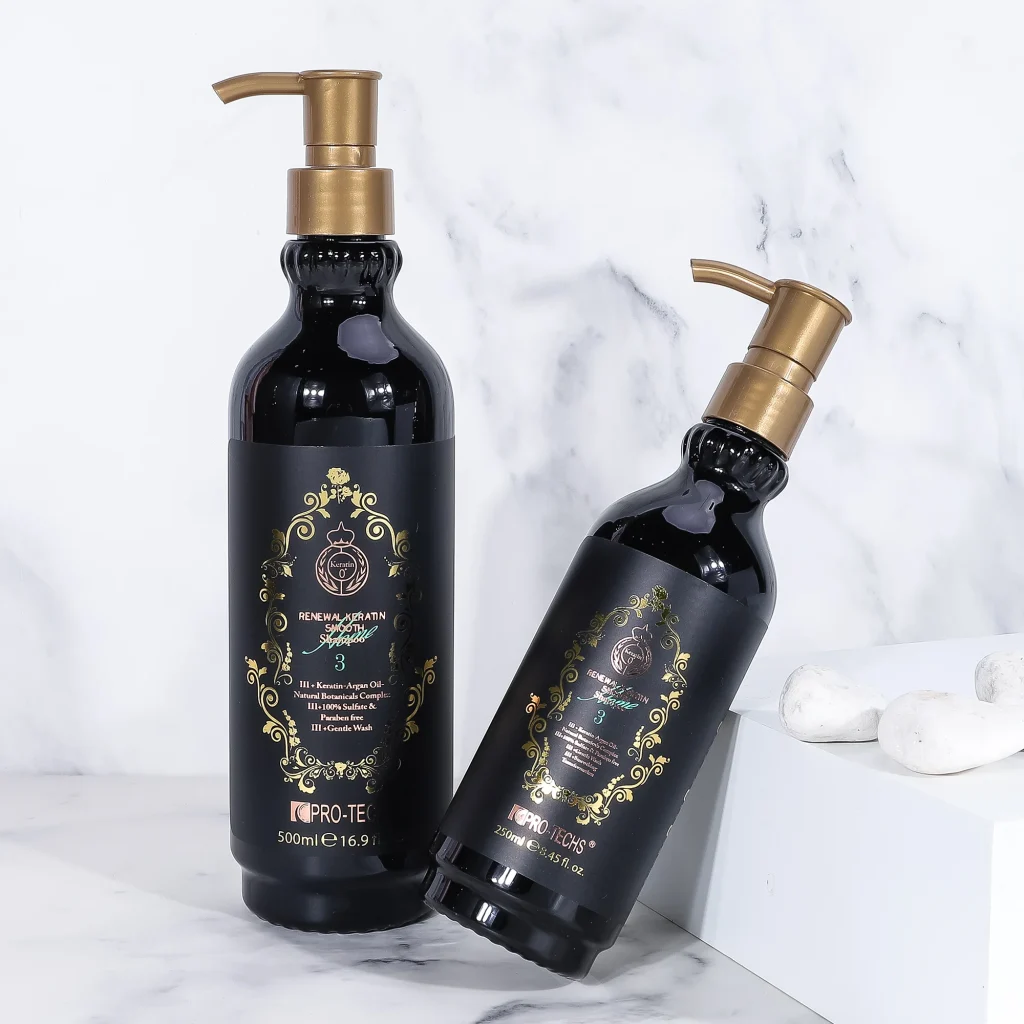
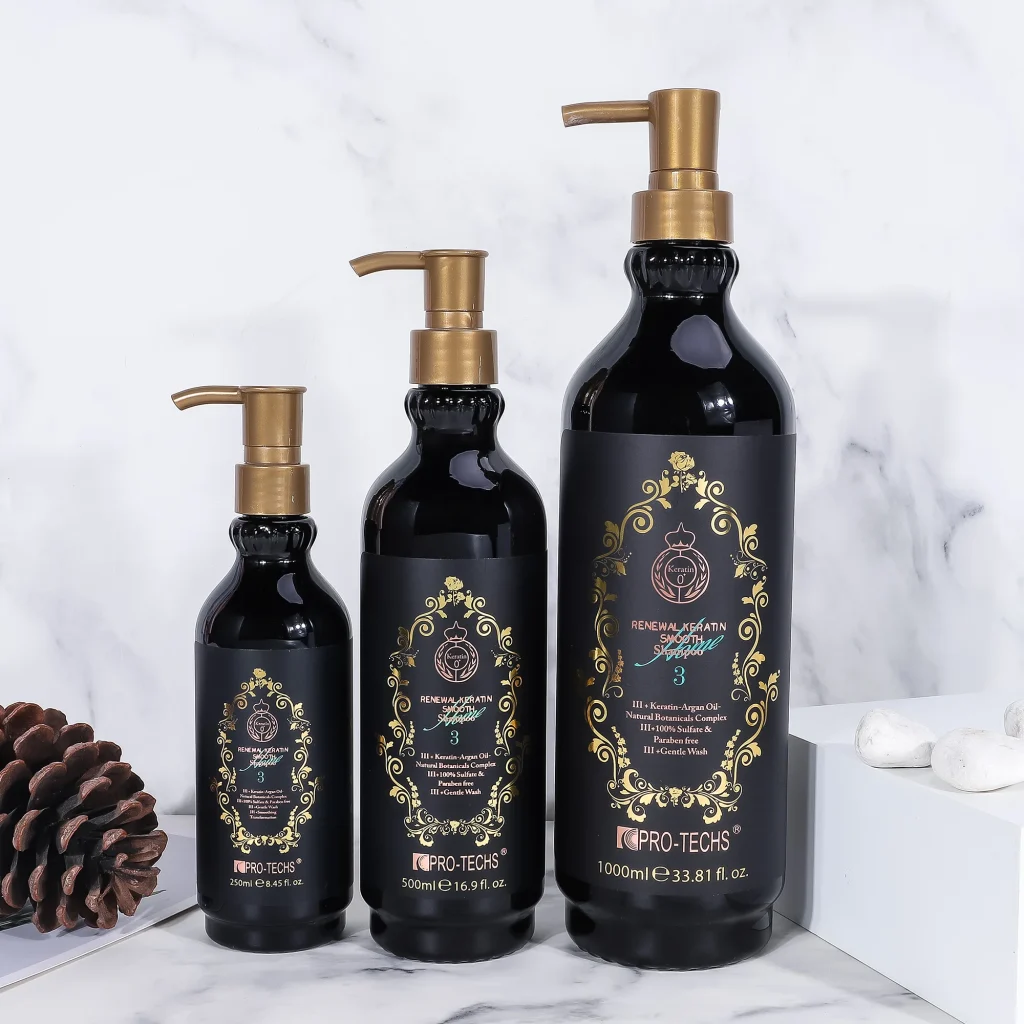
If you are developing a sulfate-free shampoo, PRO-TECHS can support:
custom formulation development
private label shampoo manufacturing
stability-tested production systems
scalable OEM/ODM solutions
Contact us to develop your next professional sulfate-free shampoo.