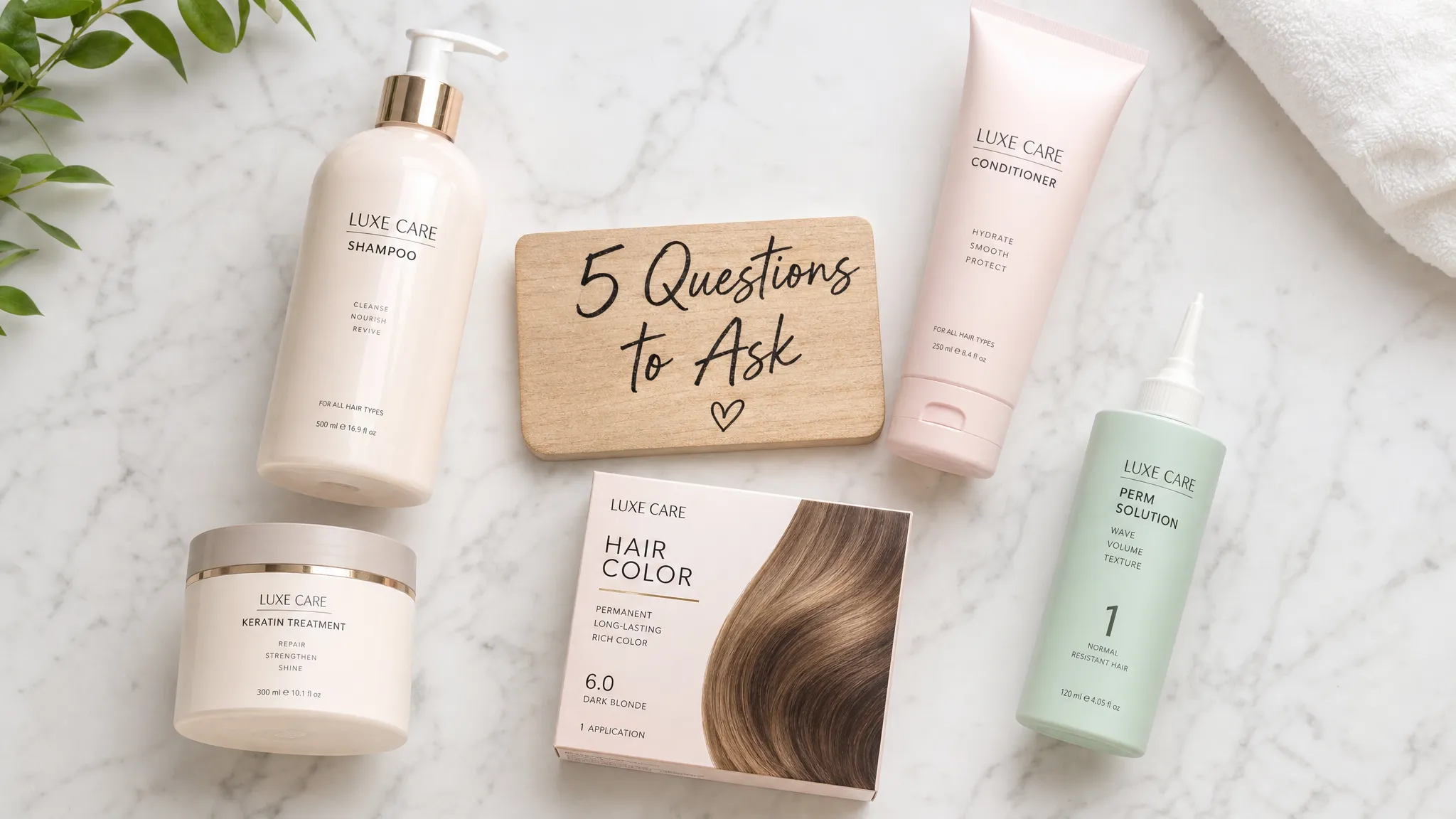
Discover whether stock or custom packaging fits your hair care brand’s budget and timeline, and explore hybrid strategies to maximize shelf presence and manufacturing efficiency.
In This Article:
In the highly competitive hair care market, packaging is much more than a container—it is the first physical touchpoint a consumer has with your brand. Whether a product is sitting on a crowded salon shelf or popping up on an e-commerce feed, its bottle communicates its value, function, and identity in milliseconds.
For brand managers and independent operators launching or expanding a hair care line, one of the most critical structural decisions is choosing between stock packaging and custom molds.
Both paths offer distinct strategic advantages depending on your brand’s growth stage, financial capital, and speed-to-market goals. Let’s break down the realities of both options to help you determine the right fit for your product matrix.
Stock Packaging: Efficiency and Flexibility
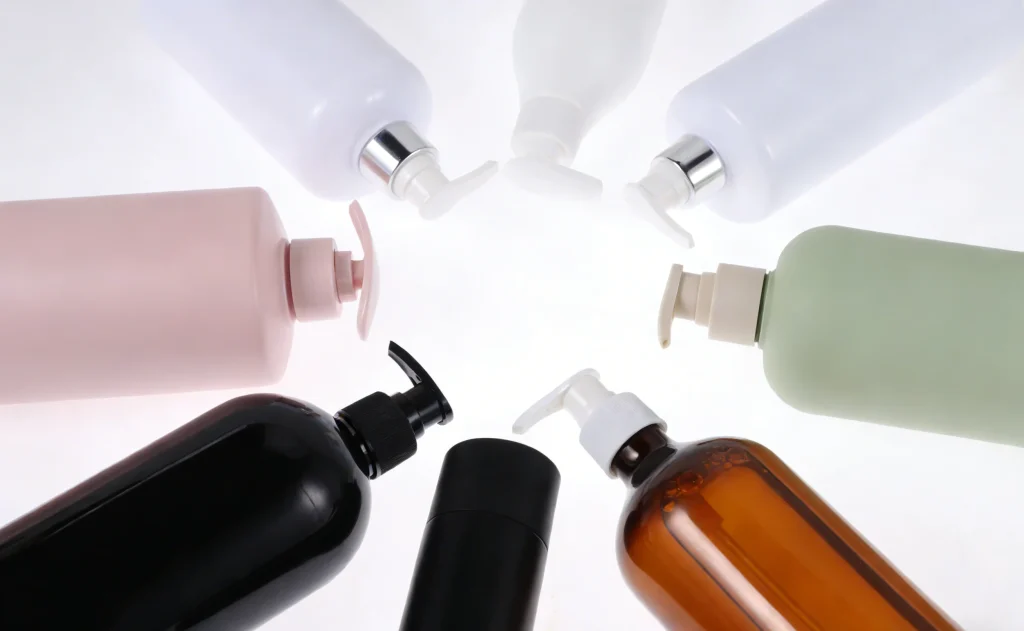
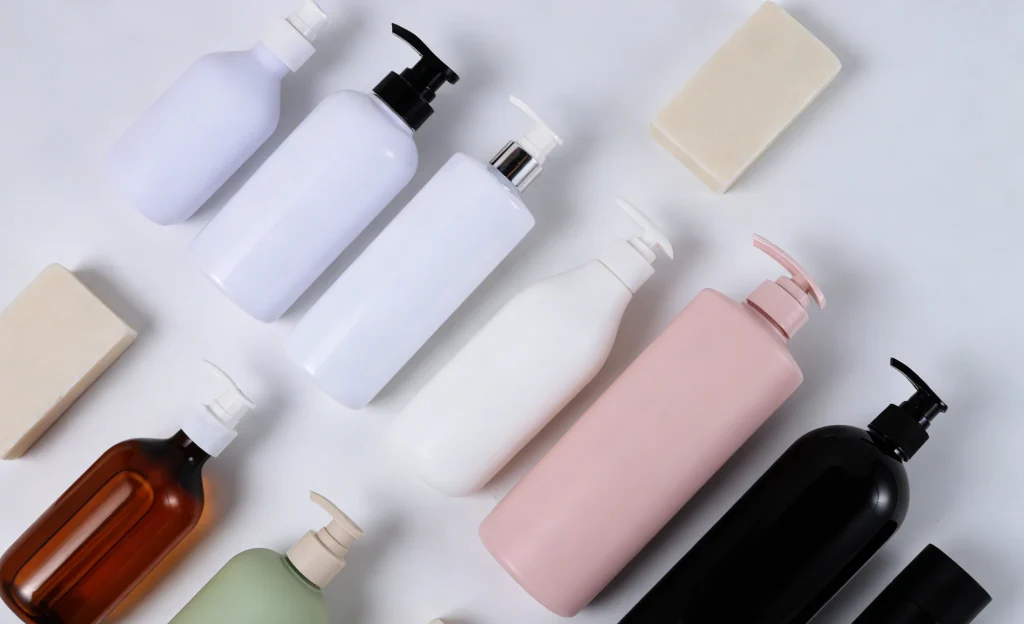
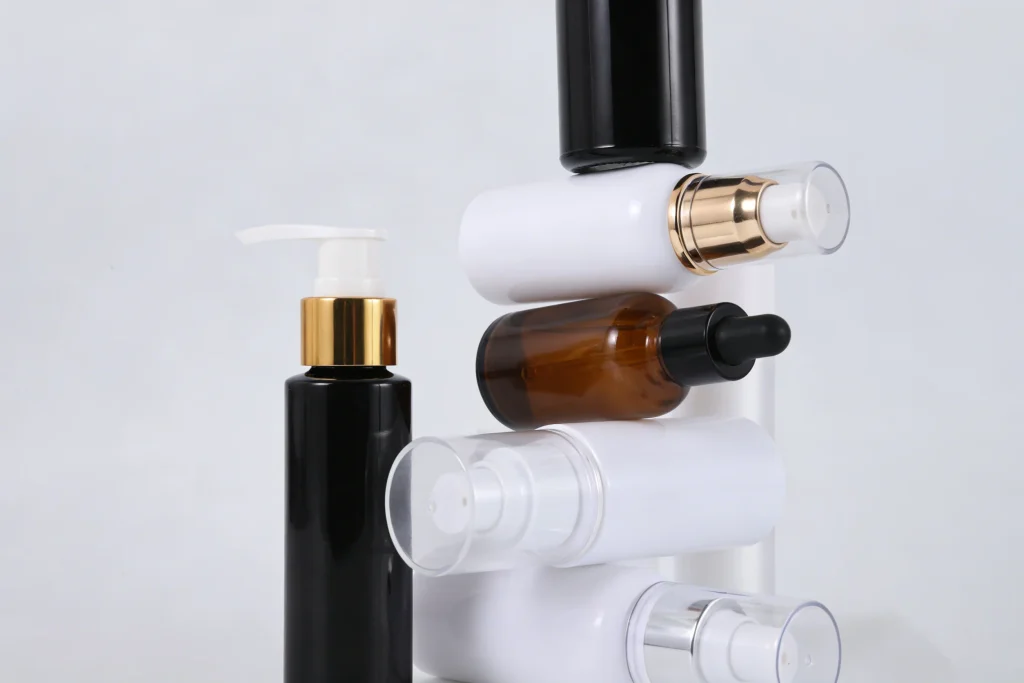
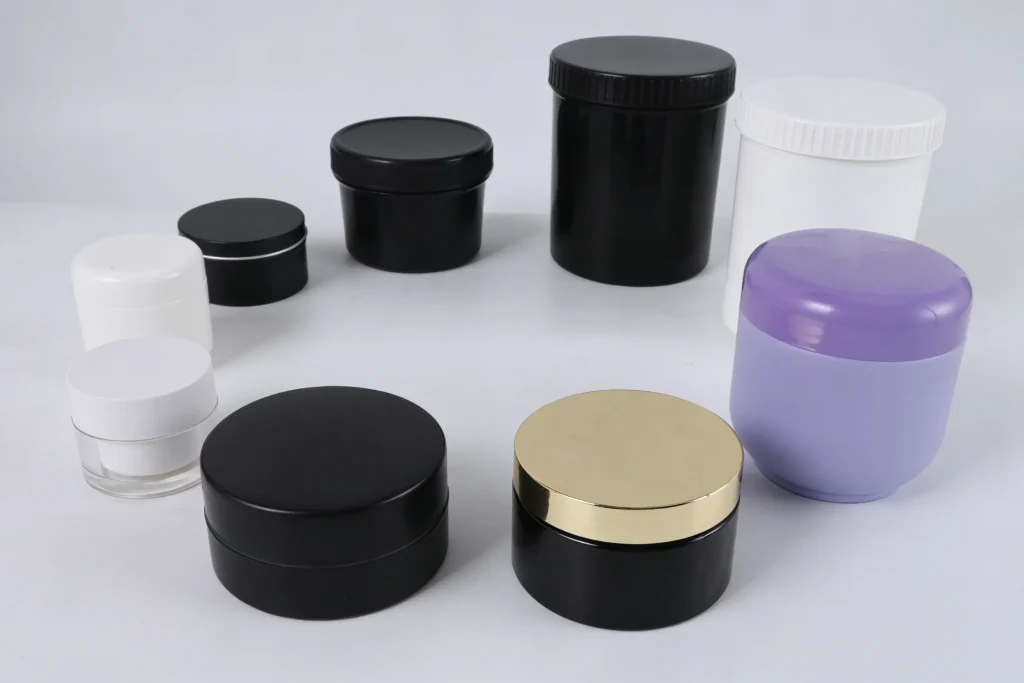
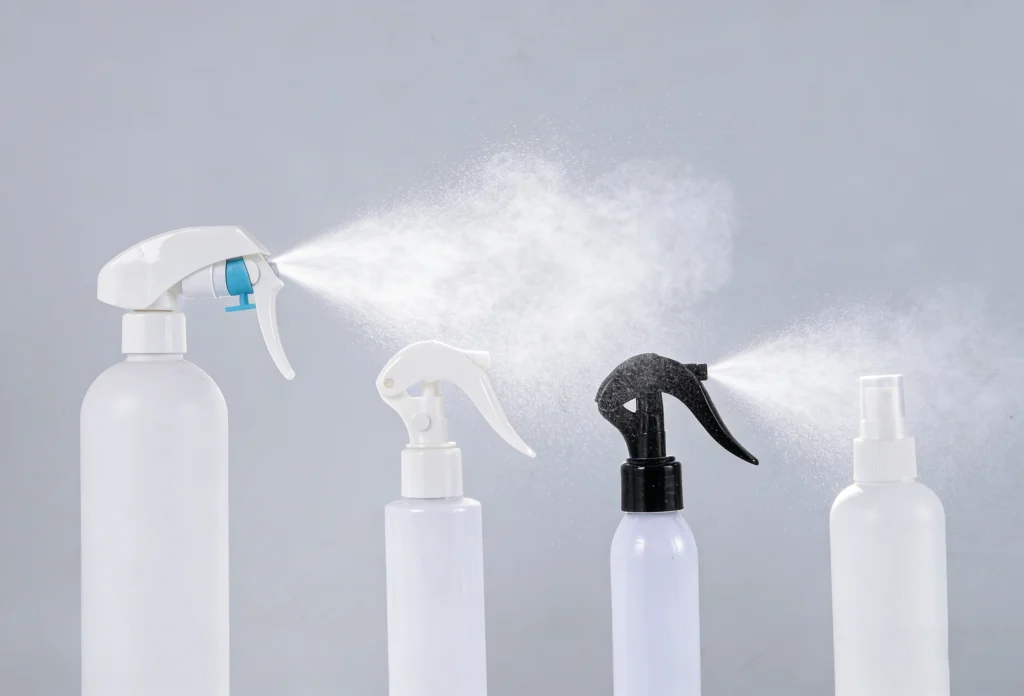
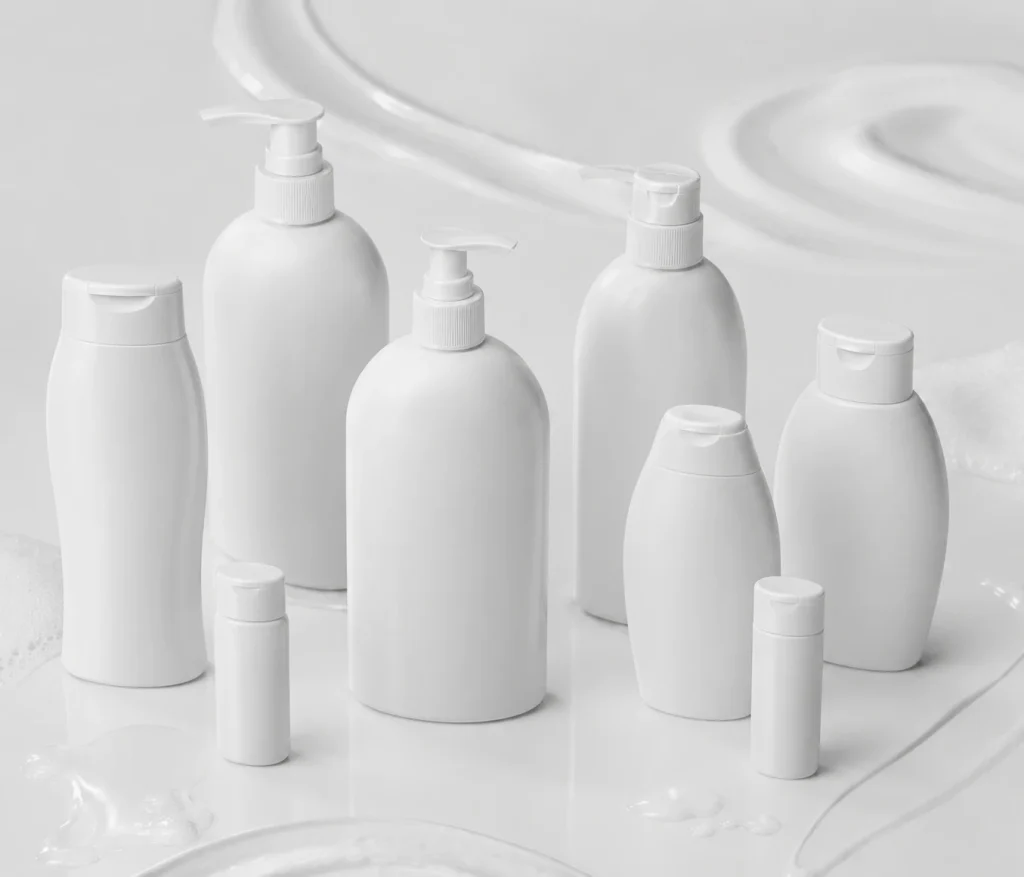
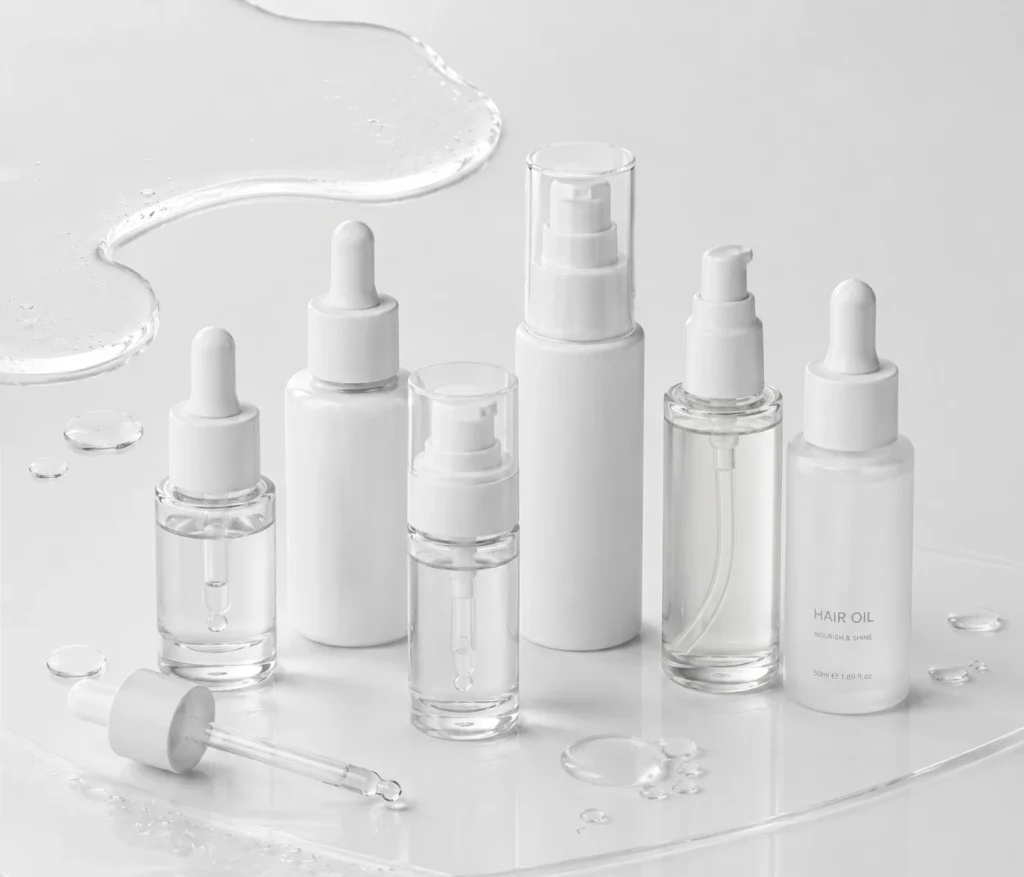
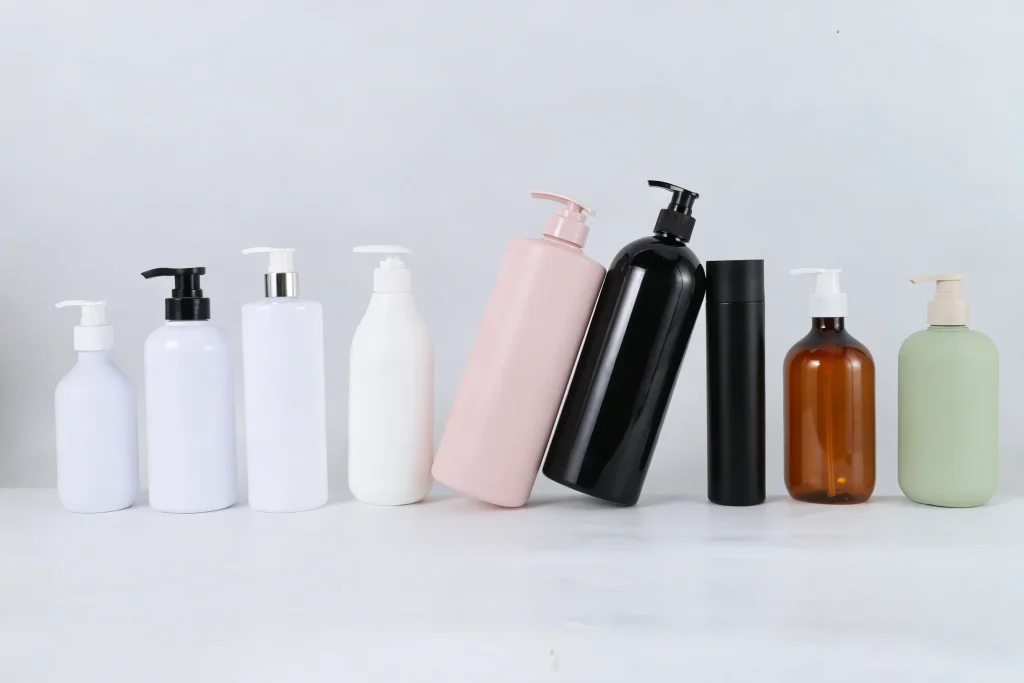
Stock bottles are pre-designed, ready-made molds maintained by original design manufacturers (ODM) and packaging suppliers. Choosing stock packaging does not mean your product will look generic; rather, it shifts the focus of customization from structural shape to surface aesthetics.
The Advantages:
Low Minimum Order Quantities (MOQs): Stock bottles typically require significantly lower initial orders—sometimes as few as 1,000 to 5,000 units. This is ideal for testing new formulations, like a specialized keratin treatment or a niche functional hair oil, without committing massive capital.
Rapid Speed-to-Market: Because the molds already exist, production lead times are short. If you need to hit an upcoming trade show or seasonal launch window, stock packaging can slash months off your development timeline.
Reduced Upfront Capital: You completely bypass the engineering, prototyping, and tooling costs associated with creating a new physical mold.
Differentiated Through Decoration: Advanced secondary processing—such as silk-screen printing, hot stamping, custom color matching, and matte or UV coatings—can transform a standard stock bottle into a highly premium, custom-feeling product.
The Trade-offs:
Limited Structural Differentiation: A competitor could technically buy the exact same bottle shape. You rely heavily on graphic design, labeling, and unique closure choices (like custom pumps or caps) to stand out.
Supply Chain Dependencies: You are tied to the supplier’s inventory. If they alter the mold or discontinue the line, it forces an unexpected packaging redesign.
Custom Packaging: Ultimate Distinction and Brand Moat
Custom packaging involves designing a completely unique bottle from scratch. This process requires engineering blueprints, 3D prototypes, and dedicated steel or aluminum production molds.
The Advantages:
Uncompromising Brand Identity: Every curve, texture, and functional aspect of the bottle is tailored to your brand narrative. If your brand emphasizes professional-grade high-tech systems or specialized salon treatments, a proprietary bottle immediately signals premium innovation.
Enhanced Functionality: Custom molds allow you to engineer specific user experiences—such as ergonomic grips for salon stylists, proprietary anti-drip dispensing systems, or specialized chambers for dual-phase formulas.
Intellectual Property Protection: Your custom design belongs exclusively to your brand. It prevents counterfeiting and ensures no other brand can duplicate your exact shelf presence.
The Trade-offs:
High Initial Tooling Investment: Creating a custom mold requires a significant upfront financial commitment for engineering and tooling costs, long before the first bottle is filled.
Extended Development Timelines: The process from initial sketch to 3D rendering, sample prototyping, mold piloting, and final mass production typically adds 3 to 6 months to your product launch timeline.
High MOQs: Manufacturers usually require substantial commitments (often 20,000 to 50,000+ units per SKU) to offset the cost of setting up dedicated production lines.
Strategic Comparison: At a Glance
Strategic Metric
Stock Packaging
Custom Packaging
Upfront Tooling Cost
Zero
High investment
Average Lead Time
4 to 6 weeks
3 to 6 months
Typical MOQ
Low (1,000 – 5,000 units)
High (20,000 – 50,000+ units)
Design Control
Surface decoration & finishes only
Complete structural & physical control
Supply Chain Security
Dependent on manufacturer stock
Total control over proprietary mold
The Hybrid Approach: The Smart Middle Ground
Many successful professional hair care brands use a hybrid strategy to balance risk and identity.
Instead of investing in an entirely custom bottle body, you can utilize a highly reliable, structurally sound stock bottle but pair it with a custom-molded cap, pump, or over-cap. Because closures require smaller, less complex molds, the upfront tooling costs are significantly lower, yet they completely alter the visual silhouette on the shelf.
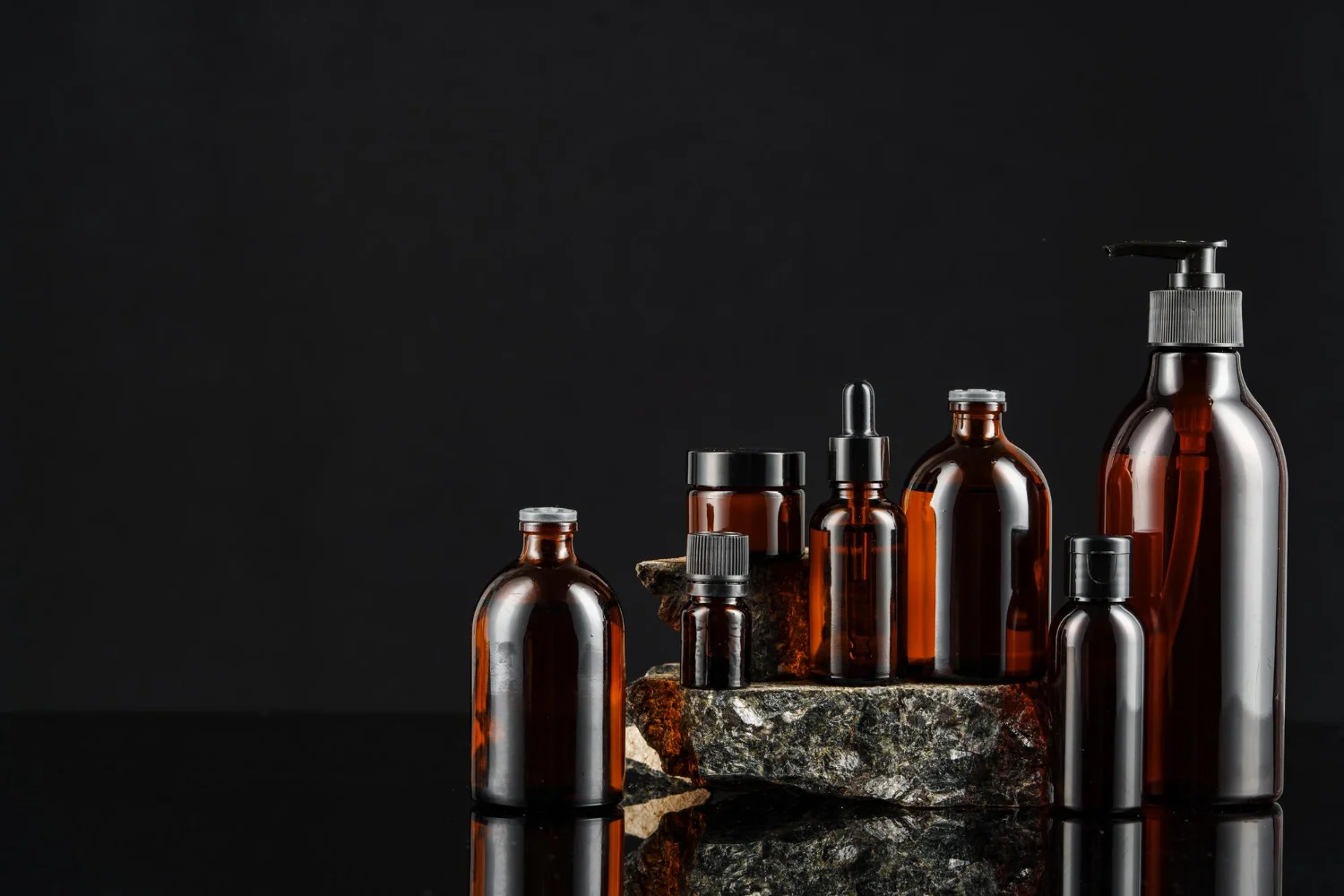
Additionally, leveraging premium color customization—such as matching an amber or pearl-finished bottle surface with minimalistic, high-end typography—allows an ODM partner to deliver a luxurious, cohesive product family at a fraction of the cost.
The Sustainability Factor: Regardless of the path you choose, modern hair care consumers demand eco-friendly solutions. Prioritizing Post-Consumer Recycled (PCR) plastics or lightweighting your custom molds not only reduces your carbon footprint but directly strengthens your B2B and consumer market positioning.
Decision Matrix: Which Path is Yours?
Choose Stock Packaging If:
You are a startup brand, testing a new market, or launching an agile pilot line.
Your primary barrier to entry is speed-to-market or limited initial capital.
You want to allocate more budget toward premium active ingredients, clean chemistry, and marketing.
Choose Custom Packaging If:
Your brand has established volume, predictable cash flow, and a distinct visual language that cannot be executed via stock options.
Proprietary functional design or ergonomics is a core selling point of your product line.
You are aiming to position your brand in the ultra-premium or professional salon distributor tier where structural differentiation is a requirement for retail placement.
By aligning your packaging strategy with your manufacturing capabilities, current sales volume, and long-term brand equity goals, you ensure that your outer presentation is just as refined as the formulation inside.
Ready to Elevate Your Brand’s Shelf Presence?
Launching a professional hair care line requires perfect execution from formula to final bottle. From custom finishing to structural design, discover our seamless OEM packaging process.