


Shampoo is one of the most important products in a hair care line. It is often the first product customers use and can establish the positioning for the rest of the routine.
For private label brands, the right shampoo is not simply about cleansing. The formula, target hair type, product benefits, and relationship with other products all influence how the shampoo fits into the overall brand.
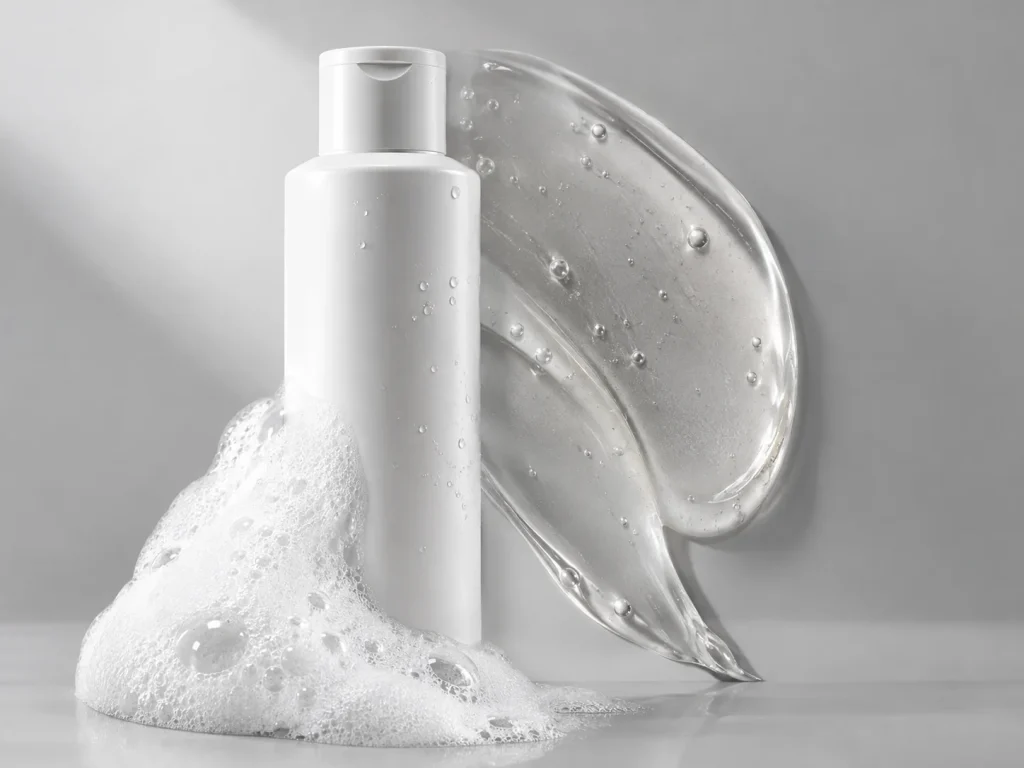
At its most basic level, shampoo cleanses the scalp and hair by removing excess oil, dirt, buildup, and styling residue.
But today’s shampoo market goes well beyond basic cleansing. Depending on the formulation and positioning, a shampoo can also:
For private label brands, this means shampoo should be developed around a specific customer need, rather than simply being positioned as a general cleansing product.
Choosing the right shampoo starts with understanding the customer and the role the product needs to play in the line.
Designed for dry, dehydrated, rough, or textured hair. These formulas typically focus on maintaining moisture while providing a comfortable cleansing experience.
Designed for damaged, bleached, chemically treated, or weakened hair. They can be positioned around strengthening, conditioning, and improving the feel of damaged hair.
Developed for color-treated hair, with a focus on gentle cleansing and helping customers maintain the look and feel of their color between salon visits.
Focused more specifically on scalp needs, such as excess oil, buildup, or other scalp-care concerns. This category can provide a more targeted positioning than a general-purpose shampoo.
Designed for deeper cleansing and removal of excess oil, styling residue, and product buildup. They are often better positioned as a complementary product rather than an everyday shampoo.
Created for wavy, curly, coily, or textured hair, with formulation and positioning built around the needs of these specific hair types.
Designed for fine, flat, or limp hair. The goal is to provide cleansing and a lightweight feel without leaving the hair weighed down.
Ingredients should support the product’s intended function rather than being selected simply because they are trending.
For private label shampoo development, brands may consider:
The important question is not how many ingredients a formula contains, but whether the formulation supports the customer, product benefit, and positioning the brand is trying to create.
A shampoo becomes more valuable when its role within the product line is clear.
Rather than launching several similar shampoos, brands can build a more structured range around distinct customer needs.
For example:
Hydrating Shampoo → Conditioner → Hair Mask
creates a hydration-focused system.
Scalp Care Shampoo → Scalp Treatment → Hair Growth Serum
creates a targeted scalp and hair-care routine.
Color-Protect Shampoo → Conditioner → Color Care Treatment
creates a system designed around color-treated hair.
This approach helps each SKU serve a clear purpose while creating natural opportunities for product expansion.
For new private label brands, the goal does not have to be launching every type of shampoo at once. A better starting point is often one clearly positioned shampoo that solves a specific customer need, followed by complementary products that strengthen the overall line.
The best shampoo for a private label brand depends on more than the formula itself. Consider:
Who is the customer?
Fine hair, damaged hair, curly hair, color-treated hair, scalp concerns, or another specific group?
What problem does the product address?
Hydration, repair, cleansing, scalp care, color maintenance, volume, or another need?
What role does it play in the routine?
Is it an everyday essential, a targeted treatment shampoo, or a complementary product?
What comes next?
The shampoo should create a logical connection to conditioners, masks, treatments, oils, or styling products.
A well-positioned shampoo gives a private label brand more than another SKU. It can become the starting point for a complete hair care system built around a clearly defined customer need.
Looking for shampoo formulas for your next hair care product line?
Explore our private label hair care samples to compare different product concepts and find formulations that fit your target customers and brand direction.