
pH plays a critical role in determining how hair care products clean, condition, repair, and protect hair. Professional manufacturers adjust pH levels carefully because even small changes can affect cleansing ability, hair cuticle behavior, ingredient stability, and overall product performance.
For shampoo, conditioner, and treatment products, pH is not just a testing value—it is an important formulation parameter that directly influences the final consumer experience.
pH measures whether a solution is acidic, neutral, or alkaline on a scale from 0 to 14.
Human hair and scalp naturally have a slightly acidic environment, commonly referred to as the acid mantle.
The natural pH of hair and scalp is generally around:
pH 4.5–5.5
Professional hair care products are often designed within an acidic or mildly acidic range to support hair condition, smoothness, and product performance.
However, the ideal pH depends on the product purpose.
A shampoo designed for cleansing may require a different pH balance compared with a conditioner or a chemical treatment product.
This is why professional formulation is not about choosing one “perfect pH” for all products. It is about selecting the appropriate pH range based on:
To understand why pH matters, it is important to understand the hair cuticle.
The outer layer of hair is made of overlapping cuticle scales that protect the inner structure.
pH can influence the condition of these cuticle layers.
A mildly acidic environment can help:
When the cuticle lies flatter, light reflects more evenly from the hair surface, creating a smoother and shinier appearance.
Higher pH conditions can cause the cuticle structure to become more open.
This may increase:
This property can be useful in certain professional treatments where ingredient penetration is required.
However, excessive alkalinity may contribute to:
Therefore, manufacturers must carefully control pH according to the product objective.
Shampoo is primarily designed to remove:
However, cleansing performance depends on more than surfactant selection.
pH influences:
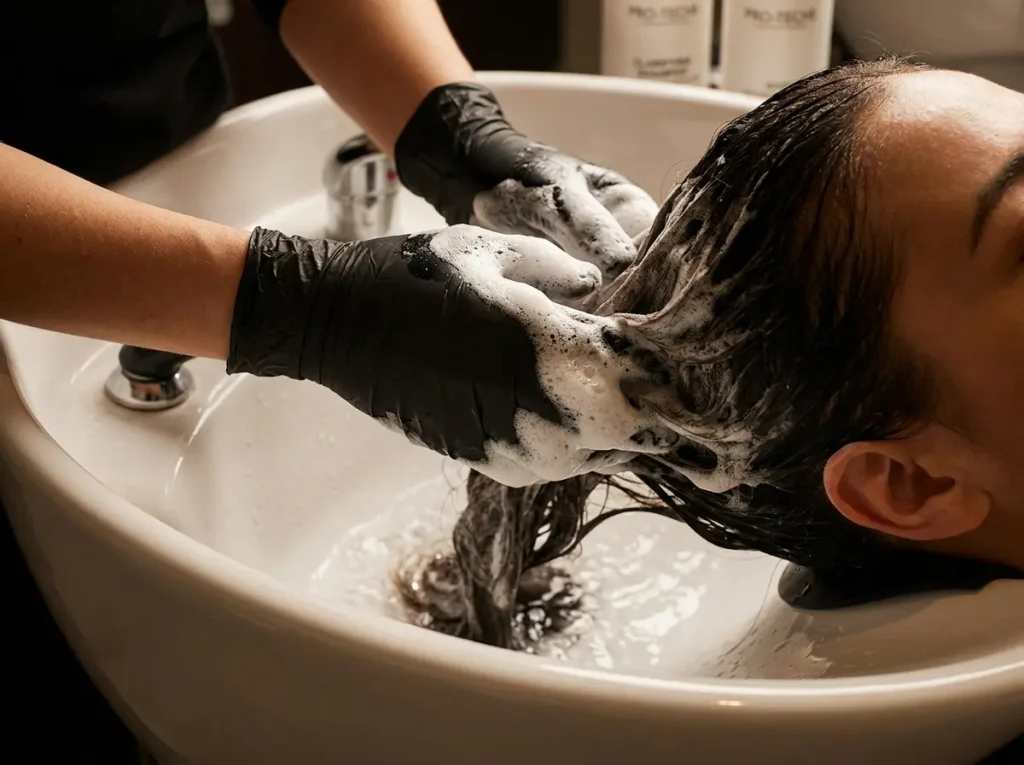
A shampoo with an unsuitable pH may affect how the hair feels after cleansing.
A highly alkaline shampoo may provide strong cleansing but may also increase:
A mildly acidic shampoo can help maintain a smoother hair surface.
For professional hair care brands, the goal is usually not maximum cleansing strength. The goal is achieving the correct balance between:
Many modern shampoos are designed to be:
These formulas often require careful pH optimization because the surfactant system behaves differently compared with traditional cleansing systems.
During development, manufacturers evaluate:
pH adjustment is often part of optimizing the complete formula system rather than an isolated step.
Hair that has undergone chemical services is usually more sensitive.
Examples include:
These customers often require products that help maintain:
A properly balanced shampoo pH can support a smoother hair surface and help reduce the feeling of roughness after cleansing.
This is why professional aftercare products are often formulated with carefully controlled pH values.
Conditioners work differently from shampoos.
Their main functions include:
pH plays an important role in how conditioning ingredients interact with the hair surface.
Many conditioners are formulated within an acidic range because acidic conditions can support cuticle alignment.
This may help improve:
For consumers, this translates into easier styling and better hair manageability.
Conditioners often contain ingredients such as:
The effectiveness of these ingredients depends on the overall formula environment.
Changing pH may affect:
This is why manufacturers test pH together with other parameters rather than adjusting it independently.
pH can influence more than hair performance.
It may also affect:
For example, a conditioner formula may have excellent performance at one pH level but lose viscosity or stability if the pH shifts outside the optimized range.
Professional manufacturers therefore monitor:
during product development and production.
Hair treatments often require more advanced pH control because they are designed to create specific changes in hair structure.
Examples include:
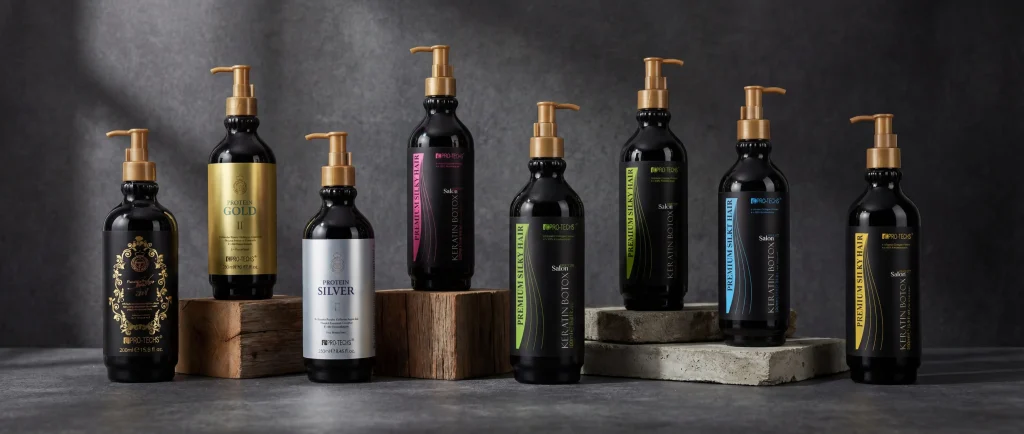
Professional smoothing treatments often rely on controlled chemical interactions.
The pH level can influence:
A manufacturer must balance effectiveness with safety and hair condition.
An unsuitable pH may affect:
For professional salon products, pH optimization is a key part of formulation development.
Protein-based treatments often contain ingredients designed to support damaged hair.
pH affects:
A well-designed formula ensures that active ingredients remain effective while maintaining acceptable sensory performance.
The product pH can influence how a treatment should be used.
Manufacturers consider:
This information helps brands provide accurate usage guidance to customers.
Professional manufacturers do not adjust pH randomly at the end of production.
pH control is integrated throughout the development process.
R&D teams evaluate how ingredients behave within different pH environments.
Factors considered include:
During development, manufacturers regularly measure:
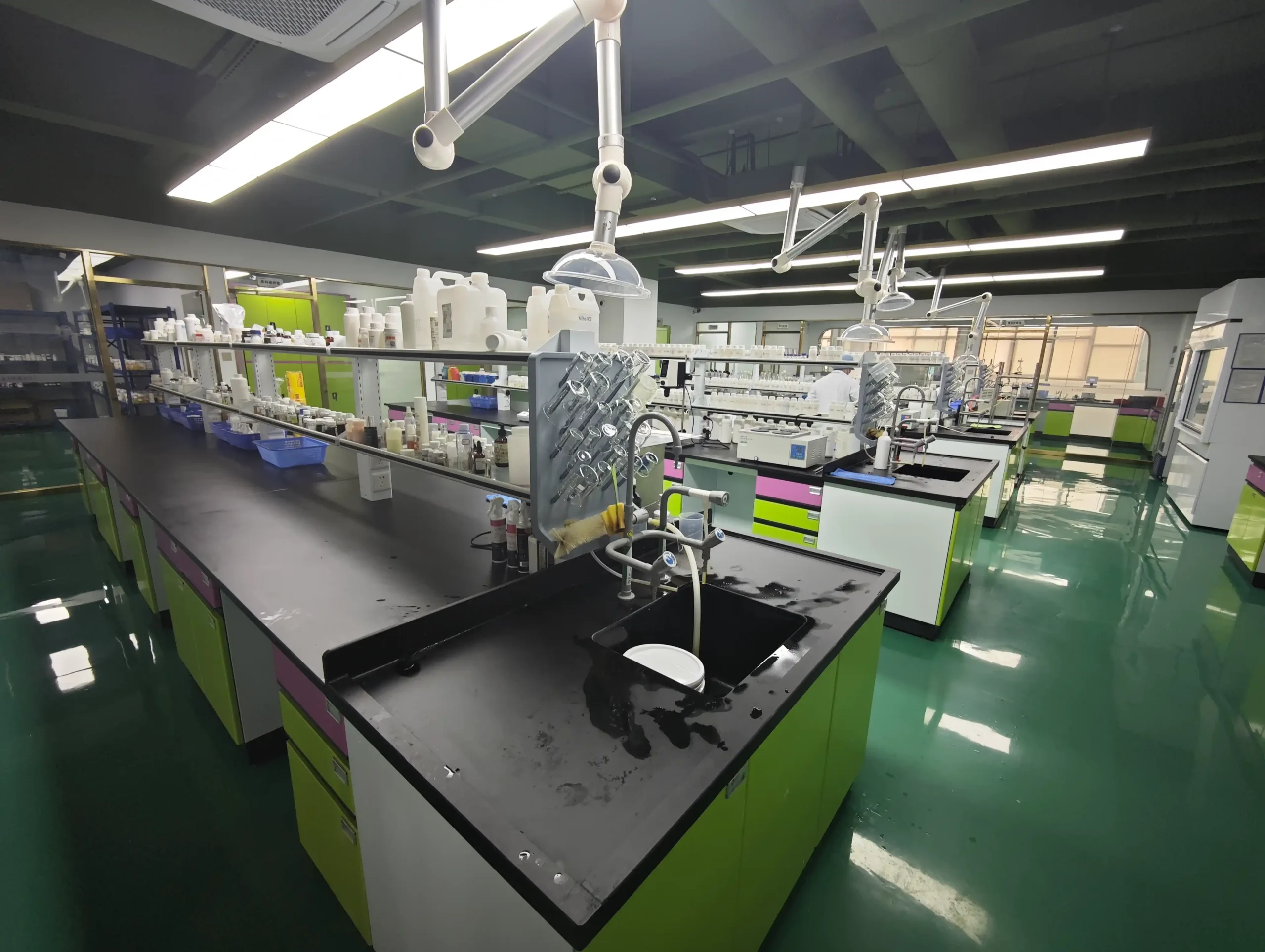
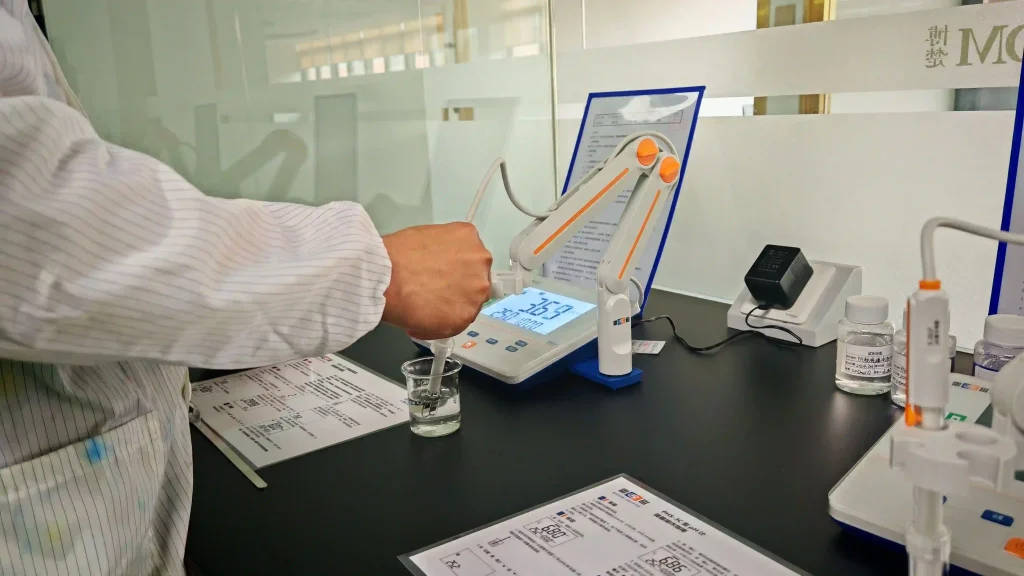
Common laboratory equipment includes calibrated pH meters designed for cosmetic testing.
Manufacturers may adjust pH using appropriate acidic or alkaline solutions.
The adjustment process must be carefully controlled because changing pH can affect:
A small pH adjustment can sometimes create significant changes in the final formula.
A formula that reaches the correct pH immediately after production still needs stability evaluation.
Manufacturers monitor whether pH remains consistent during:
A stable product should maintain its specifications throughout its expected lifespan.
The exact pH depends on the formula, but many professional hair care products are designed within approximate ranges:
| Product Type | Common pH Range |
|---|---|
| Mild shampoos | Around pH 4.5–6.0 |
| Conditioners | Around pH 3.5–5.5 |
| Hair masks | Around pH 3.5–5.5 |
| Treatment products | Depends on active ingredients and purpose |
These ranges are general references. Professional manufacturers determine the final pH based on formulation science and product objectives.
For private label and custom hair care brands, pH control is an important indicator of manufacturing expertise.
A professional manufacturer should have:
The ability to control pH consistently helps ensure:
pH affects almost every aspect of hair care product performance, from shampoo cleansing ability and conditioner smoothness to professional treatment results.
A successful formula requires more than selecting effective ingredients. Manufacturers must understand how pH interacts with the entire formulation system and control it through precise testing and production processes.
For brands developing professional hair care products, choosing an experienced manufacturer with strong R&D and quality control capabilities is essential for creating products that deliver consistent performance.
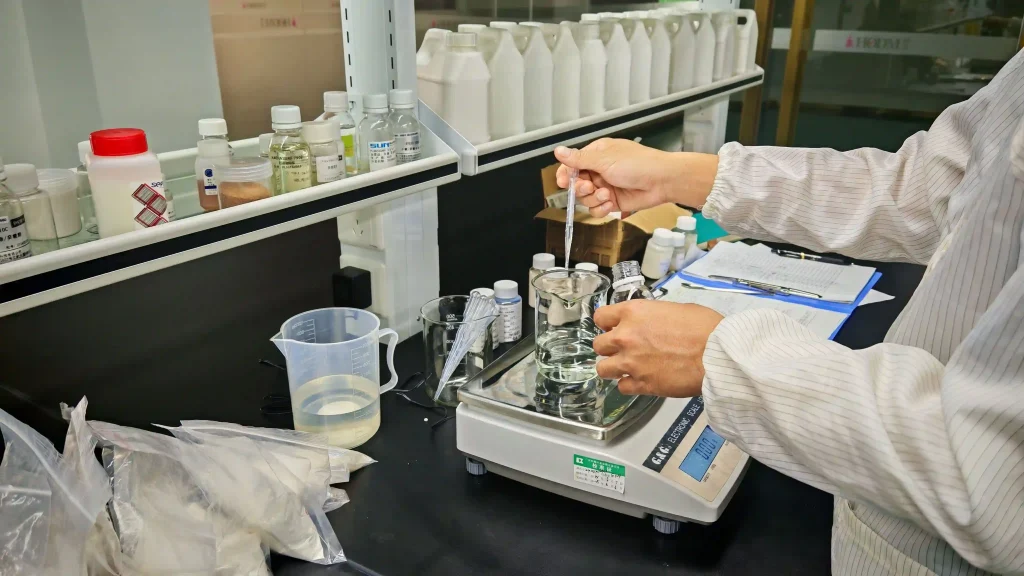
Develop Hair Care Products With PRO-TECHS Professional R&D Support
Our R&D team uses controlled formulation processes, pH testing, stability evaluation, and manufacturing expertise to develop reliable hair care solutions for global brands.