Launching a private label hair care product can be an exciting opportunity for beauty entrepreneurs, salon owners, distributors, and established brands looking to expand their product portfolio.
However, one of the most common questions businesses ask before starting a project is:
“How long does it take to launch a private label hair care product?”
The answer depends on several factors, including the level of customization, formula development requirements, packaging selection, testing procedures, production capacity, and the efficiency of communication between the brand and manufacturer.
Some brands can launch products within a relatively short timeframe by using existing professional formulas, while others may require several months when developing customized formulations and unique packaging.
Understanding the complete private label hair care product development timeline helps brands set realistic expectations, avoid unnecessary delays, and choose the right manufacturing approach.
A successful hair care product launch is not simply about manufacturing a formula and putting it into a bottle.
A professional product development process usually includes:
Each stage affects the final launch timeline.
The more customization a brand requires, the longer the process usually becomes.
Estimated timeline: 1–3 weeks
The first stage is defining what product you want to create.
Before manufacturing begins, brands need to clarify:
For example, a brand launching a professional keratin aftercare line may need products designed specifically for maintaining salon treatment results, while a retail hair care brand may focus on daily repair or hydration solutions.
A clear product brief helps the manufacturer recommend suitable formulas and avoid unnecessary revisions later.
Many delays happen because brands start production discussions without a clear product direction.
Estimated timeline: 2–12 weeks
This stage usually determines the biggest difference in launch speed.
Estimated timeline: 2–6 weeks
The fastest approach is selecting existing formulas from a private label hair care manufacturer.
These formulas are already developed and optimized, allowing brands to focus on:
Advantages:
This option is ideal for:
Estimated timeline: 6–12 weeks
Semi-custom development involves modifying existing formulas.
Common adjustments include:
For example, a brand may want an existing repair mask formula with a richer texture, a different fragrance profile, or additional conditioning ingredients.
This approach provides more differentiation while maintaining a reasonable development timeline.
Estimated timeline: 3–6+ months
A completely customized product requires significantly more development work.
The process may include:
Custom formulations are suitable for brands that need unique products or specific technical performance.
However, they require more time because product quality cannot be rushed.
Estimated timeline: 2–8 weeks
Once a formula is selected or developed, samples are created for evaluation.
During this stage, brands typically review:
For hair care products, sensory evaluation is especially important.
A shampoo, conditioner, or treatment product must not only perform well but also provide the right user experience.
Common revision requests include:
Fast communication between the brand and manufacturer can significantly shorten this stage.
Estimated timeline: 4–12 weeks
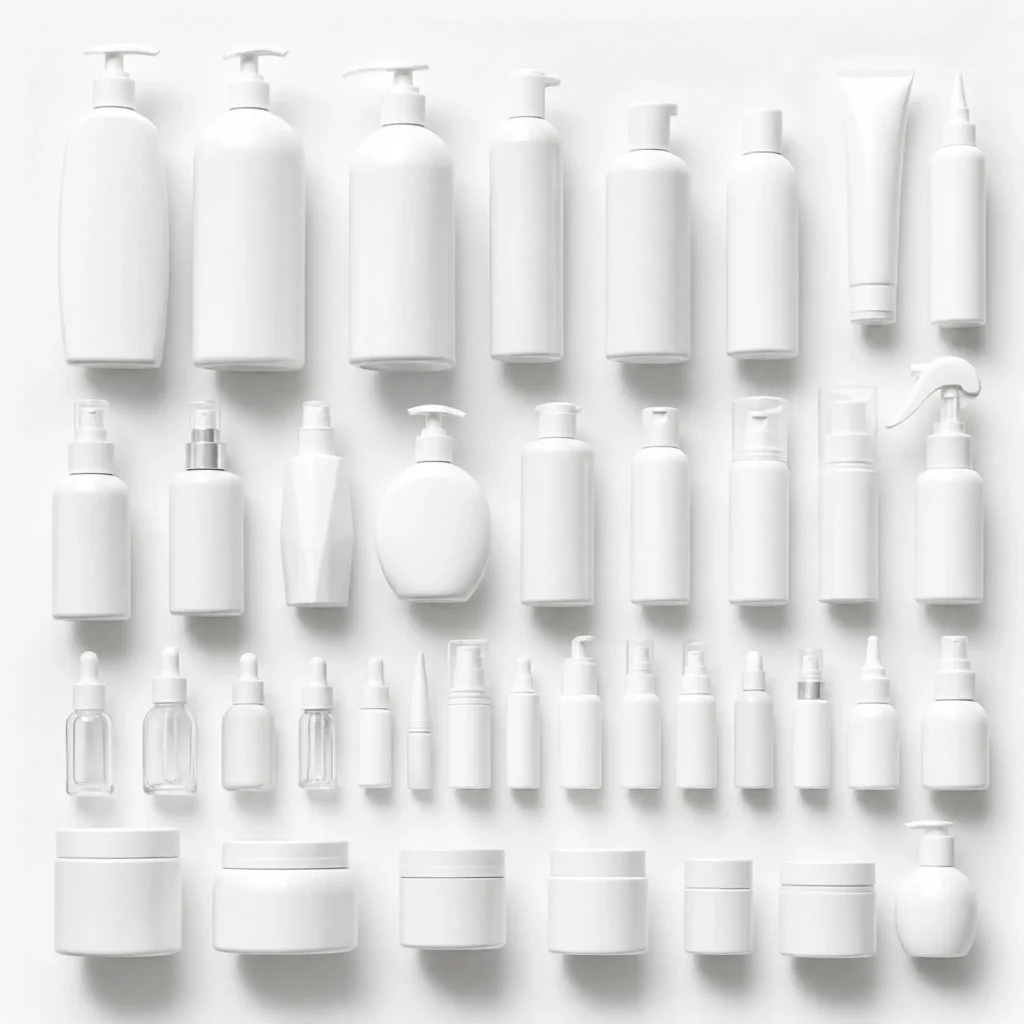
Packaging is often one of the most underestimated factors affecting launch time.
The timeline depends on whether the brand chooses:
Using existing bottles, jars, and packaging options is faster.
Benefits:
Custom packaging requires more time because it may involve:
Luxury brands often choose customized packaging to create stronger shelf impact, but they should consider the additional timeline.
Estimated timeline: 4–12 weeks
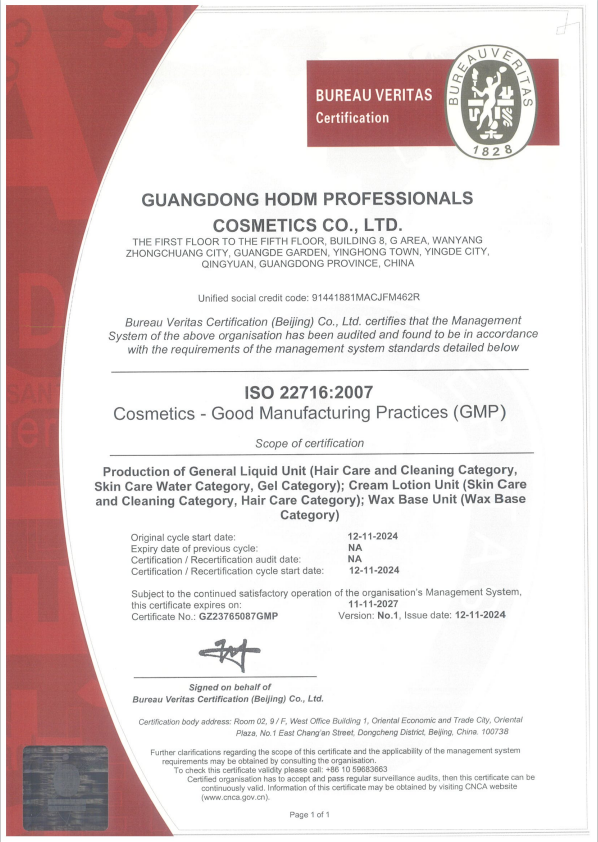
Before mass production, professional hair care products require quality evaluation.
Important testing may include:
Ensures the formula remains consistent during storage.
Testing evaluates:
Confirms product safety and quality.
Ensures the formula works properly with the selected packaging.
For professional hair care brands, skipping proper testing can create long-term risks, including customer complaints and product recalls.
Estimated timeline: 4–8 weeks
After formula, packaging, and testing approval, the manufacturer begins production.
Production includes:
The production timeline depends on:
Larger orders may require additional production planning.
| Project Type | Typical Timeline |
|---|---|
| Existing private label formula | 2–4 months |
| Semi-custom hair care product | 3–5 months |
| Fully custom formulation | 6 months or longer |
| Custom packaging project | Additional 1–3 months |
These timelines are estimates because every project has different requirements.
Several factors can affect the launch schedule.
Delayed approvals for:
can extend the timeline significantly.
The more customized a product becomes, the more development time is required.
Brands should carefully evaluate whether every customization is necessary for their first launch.
Packaging shortages or custom packaging production can become major timeline factors.
Different countries may have different requirements for:
Brands should discuss market requirements with their manufacturer early.
A faster launch does not mean reducing quality. It means making smarter decisions.
Existing professional formulas reduce development time and technical risks.
Complete:
before production begins.
A professional private label hair care manufacturer can guide brands through:
An experienced partner helps avoid mistakes that create delays.
The time required to launch a private label hair care product depends mainly on how much customization your brand requires.
A brand using existing professional formulas may launch within a few months, while fully customized products with exclusive formulations and packaging may require six months or longer.
The fastest and most reliable approach is choosing a manufacturing strategy that matches your business goals.
By working with an experienced private label hair care manufacturer, brands can balance speed, quality, and product differentiation to successfully bring professional hair care products to market.