

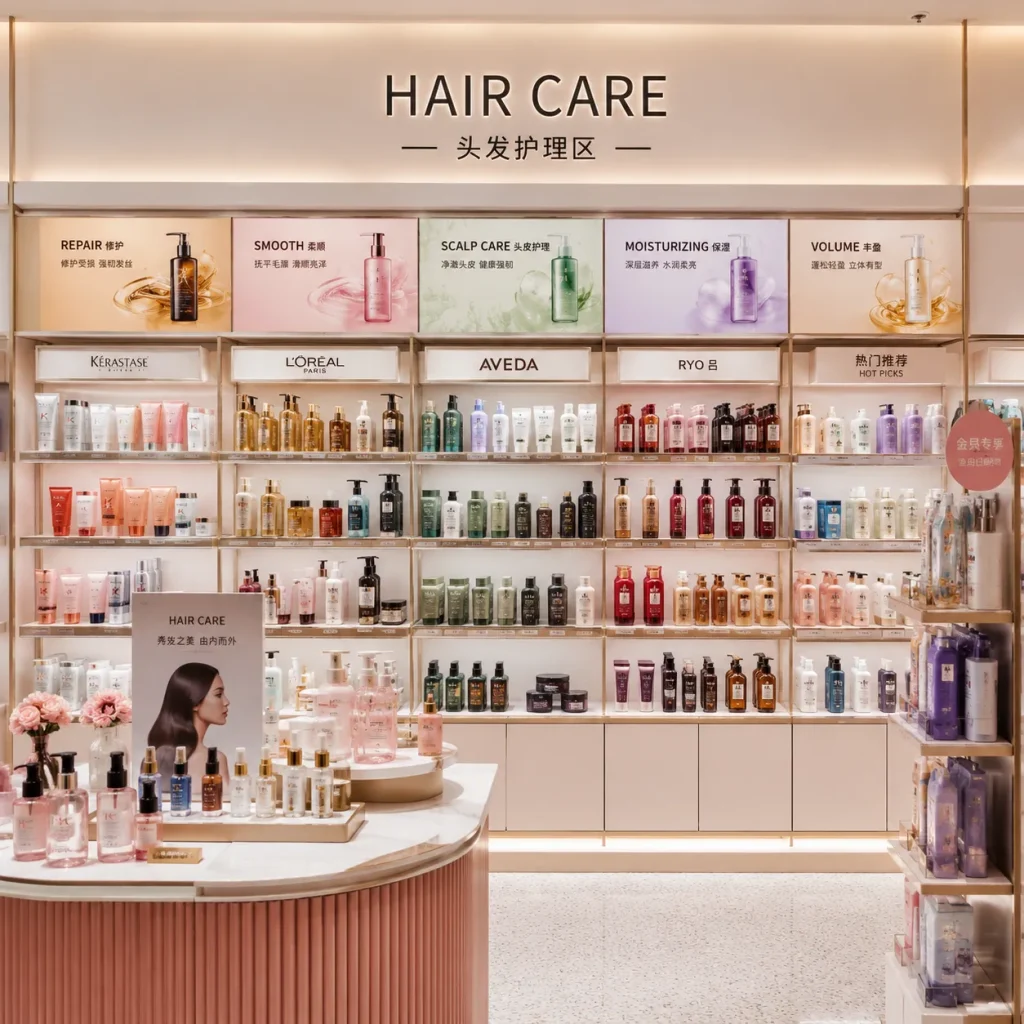
Choosing the right hair care products is one of the most important decisions for cosmetic stores looking to increase sales and build customer loyalty.
The best-selling hair products are not always the products with the lowest price. Successful cosmetic retailers usually focus on products that solve specific customer problems, create repeat purchases, and match current consumer trends.
Today’s hair care market is moving beyond basic shampoo and conditioner. Customers are increasingly looking for professional solutions for hair damage, repair, smoothness, scalp health, and long-lasting treatment results.
For cosmetic stores, distributors, and retailers, selecting the right product categories can create stronger sales opportunities and improve customer retention.
This article explains the best hair care products to sell in cosmetic stores and how businesses can choose products that match consumer demand.
Hair damage is one of the most common consumer concerns.
Daily exposure to:
can cause:
As a result, repair-focused hair products continue to be one of the strongest categories in cosmetic retail.
Popular products include:
Repair products have strong repeat purchase potential because customers often use them as ongoing maintenance solutions.
Unlike styling products that may be purchased occasionally, repair products are part of a regular hair care routine.
For cosmetic stores, a repair collection can include multiple price points, allowing retailers to serve different customer groups.
Shampoo remains one of the essential products in every hair care category.
However, consumer expectations have changed.
Many customers now look for shampoos that are:
This trend is especially strong among consumers who have:
A sulfate-free shampoo is often positioned as a premium alternative to traditional cleansing products.
Cosmetic stores can create stronger product combinations by selling shampoos together with:
This encourages customers to purchase complete hair care systems rather than individual products.
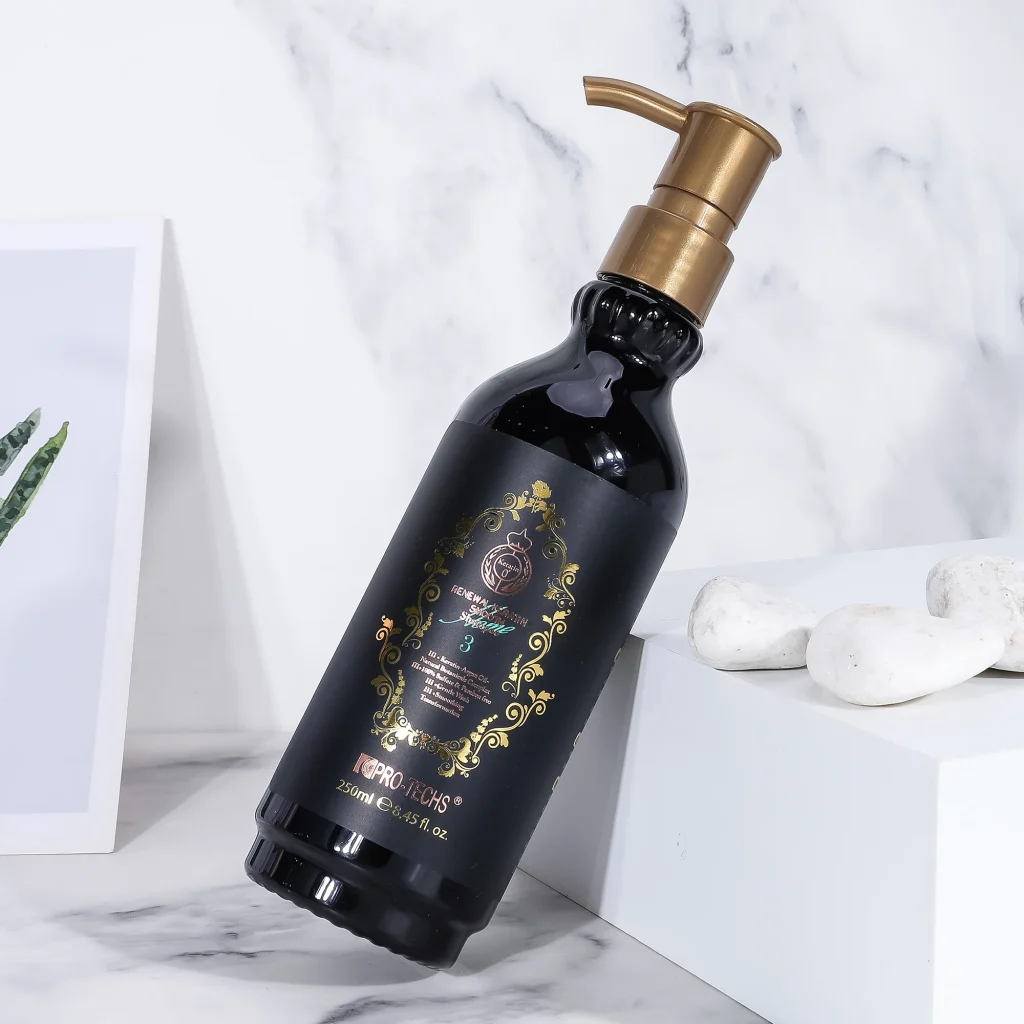
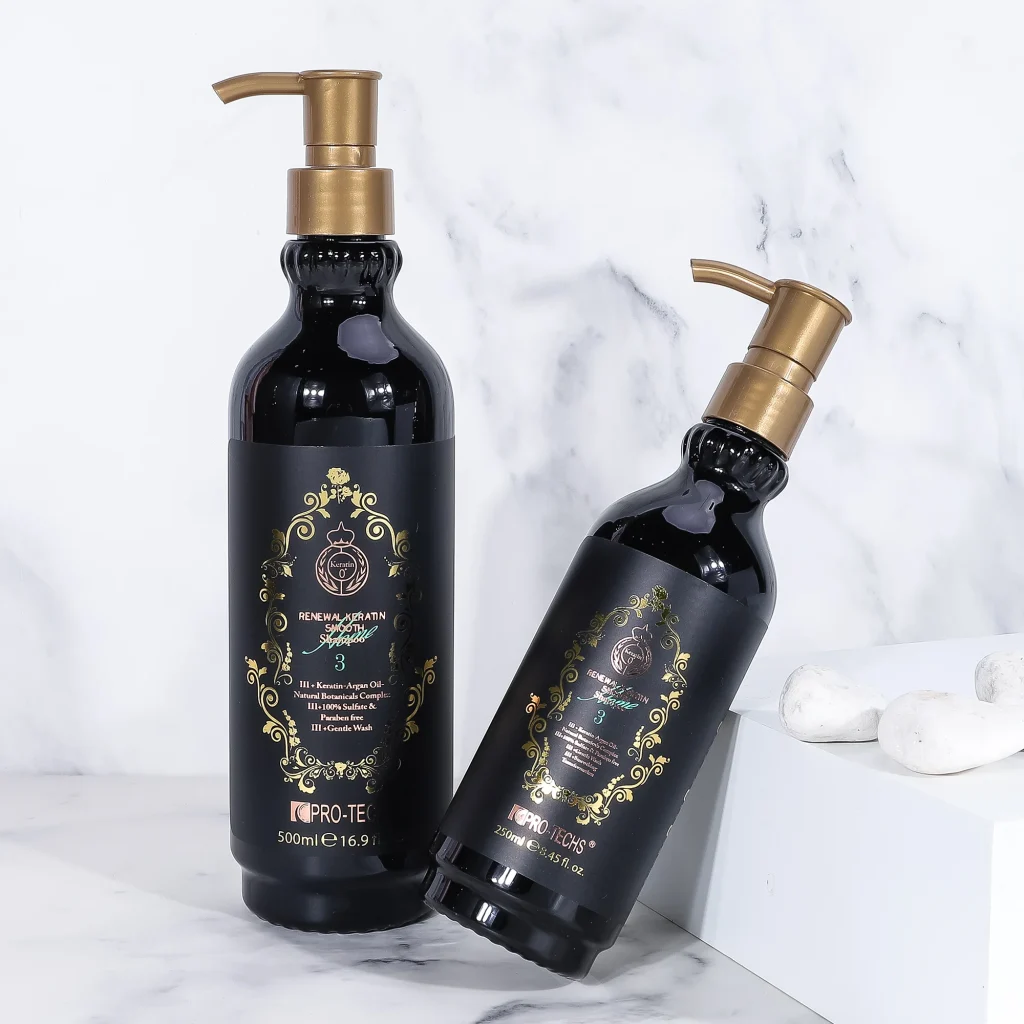
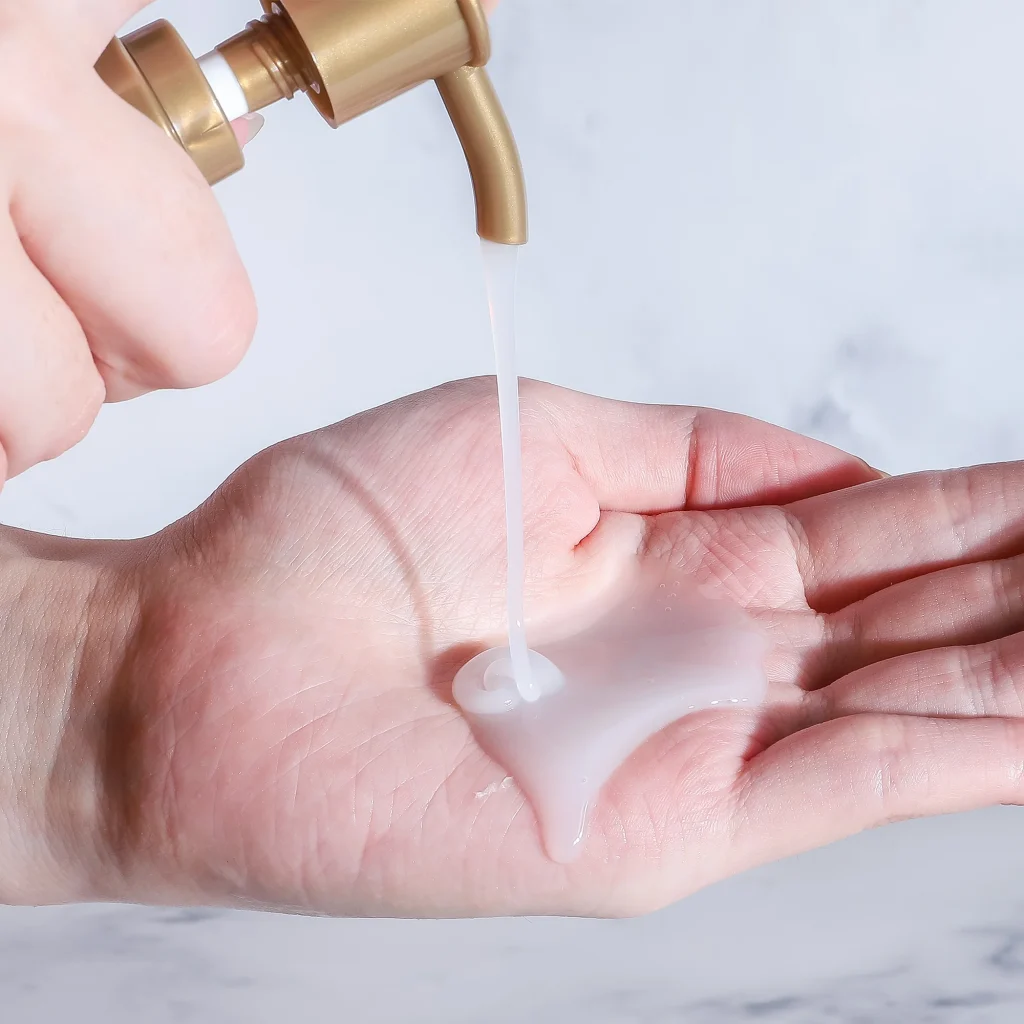
Hair masks are among the most attractive products for cosmetic stores because they offer visible benefits and premium positioning.
Compared with standard conditioners, hair masks are often perceived as:
Popular benefits include:
Hair masks usually have:
Retailers can educate customers about weekly treatments, creating additional sales opportunities.
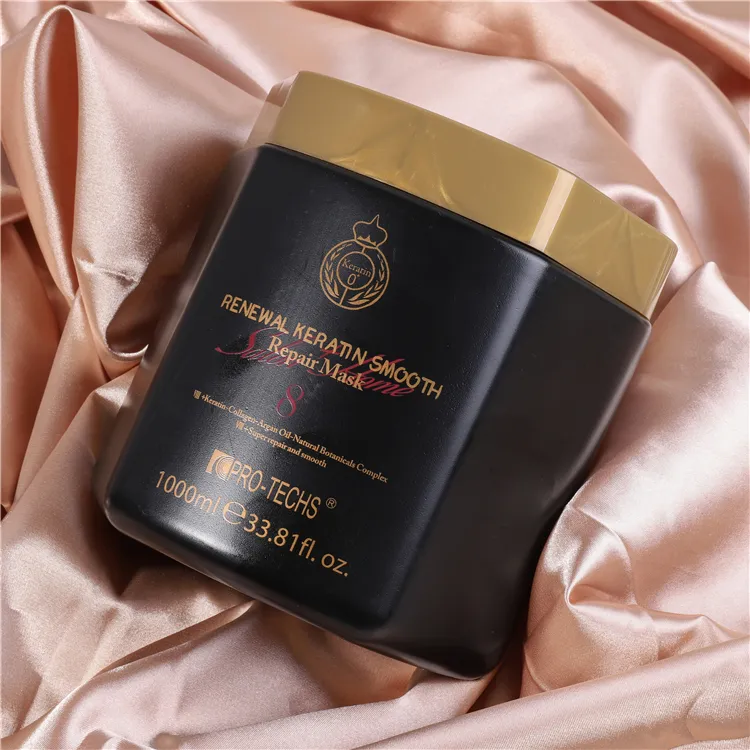
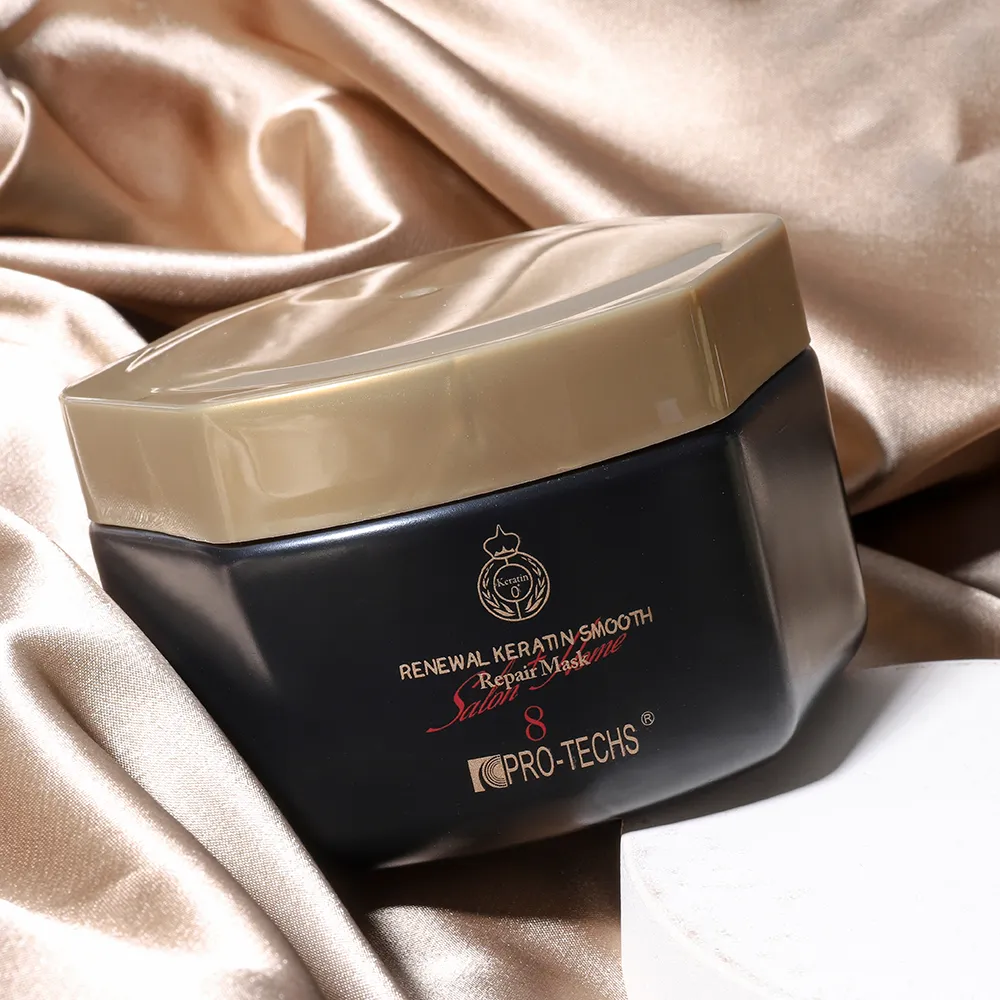
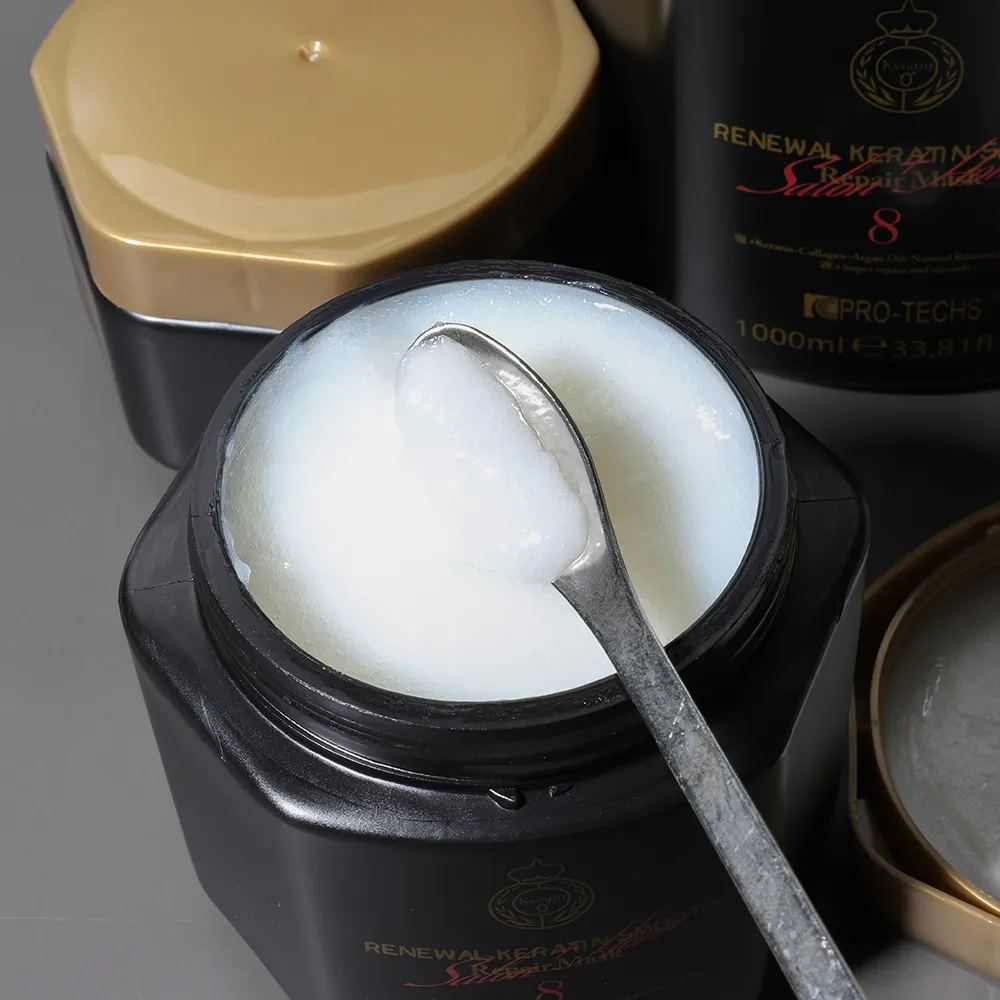
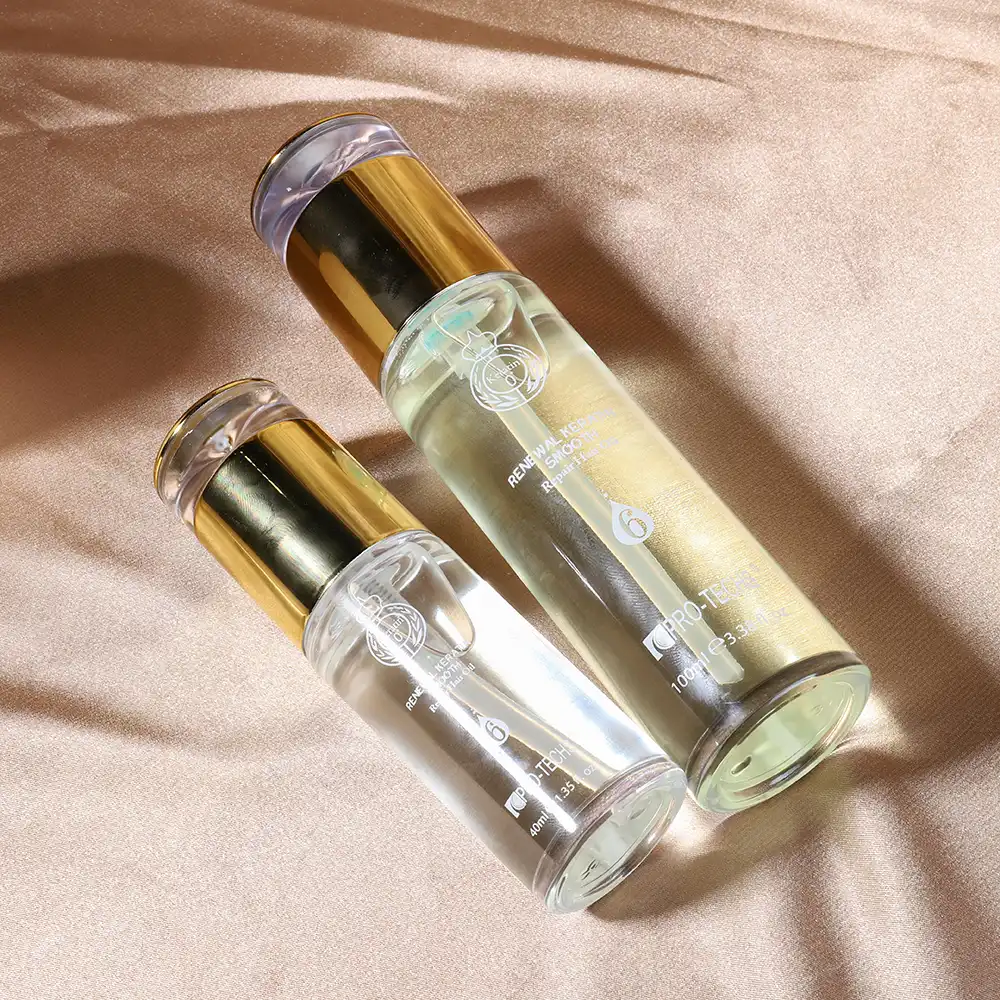
Hair oils have become increasingly popular because of the influence of beauty trends and social media.
Modern consumers use hair oils for:
Popular ingredients include:
Hair oils are attractive retail products because they:
They also work well as complementary products after shampoo and treatment purchases.
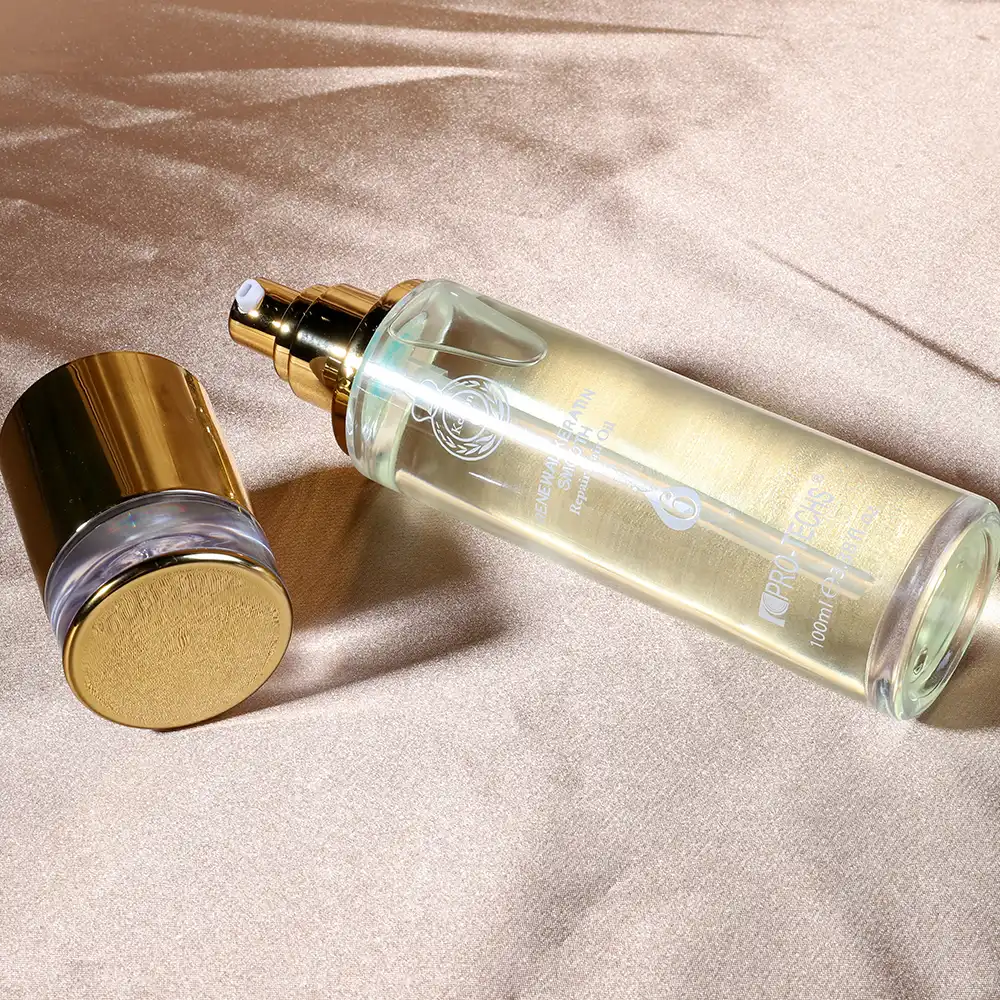
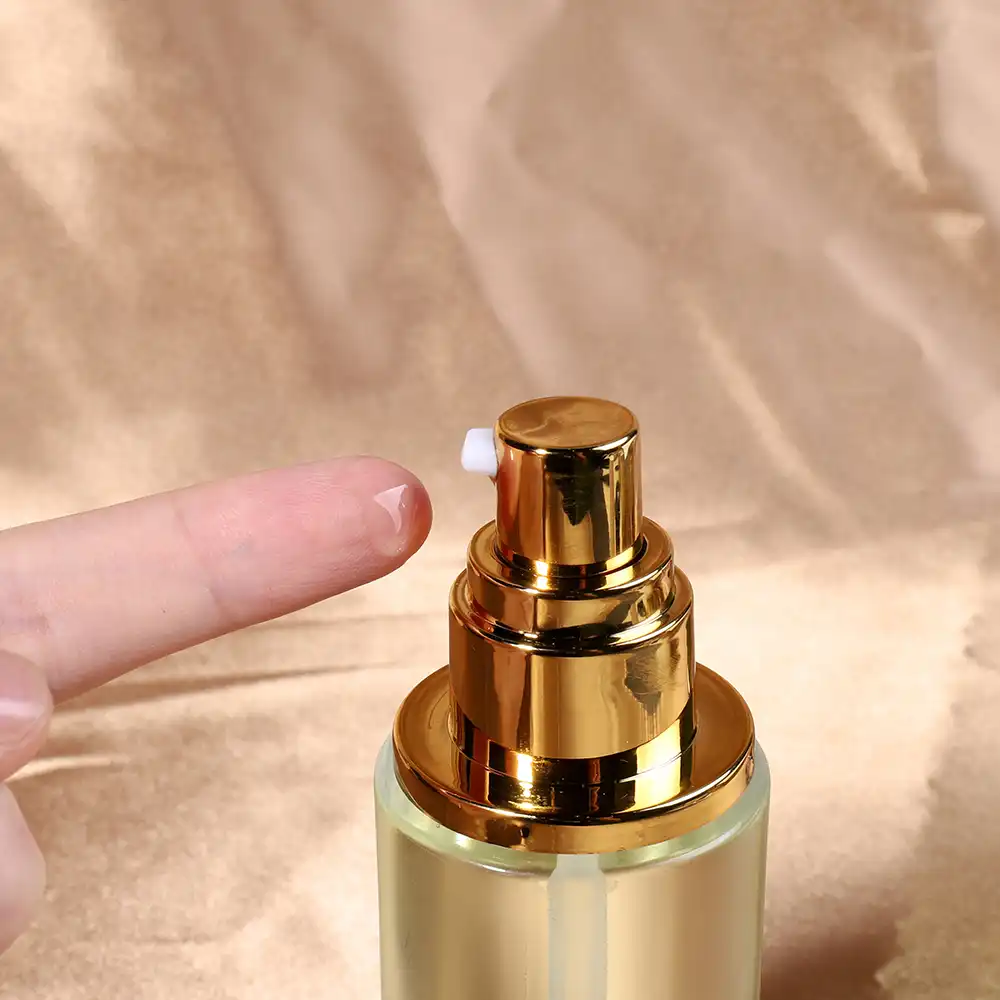
As salon treatments become more popular, consumers increasingly look for products that help maintain professional results at home.
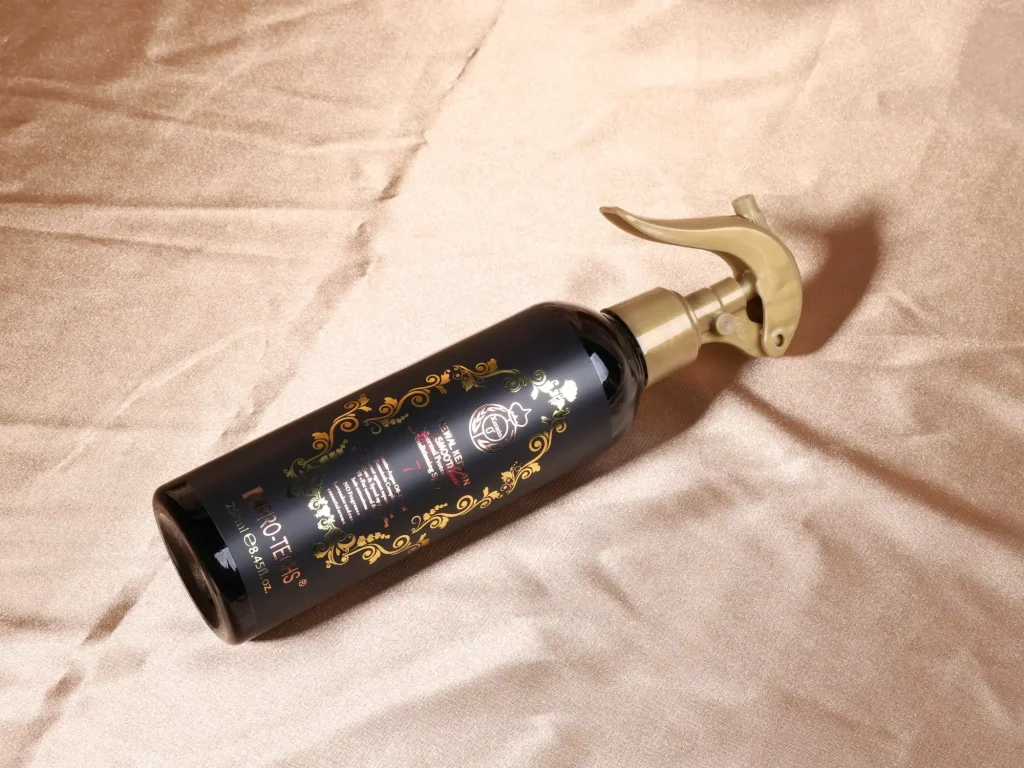
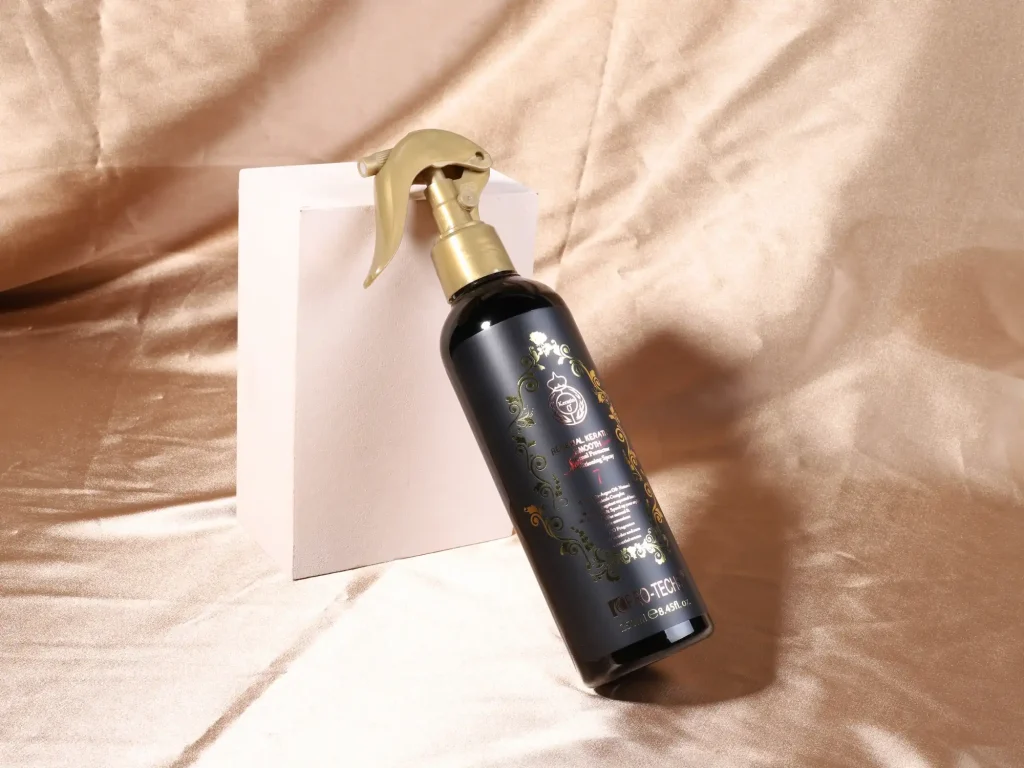
Keratin treatment aftercare products are a strong opportunity for cosmetic stores targeting premium customers.
Key products include:
These products are designed to help maintain:
after professional salon treatments.
Customers who invest in salon treatments are often willing to purchase professional maintenance products.
This creates opportunities for cosmetic retailers to offer higher-value hair care solutions.
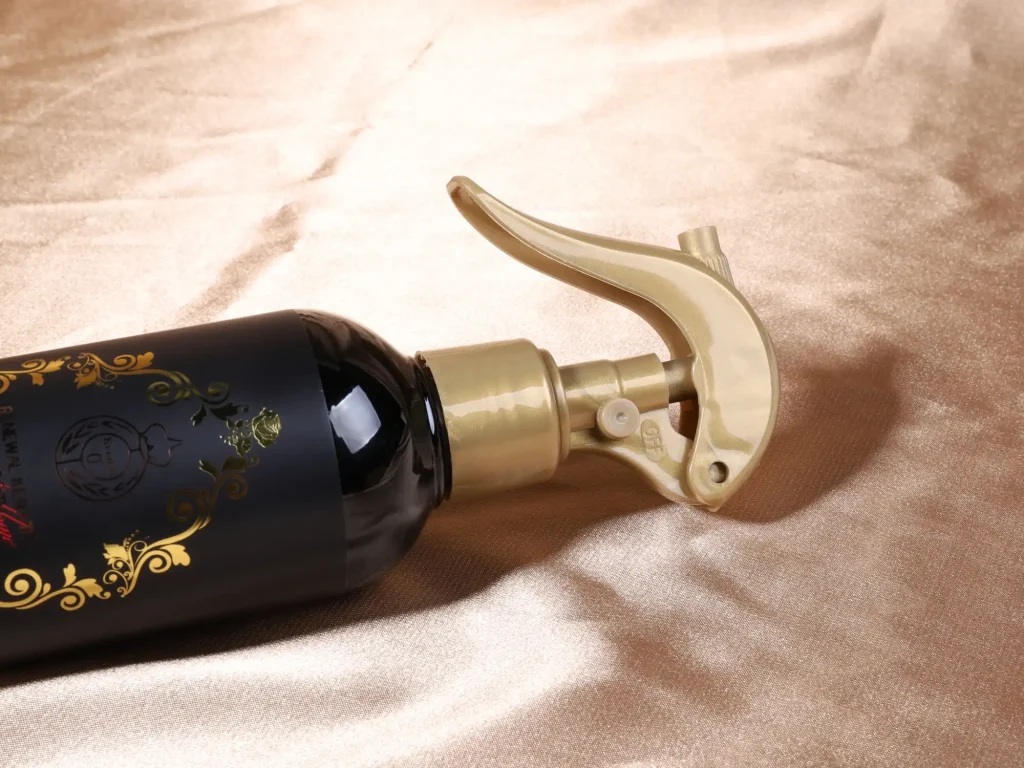
Leave-in products have become increasingly important because consumers want convenient solutions for daily hair maintenance.
Popular categories include:
These products solve practical problems without requiring a complicated routine.
Leave-in products are often easy to demonstrate and explain because customers immediately understand their usage benefits.
They are also excellent add-on products to increase average order value.
The “skinification of hair” trend has changed how consumers view scalp health.
Many customers now consider the scalp as the foundation of healthy hair.
Growing categories include:
Scalp care allows brands to expand beyond traditional hair lengths and focus on long-term hair wellness.
It also attracts consumers looking for specialized solutions rather than basic products.
Selling successful hair products requires more than selecting popular categories.
Retailers should evaluate:
Understand:
A premium beauty store and a mass-market cosmetic store may require completely different product strategies.
Highly competitive categories require stronger positioning.
Instead of selling another basic shampoo, retailers should consider:
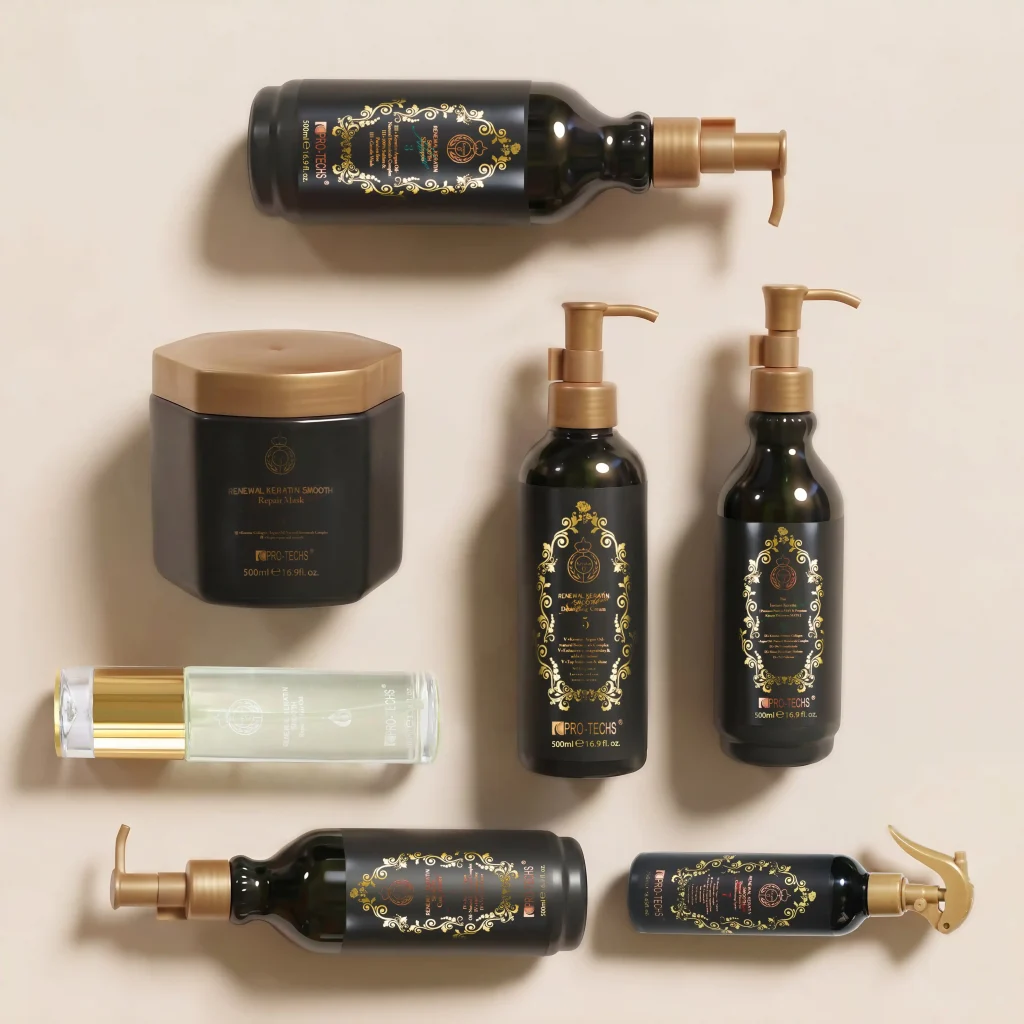
The strongest hair care brands usually sell systems rather than single products.
Examples:
Keratin Maintenance System:
Damage Repair System:
Product systems increase customer value and encourage repeat purchases.
For retailers looking to build their own brand, private label hair care products provide an opportunity to create exclusive product lines.
Advantages include:
Working with a professional private label hair care manufacturer allows cosmetic stores to develop products based on their customer needs without building their own factory.
Retailers can choose:
depending on their business goals.
The best hair care products to sell in cosmetic stores are not simply the most popular products. They are products that address clear consumer needs and create repeat purchasing behavior.
High-potential categories include:
For cosmetic stores, distributors, and retailers, the key is building a product portfolio that combines market demand, professional performance, and strong customer value.
By partnering with an experienced hair care product supplier, businesses can develop product collections that match consumer trends and create sustainable growth opportunities in the competitive beauty market.