
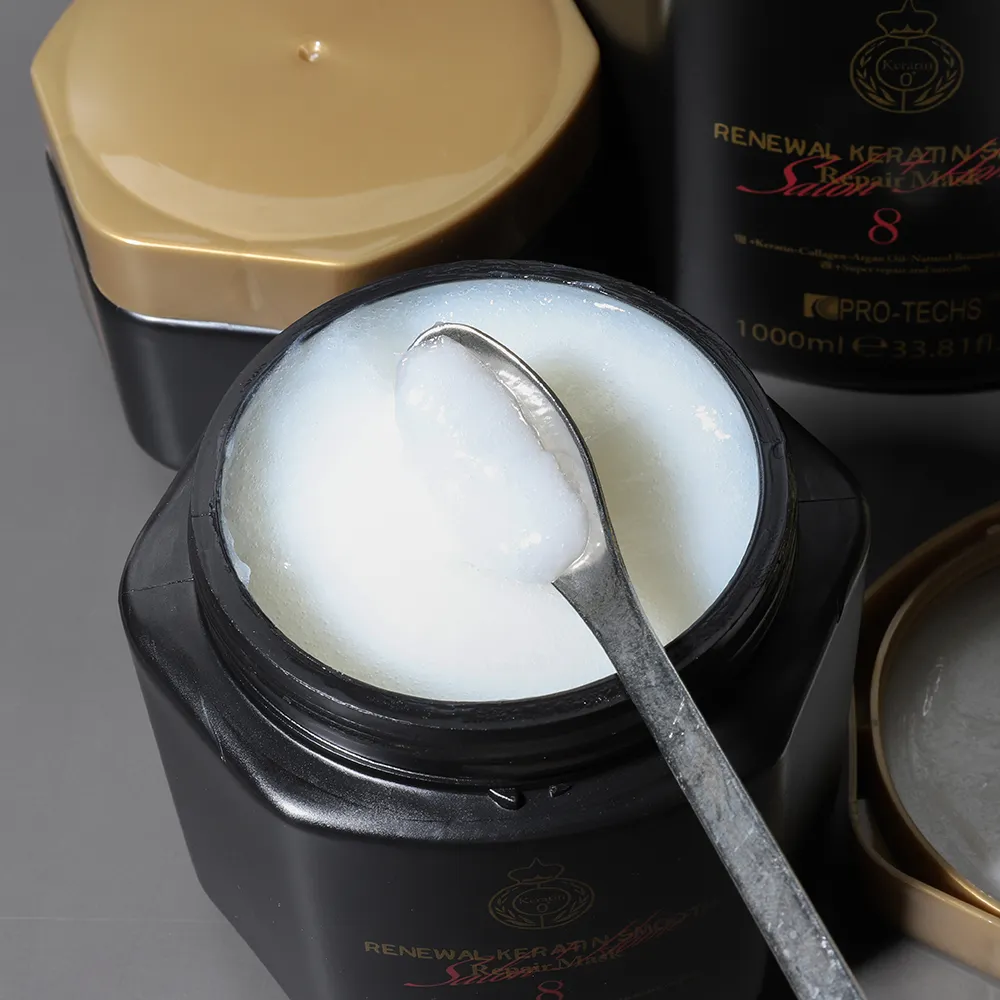
Hair masks have become an important part of modern hair care routines, particularly for customers looking for more targeted conditioning and treatment than a regular conditioner can provide.
For private label brands, a hair mask can serve as a highly targeted product within a larger hair care system. The key is to define what the mask is designed to address and how it complements the rest of the product line.
A hair mask is typically used as a more intensive conditioning or treatment step.
Depending on the formulation and positioning, a hair mask can be developed to:
Unlike a daily conditioner, a mask is often positioned around a more specific hair concern or a more intensive care experience.
For private label brands, this makes the hair mask an opportunity to create a product with a clear and differentiated purpose.
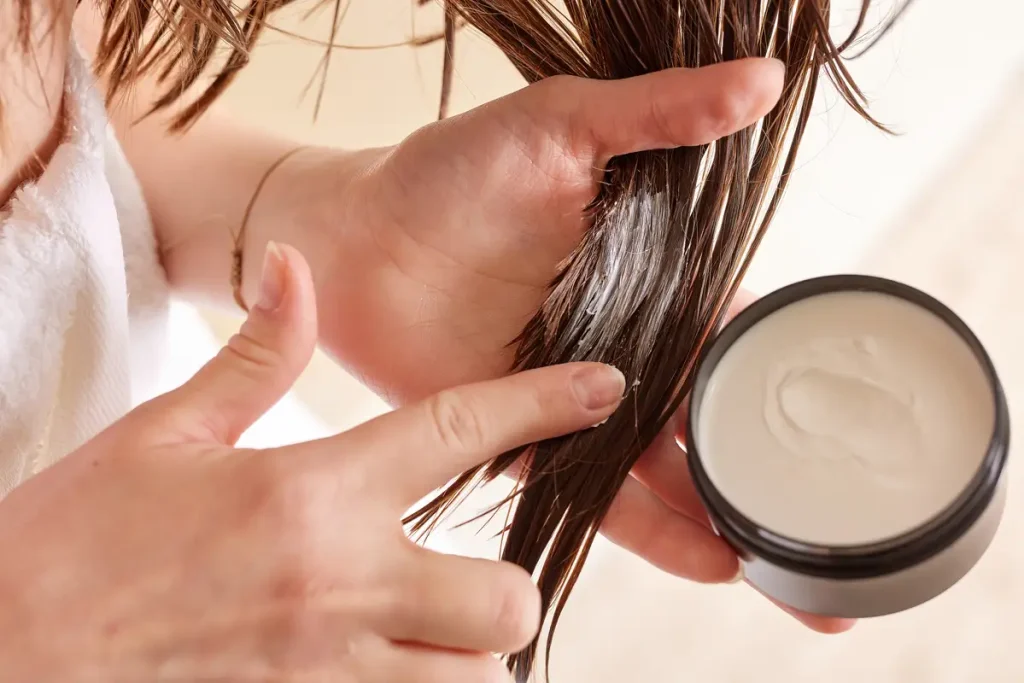
The right type of hair mask depends on the customer, hair type, and product positioning the brand wants to establish.
Designed for damaged, weakened, bleached, or chemically treated hair. These masks can be positioned around conditioning, strengthening, and improving the overall feel of damaged hair.
Focused on dry, dehydrated, rough, or textured hair. They are typically positioned around moisture, softness, smoothness, and manageability.
Designed for hair that needs a richer conditioning experience. This category can work well for dry, coarse, or mature-feeling hair and can support a more premium treatment positioning.
Developed for color-treated hair and can be positioned as part of a color-maintenance routine. A mask can provide an additional conditioning step alongside color-care shampoo and conditioner.
Designed for wavy, curly, coily, or textured hair. The formulation and positioning should focus on the specific conditioning and manageability needs of textured hair.
Designed around smoothness, manageability, and frizz control. These products can complement a broader smoothing or keratin-focused hair care system.
The ingredients used in a hair mask should support the specific treatment objective rather than simply create a long ingredient list.
For private label development, brands may consider:
The formulation should ultimately reflect the intended hair type, treatment benefit, sensory experience, and market position.
A hair mask can fill several different roles within a private label hair care line.
For example:
Hydrating Shampoo → Conditioner → Hydrating Hair Mask
creates a complete moisture-focused routine.
Repair Shampoo → Conditioner → Repair Hair Mask
builds a treatment system for damaged or chemically treated hair.
Color-Protect Shampoo → Conditioner → Color Care Mask
creates a more complete routine for color-treated customers.
A mask can also be used to introduce a more targeted product without creating an entirely separate product category.
For example, a brand focused on curly hair could build:
Curl Shampoo → Curl Conditioner → Curl Hair Mask → Curl Cream
Each product has a different role while supporting the same customer and positioning.
For brands building a product line, it is important to give these two products clearly different roles.
A conditioner is generally designed for regular use and routine conditioning.
A hair mask can be positioned as a more intensive or targeted treatment used less frequently or according to the customer’s specific hair needs.
This distinction gives brands an opportunity to offer both products without making them feel like duplicate SKUs.
The difference does not necessarily need to come from simply making the mask “richer.” The formulation, usage instructions, treatment objective, sensory experience, and product positioning should all support the distinction.
Before selecting a private label hair mask, consider four questions:
Who is it for?
Dry hair, damaged hair, curly hair, color-treated hair, or another clearly defined customer group?
What problem does it address?
Hydration, repair, nourishment, smoothing, color care, or another specific need?
How intensive should the treatment be?
The product should have a clear reason to exist alongside the brand’s regular conditioner.
Where does it fit in the routine?
A strong hair mask should naturally connect with the shampoo, conditioner, leave-in, treatment, or styling products around it.
A successful private label hair mask is not simply a thicker conditioner. It is a product with a defined purpose, a clear target customer, and a logical place within the brand’s overall hair care system.
Looking for hair mask formulas for your next product line?
Explore private label hair care samples to compare treatment concepts designed for different hair types, concerns, and brand positioning.
View Private Label Samples