






Choosing a hair care formula is one of the most important decisions when developing a new product line. When working with different manufacturers, brands may receive several samples that appear similar but deliver different results in performance, texture, fragrance, stability, and overall user experience.
The challenge is knowing how to evaluate them objectively.
A formula that feels good during the first application may not deliver the expected results after repeated use. Another sample may have an appealing texture but be unsuitable for the target hair type or product positioning. Differences in raw materials, formulation design, and manufacturing processes can all influence the final product.
For hair care brands, comparing formulas should go beyond personal preference. A structured evaluation helps identify which formula best meets customer expectations, supports the product concept, and remains suitable for long-term production.
Before comparing formulas, define what the product is expected to do.
Without clear product requirements, it is difficult to determine whether one formula is better than another. Different manufacturers may interpret the same product description differently, resulting in samples with different textures, performance characteristics, and intended benefits.
For example, a hydrating shampoo could be developed for several different purposes:
Although all four products may be described as hydrating shampoos, their formulation priorities are not necessarily the same.
Create a product brief before requesting samples. It should identify:
This gives every manufacturer the same starting point and makes the samples easier to compare.
Formula performance should be the first major evaluation criterion. A product needs to deliver the result promised by its positioning.
However, performance should be assessed according to the product’s intended function rather than using one general standard for every formula.
For example:
| Product Type | What to Evaluate |
|---|---|
| Hydrating Shampoo | Cleansing, moisture feel, manageability, and after-wash comfort |
| Conditioner | Detangling, smoothness, softness, and ease of rinsing |
| Hair Mask | Conditioning intensity, manageability, and hair feel after rinsing |
| Hair Oil | Spreadability, shine, frizz control, and residue |
| Leave-In Conditioner | Moisture feel, detangling, weight, and finish |
| Heat Protectant | Application, hair feel, styling compatibility, and substantiated heat-protection performance |
| Scalp Care Products | Intended scalp-care performance, application feel, and suitability for the target user |
Do not evaluate a formula based on a single benefit alone. A hair mask, for instance, may deliver strong conditioning but leave fine hair feeling too heavy. Whether that is a problem depends on the product’s target customer.
The key question is: Does the formula deliver the primary benefit without creating an undesirable experience?
Sensory experience has a direct influence on how customers perceive a hair care product. Two formulas with similar functions can feel completely different during application.
When comparing samples, evaluate three main areas.
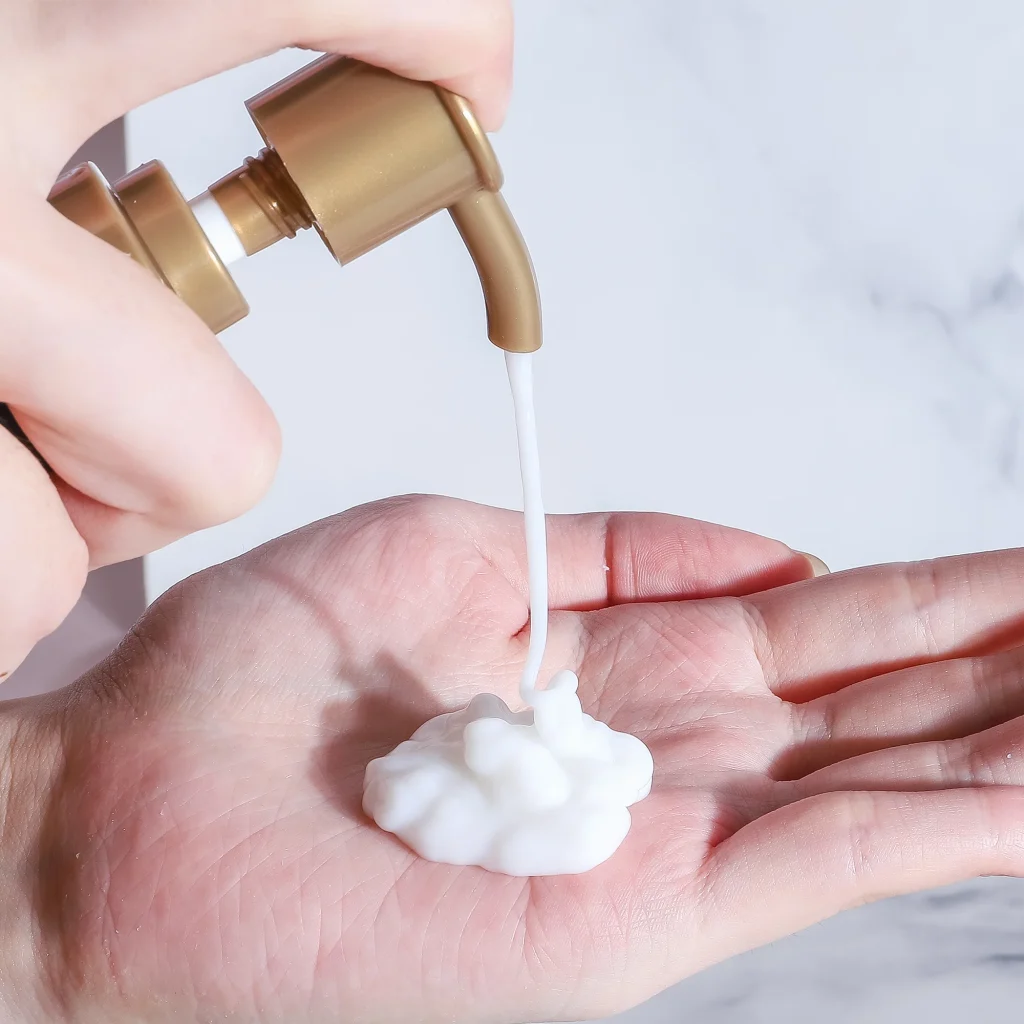
Observe whether the formula is watery, creamy, thick, gel-like, or lightweight. Check whether its consistency is appropriate for the product category and packaging.
For example, a lightweight hair serum should spread easily without feeling excessively greasy, while a rich hair mask may require a thicker consistency to match its intended positioning.
Also observe whether the texture remains consistent during repeated use.
Compare fragrance strength, character, and how it develops during application.
Consider whether the scent matches the brand’s target market and product positioning. A strong fragrance may appeal to some customers but be unsuitable for a product designed around a mild or minimalist experience.
Fragrance preferences can also vary across markets, so do not assume that one scent profile will suit every customer group.
Evaluate how easily the product spreads through the hair, whether it distributes evenly, and how easily it rinses off when applicable.
For leave-in products, observe absorption, residue, and whether the hair feels coated after application.
These details may seem subjective, but they can be assessed more consistently when the same evaluation criteria are applied to every sample.
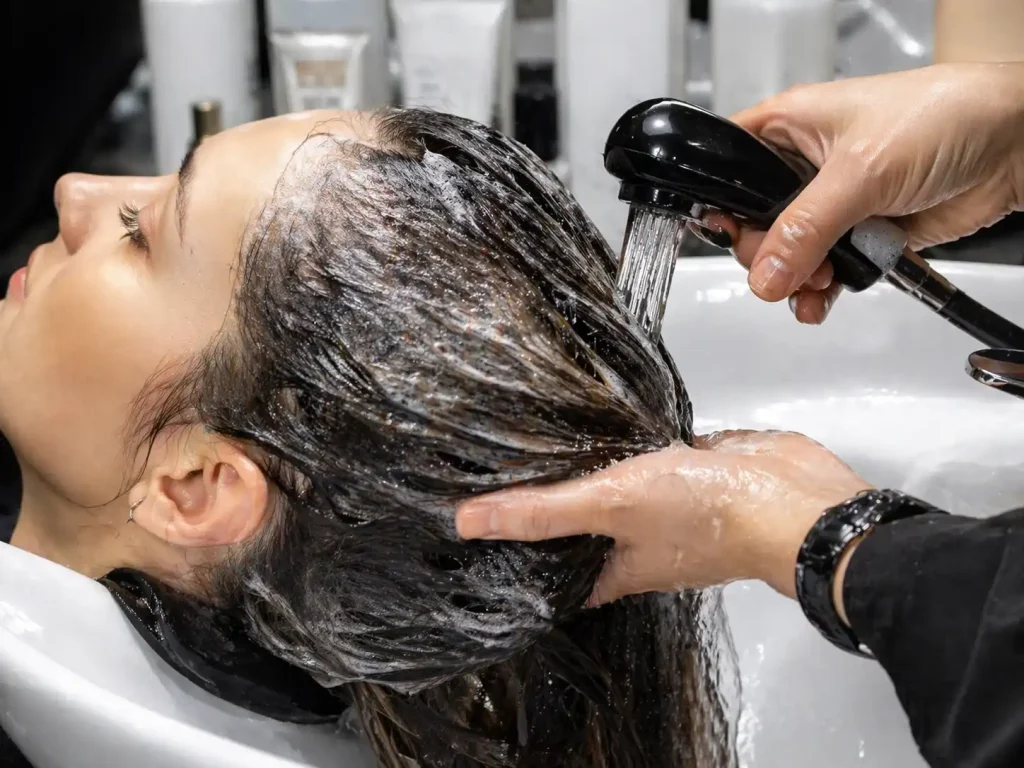
A fair comparison requires consistent testing conditions.
If one sample is tested on freshly washed hair and another is tested on hair with product buildup, the results may not be comparable. Differences in hair condition, product quantity, application time, and testing environment can influence the outcome.
For a more reliable evaluation:
Whenever possible, test formulas on hair that reflects the intended customer group.
For example, if the product is designed for bleached and damaged hair, testing only on untreated, healthy hair may not provide a meaningful indication of how the product will perform for its intended users.
It is also useful to collect feedback from multiple testers. One person’s preference should not determine the final formula selection.
A formula that performs well in an initial sample test is not automatically ready for commercial production.
Stability is an essential part of formula evaluation. Brands should understand whether the product maintains its intended physical and chemical characteristics during storage and whether it remains compatible with the selected packaging.
Depending on the formula, relevant evaluation points may include:
Manufacturers may use different testing methods depending on the product type and development requirements. Temperature-based stability studies and centrifuge testing can help identify potential physical instability, although these tests do not replace a complete stability assessment.
Packaging compatibility also matters. A formula may be suitable for a bottle but perform poorly in a pump, spray, or other dispensing system.
Before approving a formula, ask the manufacturer what testing has been completed, what the results indicate, and whether additional testing is required for the intended packaging and market.
A formula should also meet the ingredient and compliance requirements of the markets where the product will be sold.
Do not compare ingredient lists only by counting the number of ingredients or looking for familiar names. A longer ingredient list does not automatically indicate better performance, and the presence of a popular ingredient does not guarantee that the finished product delivers a particular benefit.
Instead, review the formula in relation to its intended function.
Consider:
Requirements differ between markets. A formula intended for sale in the EU, for example, must be assessed against the relevant EU cosmetics requirements, while products entering the US market must meet applicable US cosmetic regulations.
Ask manufacturers for the relevant ingredient information and supporting documentation before making a final decision. Regulatory suitability should be confirmed for the specific product and destination market rather than assumed from a sample’s performance.
The lowest formula price does not necessarily result in the most profitable product.
When comparing manufacturers, evaluate the total commercial implications of each formula.
A formula with a higher raw material cost may offer a better fit for premium positioning. Another may be more suitable for a competitive retail price because it delivers the required performance at a lower production cost.
Consider the following:
Formula cost: Compare the quoted cost at the same order quantity and with the same product specifications.
Minimum order quantity: Check whether the manufacturer can support your planned launch volume and future replenishment needs.
Packaging requirements: Different formulas may require different containers, pumps, closures, or dispensing systems.
Production feasibility: Confirm whether the formula can be produced consistently at the required scale.
Future scalability: Consider whether the manufacturer can support increased demand without compromising the approved product specifications.
A useful comparison should look at the complete product cost, not just the price of the formula itself.
A sample represents one development stage. Your brand needs the manufacturer to reproduce the approved formula consistently across commercial batches.
This is particularly important when comparing samples from different suppliers. A manufacturer may provide an impressive initial sample, but the more important question is whether the same product experience can be maintained during bulk production.
Before choosing a supplier, understand how the manufacturer manages:
Ask whether the manufacturer has defined product specifications and quality-control procedures for the formula you are evaluating.
For private label brands, consistency matters beyond the first order. Customers expect the product they purchase six months later to deliver the same experience as the original batch.
A reliable manufacturing partner should be able to explain how the approved sample is translated into production specifications and maintained throughout future orders.
Once you have evaluated the samples, organize the results in a comparison sheet. This makes it easier to identify differences and reduces the risk of choosing a formula based only on personal preference.
The following scorecard can be used as a starting point. Adjust the weight of each category according to the product’s purpose and brand positioning.
| Evaluation Criteria | Suggested Weight |
|---|---|
| Formula performance | 25% |
| Texture and application | 15% |
| Fragrance and sensory experience | 10% |
| Stability and packaging compatibility | 15% |
| Ingredient and regulatory suitability | 15% |
| Formula cost and commercial feasibility | 10% |
| Manufacturing consistency | 10% |
| Total | 100% |
Rate each sample from 1 to 5 for every category:
For criteria that have not yet been verified, mark them as pending rather than assigning a score. For example, a sample should not receive a high stability score simply because no visible separation has occurred during a short trial.
The final decision should consider both the overall score and any critical requirements. A formula that fails an essential regulatory or performance requirement should not be selected just because it scores well in other categories.
Comparing hair care formulas from different manufacturers is not simply about finding the sample with the best texture or the lowest price. It is about identifying the formula that can deliver the intended customer experience, meet market requirements, support your brand positioning, and remain consistent in commercial production.
A clear product brief, standardized sample testing, technical evaluation, and commercial assessment can help your team make a more informed decision before moving into bulk production.
For private label brands, the right manufacturing partner should also offer enough formulation options to match different product concepts, hair concerns, and market needs. This gives your brand more flexibility to develop a product line around customer demand rather than being restricted to a manufacturer’s existing catalog.
PRO-TECHS is a hair care product manufacturer offering a wide range of high-quality formulas for private label brands, salons, and wholesale partners. From everyday hair care essentials to targeted treatments, we provide formulation options designed to meet different hair concerns, product requirements, and market needs. With in-house R&D and established manufacturing capabilities, we help brands turn product ideas into market-ready hair care products.