
Choosing a hair care factory is one of the most important decisions when developing professional hair products. The right manufacturing partner can help your brand achieve consistent quality, reliable supply, and long-term growth. The wrong choice can lead to unstable formulas, production delays, compliance problems, and damage to your brand reputation.
Before partnering with a hair care factory, brands should evaluate more than product price or production capacity. A professional manufacturer should have strong formulation expertise, reliable quality systems, and the ability to support your business development.
This article explains the 10 most important factors brands should check before selecting a hair care manufacturing partner.
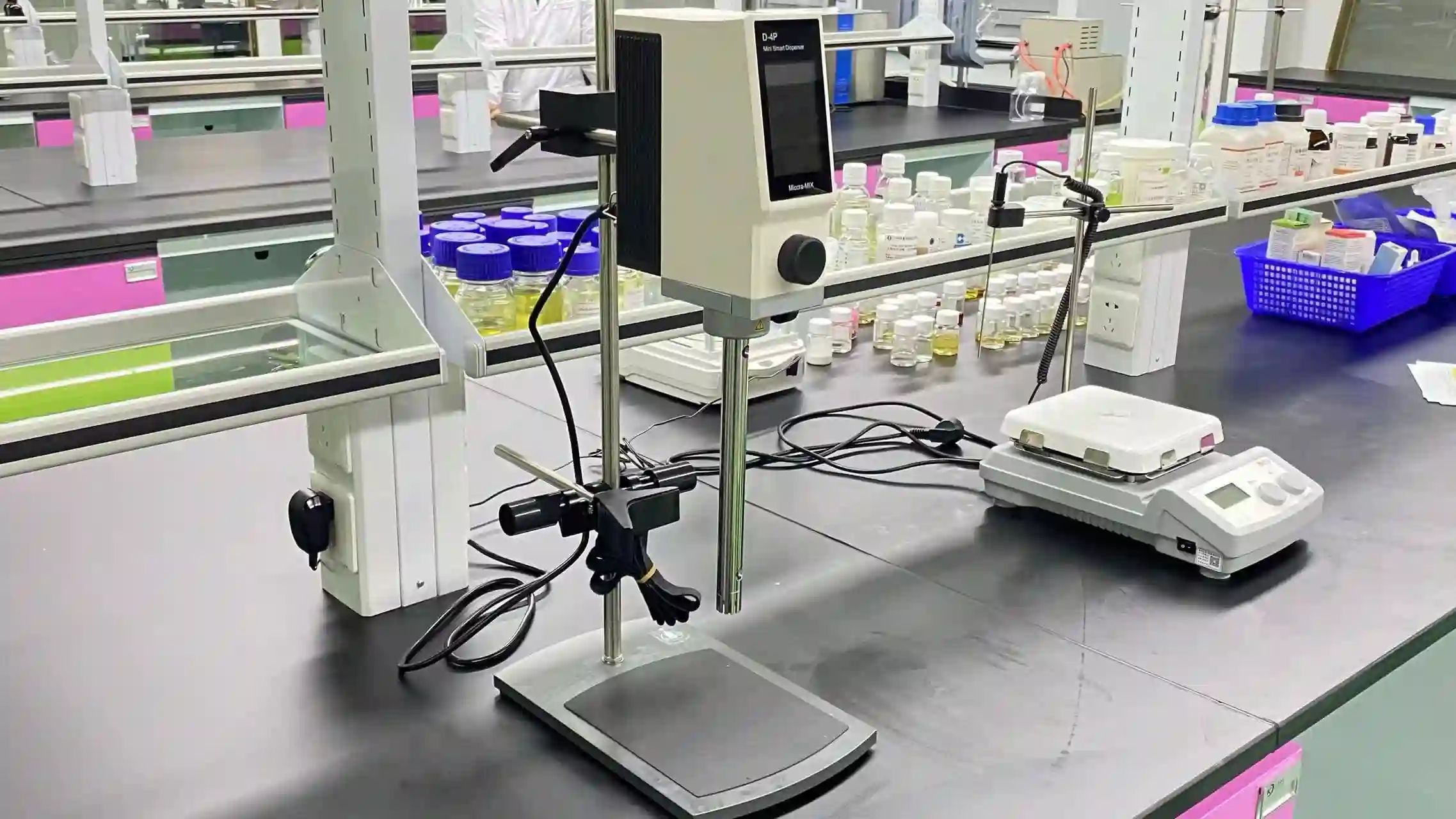
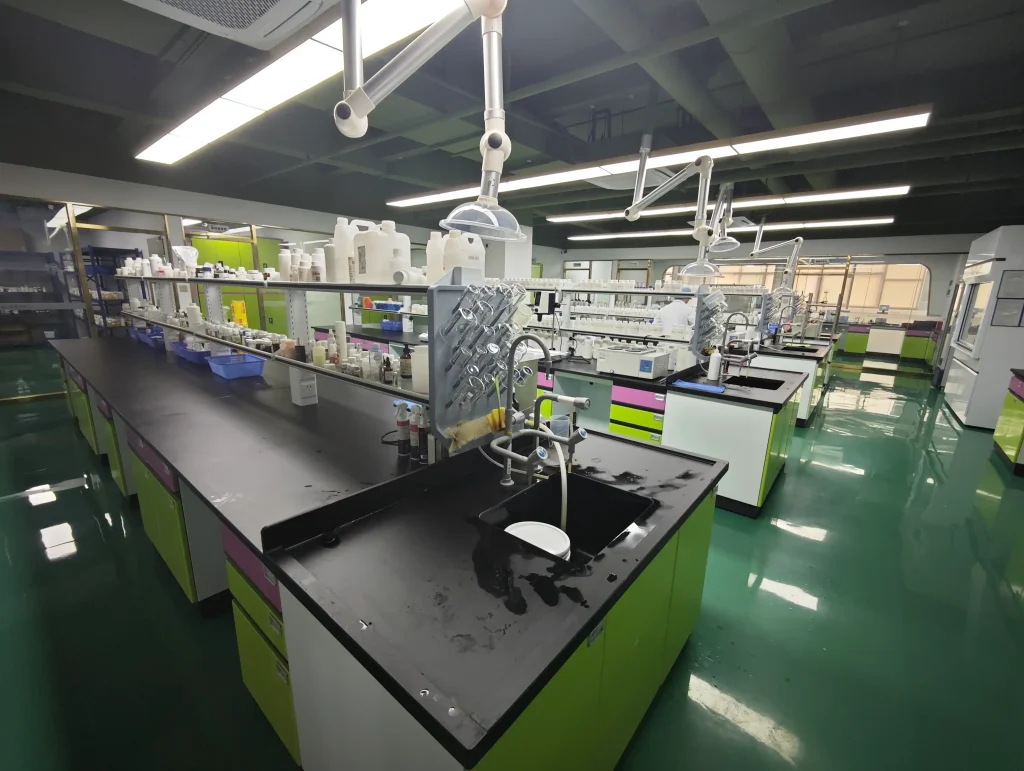
A professional hair care factory should not only produce products but also understand how to develop them.
Hair care formulas require technical knowledge in areas such as:
A factory with strong R&D capability can help brands create products that meet real market needs instead of simply producing basic formulas.
For example, developing a professional keratin treatment requires different technical expertise compared with producing a standard shampoo. The manufacturer needs to understand ingredient performance, application results, and user experience.
Ask the factory:
A strong R&D department is a sign that the manufacturer invests in product innovation.
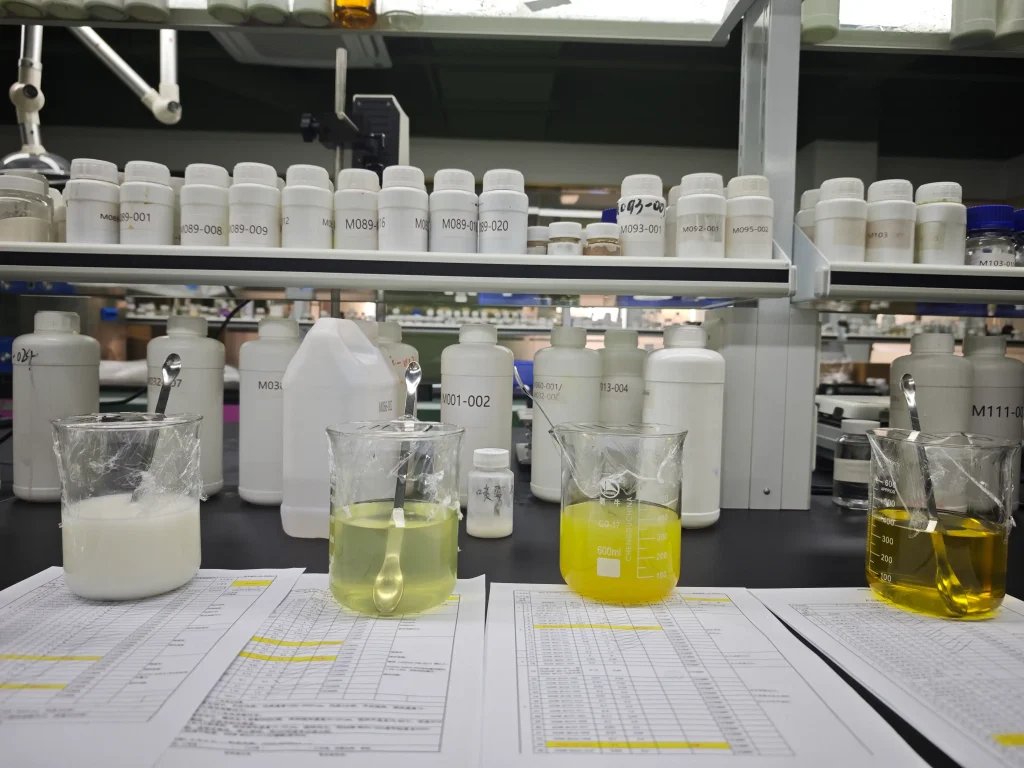
Not every hair care factory has experience with every type of product.
A manufacturer producing basic shampoo may not have the expertise required for advanced professional treatments.
Brands should evaluate whether the factory has experience with their specific category:
Industry-specific experience reduces development risks because the manufacturer understands technical challenges and customer expectations.
For example, a brand launching professional salon treatments should work with a manufacturer familiar with salon performance standards, not only consumer retail products.
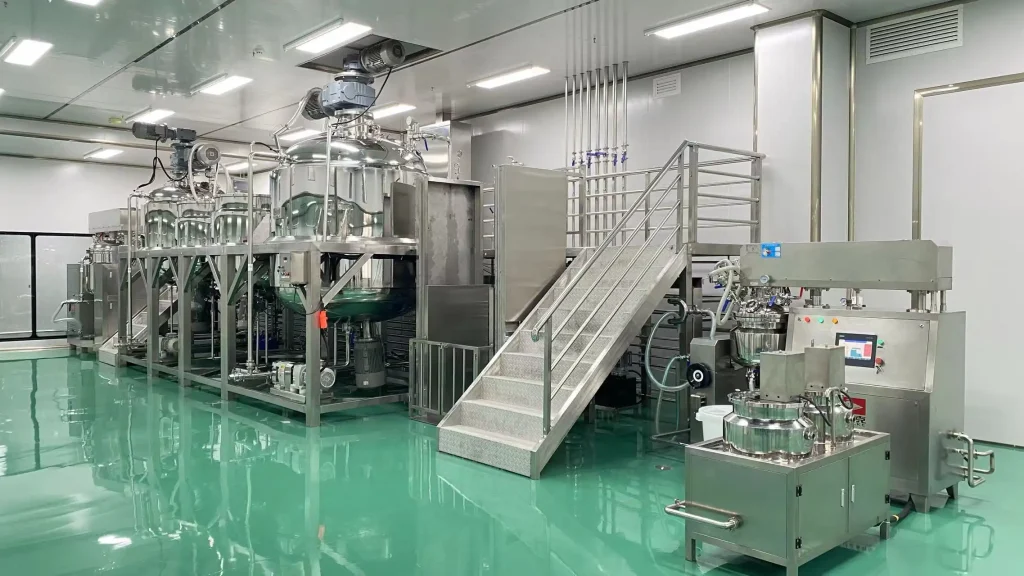
A reliable hair care factory should have sufficient production capability to support your business growth.
Important factors include:
A small facility may handle initial orders but struggle when demand increases.
Brands should consider not only current needs but also future growth.
A scalable manufacturing partner helps brands avoid supply problems as sales increase.
Product quality directly affects customer trust.
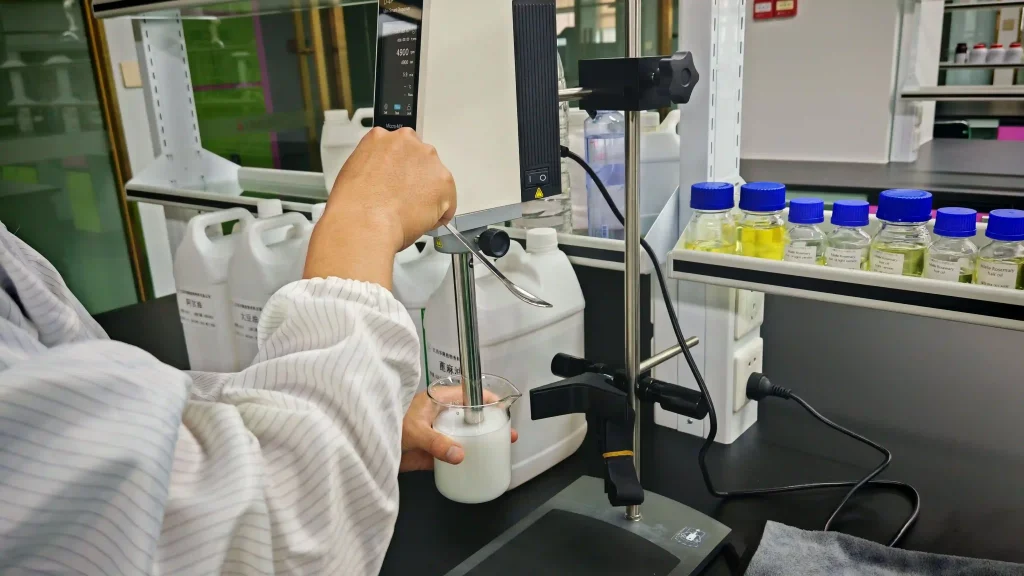
A professional hair care factory should have a complete quality control system covering the entire manufacturing process.
This includes:
Ingredients should be evaluated before production.
Manufacturing processes should be controlled to maintain consistency.
Final products should be checked for:
Quality control is especially important for private label brands because customers associate product performance directly with your brand, not the factory.
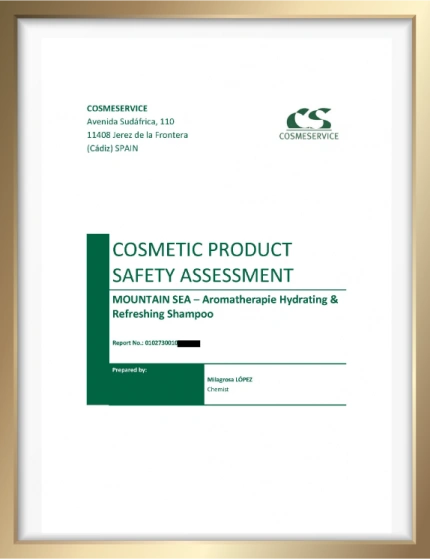
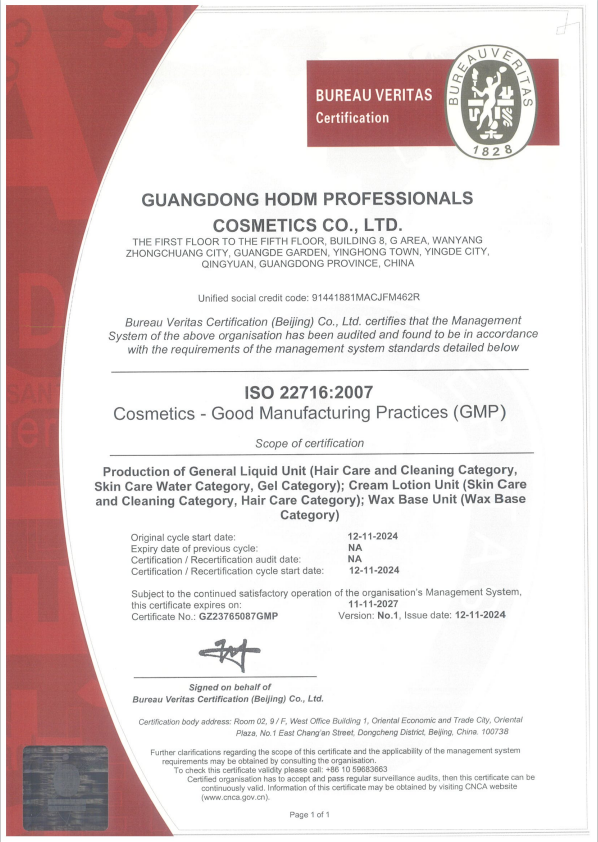
Certifications demonstrate that a factory follows recognized manufacturing standards.
Important certifications may include:
The requirements depend on your target market.
For brands selling internationally, compliance knowledge is essential because different regions may have different regulations regarding:
A professional manufacturer should understand these requirements and provide necessary documentation support.
A good hair care factory should provide solutions that match different brand stages.
Not every brand needs the same level of customization.
A flexible manufacturer should support:
Existing professional formulas with customized branding.
Suitable for:
Adjustments to existing formulas.
Examples:
Fully developed products based on brand requirements.
Suitable for:
The ability to provide multiple solutions shows that the factory can support long-term partnerships.
Modern consumers increasingly care about ingredients and product safety.
Brands should understand how a factory manages raw materials.
Important questions include:
A professional manufacturer should be able to explain why specific ingredients are selected and how they contribute to product performance.
Ingredient transparency also helps brands create stronger marketing communication.
MOQ is an important consideration, especially for new brands.
A factory with extremely high MOQ requirements may create unnecessary inventory pressure.
Brands should evaluate:
The ideal partner should balance manufacturing efficiency with the needs of growing brands.
A flexible production strategy allows businesses to test products, collect market feedback, and expand gradually.
Manufacturing partnerships require continuous communication.
A factory may have excellent technical capabilities, but poor communication can create delays.
Evaluate:
A professional manufacturer should provide clear updates during:
Good communication reduces misunderstandings and improves project efficiency.
The best hair care factories are not only suppliers; they are strategic partners.
A strong manufacturing relationship should support your brand through different growth stages.
Future needs may include:
Before choosing a factory, consider whether they can support your long-term vision.
A manufacturer that only focuses on one order may not provide the strategic value needed for sustainable growth.
The lowest manufacturing price does not always create the lowest business cost.
Poor quality products can lead to:
A factory that only produces existing formulas may limit your ability to differentiate.
Product innovation is increasingly important in the competitive hair care market.
A professional appearance online does not always reflect manufacturing capability.
Brands should verify:
before making a decision.
Selecting a hair care factory is not simply choosing a production supplier. It is choosing a partner that influences your product quality, market competitiveness, and future growth.
Before working with a manufacturer, brands should carefully evaluate R&D capability, manufacturing experience, quality control, certifications, customization options, and long-term partnership potential.
The right hair care manufacturer provides more than production capacity. It provides the technical expertise, reliability, and support needed to transform product ideas into successful professional hair care brands.
For businesses developing private label hair products, investing time in choosing the right manufacturing partner is one of the most important steps toward building a sustainable brand.

PRO-TECHS combines professional formulation expertise, advanced production facilities, and strict quality control to help brands develop reliable hair care products. From private label solutions to customized formulations, our Manufacturing & R&D team provides the technical support needed to bring your product ideas to market.