




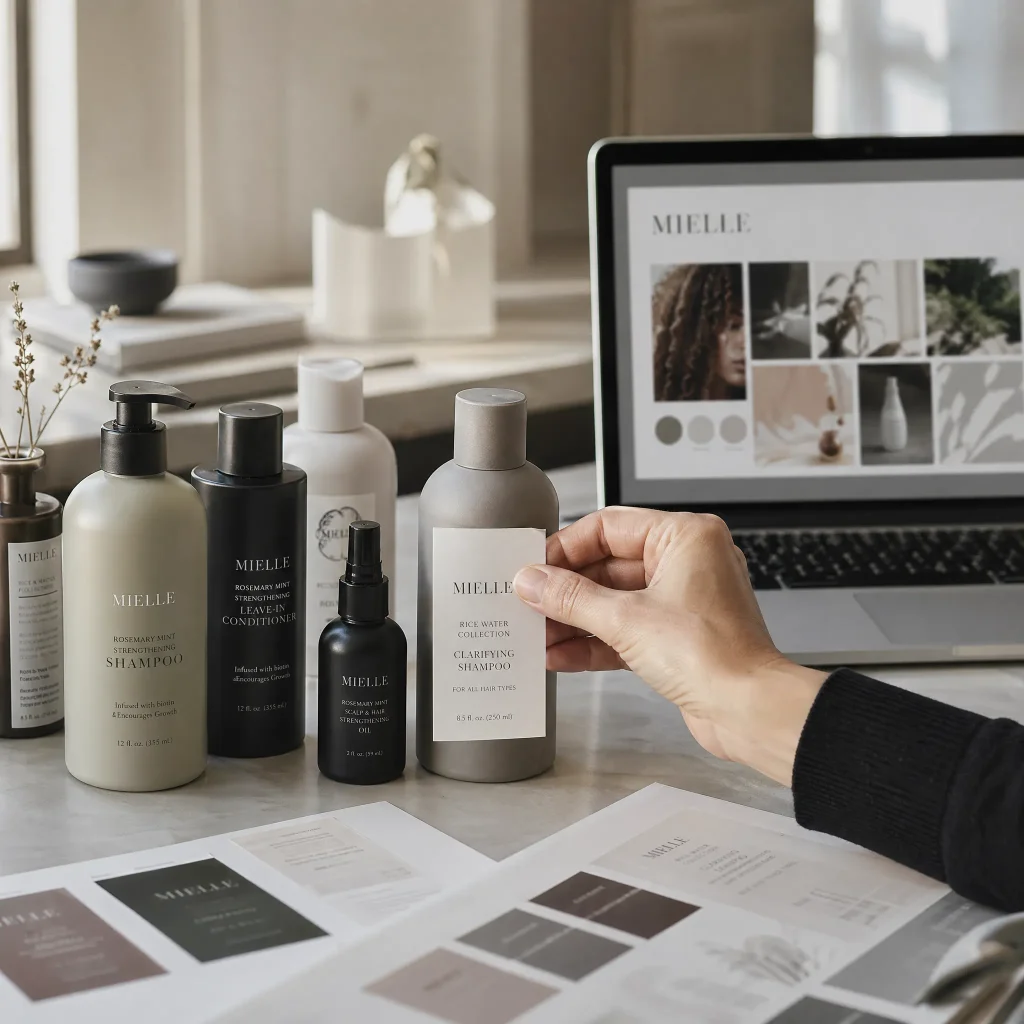
Yes, small businesses can start private label hair care brands by partnering with experienced manufacturers that provide professional formulas, production support, and flexible customization options. Private label manufacturing allows small companies to enter the hair care market without building their own factory or R&D facilities.
The key to success is choosing the right product strategy, manufacturing model, and market positioning based on business goals.
Starting a hair care brand used to require significant investment in:
For many small businesses, these requirements created major barriers to entry.
Private label manufacturing changes this by allowing brands to use the expertise and resources of an established private label hair care manufacturer.
Instead of managing production internally, small businesses can focus on:
while the manufacturing partner handles technical development and production.
This makes private label one of the most practical ways for small companies to enter the professional hair care market.
Private label hair care is not limited to beauty startups. Different types of small businesses can benefit from this model.
For new entrepreneurs, private label provides a lower-risk entry point into the hair care industry.
Many founders understand their target customers and branding strategy but do not have expertise in:
A professional manufacturer can provide the technical foundation needed to turn an idea into a market-ready product.
For example, a founder targeting damaged hair consumers may create a focused repair collection including:
without developing every formula from scratch.
Start with proven professional formulas, validate customer demand, and expand the product line based on market feedback.
For small businesses, the goal should not be creating the largest product range. It should be creating a clear solution for a specific customer group.
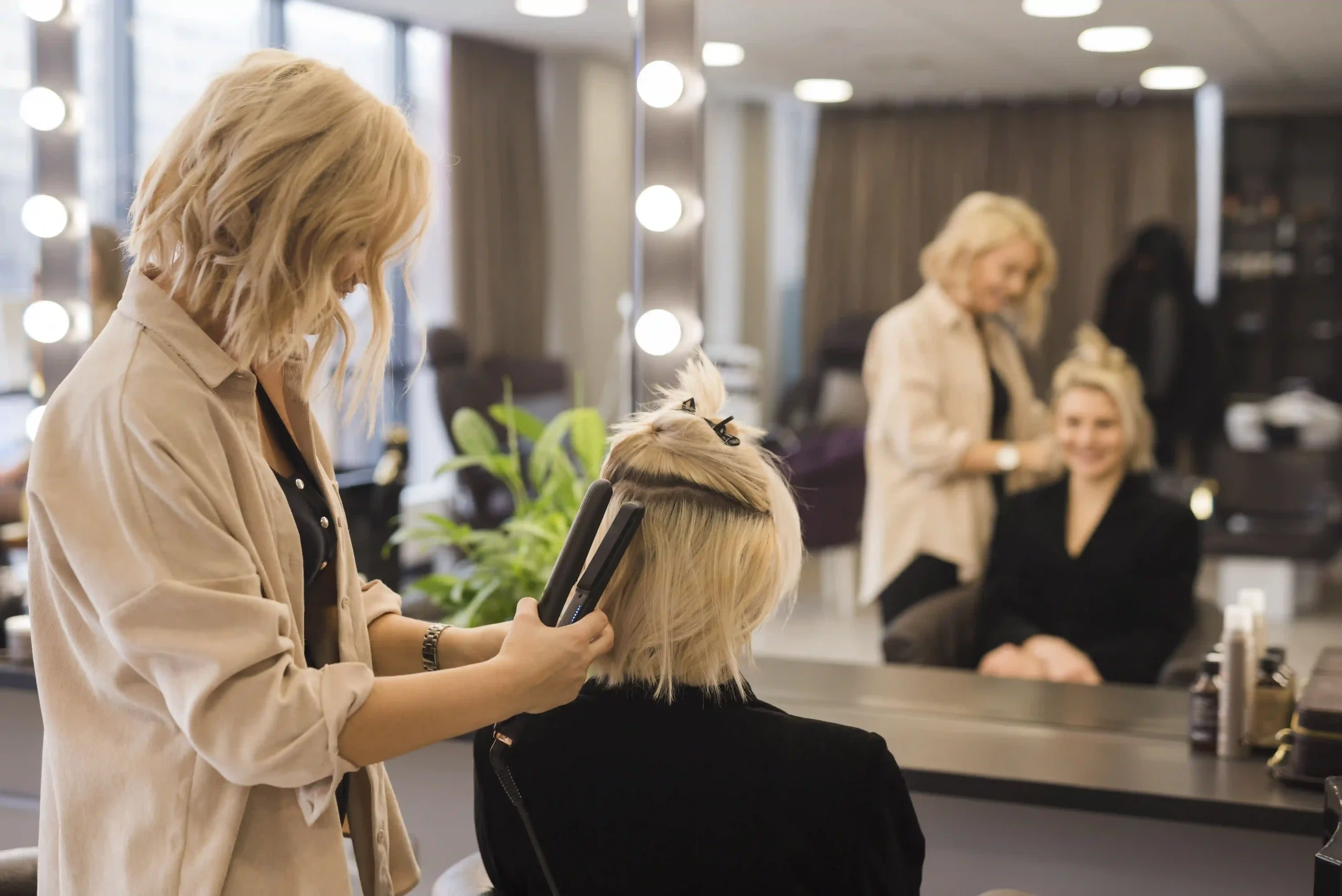
Salon businesses have a unique advantage because they already understand customer hair concerns.
They know:
This makes salons ideal candidates for private label hair care.
Examples include:
A salon can extend revenue beyond services by offering branded retail products that support the treatments customers receive.
Salon businesses should focus on products connected to their professional expertise.
For example, a salon specializing in smoothing treatments may create a maintenance system designed to help customers preserve salon results at home.
This creates a natural connection between service experience and product sales.

Small e-commerce brands can use private label manufacturing to compete through branding and customer relationships rather than factory ownership.
Online brands often succeed by focusing on:
However, competition in online beauty is high. A generic product with only a customized label is unlikely to create long-term success.
Small online brands should develop products around a specific market opportunity.
Examples:
The product should have a clear reason for customers to choose it.
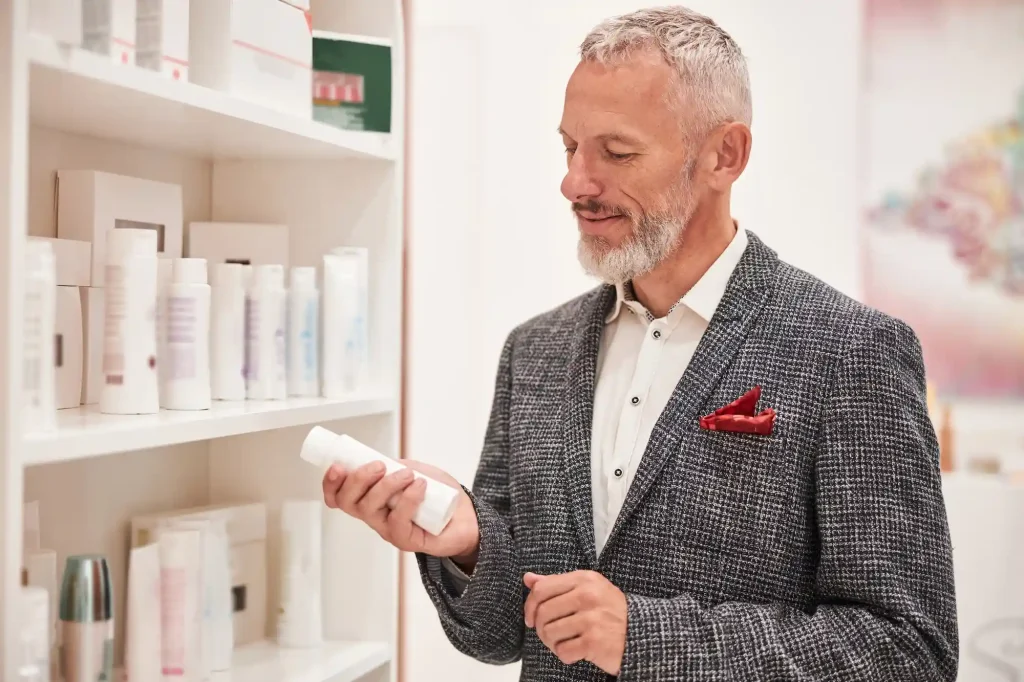
Cosmetic stores and beauty retailers can use private label manufacturing to move from selling other brands to owning their own products.
Benefits include:
Instead of competing with many retailers selling identical products, private label allows businesses to create unique product collections.
Retailers should analyze their existing customer base before developing products.
The best private label opportunities usually come from understanding what customers already want but cannot easily find.
Not every small business needs the same level of product customization.
The right approach depends on:
This is usually the best starting point for small businesses.
The manufacturer provides existing professional formulas, and the brand customizes:
Advantages:
This approach is suitable for businesses that want to test the market before making larger investments.
Semi-custom development provides more differentiation while maintaining a reasonable timeline.
Brands can customize:
This option works well for growing businesses that already understand their customers and want products with stronger market uniqueness.
Fully custom development allows brands to create exclusive products based on specific requirements.
This may include:
However, it requires:
For small businesses, custom formulation should be considered when the product differentiation creates clear commercial value.
Launching too many products increases:
A focused collection with one or two hero products is often a smarter starting point.
Successful hair care products solve specific needs.
Examples:
| Customer Need | Suitable Product Category |
|---|---|
| Damaged hair | Repair treatments |
| Dry hair | Moisturizing products |
| Treated hair | Aftercare systems |
| Frizz control | Smoothing products |
| Daily maintenance | Shampoo and conditioner |
Product selection should begin with customer demand, not only market trends.
Small businesses need more than a supplier. They need a manufacturing partner that can provide:
A reliable private label hair care manufacturer can help small brands avoid common product development mistakes and build a stronger foundation.
Many founders understand branding but lack technical knowledge about hair care formulation.
A professional manufacturer can provide guidance on:
Small businesses should carefully manage:
Starting strategically is usually more effective than investing heavily before understanding market demand.
Customers need confidence before purchasing from a new hair care brand.
Small businesses should focus on:
Small businesses can successfully start private label hair care brands by choosing the right products, manufacturing model, and growth strategy.
Private label manufacturing removes many traditional barriers by providing access to professional formulas, R&D expertise, and production capabilities without requiring businesses to build their own facilities.
The most successful small brands are not those with the largest product range. They are the brands that understand their customers, solve specific hair care problems, and build strong product positioning.
By partnering with an experienced private label hair care manufacturer, small businesses can transform their ideas into professional hair care products and create a scalable brand foundation.