


Many hair brand owners mix up fragrance-free and unscented when creating private label shampoo, scalp serums and conditioners. These two terms are not interchangeable — and mislabeling can trigger Amazon policy warnings, EU allergen non-compliance, allergic customer complaints and costly product recalls.
For OEM formulation, the core difference is simple:
Fragrance-Free = compositional claim (no fragrance ingredients added)
Unscented = sensory claim (no noticeable smell, masking fragrance may be included)
This guide breaks down formulation rules, regulatory risks, target customer groups and how to pick the right claim for your private label hair line.
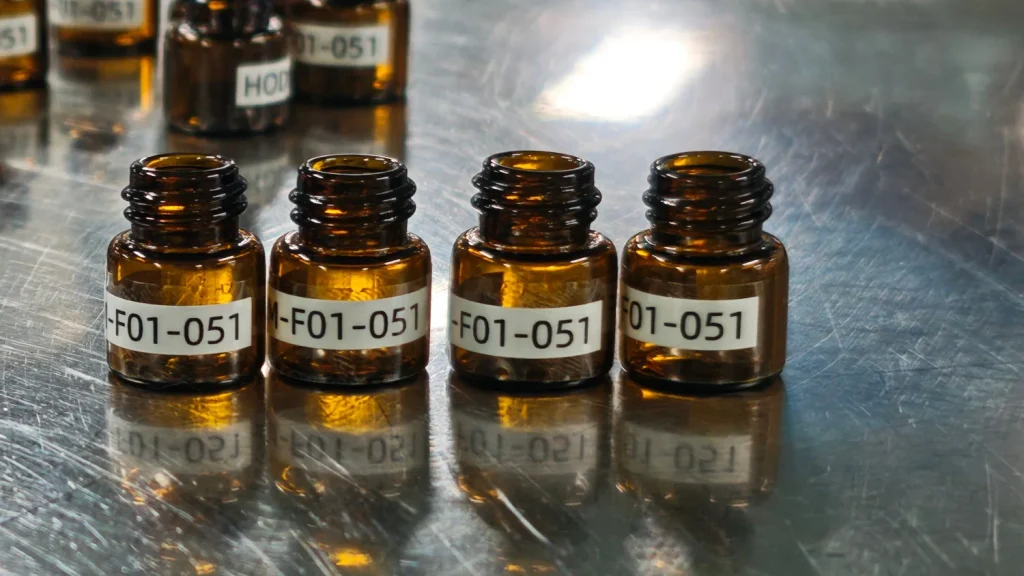
Fragrance-free means no fragrance, parfum, essential oils or masking aroma ingredients are intentionally added into the hair formulaUnited Sta…. The product may still carry a subtle natural odour from base raw materials, such as plant extracts, hydrolyzed keratin or surfactants. That faint natural smell is allowed.
✅ OEM formulation rules we follow for fragrance-free hair SKUs:
✅ Best target buyers:
Sensitive scalp, eczema-prone scalp, postpartum hair care, kids hair care, customers with fragrance allergy.
✅ Marketing strength: higher trust, strong clean-beauty selling point.
⚠️ Limitation: You cannot guarantee it will smell “completely blank” — raw materials have natural odours. This is the most common misunderstanding from brand buyers.
Unscented only promises one thing: the finished hair product has no obvious, recognizable scent to the nose. To eliminate the unpleasant natural odour of surfactants, preservatives or active actives, formulators often add masking fragrance. Masking agents are still fragrance ingredients and carry allergen risks, even if you cannot smell them.
✅ OEM formulation rules for unscented hair SKUs:
✅ Best target buyers: Customers who dislike strong perfume scent but do NOT have fragrance allergies.
⚠️ Critical risk: You cannot market unscented products as suitable for fragrance-sensitive users. This is a misleading claim and violates US FTC / EU cosmetic rules.
| Item | Fragrance-Free | Unscented |
|---|---|---|
| Claim type | Compositional (what’s NOT in formula) | Sensory (how it smells) |
| Added fragrance / masking agents | ❌ None | ✅ May contain masking fragrance |
| INCI label “fragrance/parfum” | Should not appear | May appear |
| Natural raw material odour | May exist | Neutralised |
| Safe for fragrance-allergic scalp | Yes | Not guaranteed |
| Amazon / compliance risk | Lower if documented | Higher (easy to overclaim) |
| Formulation difficulty | Higher, careful raw material screening | Lower |
Important for brands selling on Amazon, Shopify and EU markets:
A: Yes. We can develop a true fragrance-free formula with carefully selected low-odour raw materials, so it has almost no natural smell, without adding any masking fragrance. This is the premium version, with higher R&D cost.
A: No. This is misleading labeling and will expose your brand to compliance penalties and returns.
A: Some have a mild, neutral raw-material smell. Our lab can select refined low-odour raw materials to minimize this, but we cannot remove natural inherent odour without adding masking fragrance.
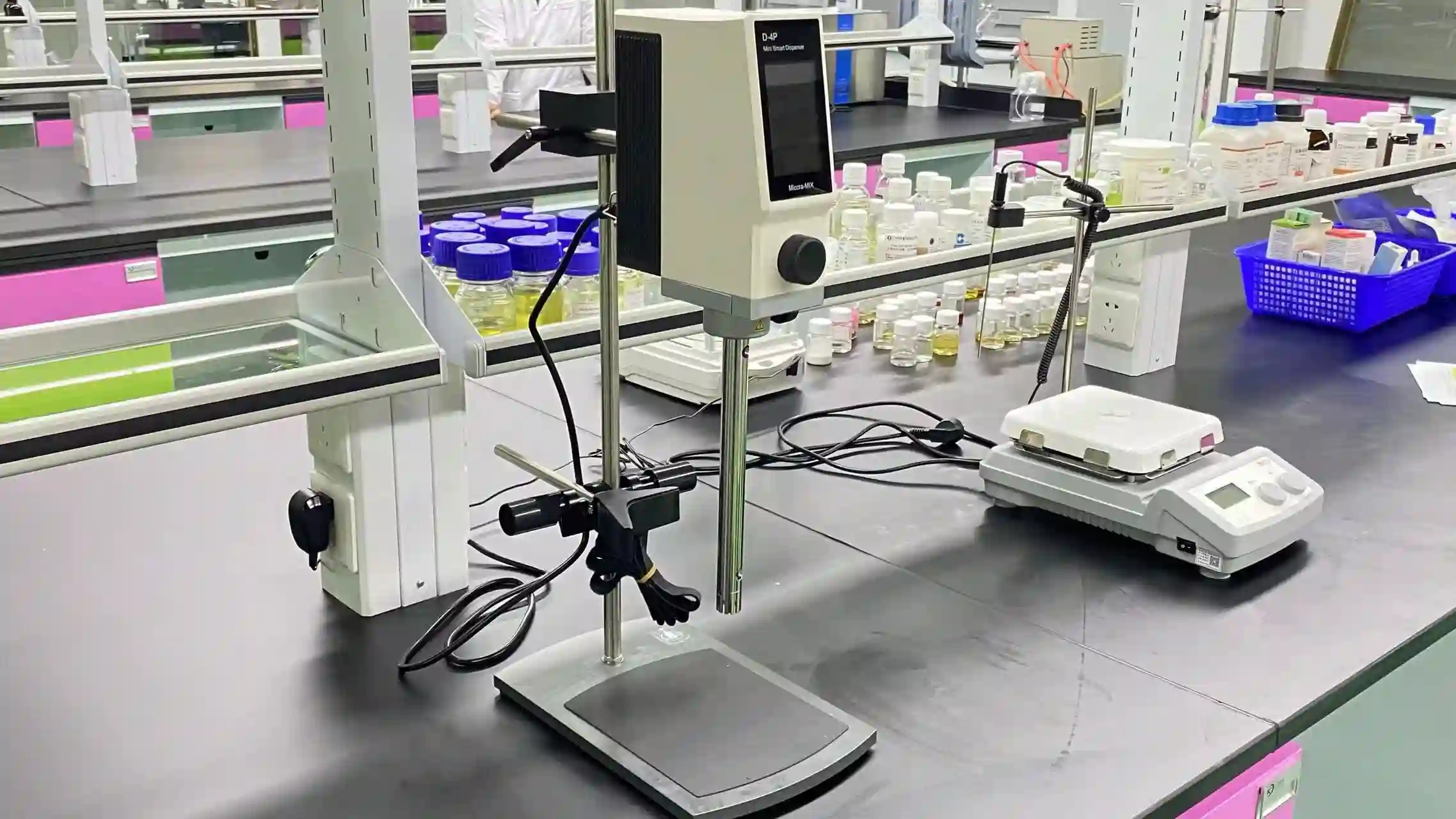
Our OEM lab develops true fragrance-free and unscented hair formulas with full allergen documentation for US and EU markets. Contact us to discuss formulation options, review label claim risks and order samples.