

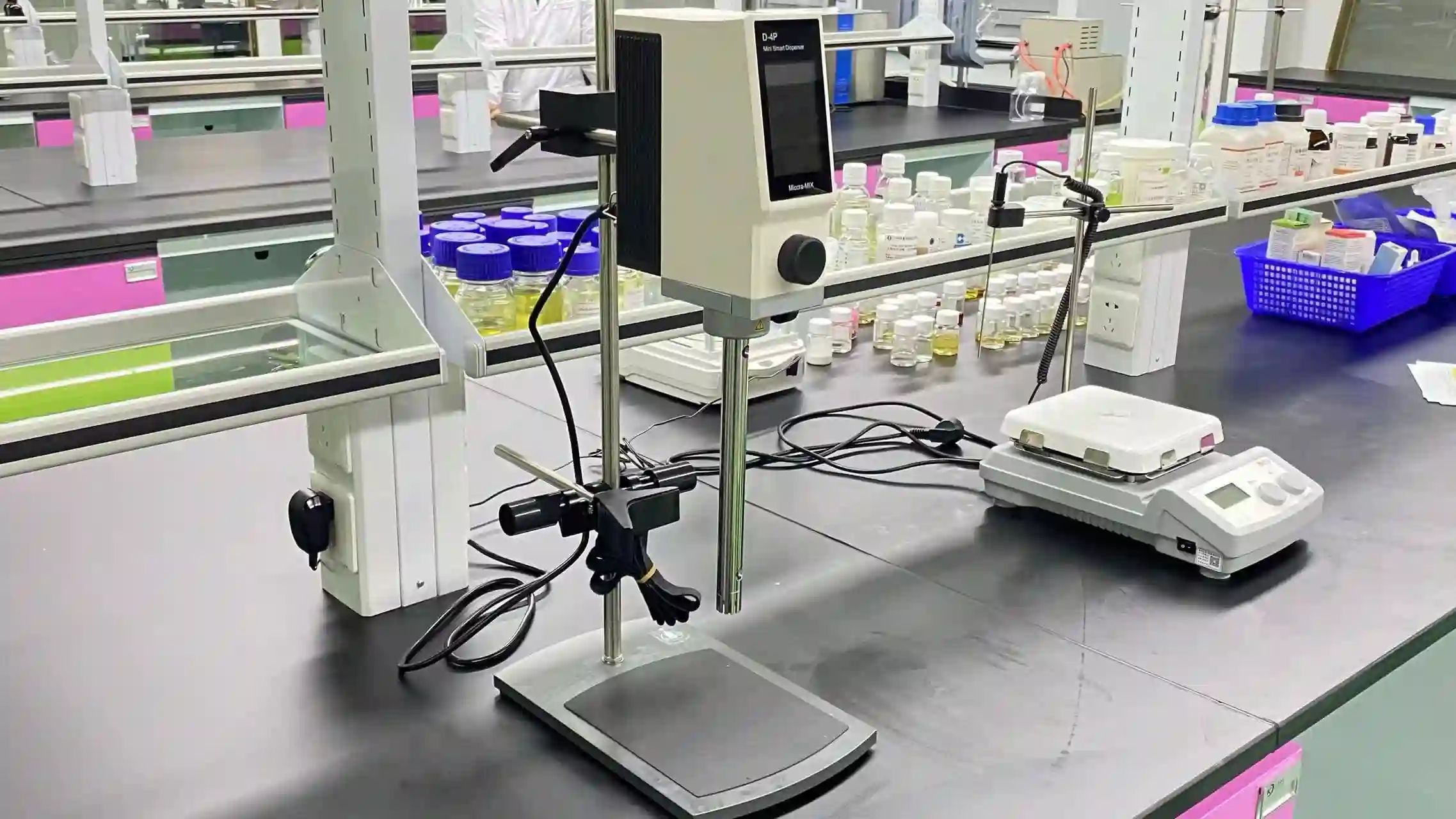
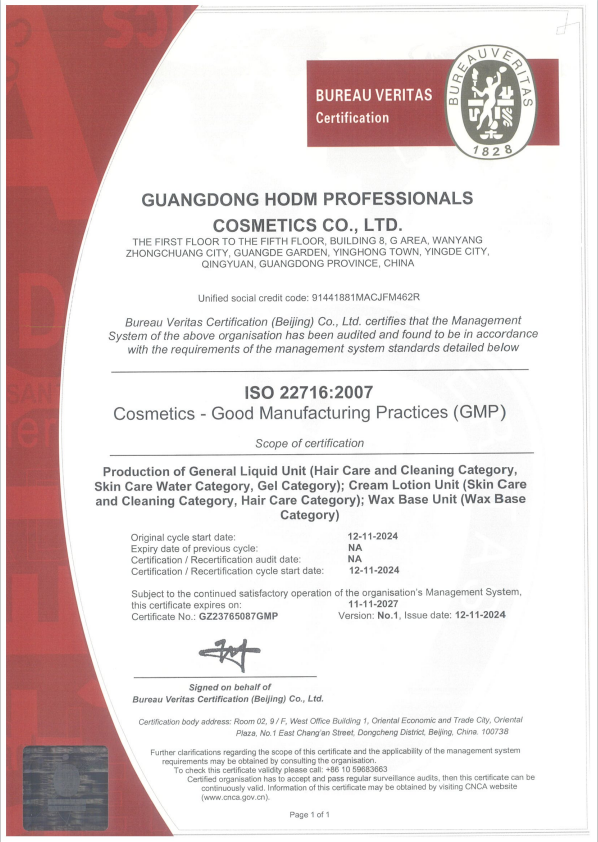
A GMP certified hair care factory ensures that products are manufactured under controlled conditions with strict requirements for quality, safety, consistency, and production management.
For brands developing private label hair products, choosing a manufacturer is not only about formula quality or production cost. The manufacturing environment directly affects product reliability, customer trust, and long-term brand reputation.
A professional hair care product represents your brand every time a customer uses it. If production standards are inconsistent, even a strong formula can fail in the market.
This is why working with a GMP certified hair care factory is an important consideration for brands, salons, distributors, and beauty companies looking for a reliable manufacturing partner.
GMP stands for Good Manufacturing Practice.
In the cosmetic and personal care industry, GMP refers to a set of manufacturing guidelines designed to ensure products are consistently produced and controlled according to defined quality standards.
GMP does not simply evaluate the final product. It focuses on the entire manufacturing system, including:
A GMP certified hair care factory follows standardized procedures to minimize risks during production and ensure every batch meets established requirements.
Many brands focus heavily on formula development and marketing, but manufacturing quality is equally important.
Hair care products are complex formulations containing multiple ingredients, such as:
Small variations during production can affect:
GMP systems help manufacturers control these variables and maintain consistent product quality.
One of the biggest challenges in hair care manufacturing is maintaining consistency between production batches.
Customers expect the same experience every time they purchase a product.
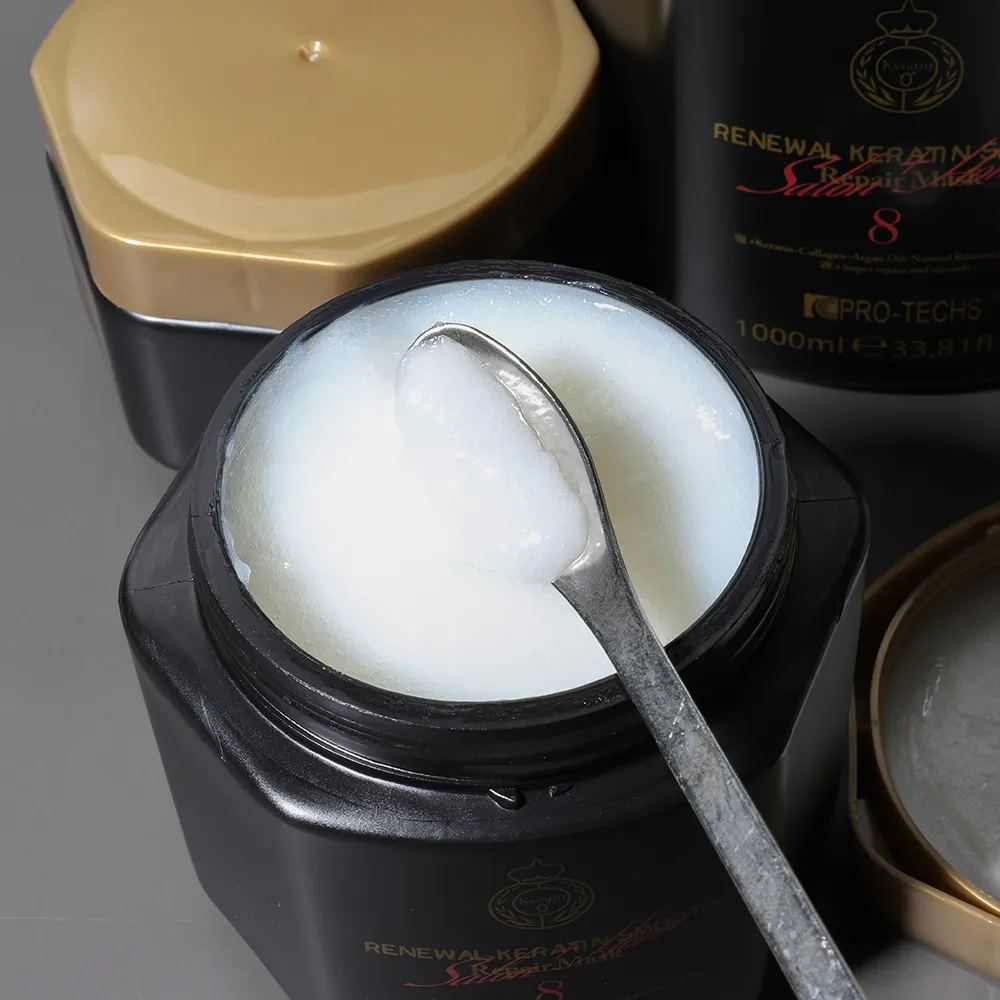
For example, a professional hair mask should maintain the same:
whether it is produced today or several months later.
A GMP certified factory uses controlled procedures to ensure manufacturing consistency.
This includes:
Manufacturing steps are clearly defined and monitored.
Examples:
Standardization reduces human error and improves batch-to-batch consistency.
The quality of a hair care product starts with the quality of its ingredients.
A professional GMP system requires manufacturers to properly manage raw materials, including:
Before ingredients enter production, they should be evaluated to ensure they meet required specifications.
This is especially important for professional hair care products where ingredient performance directly influences results.
For example, variations in:
can impact the final product experience.
A GMP certified manufacturer has systems in place to control these risks.
Safety is one of the most important responsibilities of a cosmetic manufacturer.
GMP helps factories establish procedures for:
Hair care products must remain safe throughout their shelf life.
A GMP manufacturing system supports processes such as:
Ensuring products meet safety requirements.
Confirming formulas maintain:
during storage.
Maintaining production records allows manufacturers to identify and address issues efficiently if needed.
For private label hair care brands, manufacturing reliability is especially important.
Unlike large companies with internal production teams, private label brands depend heavily on their manufacturing partners.
A GMP certified hair care factory provides confidence in areas such as:
This allows brands to focus on:
while the manufacturer manages the technical production process.
Many hair care brands sell across multiple countries.
Different markets may have different expectations regarding:
Working with a GMP certified manufacturer can make international business development easier because the factory already follows recognized quality management principles.
For brands planning to expand into:
manufacturing compliance becomes an important competitive advantage.
The difference between GMP and non-GMP manufacturing is mainly the level of process control.
| Factor | GMP Certified Factory | Non-GMP Factory |
|---|---|---|
| Production Procedures | Standardized and documented | May vary |
| Quality Control | Structured inspection systems | Less controlled |
| Raw Material Management | Supplier and batch tracking | May be limited |
| Manufacturing Consistency | Higher reliability | Greater variation risk |
| Documentation | Complete records | Limited records |
For professional hair care brands, consistency and reliability are critical because product performance directly affects customer satisfaction.
Before selecting a manufacturing partner, brands should evaluate more than the certificate itself.
Important questions include:
A strong manufacturer should be able to clearly explain its quality management system.
Although GMP certification is important, it should not be the only evaluation factor.
A successful manufacturing partnership also requires:
A manufacturer should understand:
Experience in your specific category matters.
For example:
require different expertise compared with basic cleansing products.
Brands often need flexibility as they grow.
A strong manufacturer should support:
GMP provides the quality foundation, while R&D capability creates product competitiveness.
A GMP certified hair care factory provides brands with confidence that their products are manufactured under controlled, consistent, and quality-focused conditions.
For private label brands, distributors, salons, and beauty companies, choosing a GMP-compliant manufacturing partner reduces production risks and supports long-term brand growth.
However, the best manufacturing partner combines GMP standards with strong R&D expertise, advanced production capabilities, and the ability to develop products that meet market demands.
When selecting a hair care manufacturer, GMP certification should be considered a fundamental requirement — not the final decision. A reliable partner should provide both manufacturing excellence and technical support to help transform product concepts into successful hair care solutions.
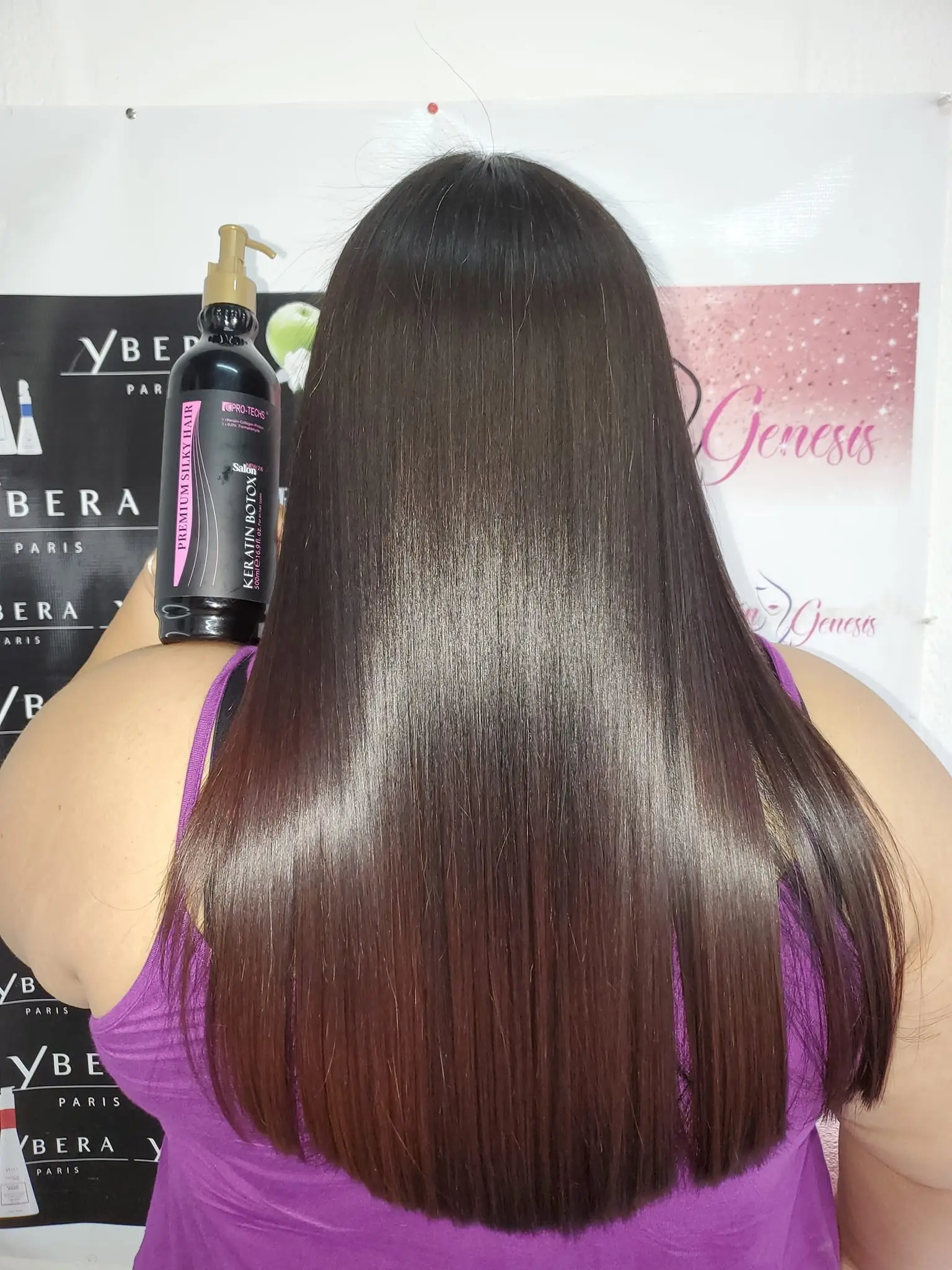
We produce every keratin treatment batch under strict Good Manufacturing Practice (GMP) standards – certified by international authorities. That means consistent quality, documented safety, and full traceability from raw material to finished bottle.
You’re not just buying keratin treatment; you’re partnering with a certified facility that takes your brand’s reputation as seriously as we take ours.