

September is a good time for hair care brands to look at the product categories gaining attention across different customer needs, from scalp care and hair growth to repair, styling, and daily maintenance.
For brands planning a new launch, the opportunity is not limited to following a single trend. The more practical approach is to identify product concepts that solve recognizable hair concerns and can fit naturally into a broader product line.
This month, we are highlighting seven hair care product concepts worth considering for a private label collection.
Hair growth and scalp-focused products continue to attract attention as consumers become more interested in treating hair health from the scalp rather than focusing only on the appearance of the hair shaft. Current beauty coverage also points to scalp care and hair-loss solutions as an increasingly important part of the hair care category.
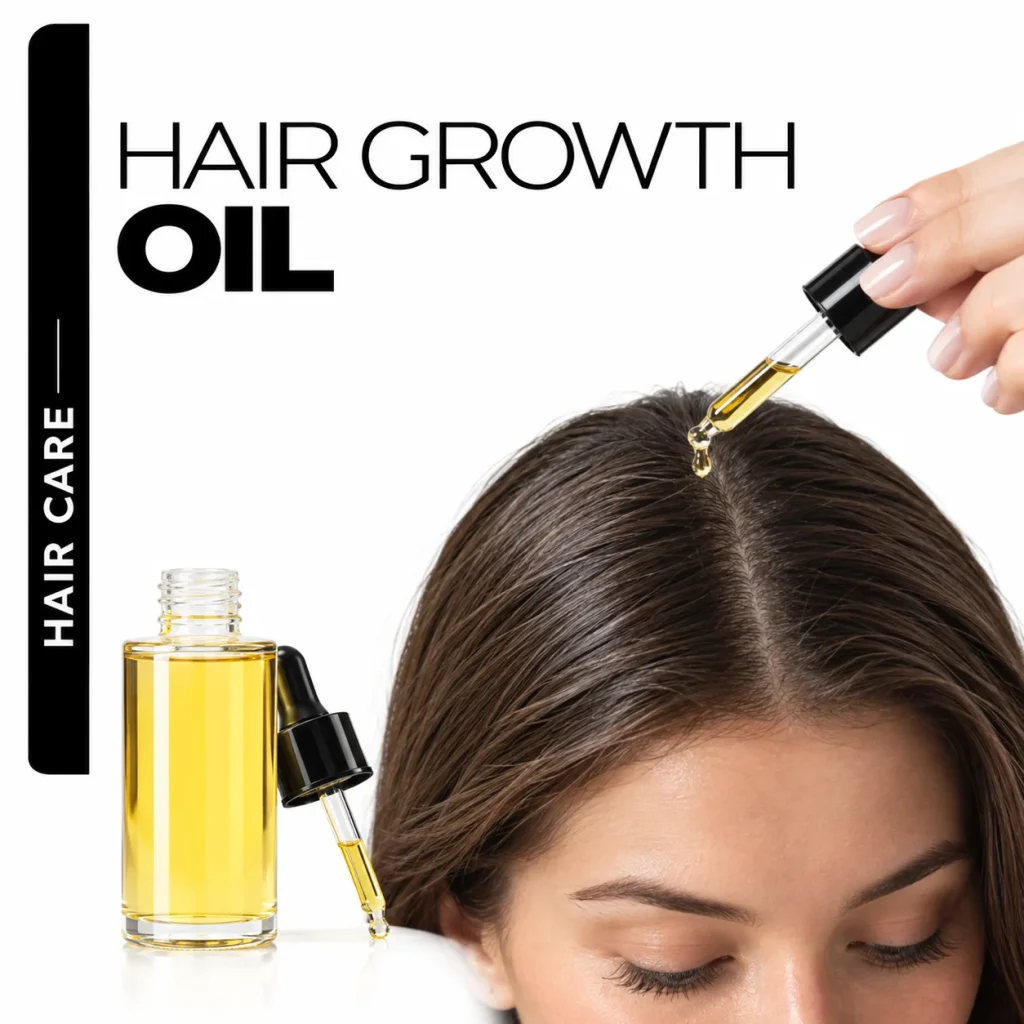
A Hair Growth Oil gives brands a relatively straightforward way to enter this category. Depending on the formulation concept, it can combine botanical oils and extracts with a lightweight oil texture designed for scalp massage and regular use.
For brands, the opportunity is not simply to create another hair oil. The product can become the foundation of a broader scalp-care system, alongside a growth-focused shampoo, conditioner, scalp serum, or treatment.
Why we’re highlighting it: Scalp care gives brands room to build a more specialized product line around a clearly defined customer concern rather than competing only on general moisturizing or shine claims.
Suitable for: Hair growth collections, scalp-care brands, natural hair care lines, and targeted treatment ranges.
Hair damage remains one of the most recognizable problems across bleaching, coloring, heat styling, and chemical services. In 2026, bond-repair treatments continue to receive significant attention as brands focus on products designed around structural hair concerns rather than basic conditioning alone.
A Bond Repair Treatment can be developed as a concentrated treatment, mask, leave-in treatment, or salon-oriented product depending on the intended customer and usage routine.
For a brand, this category can also create a stronger treatment story than a general “repair” product. Instead of simply positioning a mask around softness or moisture, the collection can focus on the needs of chemically treated or visibly damaged hair.
Why we’re highlighting it: Repair is a broad category, but bond-focused positioning gives brands an opportunity to build a more specific product concept around damaged and processed hair.
Suitable for: Professional hair care brands, color-care collections, damage-repair lines, and salon-focused products.
Color-treated customers have a simple ongoing need: maintain the appearance and feel of their hair between salon appointments.
A Color Protect Shampoo can be positioned around gentle cleansing, color maintenance, moisture, shine, and protection from the factors that can make treated hair look dull or dry.
It also has an important commercial role because shampoo is a repeat-use product. Unlike a treatment that may only be used occasionally, a well-positioned color-care shampoo can become part of a customer’s regular routine.
Why we’re highlighting it: A color-protect product can connect a salon service with an at-home routine, giving brands an opportunity to build a complete color-maintenance collection rather than relying on a single product.
Suitable for: Salon retail lines, color-care brands, professional hair care collections, and private label brands targeting chemically treated hair.
Curly and textured hair requires products designed around different styling and conditioning needs. Consumers increasingly expect hair care products to address their specific texture instead of relying on broad “all hair types” positioning. Current hair-care coverage also highlights more targeted formats for different textures and styling needs.
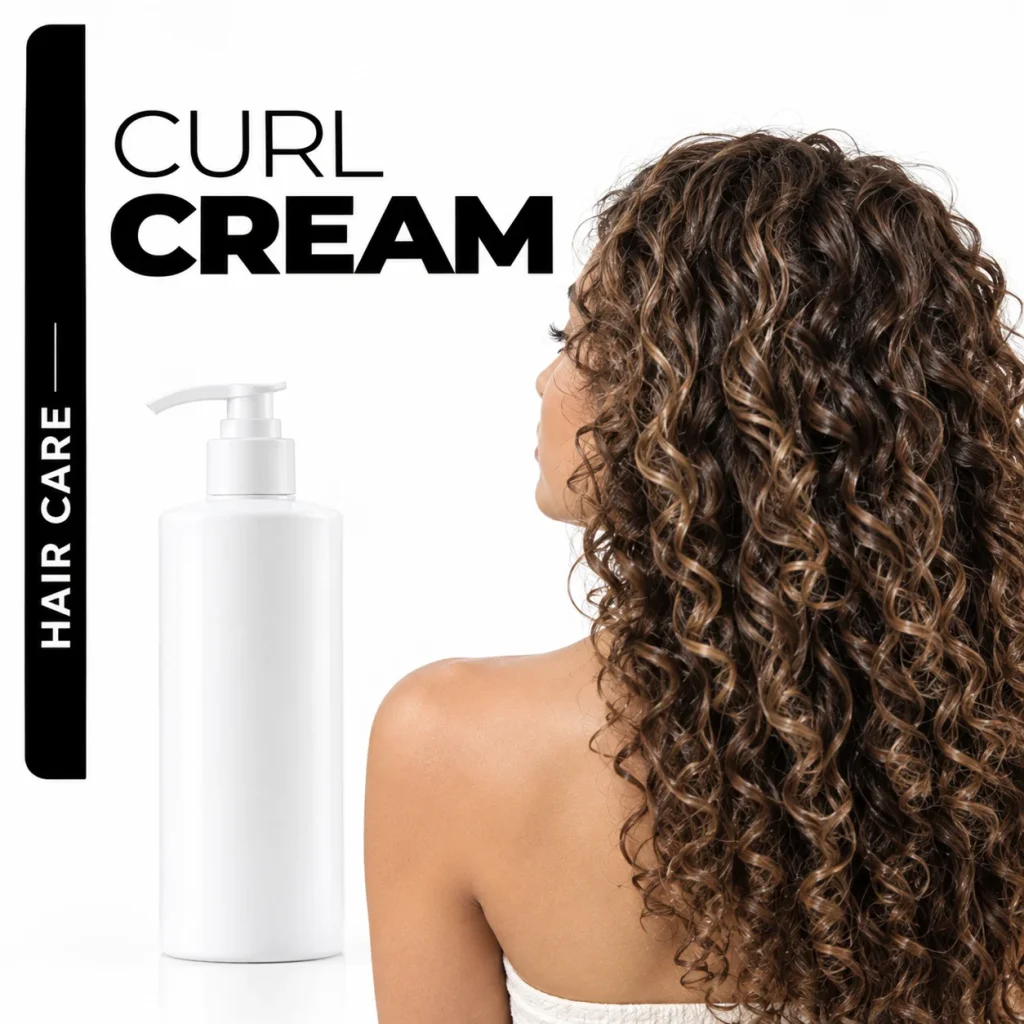
A Curl Cream can combine conditioning with styling performance, helping define curls while addressing frizz, dryness, softness, and manageability.
The format also works well within a larger curly-hair system. A brand could build around shampoo, conditioner, leave-in, curl cream, gel, and refresh products without forcing every SKU to perform the same function.
Why we’re highlighting it: Curl care allows brands to create a clearly defined customer segment and develop a complete product system around a specific hair texture.
Suitable for: Curly hair brands, textured hair collections, styling lines, and brands looking to expand beyond universal hair care.
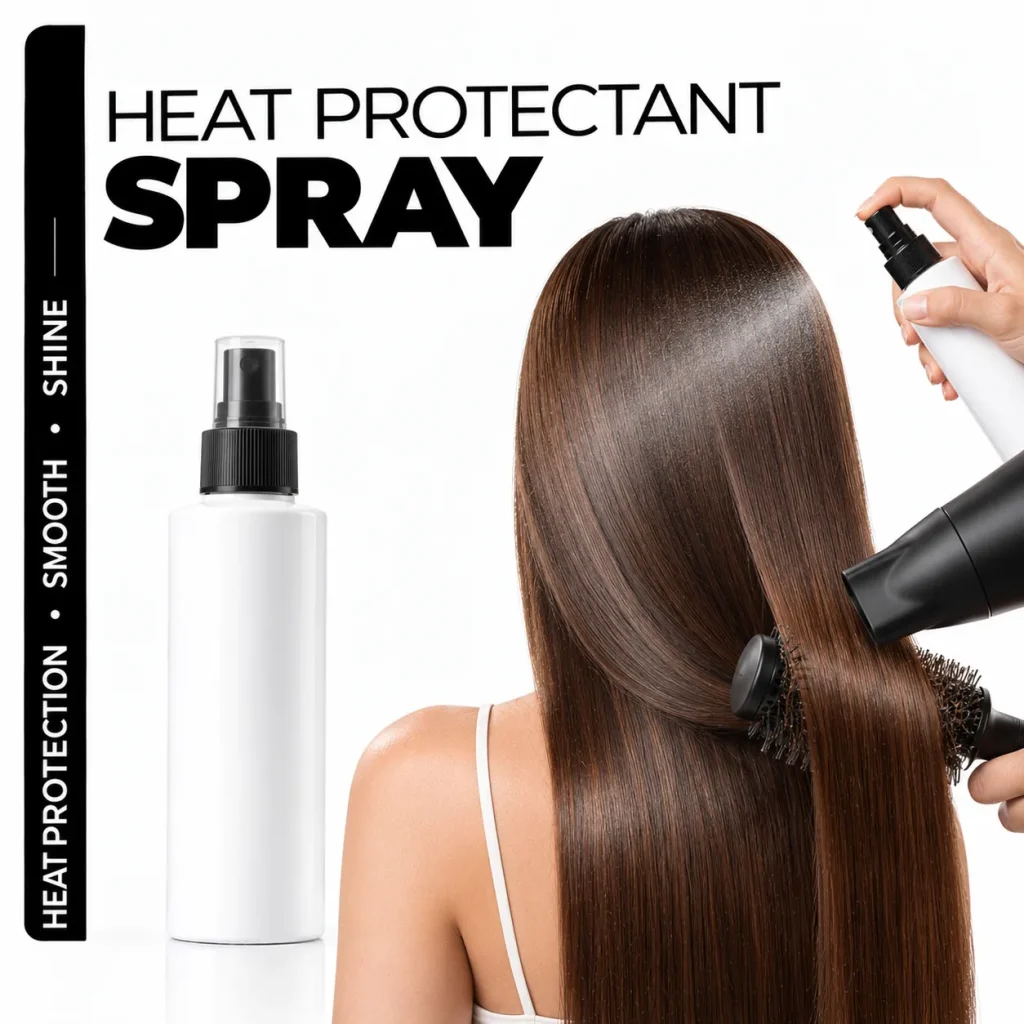
Heat styling is part of the regular routine for many consumers, making Heat Protectant Spray a practical product category for both salon and retail-focused brands.
Unlike a treatment product used once a week or a salon service performed periodically, a heat protectant can become part of a customer’s everyday styling routine. Depending on the formula, it can combine heat protection with conditioning, frizz control, shine, detangling, or lightweight styling support.
This multifunctional approach is increasingly relevant as hair care products are expected to deliver more value within a single routine. Current styling innovation is also moving toward products that combine hold or styling performance with hair-care benefits.
Why we’re highlighting it: A heat protectant can connect treatment, maintenance, and styling, making it a useful addition to both professional and consumer-facing hair care collections.
Suitable for: Styling brands, salon retail collections, heat-styling lines, and daily hair care ranges.
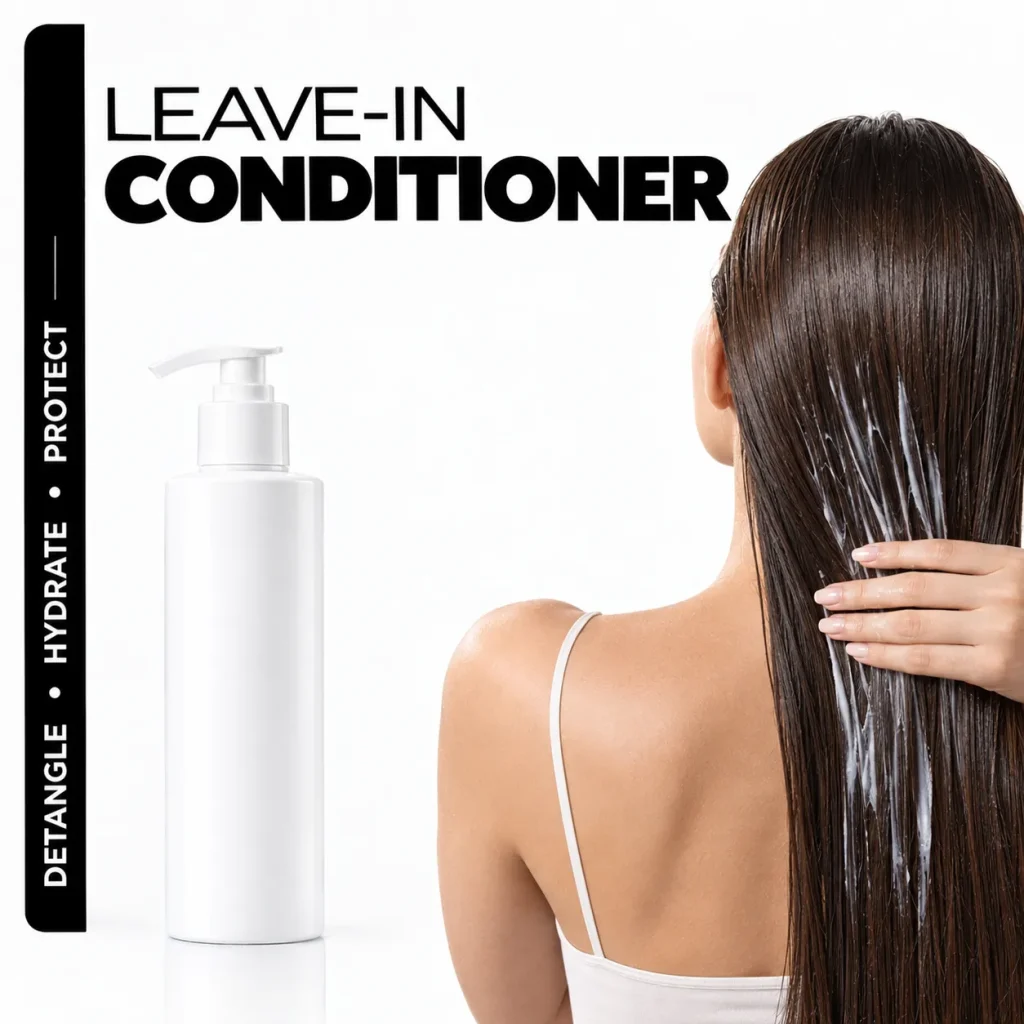
A Leave-In Conditioner remains one of the most adaptable products for building a hair care line.
The formula can be developed for different priorities, including hydration, detangling, frizz control, softness, heat protection, curl definition, or damage care. That flexibility allows the same product format to serve very different brand concepts.
For a new brand, this can be particularly useful. Instead of launching several highly specialized products immediately, a multifunctional leave-in can address several routine needs while giving the brand room to expand later.
Why we’re highlighting it: A versatile leave-in product can connect multiple benefits in one SKU and work across several hair types and product-line strategies.
Suitable for: New hair care brands, everyday care collections, repair lines, curl care ranges, and multifunctional hair care concepts.
As scalp care becomes increasingly integrated into the broader hair care routine, Scalp Serum offers another way for brands to develop a more targeted product beyond traditional shampoo and conditioner.
Depending on the formulation direction, scalp serums can be developed around different cosmetic positioning, such as scalp hydration, oil balance, soothing care, exfoliation, or hair-growth-focused routines.
The serum format also fits the broader shift toward skincare-inspired hair care, where consumers increasingly expect targeted products for specific scalp and hair concerns.
Why we’re highlighting it: A scalp serum can help a hair care brand move from basic cleansing and conditioning into more specialized treatment-oriented products.
Suitable for: Scalp-care brands, hair-growth collections, premium treatment lines, and brands developing skincare-inspired hair care.
The seven products above represent very different opportunities.
A brand focused on damaged hair could build around bond repair, a repair mask, shampoo, conditioner, and leave-in care.
A scalp-focused brand could combine hair growth oil, scalp serum, shampoo, and conditioner.
A curly hair brand could develop a complete styling system around curl cream, leave-in conditioner, shampoo, conditioner, and styling gel.
And a salon-focused brand could connect professional treatments with color care, heat protection, and home maintenance products.
This is why product selection should start with the customer problem and the role each product will play in the line—not simply with whichever formula happens to be available.
A private label hair care project does not have to begin with developing a completely new formula from scratch.
For many brands, the more efficient starting point is to identify a proven product concept that already matches the target customer’s needs, then build the product around the desired positioning, packaging, fragrance, and brand identity.
The challenge is having enough formulation options to choose from.
A manufacturer with a broad hair care formulation portfolio can give brands more flexibility to build around different concerns, textures, product formats, and market positions. Instead of forcing a brand into a limited catalog, the product development process can start with the question:
What does your customer need the product to do?
From there, the formula, format, packaging, fragrance, and product positioning can be matched to that objective.
September’s product ideas show how many directions a hair care brand can take—from scalp and growth care to repair, color maintenance, curls, styling, and daily conditioning.
You do not need to launch all seven.
A stronger starting point is to select the product concepts that fit your target customer and build complementary SKUs around them over time.
At PRO-TECHS, private label hair care development covers a broad range of existing formulations across shampoos, conditioners, treatments, masks, oils, serums, styling products, scalp care, keratin treatments, and other hair care categories.
That means your product concept does not have to be limited to the products already displayed in the PRO-TECHS retail range. The starting point can be the product your market needs, followed by formula selection, sampling, packaging, labeling, and bulk production.
Explore more hair care formulations and find options for the product concepts you want to bring to market.
Explore more private label hair care formulations and contact us to find options for the product concepts you want to bring to market.