Introduction
Achieving smooth, frizz-free hair used to mean exposing yourself to harsh chemicals. For years, traditional keratin treatments relied heavily on formaldehyde to lock hair into a straight, sleek pattern. However, as health concerns grew, the beauty industry evolved. Today, the formaldehyde-free keratin treatments have emerged as a safer, highly effective alternative for those seeking manageable hair without the toxic fumes. In this comprehensive guide, we will explore the origins of these treatments, their benefits, how they compare to traditional methods, and how to choose the right one for your hair type.
The Origins and Evolution of Keratin Treatments
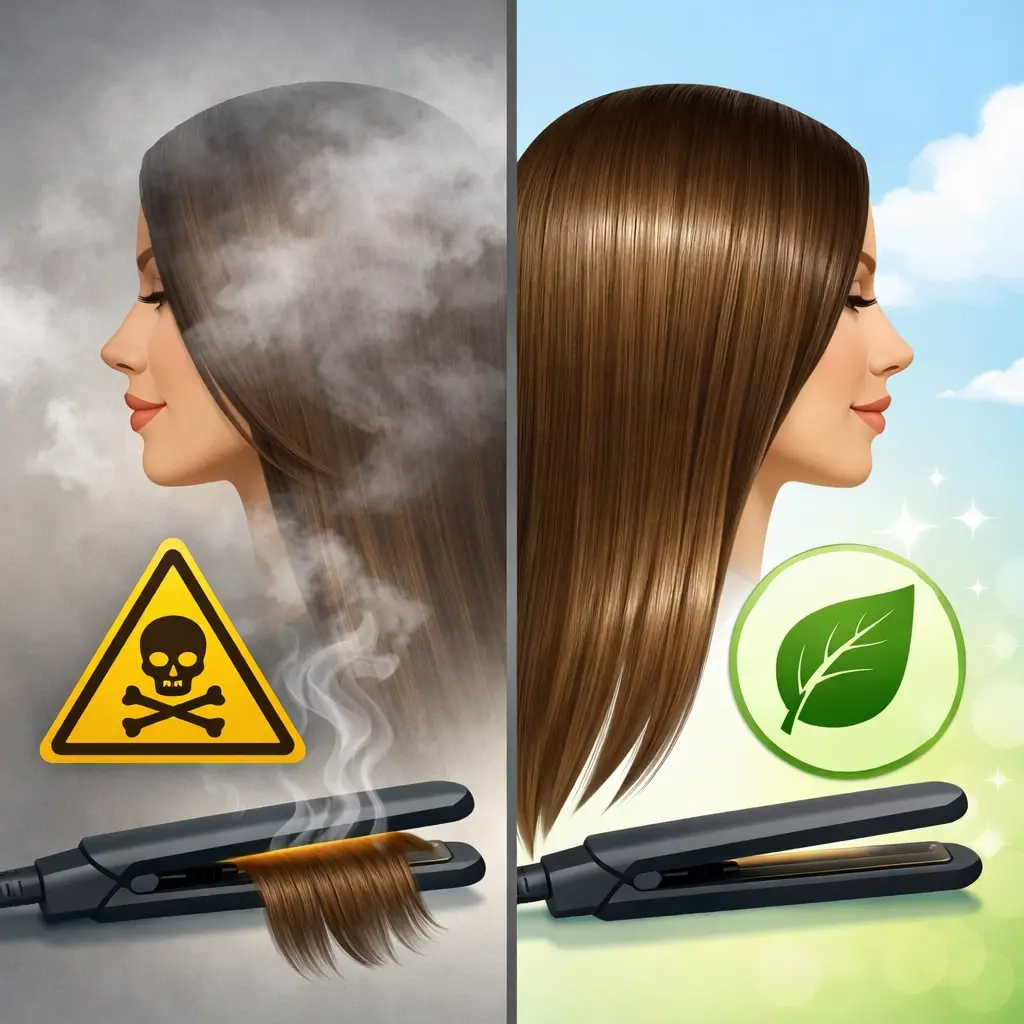
The original Brazilian keratin treatments revolutionized the hair care industry by offering unparalleled smoothness and shine. However, their success came with a significant drawback: the use of formaldehyde or formaldehyde-releasing ingredients like methylene glycol and formalin. When heated with a flat iron, these chemicals release toxic gases that pose severe health risks to both salon professionals and clients.
Recognizing the need for safer alternatives, cosmetic scientists began developing new formulas. The evolution led to the creation of formaldehyde-free keratin treatments. Instead of relying on toxic gases to alter the hair structure, these modern treatments utilize safer alternatives such as glyoxylic acid, amino acids, and plant-based keratin. Glyoxylic acid, for instance, works by modifying the weak bonds within the hair fiber, allowing it to be reshaped without releasing harmful vapors when exposed to heat. This innovation marked a turning point, making hair smoothing accessible and safe for a broader audience.
Key Benefits of Formaldehyde-Free Keratin Treatments
Choosing a formaldehyde-free option offers numerous advantages beyond just safety. Here are the primary benefits you can expect:
Enhanced Safety and Comfort
The most significant benefit is the absence of toxic fumes. Without formaldehyde, there is no strong chemical odor, eye irritation, or respiratory discomfort during the application process. This makes the salon experience much more pleasant and safe for everyone involved.
Maintains Natural Hair Health
Traditional treatments can sometimes leave hair feeling brittle over time due to the harsh chemical alteration. In contrast, formaldehyde-free formulas often contain nourishing ingredients like natural oils, amino acids, and vitamins. These components help to restore moisture, strengthen the hair shaft, and improve overall hair health rather than just masking damage.
Versatility for Various Hair Types
Whether you have fine, coarse, curly, or color-treated hair, formaldehyde-free treatments are generally gentler and more adaptable. They excel at reducing frizz and adding brilliant shine while allowing you to retain your natural curl pattern or wave if desired. They do not force the hair into a pin-straight state, offering more styling flexibility.

Formaldehyde-Free vs. Traditional Keratin Treatments
Understanding the differences between the two types of treatments is crucial for setting the right expectations.
| Feature | Formaldehyde-Free Keratin Treatment | Traditional Keratin Treatment |
|---|---|---|
| Active Ingredients | Glyoxylic acid, amino acids, plant keratin | Formaldehyde, methylene glycol, formalin |
| Health Risks | Minimal to none; safe for regular use | High; releases toxic fumes when heated |
| Straightening Power | Moderate; focuses on smoothing and de-frizzing | High; delivers pin-straight results |
| Hair Texture Impact | Retains natural body and movement | Can make hair flat and lose natural volume |
| Longevity | Typically lasts 2 to 4 months | Can last up to 6 months |
| Application Experience | Pleasant, no harsh odors or eye irritation | Strong chemical smell, requires ventilation |
While traditional treatments offer longer-lasting, straighter results, the health risks often outweigh the benefits. Formaldehyde-free options provide a safer middle ground, delivering excellent frizz control and shine while preserving the hair’s natural vitality.
How to Choose the Right Treatment for You
With various formaldehyde-free options available, selecting the best one depends on your specific hair goals and concerns.
Assess Your Hair GoalsIf your primary goal is to eliminate frizz while keeping your natural curls or waves, a formaldehyde-free treatment is ideal. However, if you desire completely straight hair and are willing to accept the associated risks, you might lean towards traditional methods, though many stylists now advise against them.
Check the Ingredient ListAlways verify the ingredients before booking a treatment. Look for active smoothing agents like glyoxylic acid or amino acid blends. Be cautious of products claiming to be “formaldehyde-free” but containing ingredients like formalin, methanal, or methylene glycol, as these are simply different names for formaldehyde-releasing chemicals.
Consult with a Professional StylistA professional consultation is invaluable. An experienced stylist can evaluate your hair texture, porosity, and history of chemical treatments to recommend the most suitable product. They can also customize the application process to achieve your desired level of smoothness.

Conclusion
The shift towards formaldehyde-free keratin treatments represents a positive step forward in the beauty industry, prioritizing health without compromising on results. By understanding the origins, benefits, and differences compared to traditional methods, you can make an informed decision that leaves your hair looking effortlessly smooth, shiny, and, most importantly, healthy.