For salon professionals, distributors, and hair care enthusiasts alike, a product’s efficacy is entirely dependent on its stability. Yet, one of the most frequent questions in the beauty industry remains: “Does this hair care product expire, and how long does it actually last?”
To maintain the highest standards of hair health and treatment performance, we must look beyond a single stamped date. Understanding product longevity requires analyzing two distinct timelines: Unopened Shelf Life and the Period After Opening (PAO).
Here is a scientifically grounded, professional guide to how long hair care products last and why.
The Master Longevity Chart: Hair Care Breakdown
| Product Category | Unopened Shelf Life | Period After Opening (PAO) | Primary Cause of Degradation |
| Daily Shampoos & Conditioners | 3 Years | 12 Months | Humidity exposure, bacterial ingress, fragrance oxidation. |
| Deep Conditioning Hair Masks | 3 Years | 6–12 Months | Cross-contamination from water and fingers in open jars. |
| Hair & Scalp Oils | 2–3 Years | 6–12 Months | Rancidity (autoxidation) of unsaturated fatty acids. |
| Leave-in Treatments & Serums | 3 Years | 12 Months | Phase separation, degradation of active proteins/peptides. |
| Professional Salon Systems (e.g., Keratin Treatments, Bond Builders) | 3 Years | 6 Months | High-performance actives or strict pH limits destabilize quickly once exposed to air. |
| Aerosol Hairsprays & Mousse | 3–5 Years | 12–24 Months | Propellant leakage or internal can corrosion (though highly resistant to microbes). |
The Science of Product Degradation: Why Timelines Vary
1. The Regulatory Standard: What is PAO?
According to international cosmetics regulations (such as the European Union’s EC No 1223/2009 and US FDA guidelines), if a cosmetic product has an unopened shelf life of more than 30 months, a specific expiration date is not legally mandated on the packaging. Instead, manufacturers must display the PAO (Period After Opening) symbol.
Look for the open jar icon on your product packaging. Inside or next to the icon, you will see a code like 6M, 12M, or 24M (where ‘M’ stands for Months). This indicates the precise window of peak efficacy and safety once the product’s seal is broken.
2. Water Activity and the Microbial Challenge
The primary ingredient in most liquid shampoos, conditioners, and cream treatments is water (Aqua). High water activity creates an ideal breeding ground for bacteria and mold.
While professional formulations utilize robust preservative systems (such as Phenoxyethanol or Sodium Benzoate) to inhibit microbial growth, these systems gradually deplete over time—especially when exposed to the high-temperature, high-humidity environment of a bathroom.
3. Packaging Design Dictates Longevity
The physical container plays a massive role in protecting the formula:
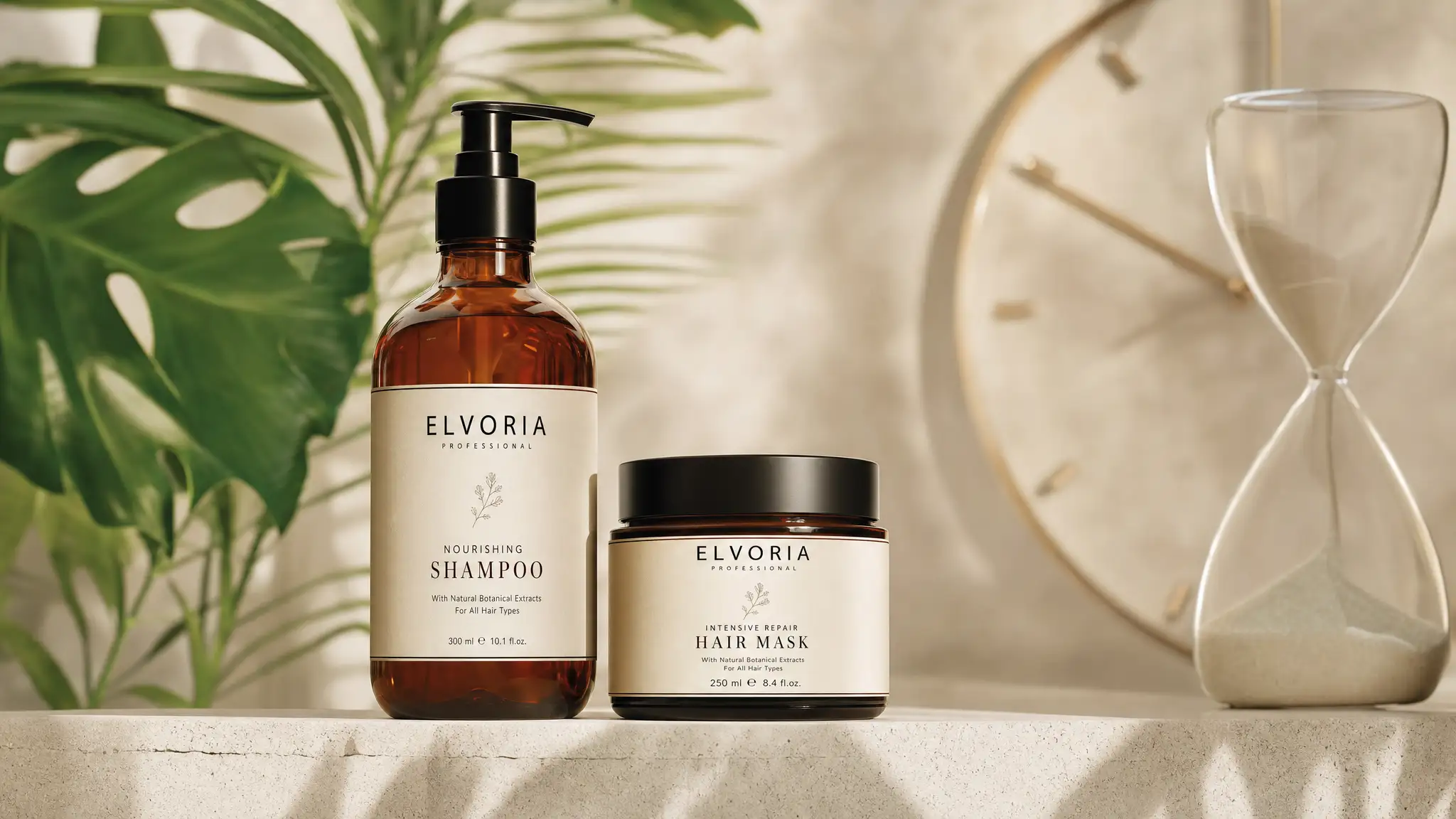
- Wide-Mouth Jars (Common for Hair Masks): These have the shortest optimal lifespan. Scooping product out with wet hands introduces tap water and microbes, overloading the preservative system.
- Pumps and Squeeze Bottles: These offer better protection by minimizing air backflow and direct skin contact.
- Aerosol Cans (Hairsprays): Completely airtight and often formulated with volatile solvents, making microbial contamination virtually impossible.
4. Chemical Rancidity in Hair Oils
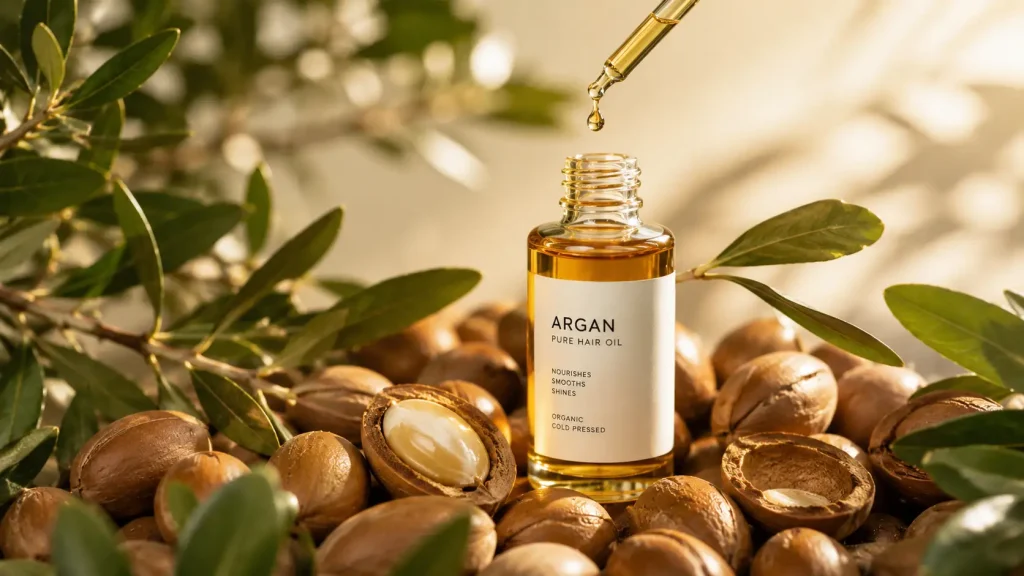
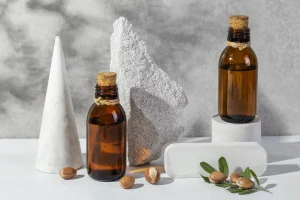
Premium hair serums and oils often feature rich botanical oils like Argan oil or Jojoba oil. While anhydrous (waterless) formulas do not easily grow bacteria, they face a different enemy: Autoxidation. When exposed to oxygen, the unsaturated fatty acids in these oils break down into volatile aldehydes and ketones. This process, known as rancidity, strips the oil of its beneficial properties and creates a distinct, unpleasant odor.
How to Detect a Spoiled Hair Product
Even within the official PAO window, improper storage can cause a formula to fail early. Professionals should evaluate suspicious products using three criteria:
- Texture & Phase Separation: If a cream or leave-in serum splits into distinct layers of oil and water, or if a shampoo loses its viscosity and becomes watery, the emulsification system has collapsed. The product should be discarded.
- The Scent Profile: A sharp, sour, or distinct “crayon-like” smell (rancid oil) indicates chemical spoilage. Fragrance degradation is a clear sign that the active formulation is compromised.
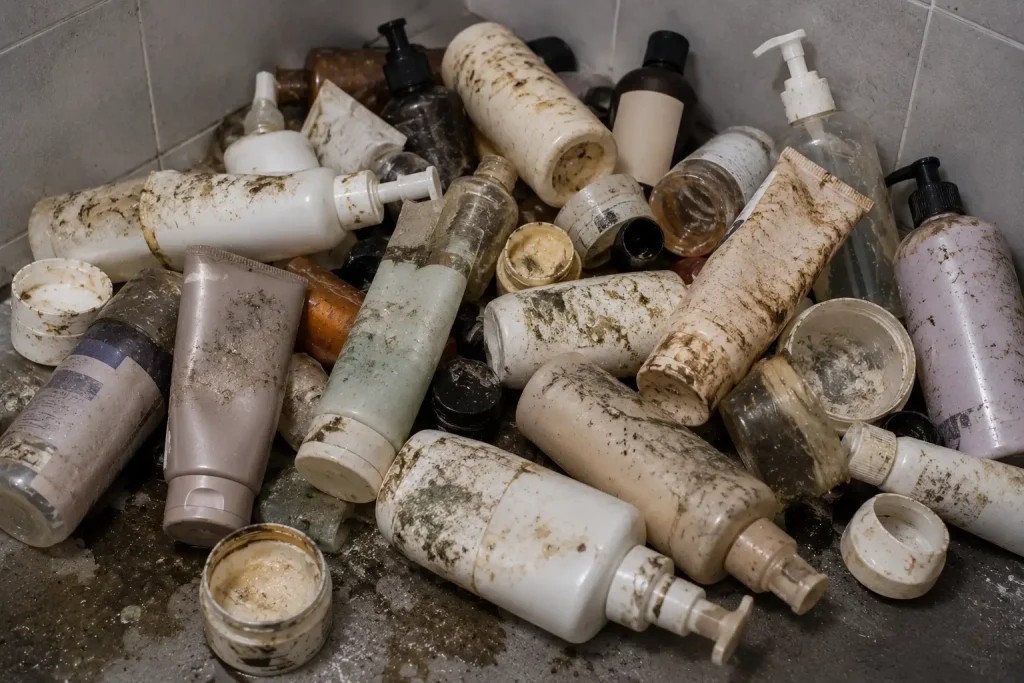
- Color Shifts: A stark shift in color—such as a crisp white cream turning yellow or gray—signals significant chemical oxidation or microbial contamination.
💡 Professional Storage Tip:
To maximize the lifespan of your professional hair care systems, store them away from direct sunlight and extreme temperature fluctuations. For large backbar back-stocked hair masks, always use a clean spatula for dispensing rather than wet hands, and ensure all caps are sealed tightly immediately after use. This preserves the structural integrity and bio-activity of the ingredients from the first pump to the last.
Experience Uncompromised Stability with PRO-TECHS & HODM Group
From formula security to premium packaging, we ensure your products stay fresh and effective. Explore our ready-to-ship collections or launch your own global brand with our compliant manufacturing services today.