Aesthetic Shift: From “Messy Texture” to “Mirror Gloss”
Over the past decade, dry shampoo, beachy matte finishes, and the unwashed, fluffy look were the absolute trends. People pursued a “just woke up” casualness, even paying for textured perms.
But now the tide has completely turned.
On TikTok, the #GlassHair hashtag has surpassed 800 million views.
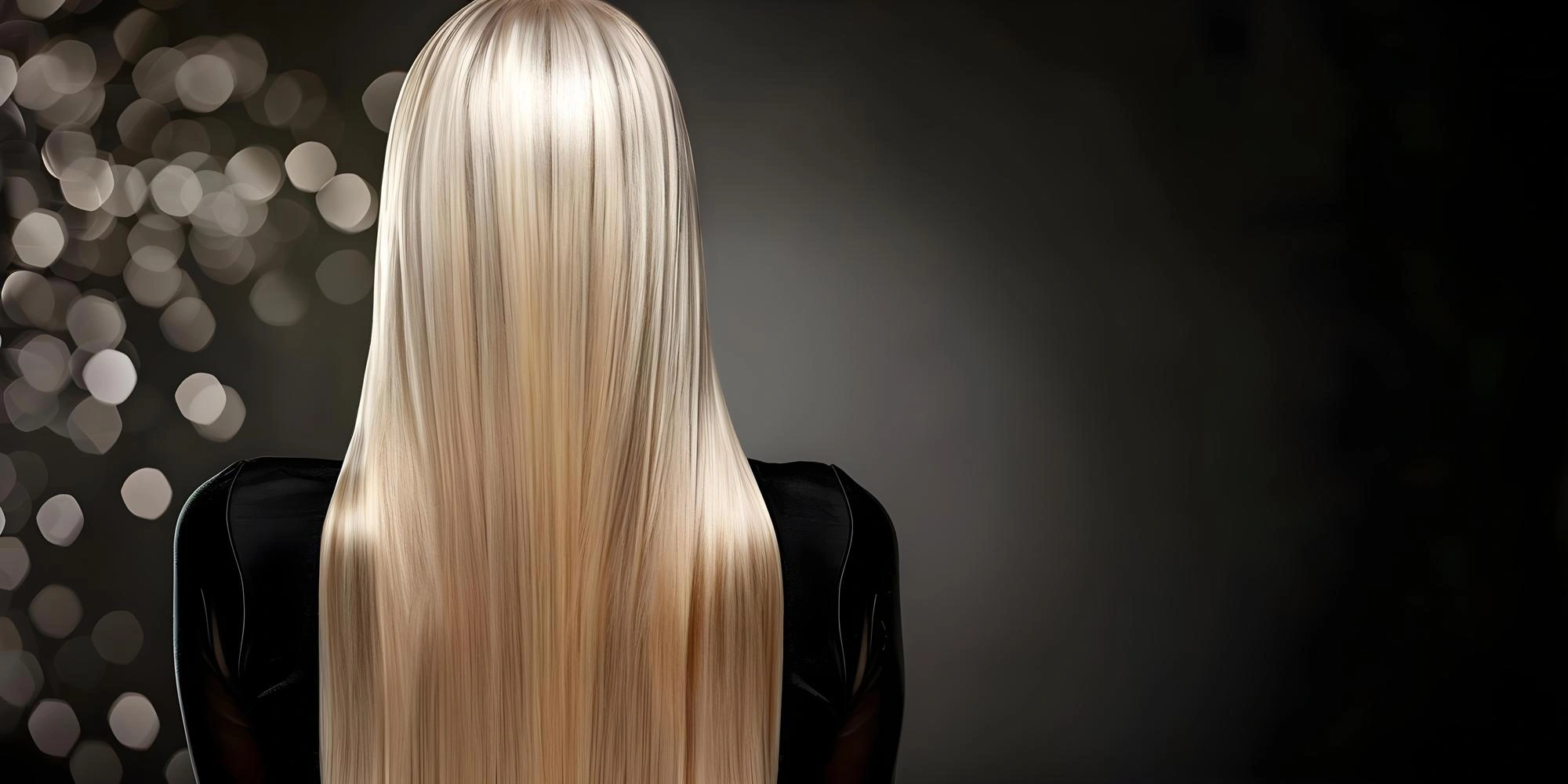
What is glass hair? It is not ordinary shine. It is hair that looks like a liquid mirror – light hitting the strands does not scatter but reflects completely. The hair is silky, heavy, and has zero frizz. It represents quiet luxury, the clean-girl aesthetic, and visibly healthy hair.
Common Ways to Achieve Shine
- Surface styling (shine sprays/serums): Looks good immediately but disappears after one wash.
- Acidic treatments (apple cider vinegar/low-pH conditioners): Temporarily close the cuticle, but do not fix the root cause.
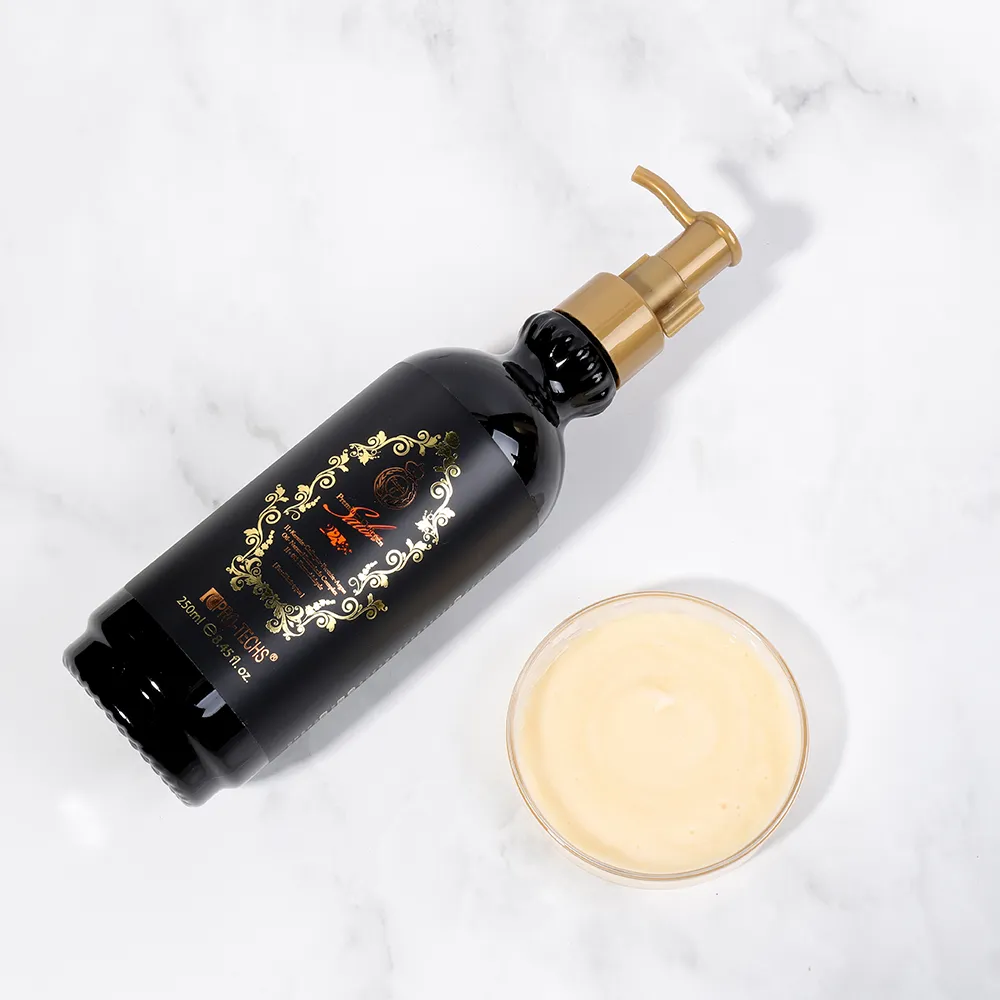
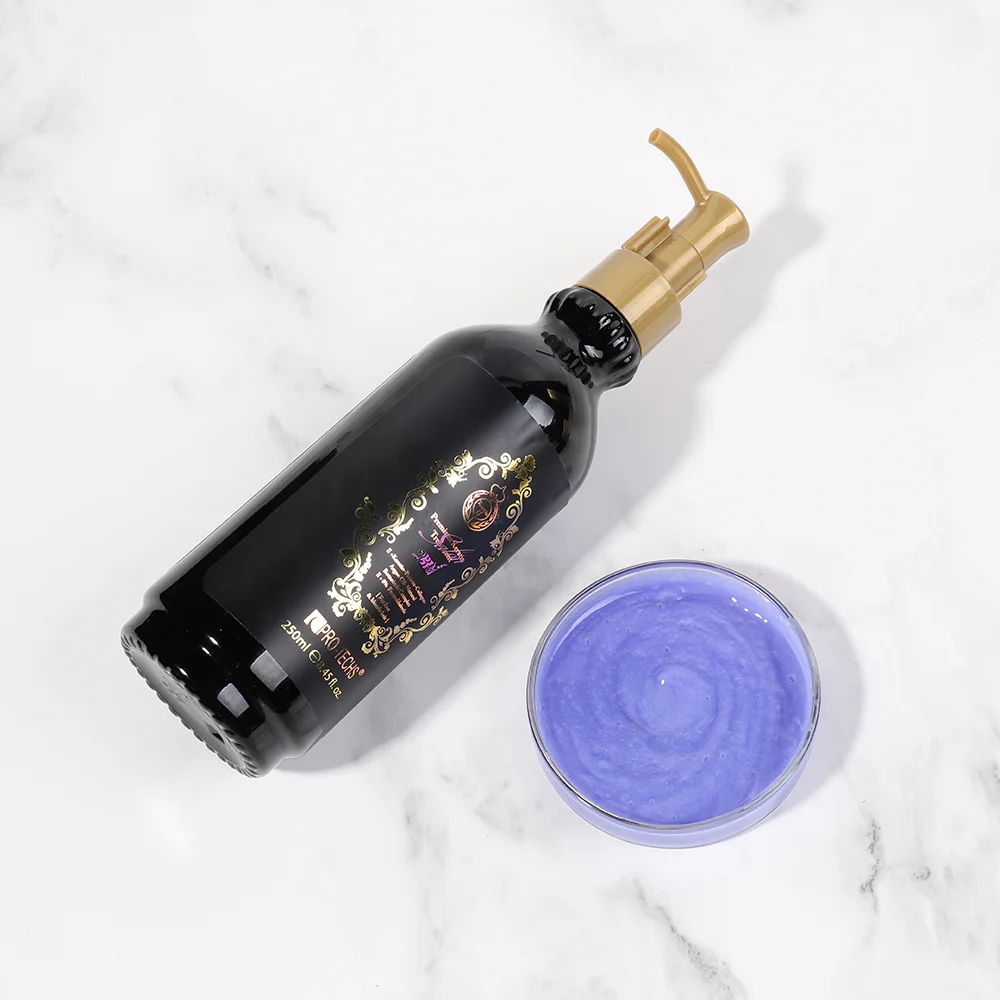
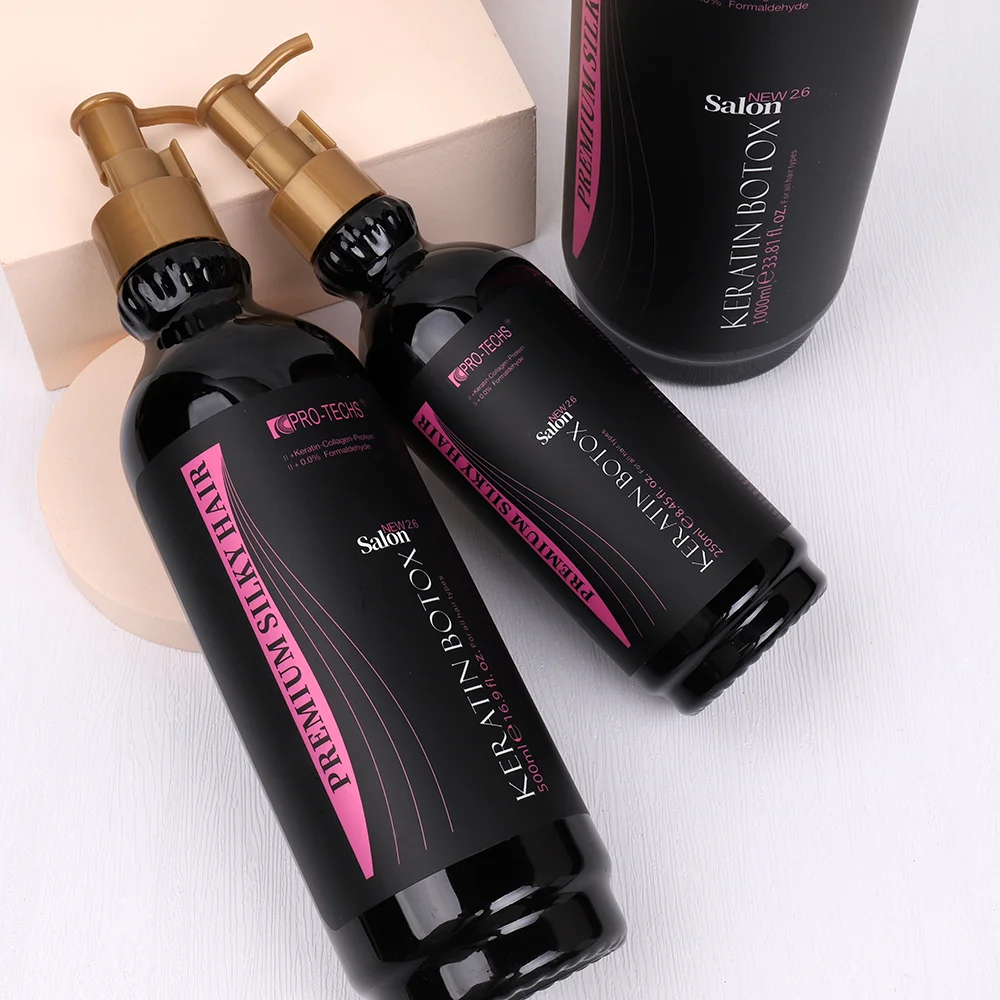
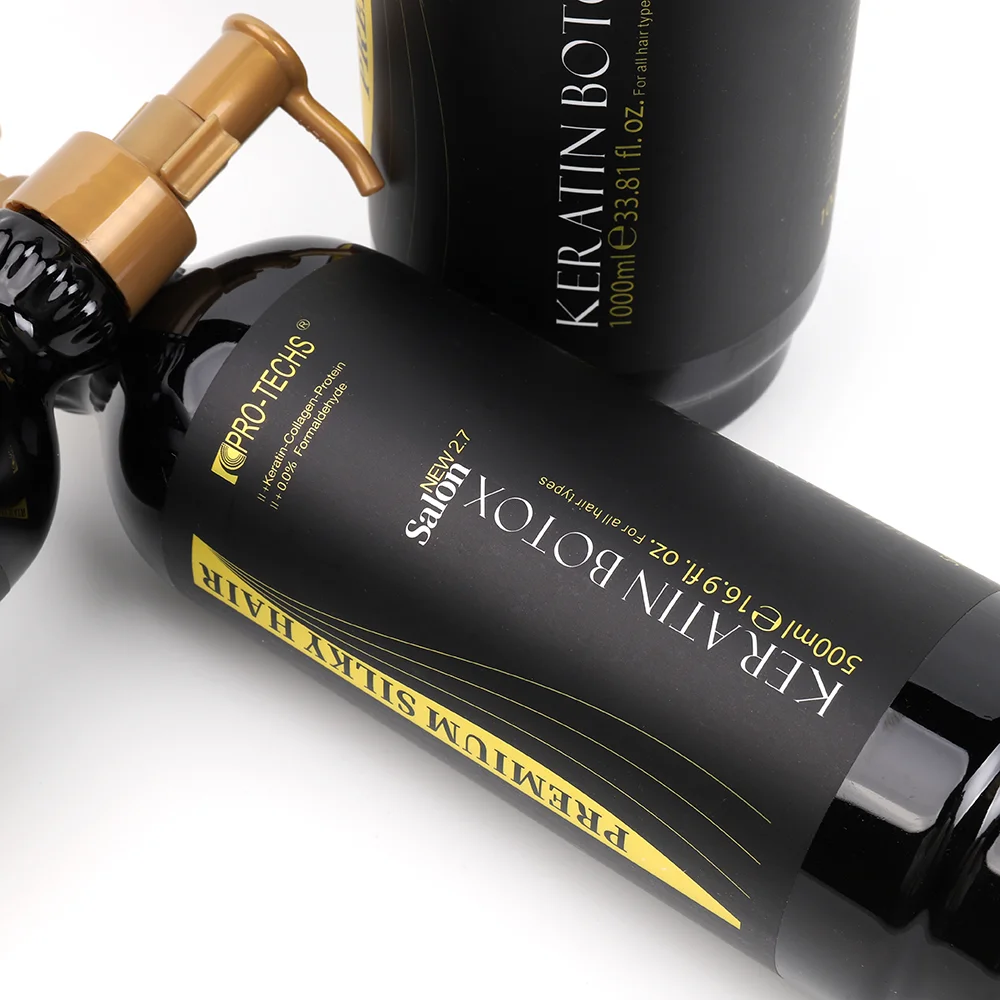
- Keratin treatment: Replenishes lost protein from within, allowing the cuticle to stay closed naturally over the long term.
Small Conclusion
True glass hair is not a fake shine “painted on” with silicones. It comes from hair that has become smooth, dense, and able to reflect light on its own. This brings us to the core question.
Core Question: Does glass hair require a keratin treatment?
This is what many readers care most about. As a supplier that has long focused on keratin treatment products, we give you an honest and clear answer.
Direct Answer
It is not an absolute “must,” but for the vast majority of people who want the ultimate glass-hair effect, keratin treatment is the most direct, most effective, and longest-lasting solution.
You can use shine sprays and a flat iron to create a “mirror” in a photo, but that usually lasts less than a day. Keratin treatment structurally repairs the hair, making shine your “factory setting” rather than a one-time filter.
Why Keratin Treatment Is a Great Helper for Glass Hair
| Comparison | Surface styling products | Keratin treatment |
|---|---|---|
| Duration of shine | A few hours to one day | 3–6 months |
| Reduces frizz? | Temporarily presses it down | Eliminates 80%-100% of flyaways from the root |
| Improves damaged hair? | No | Structural repair |
| Daily styling time | Still needs a lot of heat styling | Smooth after blow-drying, almost no effort |
Specifically, keratin treatment offers three major benefits for glass hair:
- Long-lasting mirror finish: After one treatment, even rinsing with plain water leaves the hair shiny.
- Eliminates the root cause of frizz: Especially for naturally curly, coarse, or frizzy hair, the reduction in frizz is immediate and obvious.
- Perfect base: After treatment, the hair becomes extremely smooth. Any serum or oil applied later spreads evenly, without clumping.
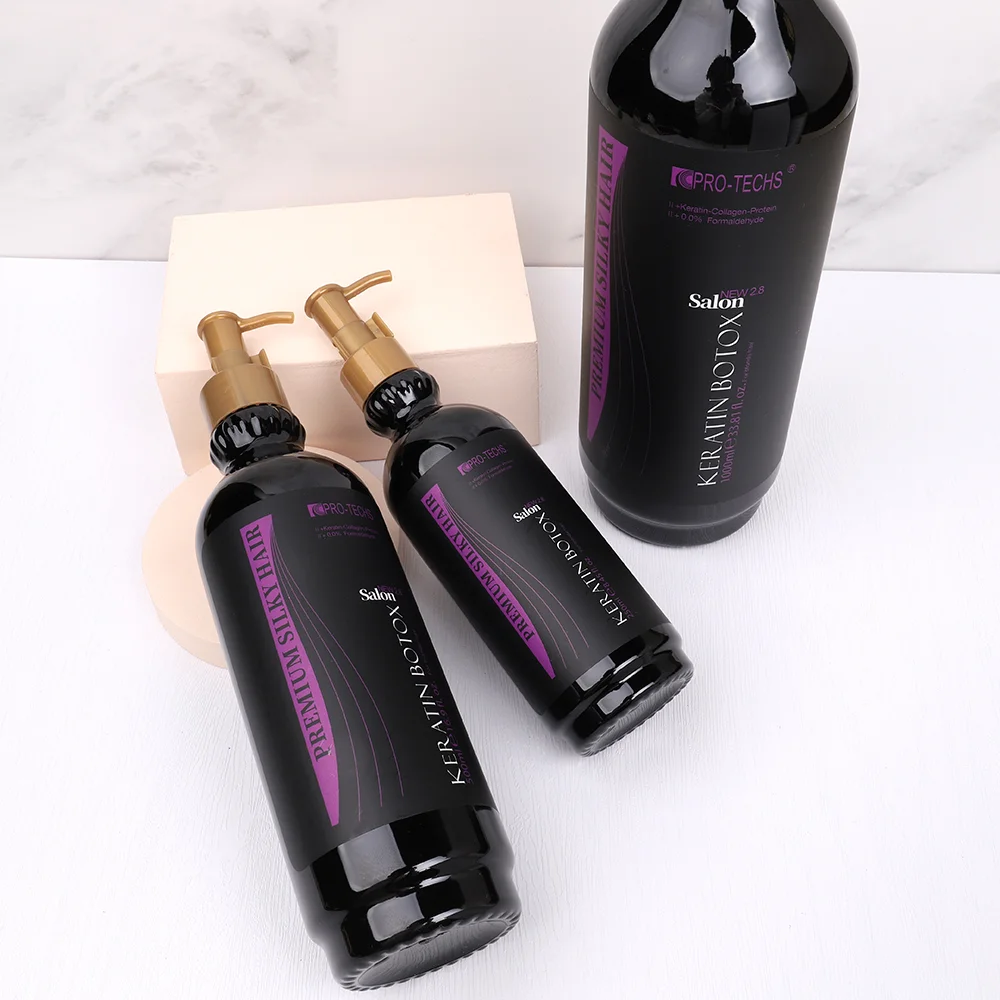
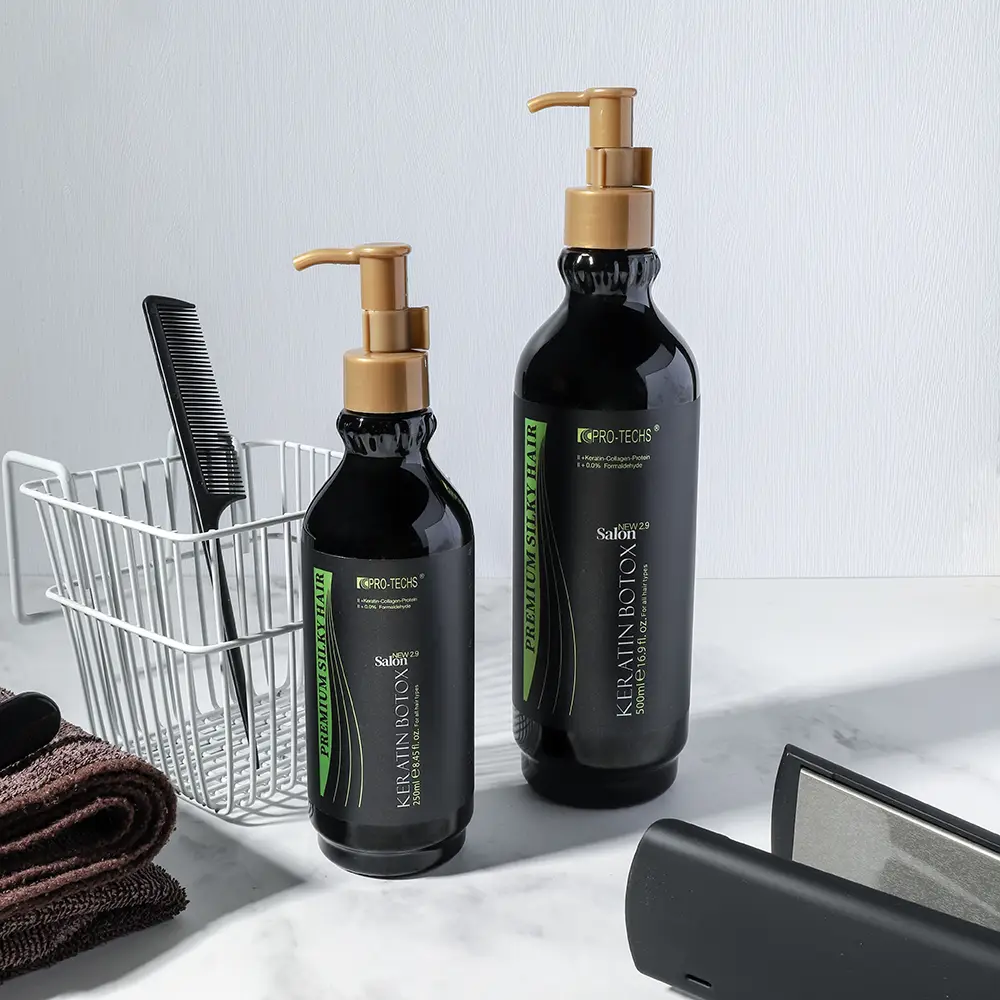
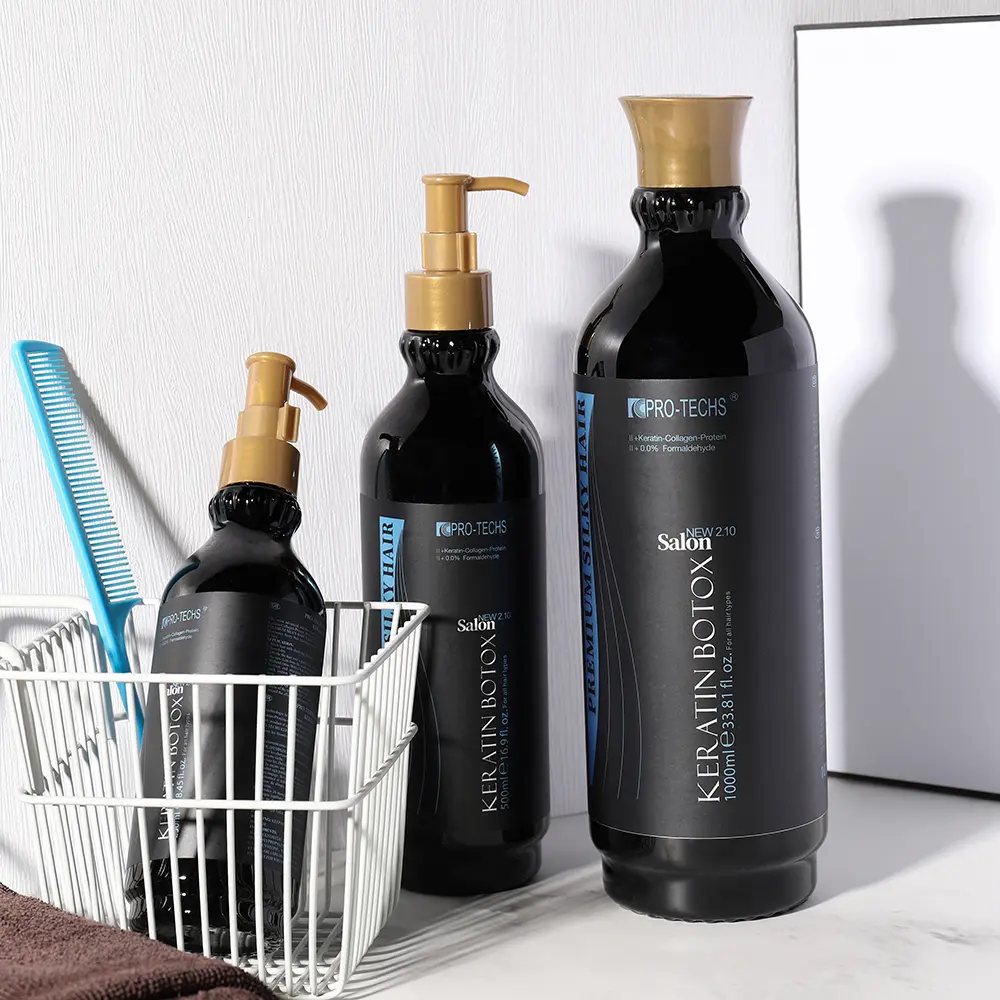
Options for Different Hair Types
Not everyone needs an intense salon keratin straightening treatment. Based on your hair type and needs, you can choose different levels of products:
① Naturally curly / coarse / severely damaged hair
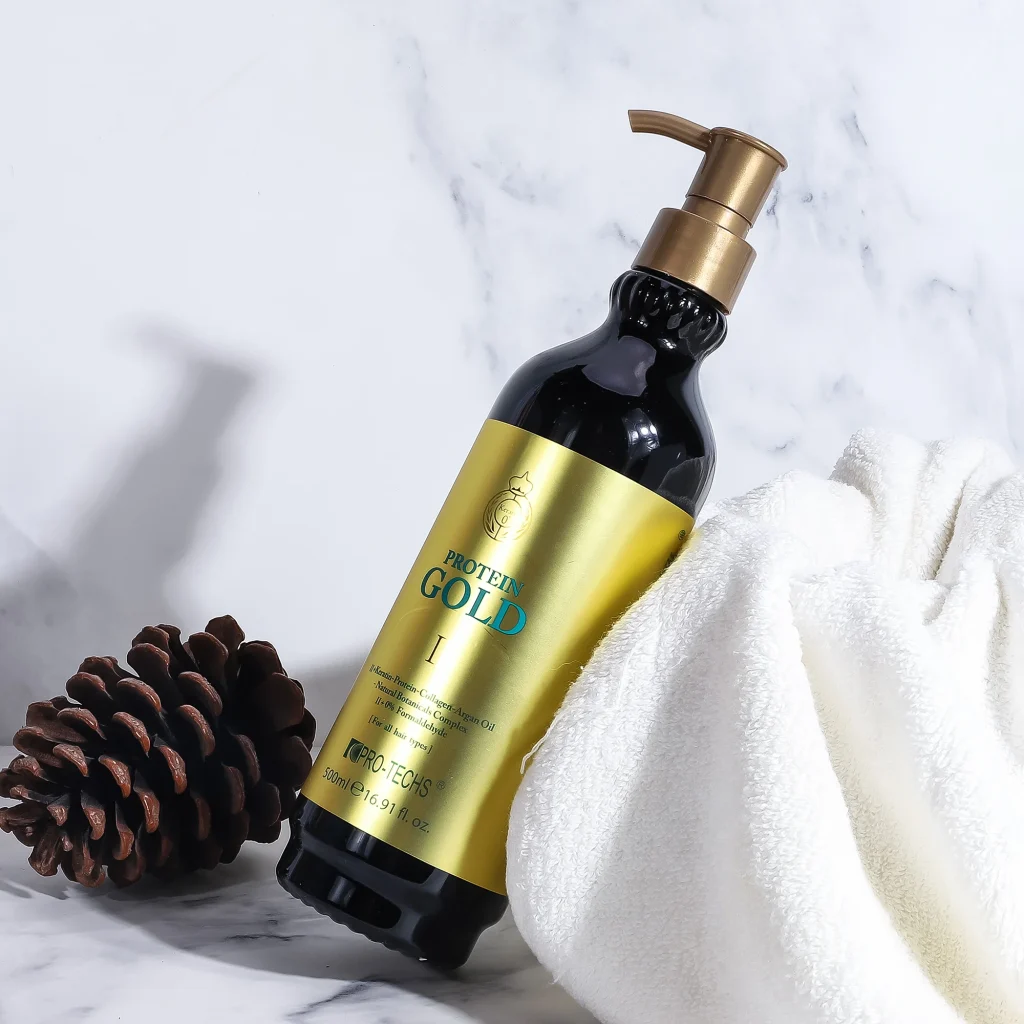
- Recommended: Professional salon keratin treatment (e.g., formaldehyde-free formulas like Cezanne, Lasio, or equivalent).
- Reason: This hair type has naturally or severely damaged cuticles. Mild treatments are not enough. One strong treatment can give you six months of glass hair – very cost-effective.
② Fine / slightly frizzy hair
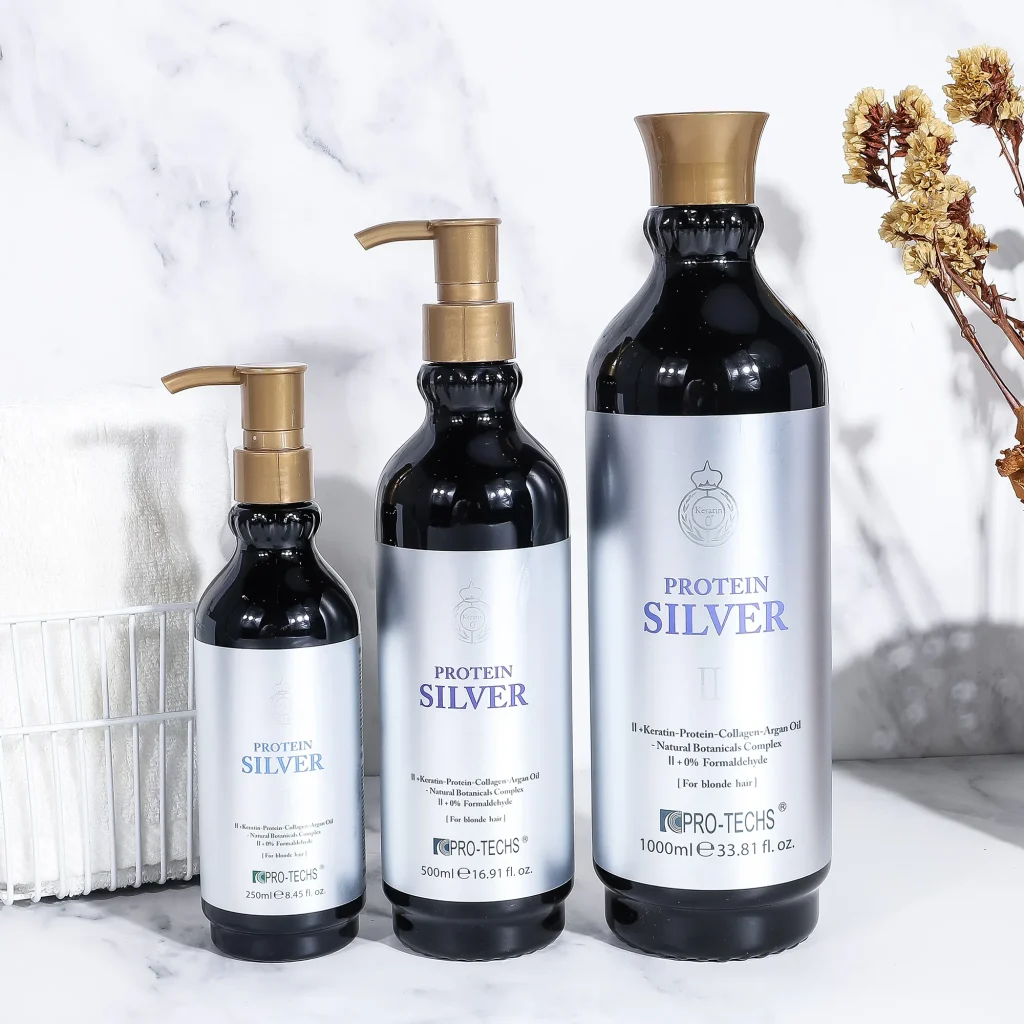
- Recommended: At-home keratin shampoo, conditioner, leave-in keratin serum, plus a weekly keratin mask.
- Reason: Fine hair flattens easily and does not suit heavy professional treatments. Lightweight keratin builds up gradually, significantly improving shine while keeping the roots voluminous.
③ Those who want to avoid any chemicals
- Recommended: Choose a “glass keratin” deep treatment (non-crosslinking, more like an ultra-nourishing mask).
- Reason: This type does not change the internal structure of the hair. It simply adds a large amount of keratin and seals the cuticle, still achieving very high shine with zero downtime (no need to wait three days before washing).
④ Everyday budget-friendly alternative
- Recommended: Weekly keratin mask + cool-air sealing + two or three drops of hair oil.
- Reason: Although not as thorough as professional treatment, consistent use will make your hair several levels shinier than using ordinary shampoo alone.
Important Reminders: Safety First, Maintenance Second
Formaldehyde concerns
Early keratin treatments contained formaldehyde or formaldehyde-releasers. Today, many reputable brands offer formaldehyde-free / low-formaldehyde formulas. When buying or going to a salon, actively confirm whether the product is labeled “Formaldehyde-free” – especially if there are pregnant women, children, or pets at home.
Aftercare
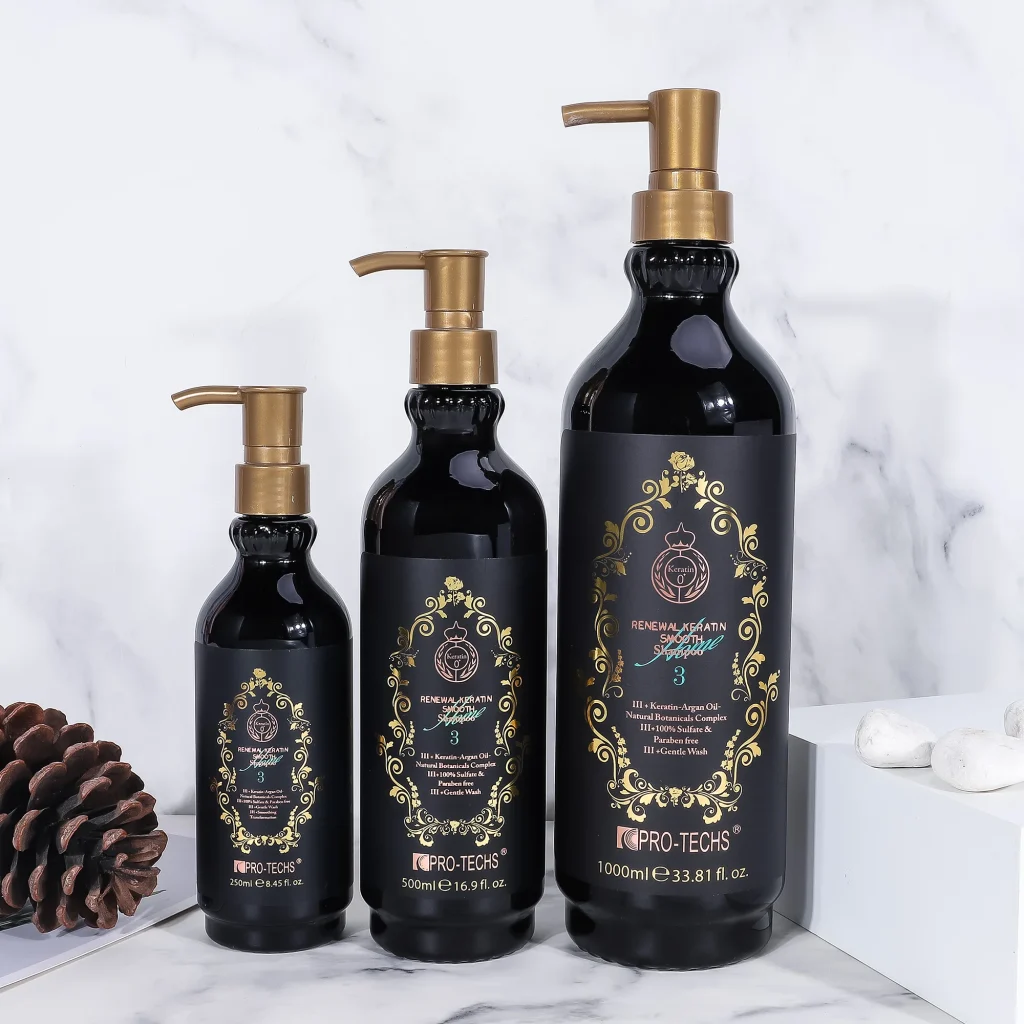
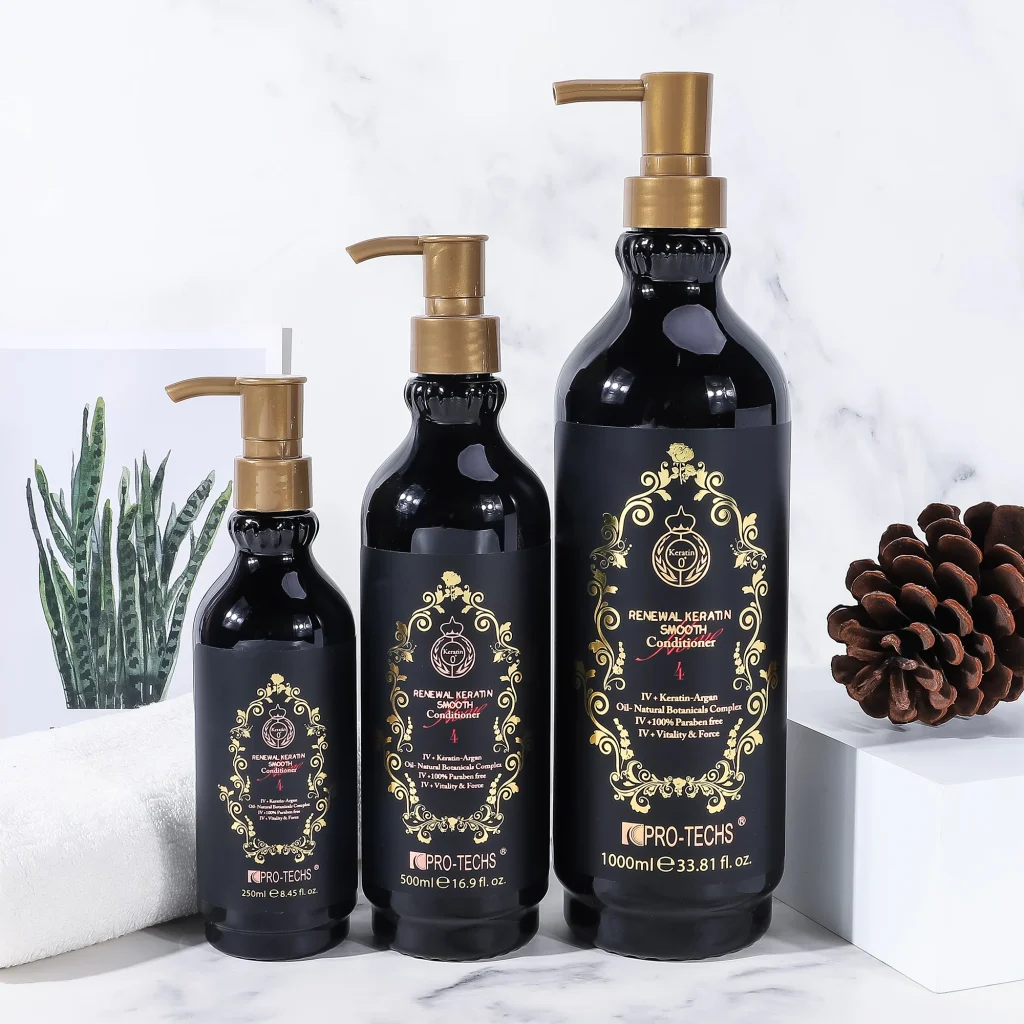
After a keratin treatment, you must use sulfate-free (SLS/SLES-free) shampoos and conditioners. Sulfates will quickly wash away the replenished keratin and ruin the treatment. Also avoid products containing sea salt or strong alkalis.
Heat tool temperature
Even after a keratin treatment, keep your blow-dryer/flat iron temperature at or below 350°F (about 180°C). Excessively high heat will break down the keratin structure again – a net loss.
Complete “Glass Hair” Routine (Centered on Keratin Treatment)
Here is a complete protocol from “professional treatment” to “daily maintenance.” Whether you go to a salon or buy products to use at home, you can follow this routine.
Phase 1: Professional Keratin Treatment Day (every 3–6 months)
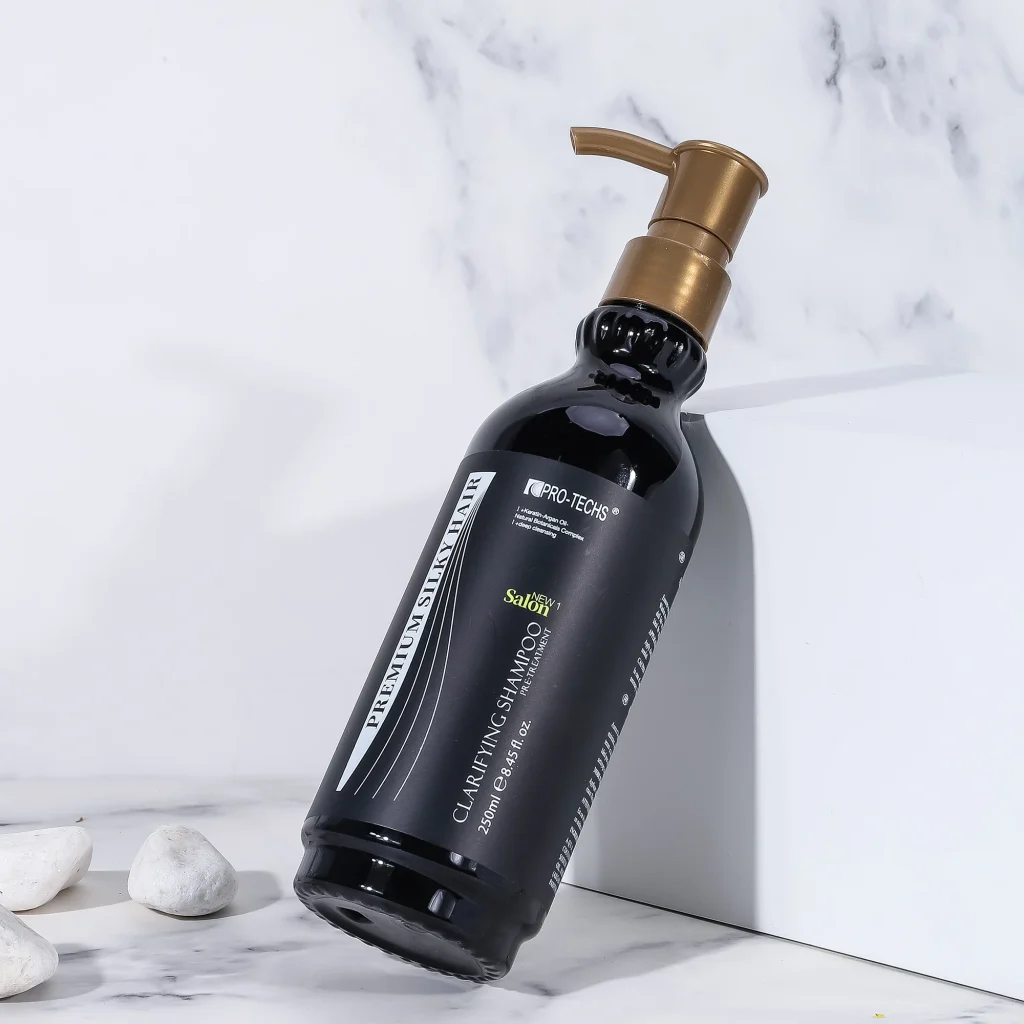
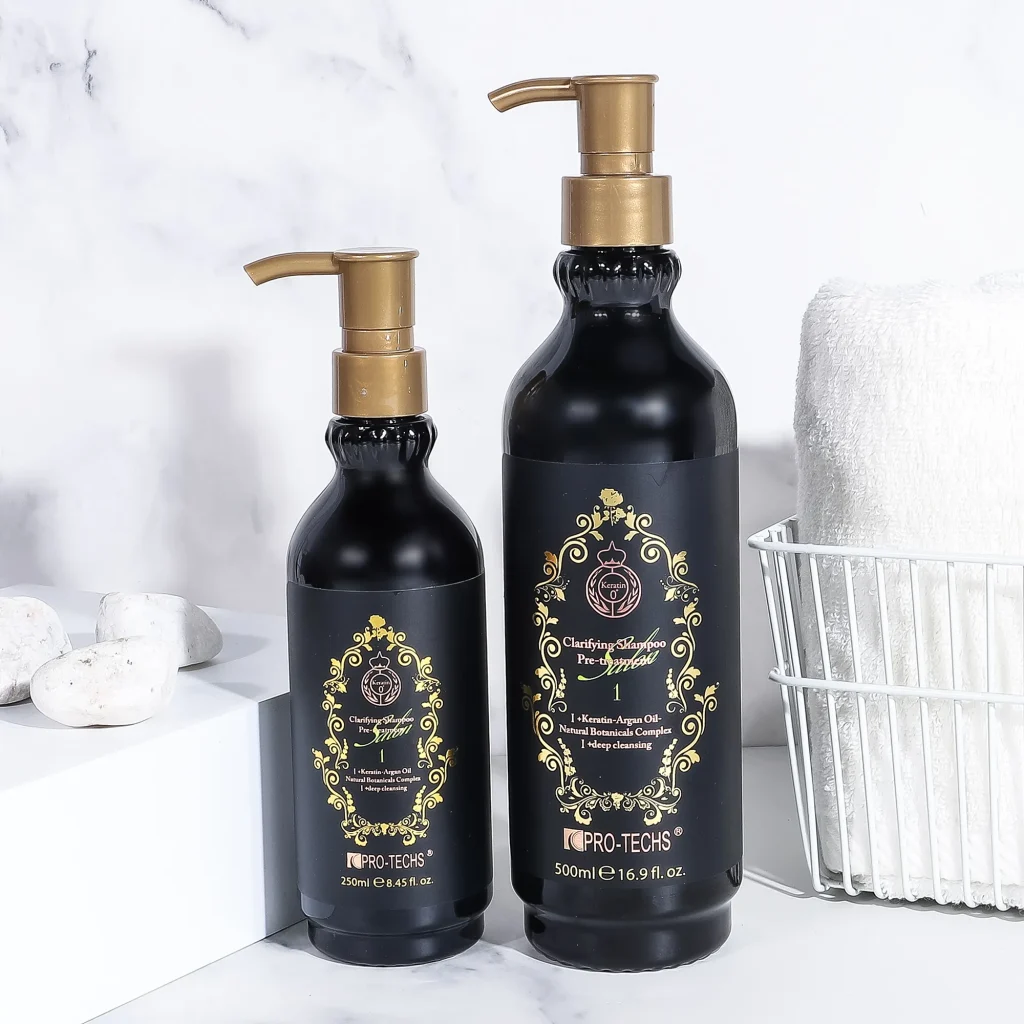
1. Deep cleanse (clarifying shampoo)
Use a clarifying shampoo specifically designed to remove mineral deposits and silicone buildup. Wash once or twice. This step is critical – if the hair has metal ions or old product residue, the keratin cannot adhere evenly.
2. Apply keratin treatment
Apply a formaldehyde-free keratin treatment to the hair in sections (avoid the scalp by 1–2 cm). Gently comb through to ensure every strand is covered.
3. Low heat to seal
Use a blow-dryer or heating cap to provide gentle heat (typically 120–150°C) to help the keratin penetrate and reshape the cuticle. Follow the product instructions, usually 20–40 minutes.
4. Cool to solidify
Let cool naturally for 10 minutes, then blow-dry completely with cool air. Cool air locks the cuticle in its closed state – this is a key step for achieving a mirror finish.
5. Final details
If the product requires, lightly go over the hair with a flat iron at low temperature to further smooth the cuticle. Finish with a small amount of sulfate-free shine serum.
Note: Some professional treatments require “no washing, no tying up, no bending” for three days. Strictly follow the product instructions.
Phase 2: Daily Maintenance (every wash)
Getting a keratin treatment does not mean you can be lazy. Correct daily maintenance can make the results last a full six months, while wrong habits can undo them in a month.
Must-do steps:
- Use a sulfate-free, pH-balanced (4.5–5.5) shampoo. Also recommend using a conditioner that contains keratin or hydrolyzed protein.
- Weekly acidic/keratin mask: Alternate between an acidic apple cider vinegar rinse and a keratin mask. Acid closes the cuticle, keratin replenishes what is lost.
- Blow-dry using tension + cool air: Do not air-dry, because the cuticle may lift again as the hair swells. Use a round brush or a straightening brush, blow air down the hair shaft, and finish with cool air to set.
- Sleep on a silk pillowcase or wear a silk cap: Reduces friction and prevents the cuticle from getting ruffled.
Try to avoid:
- Products containing sulfates, sea salt, or strong alkalis.
- Vigorously rubbing hair with a towel (pat to absorb water instead).
- Flat irons above 450°F.
- Frequent dyeing, perming, or soaking in seawater (if unavoidable, immediately neutralize with an acidic conditioner).
Phase 3: Daily Styling (3 minutes for glass hair)
For hair that already has a good keratin foundation, you only need three steps each morning:
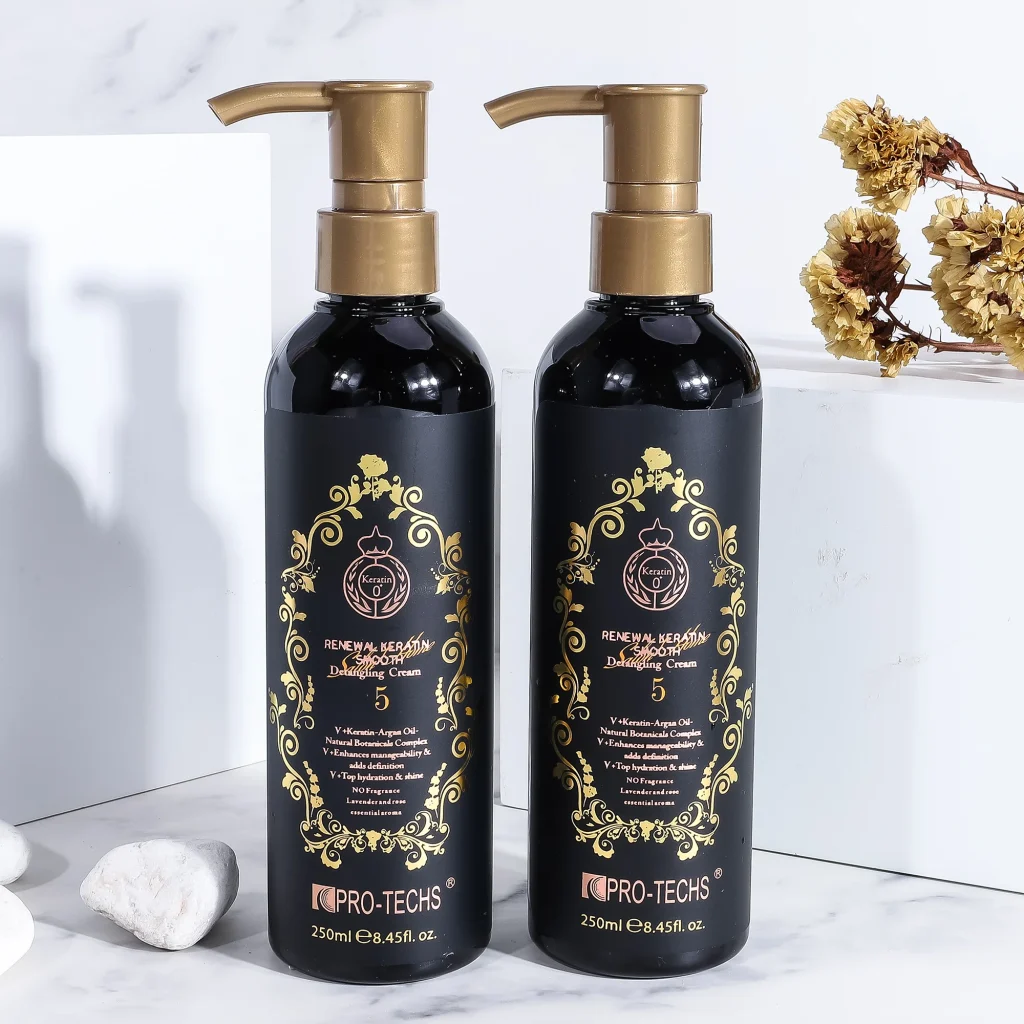
- Leave-in keratin serum (primer to fill micro-gaps)
- Heat protectant spray (if you need to touch up the ends with a curling iron or flat iron)
- A few drops of high-refractive-index oil (e.g., squalane or a dedicated shine oil) applied to the surface
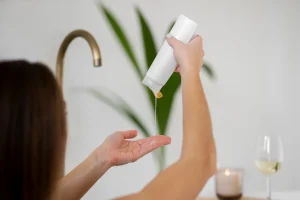
A tip: Put the oil in your palms, rub to warm it, then gently smooth it over the hair from top to bottom – do not rub. This creates an even transparent film over the cuticle, making the light reflection more concentrated.
Effect comparison: How long does glass hair last with vs. without keratin treatment
| Daily activity | Without keratin treatment | With keratin treatment |
|---|---|---|
| Just washed and blow-dried | Average shine | Strong mirror shine |
| After 4 hours outside (50% humidity) | Starts to frizz | Still smooth |
| After sweating from exercise | Noticeably dull | Shine returns after wiping dry |
| Next morning after sleeping | Must restyle | Shine still there after combing |
| After one week | Shine is gone | Shine only slightly reduced |
Frequently Asked Questions (Q&A)
Q1: Will keratin treatment completely straighten my natural curls?
A: Not necessarily. Formaldehyde-free or mild keratin treatments mainly eliminate frizz and increase shine – they can preserve most of the curl. “Glass curls” are very popular now – the curls remain, but each strand shines. If you want complete straightening, choose a stronger formula.
Q2: Can silicone shine serums replace keratin treatment?
A: No. Silicone coats the hair with a fake film that washes away, leaving the frizz. Keratin treatment repairs from within, allowing the cuticle to close on its own. Simply put: silicone is makeup, keratin is skincare.
Q3: I have fine hair. Will keratin treatment make it flat and limp?
A: Choose a lightweight keratin formula designed for fine hair – then it won’t. This type does not add weight; instead, it reduces flyaways so the hair looks smoother, more polished, and even visually fuller.
Q4: Is glass hair only for straight hair? What about curls?
A: Not at all. “Glass curls” already exist – using keratin treatment to make every curl reflect light while keeping the curl pattern. The effect looks like a wet look but not sticky, very sophisticated.
Q5: How often should I get a keratin treatment?
A: Typically every 3–6 months, depending on how often you wash, whether you use sulfate products, and how much new growth you have. Do not overdo it (e.g., every month) – protein overload can make hair stiff.
A Few Words from Us, a Keratin Treatment Supplier
We have observed that consumers’ demand for “sustainable shine” is far greater than for “one-time sparkle.” The market has never been short of shine sprays and oils, but products that truly improve hair from the inside out are still rare.
That is why we focus on formaldehyde-free, mildly acidic, biodegradable keratin treatment products. We do not want consumers to be fooled by the term “glass hair” into damaging aggressive straightening. Instead, we want everyone – straight, curly, coarse, fine – to achieve true mirror shine through the right products and process.
We believe: Glass hair is not a filter. It is a healthy, sustainable state of your hair and scalp.
Conclusion: Shine is the visible result of healthy hair
Glass hair is more than just a trend. It is your hair telling you: my cuticles are neat, my keratin is sufficient, I am well taken care of.
You can certainly fake a temporary shine with styling sprays and a flat iron. But if you want to wake up every day and see flowing mirror-like hair in the mirror, keratin treatment is currently the most worthwhile investment.
You don’t have to chase absolute zero flyaways (that is only possible with Photoshop). Just make your hair healthier and shinier than yesterday – that is already a win.