


Building a private label hair care brand is one of the fastest ways to enter the professional beauty industry without investing in full-scale R&D and manufacturing infrastructure. However, success depends on strategic decisions across formulation, supplier selection, branding, and market positioning.
This guide breaks down the complete process into actionable 7 steps so you can move from idea to market-ready product line with clarity and control.
Private label hair care allows you to sell professionally formulated products under your own brand name, without owning a factory or developing formulas from zero.
In most cases, you work with a manufacturer (OEM/ODM) that already has stable formulations for shampoos, conditioners, keratin treatments, masks, and styling products.
The global professional hair care market continues to expand due to:
This model significantly reduces entry barriers, but differentiation becomes your biggest challenge.
Before selecting products or suppliers, you need a clear brand direction. Without positioning, even high-quality products will struggle to gain traction.
Ask yourself:
For example:
Your brand should answer one question:
Why should someone choose your product instead of established brands?
Common differentiators include:
Clear positioning will guide every downstream decision.
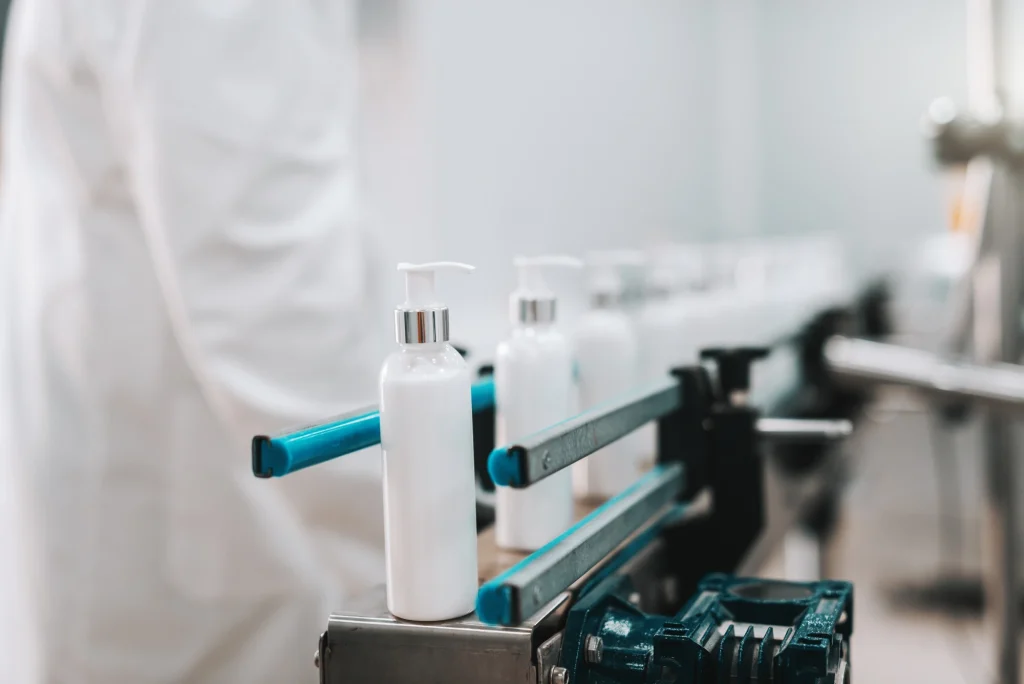
Your manufacturer is the foundation of your brand. A strong partner ensures consistency, compliance, and scalability.
For beginners, ODM is typically faster and lower risk.
A reliable hair care manufacturer should offer:
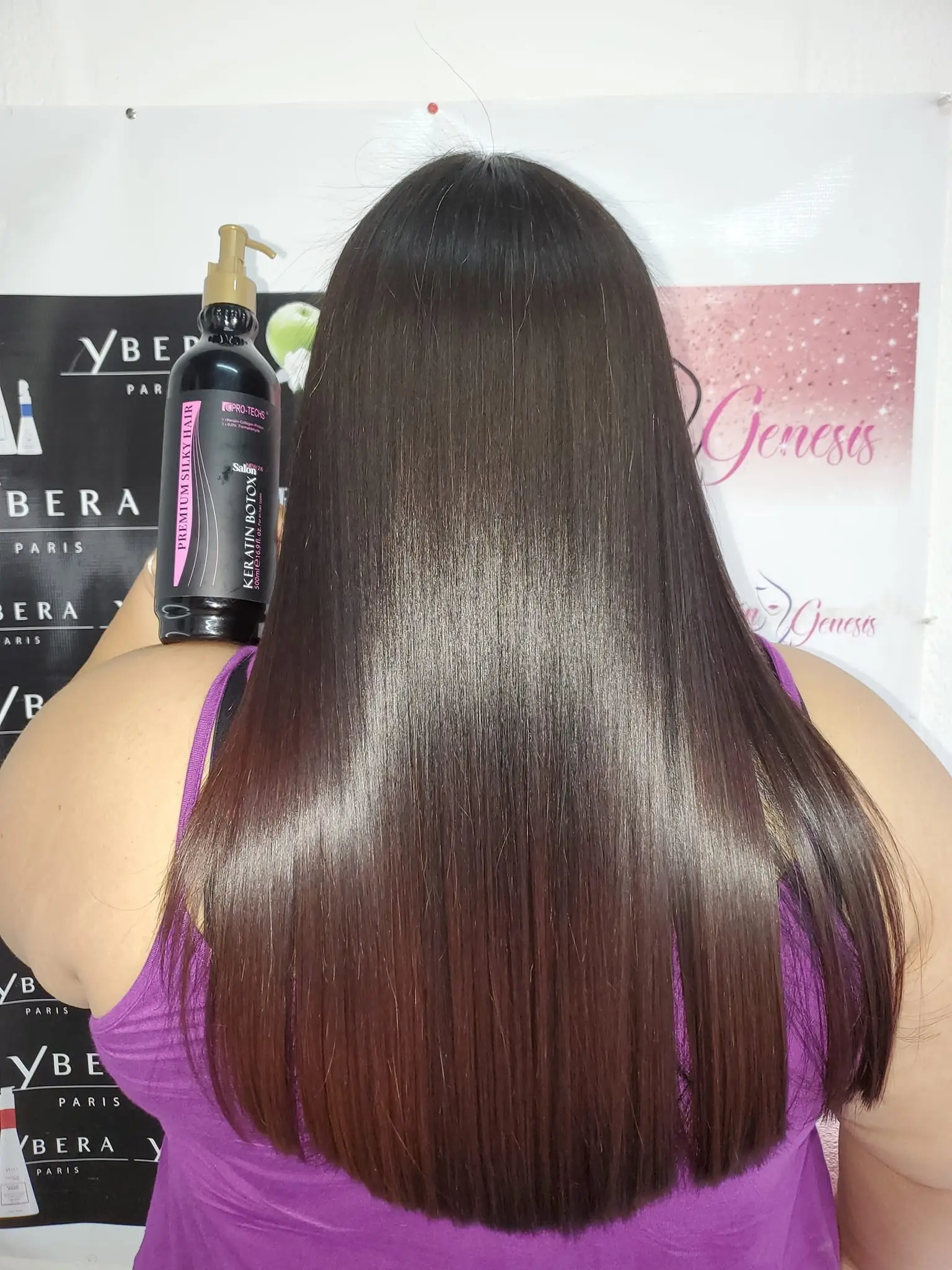
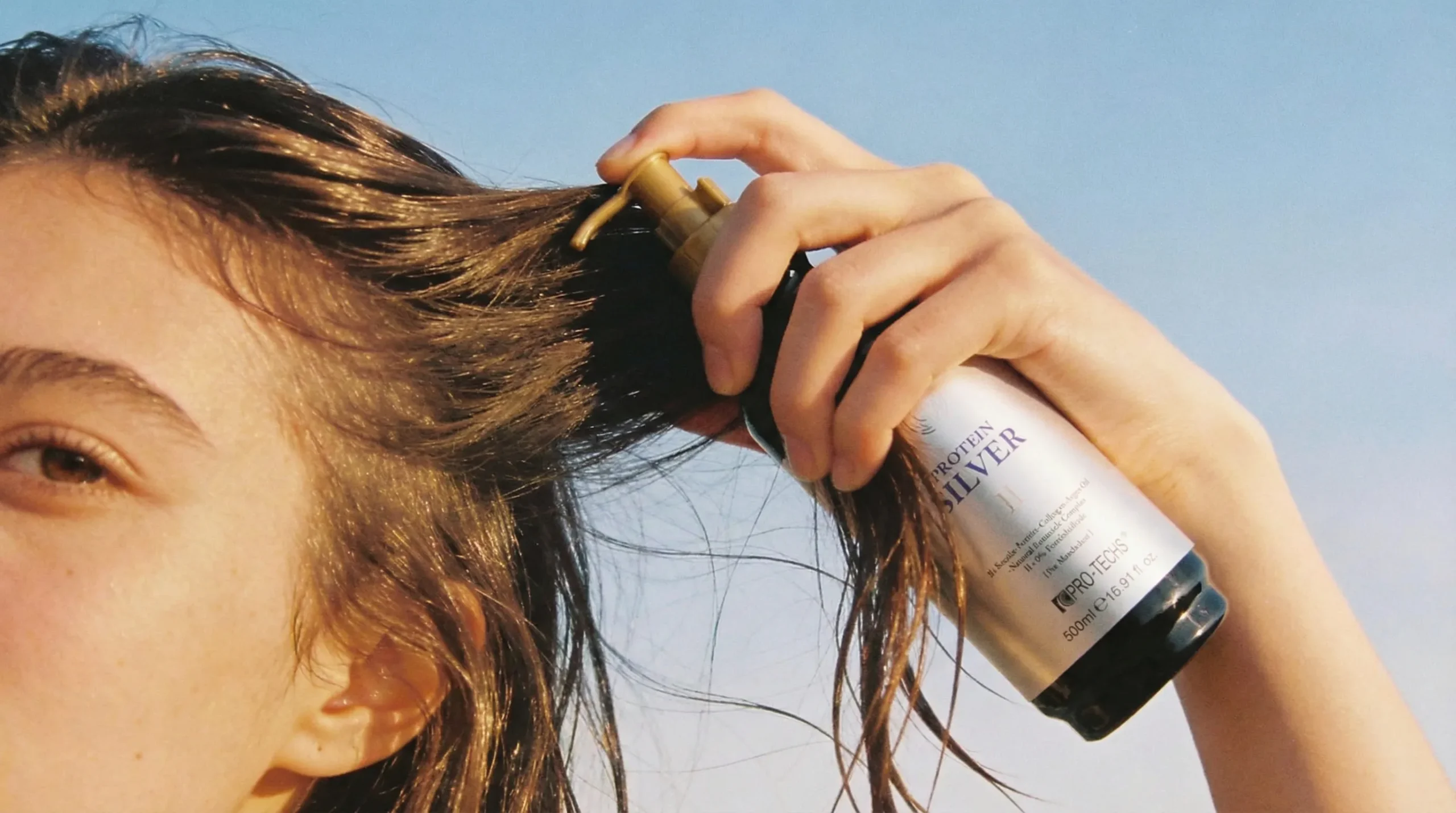
Manufacturers like PRO-TECHS operate in this type of professional manufacturing ecosystem, offering both private label, semi-custom and Custom Formulations solutions for salon-grade keratin treatments.
One of the most common mistakes is launching too many products at once.
A strong starter lineup usually includes:
This allows you to test the market without overextending inventory.
Hero products define your brand identity. Examples include:
Focus on 1–2 hero SKUs that deliver visible results.
👉 Why Launching a Hair Care Hero SKU First is important
Complex portfolios increase:
Start lean, then expand based on demand data.
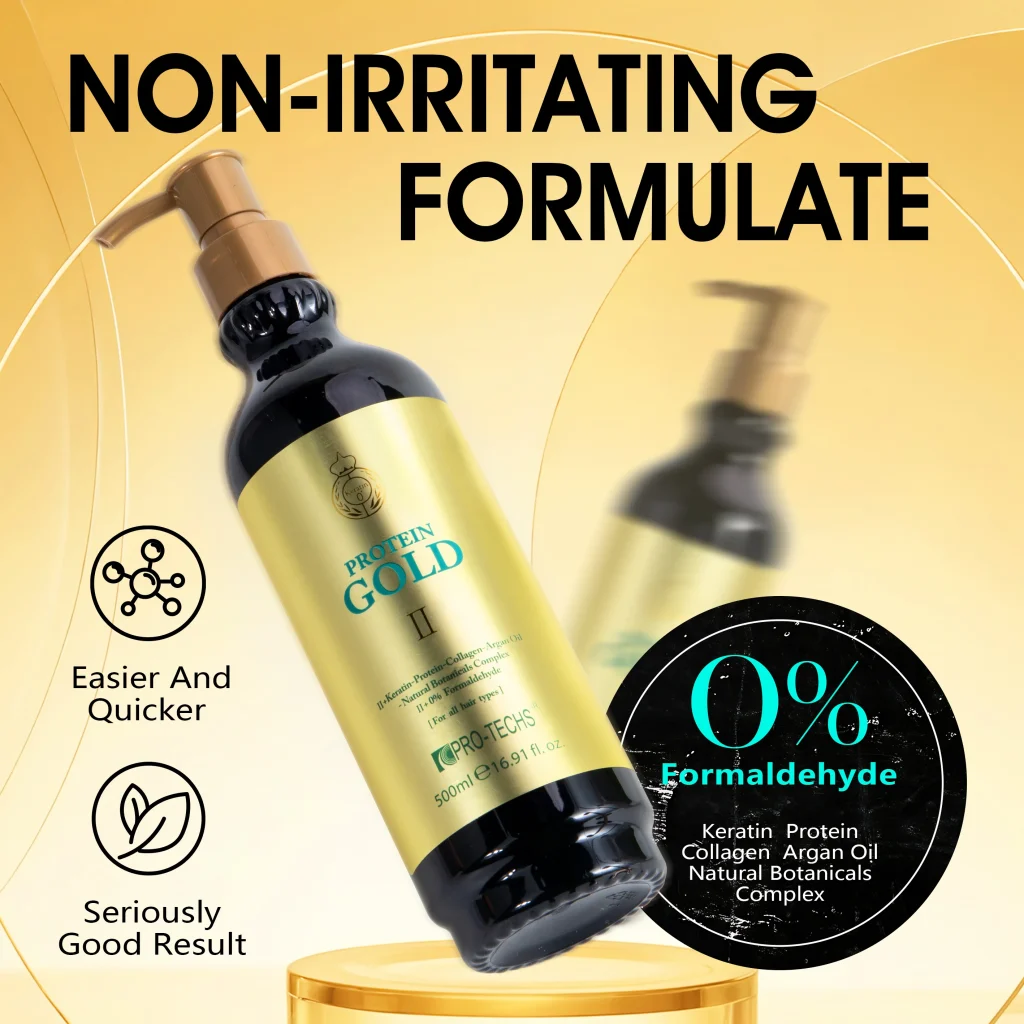
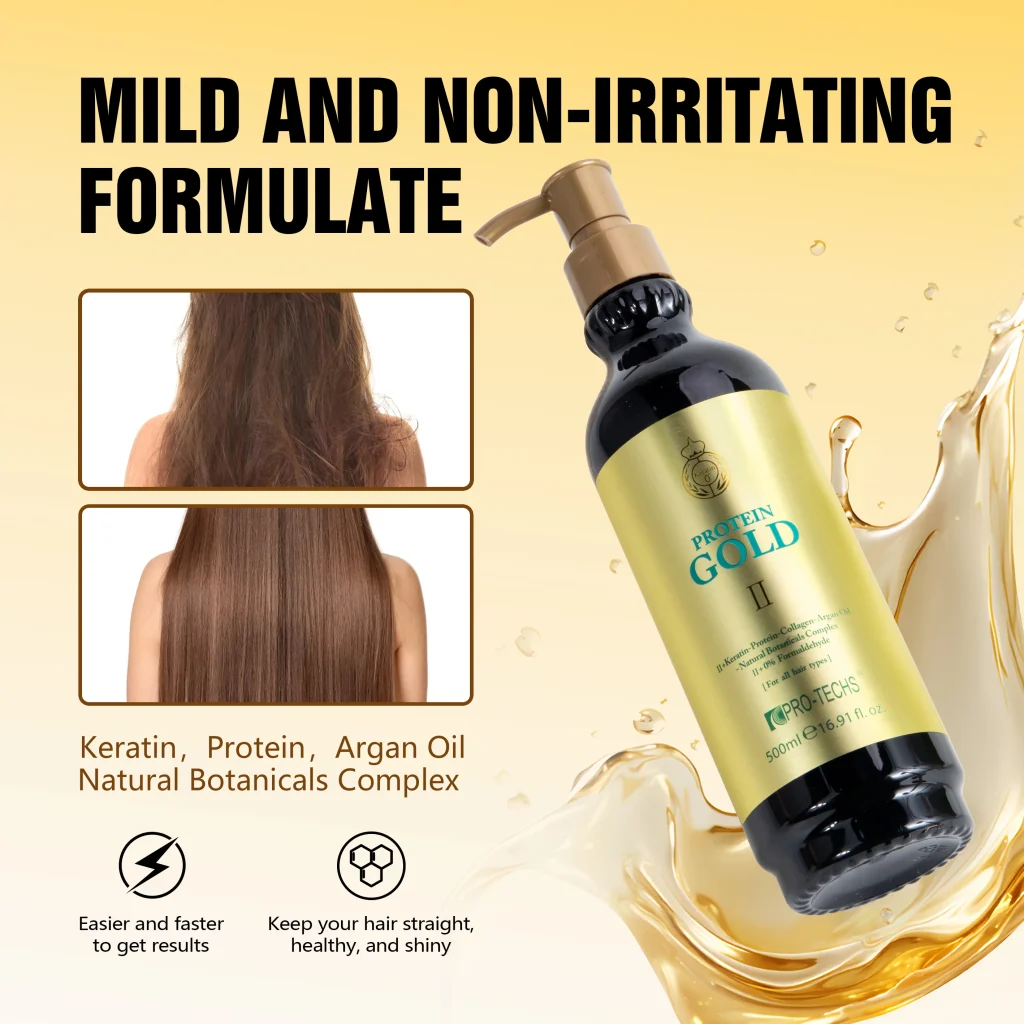
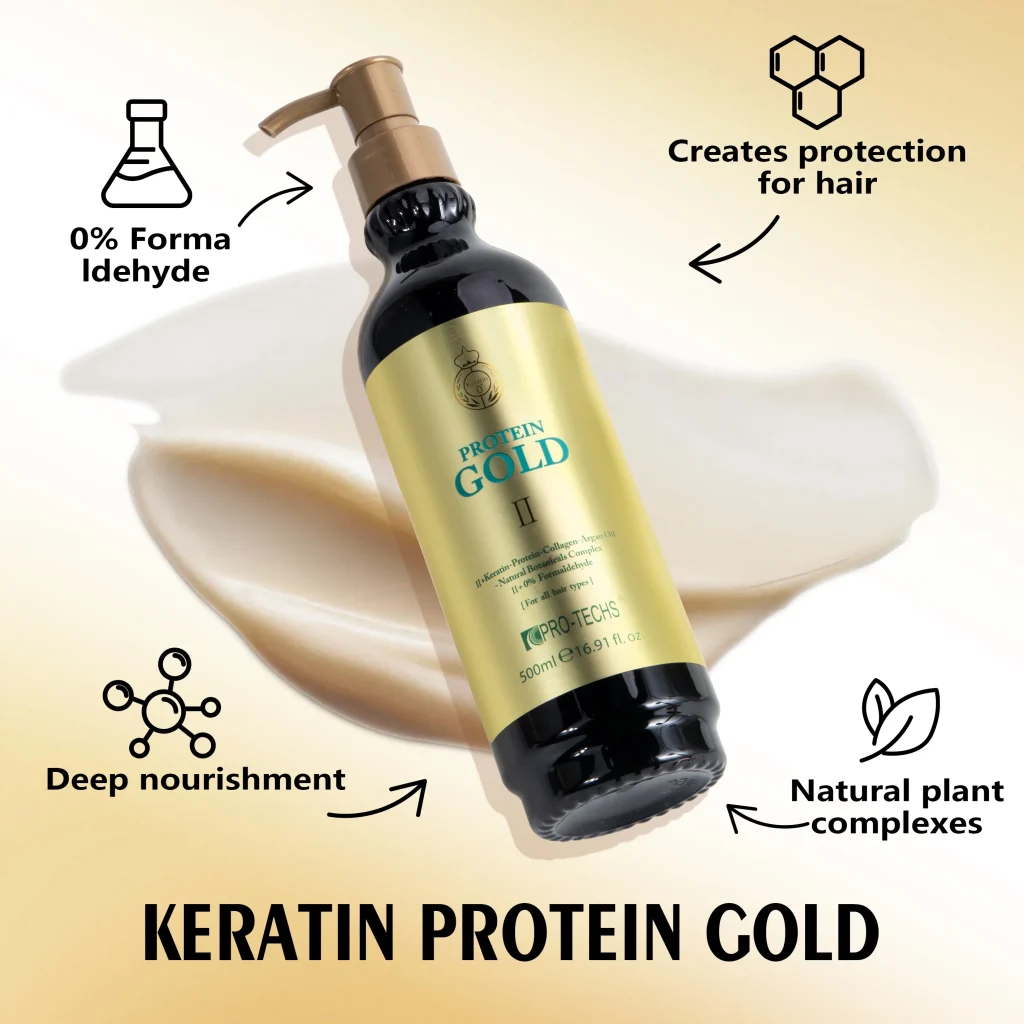
Even private label products must meet strict safety and regulatory standards.
Key formulation considerations:
Depending on your market:
Professional manufacturers conduct:
These steps ensure the product performs consistently in real-world conditions.
In private label hair care, branding often determines perceived product value more than formulation.
You need to define:
Packaging must balance:
Common formats include:
Understanding cost structure early prevents scaling issues later.
Manufacturers often require minimum order quantities:
Start with scalable MOQs to reduce risk exposure.
Even the best products fail without execution.
Common launch channels include:
Hair care is highly visual and result-driven. Focus on:
Working with professionals increases credibility:
Many private label brands fail not because of product quality, but because of strategic errors:
1. Overcomplicating the product line
Too many SKUs reduce focus and increase cost.
2. Weak differentiation
Competing without a clear niche makes scaling difficult.
3. Ignoring compliance early
Regulatory issues can block market entry.
4. Underestimating branding
Packaging and positioning directly affect perceived value.
5. Choosing suppliers only on price
Low-cost manufacturers often lead to inconsistent quality.
Starting a private label hair care line is not just about sourcing products—it is about building a structured business system that integrates formulation, branding, compliance, and distribution.
Brands that succeed typically:
With the right execution strategy, private label hair care can evolve from a small startup idea into a scalable professional beauty brand with long-term retail and salon distribution potential.
👉Start Your Private Label Hair Care Line with a Trusted Manufacturer