


Building a successful hair care line is not about launching as many products as possible. It is about selecting formulas that address recognizable customer needs and give each product a clear role in the collection.
For private label brands, October is an opportunity to review product concepts beyond the familiar shampoo-and-conditioner combination. Targeted cleansing, intensive conditioning, scalp care, and styling products can all help create a more differentiated range.
This month, we are highlighting six hair care formulas worth considering for your next private label collection.
Some hair care brands want to position their products around a sulfate-free cleansing experience, particularly when targeting customers who prioritize a specific cleansing profile or routine for color-treated, dry, or textured hair.
A Sulfate-Free Shampoo can provide a starting point for a daily-care collection. However, sulfate-free does not automatically mean gentler or more suitable for every hair type. The complete formula, cleansing performance, and after-wash feel still matter.
For brands, the opportunity is to define the intended customer and develop a product experience that supports that positioning.
Why we’re highlighting it: A sulfate-free shampoo can give brands a clear formulation direction and serve as the foundation for a broader daily-care system.
Suitable for: Daily hair care brands, color-care collections, curl-care lines, and brands targeting customers who prefer sulfate-free products.
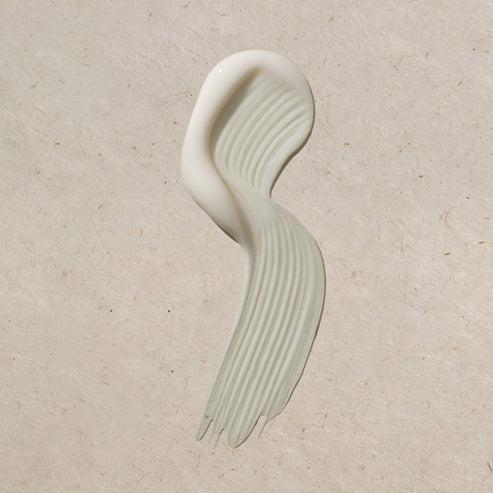
Hair can become dry, rough, or difficult to manage following bleaching, coloring, chemical services, and frequent heat styling. A Hair Repair Mask offers brands a way to address these concerns with a dedicated conditioning and treatment step.
Depending on the formulation, a repair mask can focus on softness, smoothness, manageability, or the feel of damaged hair. Its role should be distinct from a regular conditioner, giving customers a reason to include both products in their routine.
For brands, this category also creates opportunities to build a complete repair collection with shampoo, conditioner, leave-in care, and finishing products.
Why we’re highlighting it: A repair mask adds a more targeted treatment product to a hair care line without requiring the brand to launch an entirely new category.
Suitable for: Damaged-hair collections, salon retail brands, color-care ranges, and hair care brands focused on intensive conditioning.

Styling products, excess oil, and other residues can accumulate on the hair over time. Clarifying Shampoo is designed for deeper cleansing and serves a different purpose from a shampoo intended for regular daily use.
This product can be particularly relevant to customers who frequently use styling products or need occasional buildup removal. Usage guidance should reflect the formula and intended customer, since clarifying shampoos are not necessarily suitable for every hair type or every wash.
For private label brands, clarifying shampoo can complement a daily shampoo rather than compete directly with it.
Why we’re highlighting it: It gives brands a practical way to expand a cleansing range with a clearly differentiated product function.
Suitable for: Professional hair care brands, styling-focused collections, salon retail lines, and brands offering targeted cleansing solutions.
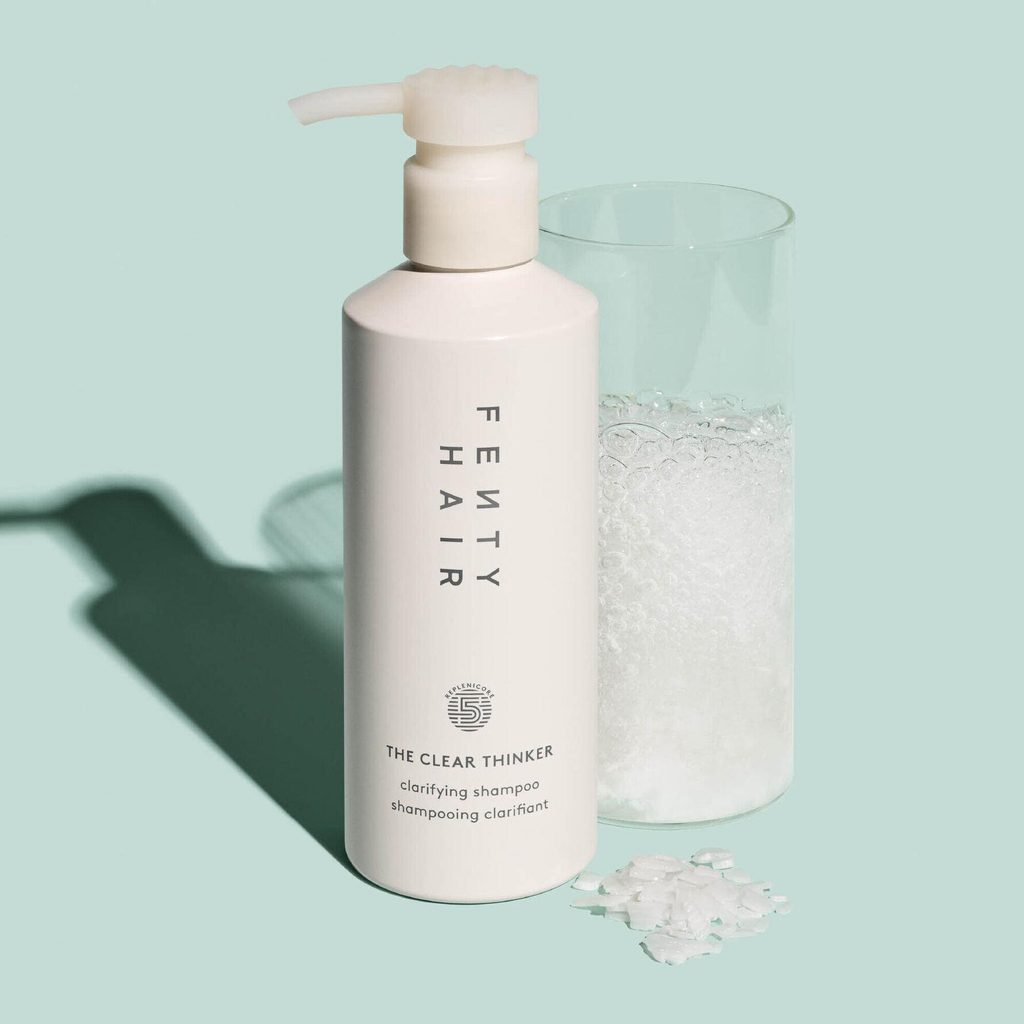
Scalp concerns can give hair care brands an opportunity to move beyond products focused only on the appearance of the hair shaft. Anti-Dandruff Shampoo is designed around a specific consumer concern and can form part of a more targeted scalp-care collection.
The product concept requires careful formulation and positioning. Ingredients, efficacy substantiation, permitted claims, and regulatory requirements can vary by target market. Brands should establish these requirements before finalizing the formula and its claims.
A scalp-care collection may also include complementary cleansing and conditioning products, provided each product has a distinct role.
Why we’re highlighting it: A clearly defined scalp-care need can help a brand develop a more specialized product proposition than a general-purpose shampoo.
Suitable for: Scalp-care brands, targeted hair care collections, and brands looking to expand into specialized cleansing products.
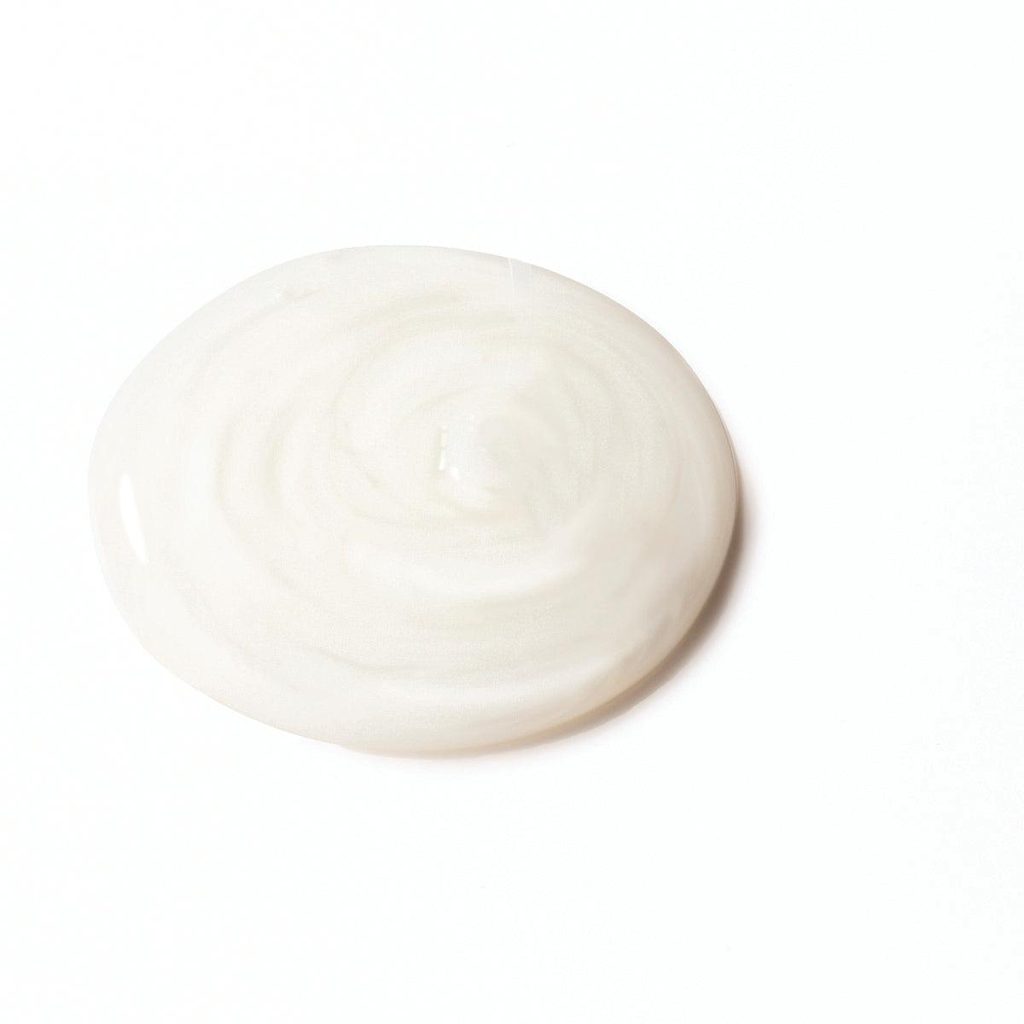
Hair Repair Oil can be positioned as a finishing or leave-in care product for hair that looks dry, feels rough, or is prone to frizz. Depending on the formula, it may help improve softness, shine, and manageability.
The product format offers flexibility for brand positioning. A lightweight oil may suit customers who prefer a less heavy finish, while a richer sensory profile may fit a more nourishing product concept. The final experience depends on the formula rather than the product name alone.
For brands, hair oil also creates a natural connection between wash-day treatments and everyday finishing routines.
Why we’re highlighting it: A repair oil can extend a treatment-focused range into daily maintenance and finishing, giving customers another way to use the brand between washes.
Suitable for: Repair collections, dry-hair care lines, premium hair care brands, and brands targeting smoothness and shine.

Not every hair care product needs to focus on cleansing or conditioning. Hair Styling Gel helps brands address styling needs, including hold, definition, and control, depending on the intended formula.
Its positioning should be specific about the desired finish and use case. A product designed for sleek styling may require a different performance profile from one intended for flexible definition or textured looks.
Hair gel can also complement products such as curl cream, leave-in conditioner, and heat protectant, allowing a brand to serve more steps in the styling routine.
Why we’re highlighting it: Styling gel expands a hair care collection beyond treatment and maintenance, helping brands reach customers with distinct styling preferences.
Suitable for: Styling brands, salon-oriented collections, curl and texture ranges, and brands looking to add finishing products to an existing line.

These six formulas serve different purposes, but their value becomes clearer when they are selected around a target customer.
A repair-focused collection could combine sulfate-free shampoo, conditioner, repair mask, and hair oil.
A targeted scalp-care range could start with an appropriate cleansing product and expand into complementary scalp-care formats based on the intended positioning and regulatory requirements.
A styling-focused collection could pair clarifying shampoo with styling gel and other finishing products.
Brands do not need to launch every product at once. Starting with a few complementary SKUs can make the product line easier to understand and help each product serve a clear purpose.
Before selecting a formula, consider three questions:
Who is the target customer?
Define the hair type, routine, or concern the product is intended to serve.
What makes the product different?
Clarify its main function, sensory profile, and position relative to other products in your range.
What should accompany it?
Consider which shampoo, conditioner, mask, oil, or styling product could complete the customer’s routine.
The right formula is not necessarily the one with the longest ingredient list or the broadest claims. It is the one that fits your target customer, product positioning, and wider brand strategy.
You do not need to develop every formula from scratch to start planning your next collection. Reviewing available product concepts and testing samples can help you evaluate texture, fragrance, application, and overall product experience before moving toward bulk production.
PRO-TECHS offers private label hair care options across multiple product categories, supporting brands as they evaluate formulas for different hair types and customer needs.
Explore our Private Label Hair Care Samples to find product concepts for your next launch.