Before you sign with a hair care supplier, ask these 5 questions about MOQs, delivery reliability, training, market protection, and clean ingredients. Protect your salon’s profits and reputation.
In This Article:
For a salon owner, the relationship with a hair care supplier is far more than a series of transactional inventory orders. It is a core strategic partnership. The products on your shelves and at your backbar directly influence your salon’s brand identity, your stylists’ daily workflow, and, ultimately, your bottom line.
Choosing the wrong partner can lead to unpredictable supply chains, compromised results, and frustrated clients. Conversely, the right supplier acts as a catalyst for business growth. Before signing a contract or committing to a new product line, every salon owner should ask these five essential questions to ensure a profitable, aligned, and sustainable partnership.
What Are Your MOQs and Tiered Pricing Structures?
Financial alignment is the foundation of a successful partnership. Before diving into product benefits, you need to understand the realistic costs and inventory commitments required to maintain the partnership.
The MOQ Reality Check: High Minimum Order Quantities can tie up your cash flow in excess inventory, leaving less capital for marketing, salon upgrades, or payroll. You need to know if the supplier requires a large opening order and what the subsequent reorder minimums look like.
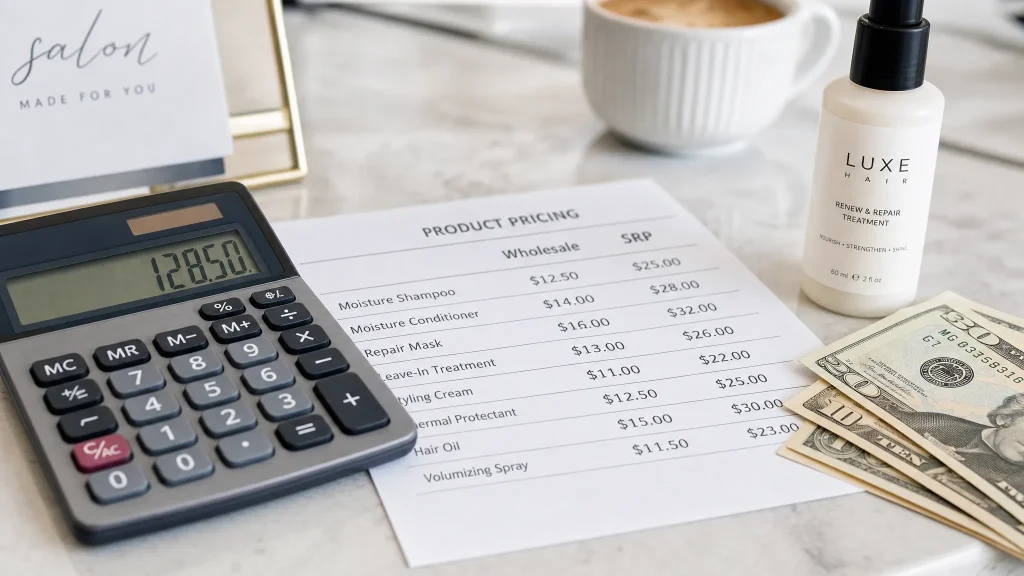
Tiered Pricing and Margins: A healthy retail margin is crucial for salon profitability. Ask for a clear breakdown of wholesale costs versus Suggested Retail Prices (SRP). Furthermore, inquire about tiered pricing: As your salon grows and your order volumes increase, do your margins improve?
Understanding these numbers upfront prevents backbar bottlenecks and ensures the partnership fits your current cash flow while allowing room to scale.
Can You Verify the Supply Chain Reliability and Backorder History?
In the salon industry, consistency is everything. If a client falls in love with a specific structural repair system or a precise toning regimen, they expect it to be available every time they sit in your chair.
Lead Times: How long does it take from the moment an order is placed to when it arrives at your salon door?
Inventory Resilience: What is the supplier’s average fulfillment rate? A supplier with chronic backorder issues forces your stylists to compromise on results and drives retail-focused clients to look elsewhere.
Domestic vs. International Shipping: If the supplier manufactures overseas, ask about their domestic warehousing. A robust local distribution network is often safer than relying on direct international freight, which is highly vulnerable to global supply chain disruptions.
What Ongoing Technical and Business Education Do You Provide?
Even the most advanced formulation logic is useless if your team doesn’t know how to application-test or pitch it effectively. A premium supplier doesn’t just sell you bottles; they invest in your team’s expertise.
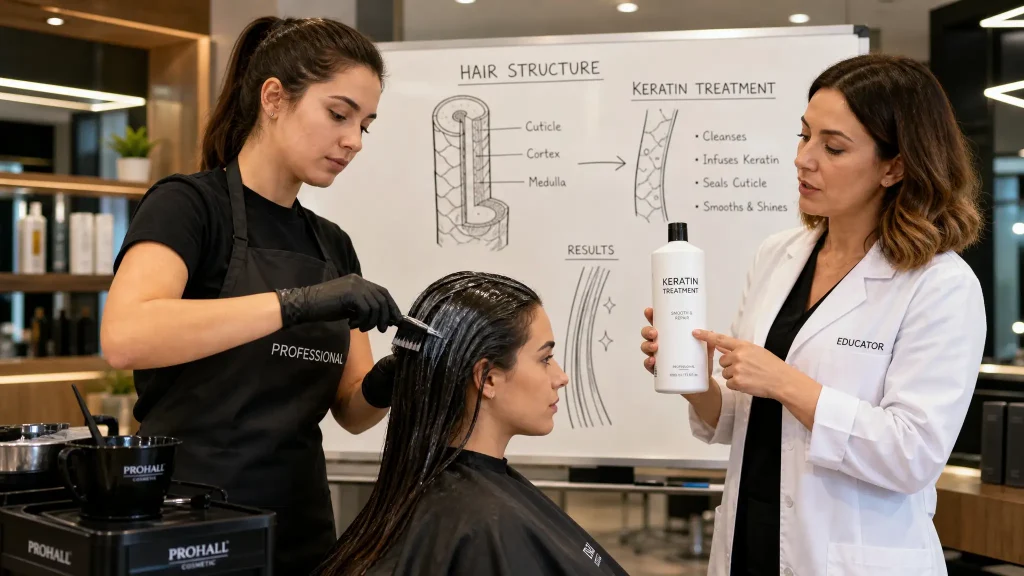
Technical Training: Does the supplier offer comprehensive hands-on training for complex treatments (such as professional keratin systems, structural bonds, or specialized color lines)? Your stylists need to master the chemistry behind the products—including viscosity behavior, processing times, and ingredient functions—to deliver flawless results.
Business and Retail Support: Does the supplier help your team master the art of retail consultation? Look for partners that provide digital resources, masterclasses, or in-salon education to help stylists confidently transition a backbar experience into a retail sale.
How Do You Support and Protect Partner Salons in the Market?
With the rise of e-commerce, product diversion is a major threat to salon retail health. If a client can buy the exact same professional formula online for a lower price, your in-salon retail ecosystem collapses.
Anti-Diversion Policies: Ask the supplier point-blank about their diversion control. Do they strictly police their supply chain to ensure products aren’t leaked to unauthorized third-party online marketplaces?
Territory Exclusivity: Inquire if they offer any level of geographic exclusivity. If every salon on your block carries the exact same brand, it dilutes your competitive edge. Partnering with a brand that respects market density helps position your salon as a unique destination.
Marketing Assets: Will they provide high-end, editorial-quality marketing materials, imagery, and merchandising displays to help you showcase the products beautifully within your space?
What is the Core Philosophy Behind Your Formulations and Ethics?
Today’s consumers are highly educated and deeply conscious of what they put on their hair and skin. The ethical stance of your supplier directly reflects on your salon’s reputation.
Ingredient Integrity: Are the formulations aligned with modern clean-beauty demands? For example, do they prioritize green chemistry, biodegradable ingredients, and clean labeling? Are the products free from unnecessary parabens, sulfates, or harsh formaldehyde-releasing agents?
Cruelty-Free Status: Is the brand strictly against animal testing? Having verifiable ethical manufacturing credentials allows your stylists to speak proudly and transparently to conscious consumers, building deeper brand trust.
Conclusion
Choosing a hair care supplier is a decision that shapes the daily reality of your salon business. By treating the selection process as a strict interview—vetting financial transparency, operational reliability, educational support, market protection, and formulation ethics—you protect your business from operational headaches. Taking the time to ask these five questions ensures that your next supplier isn’t just a vendor, but a true partner in your salon’s long-term success.
PRO-TECHS offers salon owners worry-free solutions