In the professional salon and hair care industry, a team’s technical consistency is the ultimate driver of client retention. This is particularly true for high-ticket, high-margin chemical services like keratin treatments and progressive smoothing treatments. A single inconsistent application can lead to under-processed roots, damaged ends, or unsatisfied clients who won’t return.
For salon owners, distributors, and brand educators, building a rigorous training program doesn’t require a massive budget or expensive third-party certifications. By leveraging your internal expertise, manufacturer resources, and structured peer-to-peer learning, you can establish an elite standard of service without spending a dime.
Here is a step-by-step roadmap to building a cost-free, highly effective technical training framework for your team.
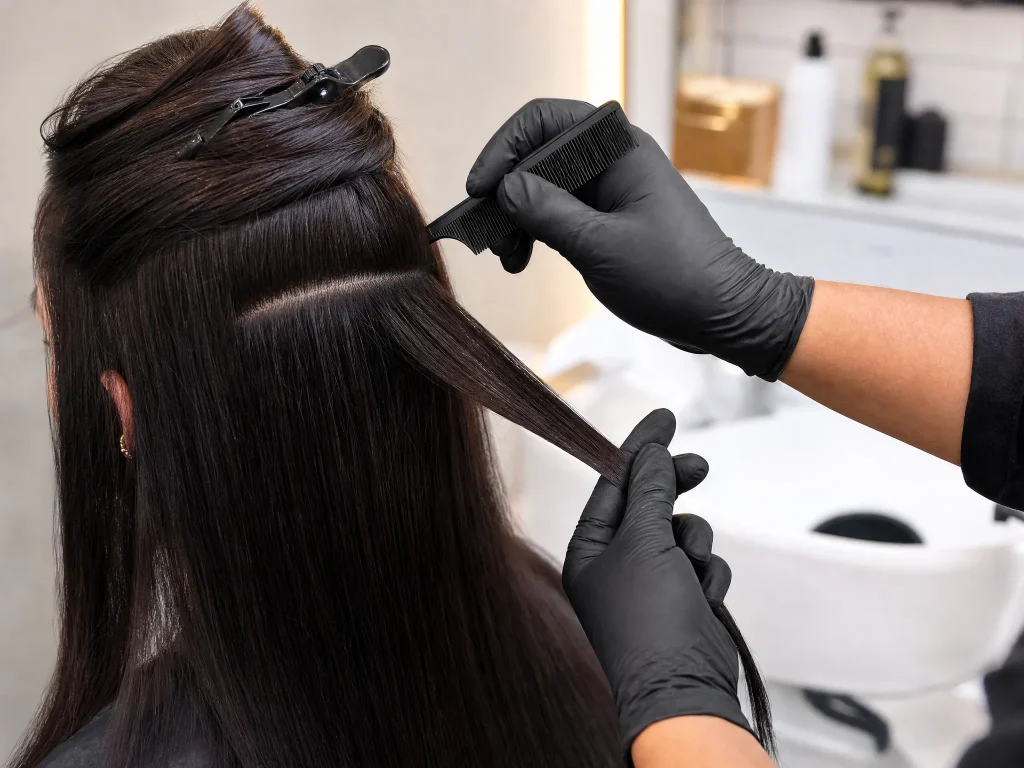
Audit and Standardize Your Dynamic Workflow
Before assembling your team, you must establish an absolute baseline for the application process. Inconsistency often stems from stylists relying on “muscle memory” or habits picked up from other brands.
Keratin bond science requires precision; variations in tool selection, temperature, or timing will alter the chemical reaction and product efficacy.
| Step | Core Technical Focus | Operational Metric / Standard |
| 1. Clarifying | Open cuticles; remove residue | Wash 2-3 times; leave last lather for 5 mins |
| 2. Drying Base | Prepare hair porosity for maximum absorption | Blow-dry roughly to 80-100% (per brand specs) |
| 3. Application | Even product distribution; prevent scalp contact | 1/2 inch sections; 1/4 inch away from scalp; comb through |
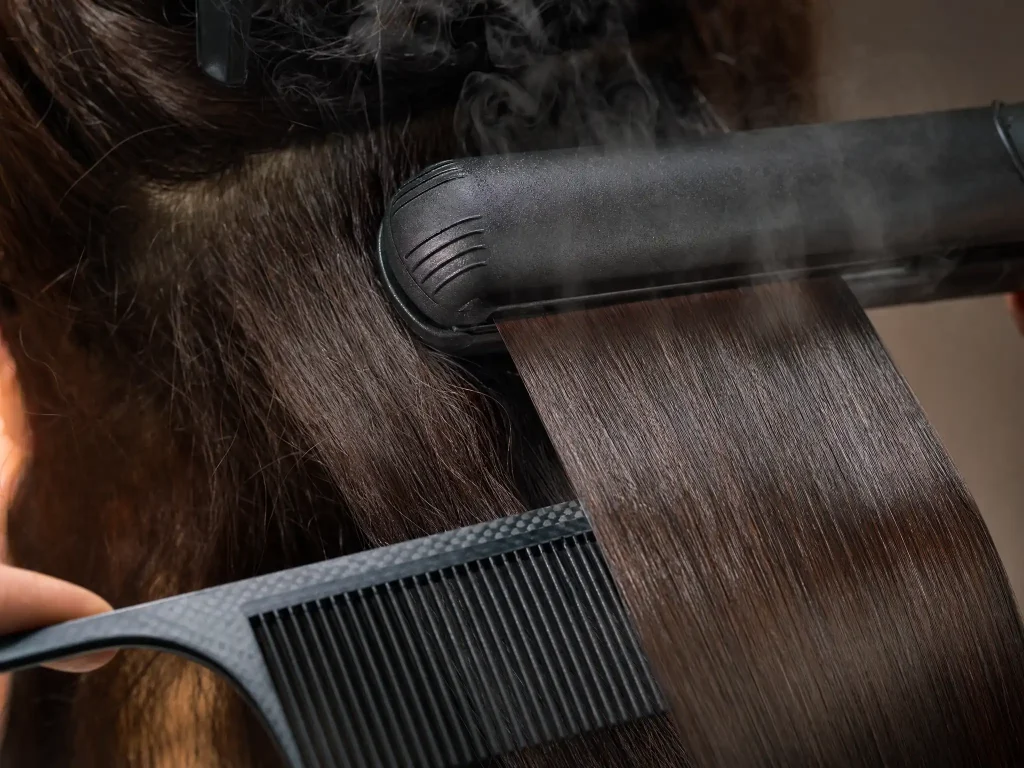
| 4. Integration | Mechanical drying and structural sealing | 100% dry on medium heat; flat iron at precise temps |
Leverage Free Brand-Direct Education
The most underutilized assets in the hair care sector are the education portals maintained by your product manufacturing partners. Top-tier original design manufacturers (ODMs) and established professional brands invest heavily in instructional materials to ensure their formulas perform flawlessly in the chair.
- Manufacturer Video Manuals: Reach out directly to your account representative or product supplier. Request their step-by-step application videos, digital Lookbooks, and detailed PDF technical guides.
- Virtual Tech Support: Many professional brands offer free monthly webinars or live Q&A sessions on Instagram and YouTube for licensed professionals. Make these streaming sessions mandatory viewing for your junior staff.
- Official FAQ Cheat Sheets: Compile the manufacturer’s trouble-shooting data (e.g., “What to do if the hair smokes excessively?” or “How to adjust iron passes for high-porosity blonde hair”) into a digital reference guide for your team.
Implement the “Shadow & Pivot” Practical Training Method
Hands-on training doesn’t have to disrupt your daily salon revenue. By pairing your staff strategically, you can integrate education seamlessly into standard salon operational hours.
1.The Active Shadow:Observation Stage
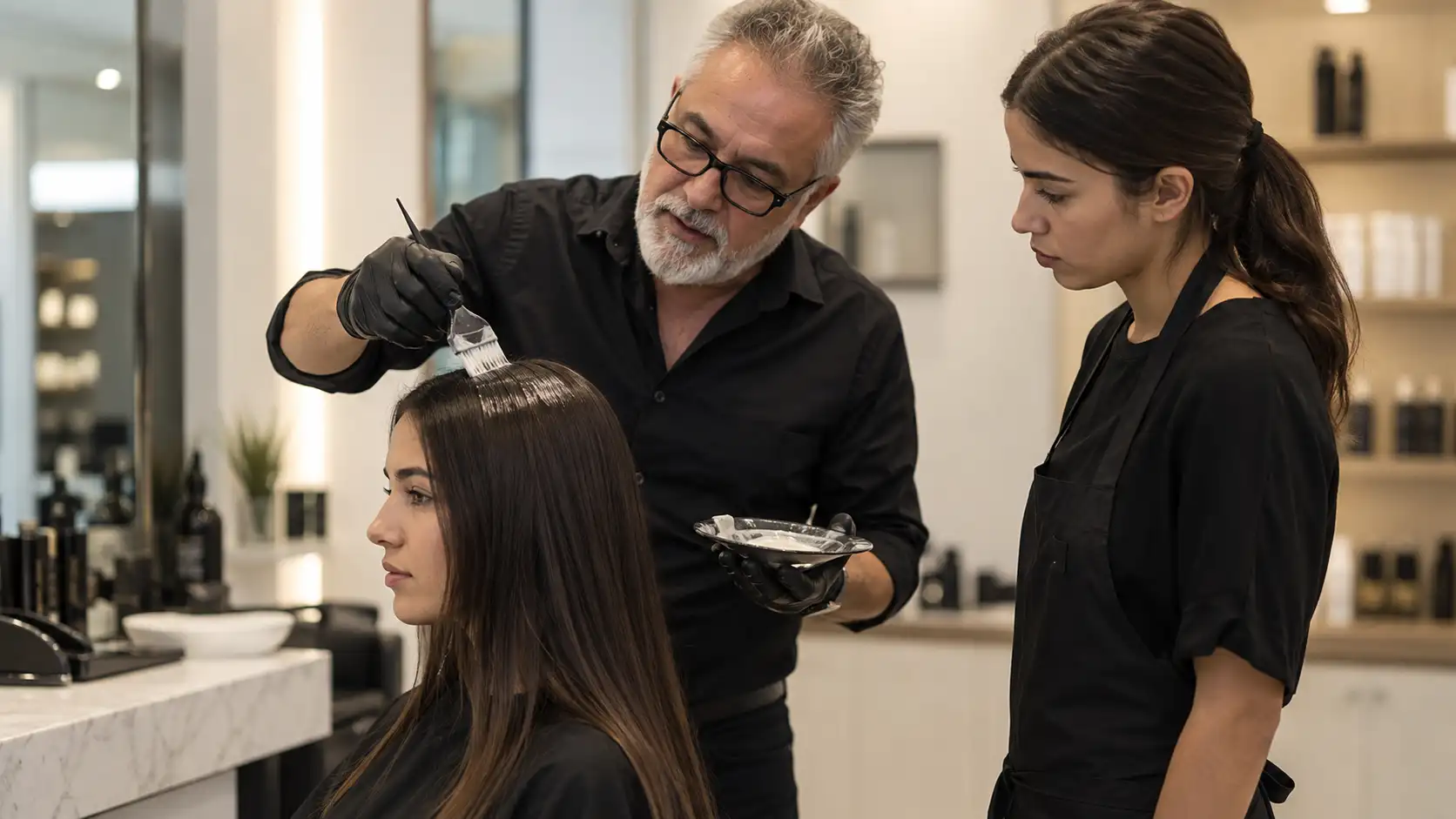
Pair an apprentice or junior stylist with a senior specialist during a live, paid keratin client service. The junior team member observes sectioning density, product saturation volume, and flat iron tension.
2.The Supervised Pivot:Partial Hands-On
On the next scheduled keratin service, allow the trainee to take over non-chemical tasks under direct supervision—such as the rough blow-dry phase or chasing the flat iron with a carbon comb to control tension.
3.The Model Session:Full Execution
Utilize standard “slow days” (typically Mondays or Tuesdays) to host a free model session. Have the trainee perform a full treatment on a friend or family member while the senior stylist audits the application, timing, and flat iron heat control.
Master the Flat Iron Variable
The mechanical sealing phase is where the longevity of a keratin treatment is determined—and where structural hair damage is most likely to occur. Training your team to understand the relationship between hair porosity, texturizing, and heat transfer is vital.
The Tension & Pass Rule: It is a common misconception that more heat equals better results. In reality, consistent mechanical tension and controlled iron velocity matter more than pure heat.
- For Fine, Damaged, or Double-Processed Blonde Hair: Restrict flat iron temperatures to 180°C to 200°C (350°F to 390°F) and limit passes to 4–6 times per section.
- For Coarse, Virgin, or Highly Resistant Textured Hair: Utilize temperatures up to 230°C (450°F), executing 10–12 precise, fast passes to properly seal the cuticle matrix.
Train your staff to count their iron passes deliberately and to always use high-quality carbon or heat-resistant combs to guide the hair smoothly through the plates.
Standardize Your Client Consultation Scripts
Technical execution is only half the battle; managing client expectations and delivering precise aftercare education ensures the service lasts for its intended 3-to-5-month lifecycle. Free training must include communication roleplay.
Ensure every team member can explain the fundamental aftercare rules confidently to clients:
- The Waiting Window: Whether the specific formula requires a 72-hour setting window or allows an immediate wash, consistency in instructions is critical.
- Sulfate-Free Cleansers: Stylists must explain why sodium chloride and sulfates strip keratin bonds, seamlessly transitioning into recommending the salon’s retail home-care line.
- Environmental Triggers: Educate clients on protecting their smoothing treatment from ocean salt water and chlorinated pools by applying a leave-in barrier cream beforehand.
Next Steps for Your Brand
By systemizing your training around manufacturer assets, tracking iron temperatures by hair type, and establishing clear peer shadowing protocols, you create a self-sustaining educational loop. Your team gains confidence, your service quality standardizes, and your salon’s reputation grows—all while keeping your overhead at zero.
Elevate Your Salon Efficiency with the PRO-TECHS Keratin Collection