Planning to sell hair care products in the U.S.? Learn how to register for MoCRA, what information you need, who is responsible for registration, and how your hair care manufacturer can support the process.
In This Article:
If you are launching private label hair care products in the U.S., understanding MoCRA registration is an important part of preparing your products for the market. The process can seem complicated at first, but it becomes much easier when you know what information is required and which responsibilities belong to your brand or manufacturing partner.
This guide explains the MoCRA registration process from a practical perspective and shows how a professional hair care manufacturer can help you prepare the information and documentation you need.
What Is MoCRA?
MoCRA stands for the Modernization of Cosmetics Regulation Act of 2022. It introduced new requirements for cosmetics marketed in the United States, including requirements related to cosmetic facility registration, product listing, safety substantiation, serious adverse event reporting, and other areas of regulatory oversight.
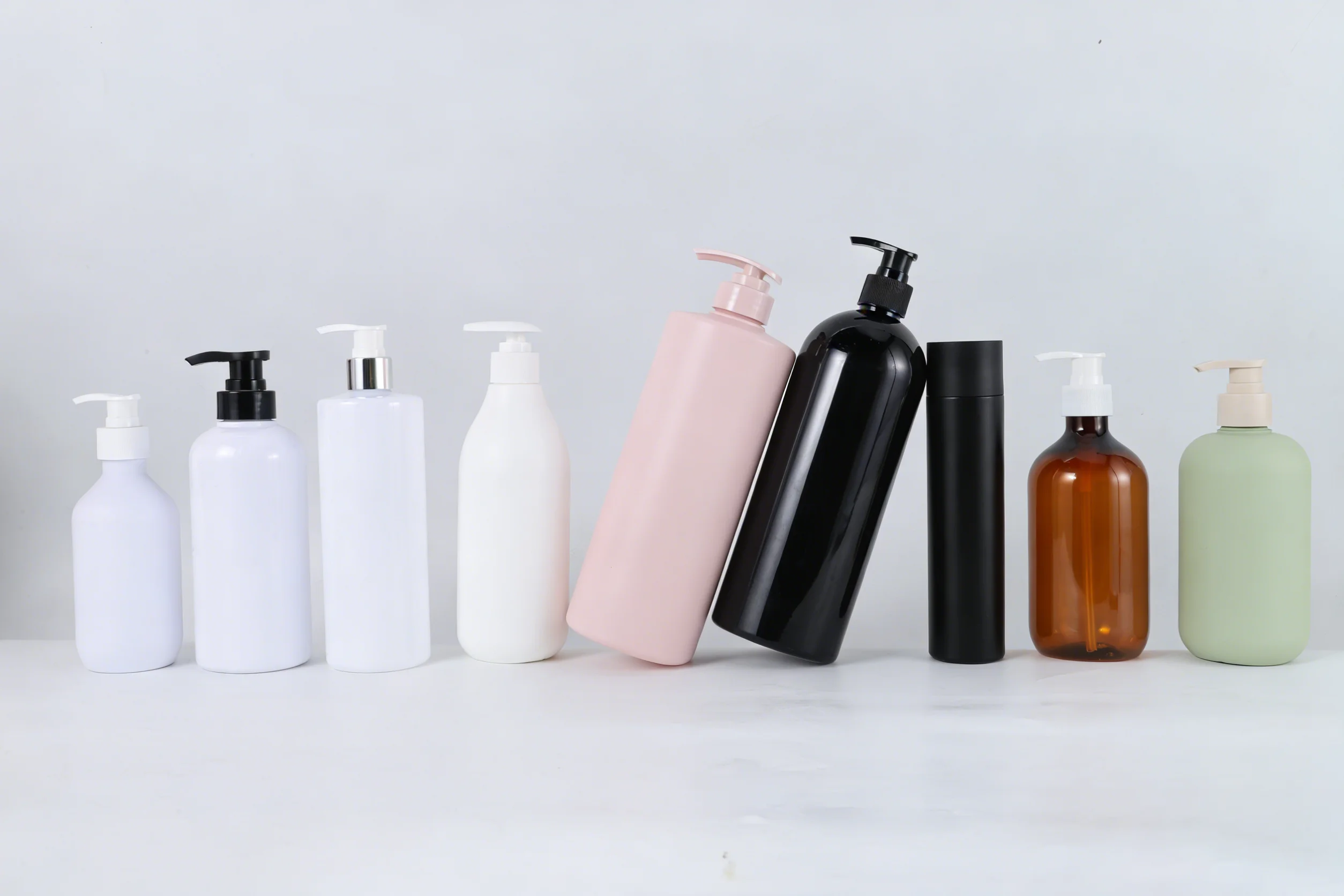
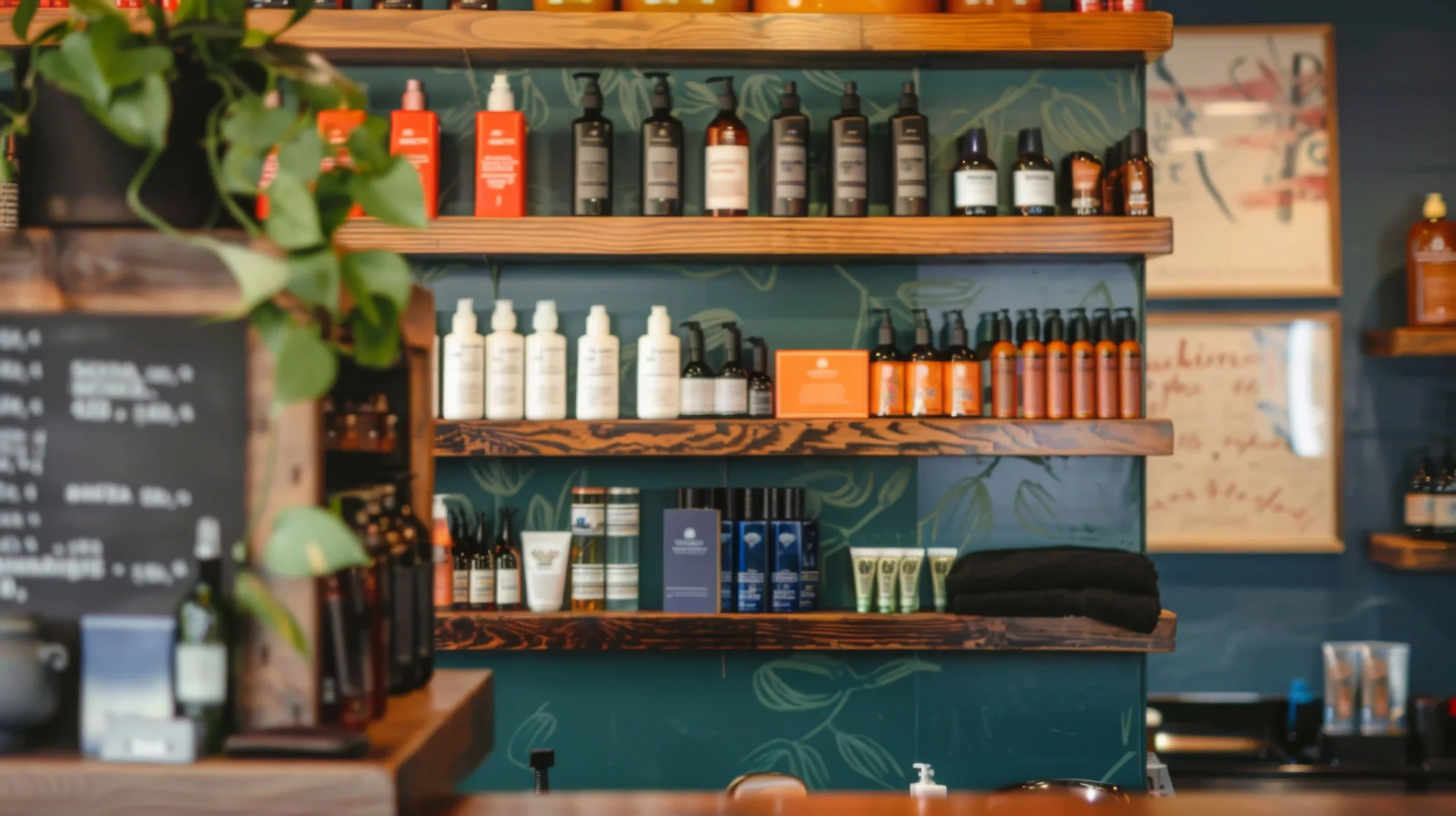
For hair care brands, MoCRA may apply to products such as:
Shampoo
Conditioner
Hair masks
Hair treatments
Hair oils and serums
Styling products
Other cosmetic hair care products
The specific requirements depend on the product, claims, business structure, and applicable exemptions.
The important point for a new brand is simple: you need to understand your applicable MoCRA responsibilities before launching your cosmetic products in the U.S.
Do I Need MoCRA Registration for My Hair Care Brand?
If you manufacture, process, distribute, or market cosmetic products in the United States, you should determine whether your business and products are subject to MoCRA requirements.
For a private label hair care brand, the process typically involves two important areas:
Cosmetic Facility Registration The applicable manufacturing or processing facility must be registered with FDA, subject to applicable exemptions.
Cosmetic Product Listing The Responsible Person is generally responsible for listing each marketed cosmetic product with FDA and maintaining the listing as required.
These are separate requirements. Registering a manufacturing facility does not automatically mean that every cosmetic product has been listed.
What Information Do You Need to Prepare?
One of the easiest ways to simplify MoCRA registration is to prepare your information before starting the process.
1. Facility Information
You may need information about the facility involved in manufacturing or processing the cosmetic product, including the facility name, address, and other required registration information.
If you are working with an established manufacturer, the manufacturer should be able to provide the relevant facility information for your project.
2. Product Information
You will need accurate information about the cosmetic product being marketed.
Depending on the applicable requirements, this can include:
Product name
Product category
Product ingredients
Product label information
Responsible Person information
Manufacturing facility information
For private label products, it is important that the information used for registration matches the actual product and labeling.
3. Responsible Person Information
The Responsible Person is generally the manufacturer, packer, or distributor whose name appears on the cosmetic product label.
For many private label brands, this may be the brand owner or another company identified on the product label.
The Responsible Person has specific responsibilities under MoCRA, including applicable product listing and serious adverse event reporting obligations.
This is why it is important to clarify your role before completing the registration process.
4. Supporting Product Documentation
Your manufacturer can often provide important information needed for your regulatory and compliance process.
This may include:
INCI ingredient information
Product specifications
Formula-related information
Manufacturing information
Quality control records
Testing documentation
Batch information
Packaging and labeling information
Not every document is necessarily submitted during registration. However, maintaining appropriate documentation is an important part of preparing a product for the U.S. market.
Brand vs. Manufacturer: Who Does What?
This is one of the most common questions from private label brands.
The answer depends on your specific business structure, product labeling, and regulatory responsibilities, but a typical private label project may look like this:
Area
Brand
Manufacturer
Product selection
✓
Support
Product positioning and claims
✓
Support
Product labeling
✓
Support
Responsible Person responsibilities
✓*
—
Facility information
—
✓
Manufacturing information
—
✓
Product documentation
Support
✓
Quality control records
—
✓
Product listing information
✓*
Support
*Responsibilities can vary depending on the product, labeling, and business structure.
The key takeaway is that MoCRA compliance is not necessarily something a brand has to handle alone.
A qualified manufacturing partner can provide much of the product, manufacturing, and technical information needed to support the process.
How PRO-TECHS Supports Your MoCRA Preparation
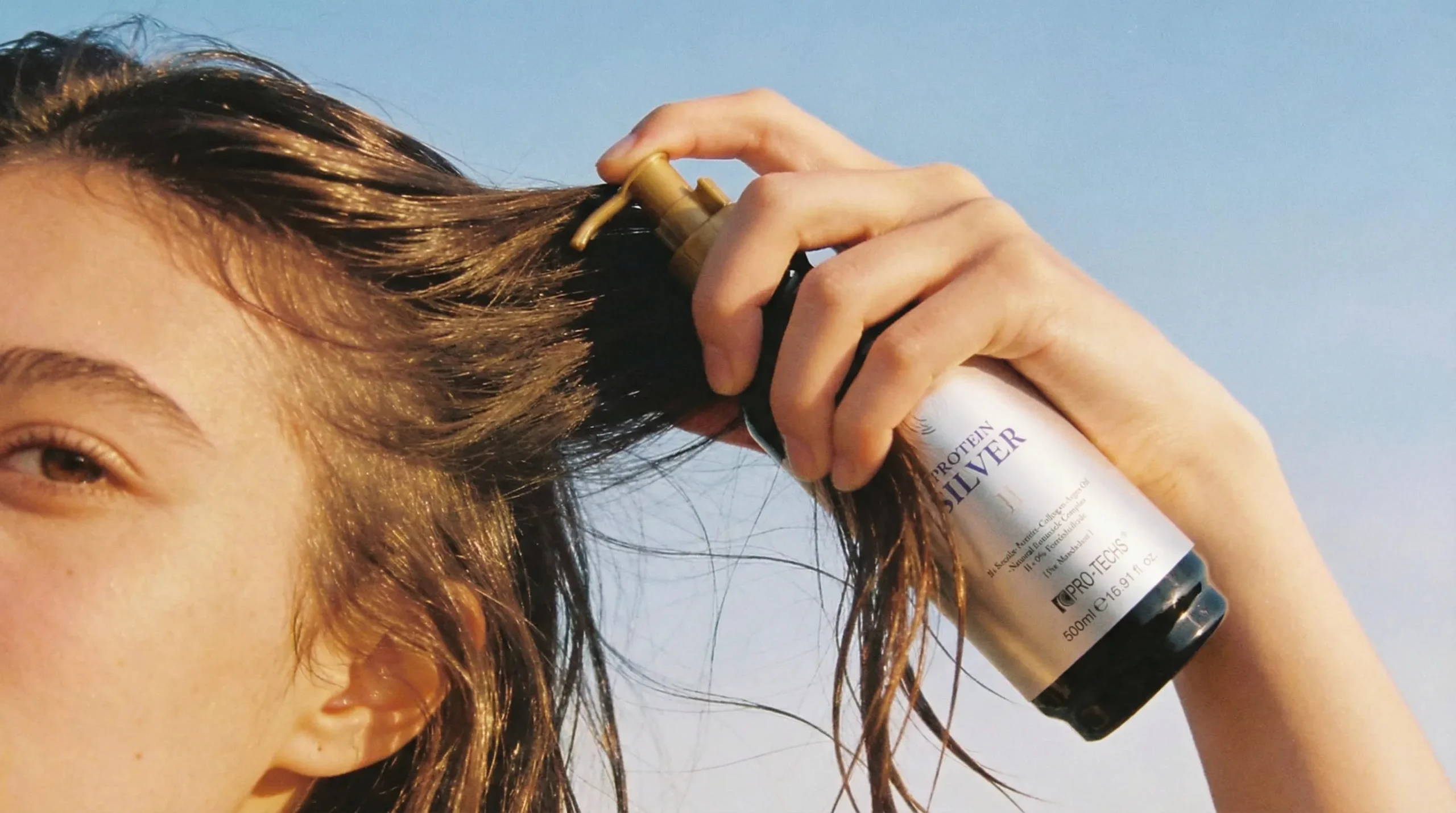
At PRO-TECHS, we operate an FDA-registered cosmetic manufacturing facility and work with private label, OEM, and ODM hair care brands serving the U.S. market.
Our role is to make the manufacturing and documentation side of your project as straightforward as possible.
Step 1 — Select or Develop Your Product
Choose from our existing market-tested hair care formulas or work with our team on a custom formulation.
Step 2 — Prepare Product Information
We provide relevant product, ingredient, manufacturing, and quality information for your project.
Step 3 — Prepare for MoCRA Registration
Use the applicable information provided by your manufacturer to complete your facility and product-related regulatory requirements.
Step 4 — Move Forward With Production
Once your product and applicable regulatory requirements are prepared, you can proceed with manufacturing and your U.S. market launch.
Our goal is not simply to manufacture your products, but to provide the information and documentation needed to make the entire private label process easier to manage.
What Should You Ask Your Hair Care Manufacturer?
Before choosing a manufacturer for the U.S. market, ask a few practical questions:
Is your facility FDA registered?
A manufacturer serving U.S. cosmetic brands should be able to clearly explain its facility registration status.
Can you provide ingredient and product information?
You should be able to obtain accurate information about your formula and finished product.
Can you provide manufacturing and quality documentation?
Documentation such as specifications, testing information, batch records, and quality control records can be important for your compliance process.
Can you support my MoCRA registration process?
Your manufacturer may not be responsible for every regulatory submission, but it should be able to provide the manufacturing and product information you need.
Who is responsible for the product listing?
Make sure this is clearly established before your product enters the U.S. market.
Does FDA Registration Mean My Product Is FDA Approved?
No.
This is an important distinction for cosmetic brands.
FDA registration of a cosmetic facility or listing of a cosmetic product under MoCRA does not mean that FDA has approved the cosmetic product.
Cosmetics generally do not require FDA premarket approval in the same way that drugs do. Brands should therefore use accurate terms such as FDA-registered facility, cosmetic product listing, and MoCRA compliance, rather than describing a cosmetic product as “FDA approved” simply because the facility or product has been registered or listed.
A Simpler Way to Prepare for the U.S. Market
For a new private label hair care brand, MoCRA does not need to become a complicated regulatory project.
The practical approach is to:
1. Confirm your product requirements Understand whether your products fall under applicable cosmetic requirements.
2. Choose an experienced manufacturer Work with a manufacturer that understands U.S. market requirements and maintains appropriate manufacturing systems.
3. Collect the required information Obtain product, ingredient, manufacturing, quality, and labeling information.
4. Clarify responsibilities Determine who is responsible for applicable facility and product requirements.
5. Complete the applicable registration and listing process Use the appropriate FDA systems and information for your business and products.
6. Maintain your documentation Keep product and manufacturing information organized throughout the product lifecycle.
Need Help With MoCRA Registration?
You don’t have to figure out the process from scratch.
PRO-TECHS can provide the relevant manufacturing and product information needed for your U.S. market preparation, and we have also prepared a simple step-by-step guide to help hair care brands understand the MoCRA registration process.
Contact PRO-TECHS to get our MoCRA Registration Guide and make your U.S. hair care launch easier.
Disclaimer: This article provides general information about MoCRA and U.S. cosmetic requirements and is not legal or regulatory advice. Specific requirements may vary depending on your product, claims, business structure, labeling, and applicable exemptions. Consult a qualified regulatory or legal professional for advice regarding your specific situation.